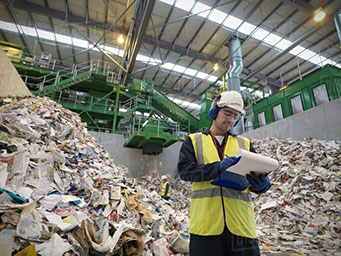
When it comes to maintaining a cleaner, healthier environment, effective waste management plays a pivotal role. For residents and businesses in Scranton, PA, embracing innovative waste management strategies is not just an obligation but a pathway toward sustainability. This comprehensive guide explores the critical facets of waste management Scranton PA, offering insights into how the city can optimize its waste handling processes while fostering community awareness and environmental responsibility.
Waste Management Scranton PA is more than just a municipal service; it embodies the community’s commitment to sustainable living and eco-friendly practices. This article covers the core elements necessary to develop an efficient waste management system in Scranton, including advanced disposal methods, recycling initiatives, community engagement, and future technological prospects.
| For commercial landfill-free waste, recycling and product destruction services, including sorting, baling, shredding and compaction equipment, or to explore revenue from your recycling, contact Integrity Recycling Waste Solutions at (866) 651-4797. |
The Foundations of Effective Waste Management in Scranton PA
Efficient waste management in Scranton PA hinges on understanding the foundational principles that govern waste reduction, disposal, and resource recovery. Successful systems are built on meticulous planning, public cooperation, technological integration, and adherence to environmental regulations.
Before implementing any strategies, it’s vital to recognize the current waste situation in Scranton and identify opportunities for growth. Scranton faces typical municipal waste challenges such as increased residential waste, commercial waste from local industries, and hazardous waste management. Addressing these requires tailored solutions that are sustainable and community-centered.
By examining the city’s existing waste infrastructure and community behaviors, stakeholders can develop a comprehensive plan to enhance waste diversion, maximize recycling, and reduce landfill dependence.
Analyzing Scranton’s Current Waste Management Infrastructure
Understanding the scope and limitations of Scranton’s existing waste management system is the first step toward advancement. Scranton’s waste services include curbside collection, transfer stations, and partnering with private waste haulers.
Despite these existing services, challenges often include landfill overcapacity, contamination in recycling streams, and limited public awareness. Addressing these issues requires a holistic approach that integrates modern technology, user education, and policy reforms.
Moreover, data collection on waste generation patterns and disposal habits is invaluable. This data helps identify high-waste sectors conducive to targeted initiatives such as composting programs and recycling drives.
Community Engagement and Education
Public participation is vital for any waste management strategy to succeed. Educating residents and businesses about waste segregation, the importance of recycling, and composting benefits encourages active involvement.
Community outreach programs can include workshops, informational campaigns, and school programs that highlight best practices. Engaging local organizations and businesses also fosters a shared responsibility model, emphasizing collaborative efforts.
Additionally, providing convenient recycling facilities and clear communication about waste collection schedules enhances participation rates. Making waste disposal an integrated part of daily routines strengthens community commitment to sustainability.
The Role of Policy and Regulation in Improving Waste Management
Effective policies are central to the success of waste management initiatives. Scranton can benefit from updated ordinances that incentivize recycling and composting, impose penalties for illegal dumping, and promote eco-friendly waste disposal methods.
Regulations such as mandatory recycling laws, waste minimization incentives for businesses, and landfill restrictions are practical measures. Also, establishing standards for waste haulers and recyclables quality ensures consistency and efficiency.
Furthermore, regional cooperation with neighboring municipalities can foster shared resources and unified waste management standards, leading to broader environmental benefits across northeastern Pennsylvania.
| For commercial landfill-free waste, recycling and product destruction services, including sorting, baling, shredding and compaction equipment, or to explore revenue from your recycling, contact Integrity Recycling Waste Solutions at (866) 651-4797. |
Innovative Technologies Transforming Waste Management in Scranton PA
Technology is revolutionizing how cities manage waste, turning traditional methods into smarter, more sustainable systems. For Scranton PA, embracing technological advancements can optimize operations, reduce costs, and improve environmental outcomes.
From smart bins that monitor fill levels to waste-to-energy conversion, modern solutions are changing the landscape of waste handling. Integrating these innovations requires strategic planning, investment, and stakeholder buy-in.
Smart Waste Monitoring and Collection Systems
Smart waste monitoring devices equipped with IoT sensors can provide real-time data on bin fill levels, allowing for dynamic collection routes and reducing unnecessary trips.
These systems enhance operational efficiency by preventing overflows, decreasing fuel consumption, and minimizing labor costs. Residents also benefit from cleaner streets and less frequent collection disruptions.
Implementing such technology involves installing sensors in select waste containers, establishing data management platforms, and training personnel in system usage. As data accumulates, predictive analytics can forecast waste trends and inform future planning.
Waste to Energy and Recycling Technologies
Transforming waste into energy offers an innovative approach to reduce landfill volume while generating renewable power. Technologies such as anaerobic digestion and thermal conversion facilities can process organic waste and non-recyclable plastics into biogas and electricity.
Scranton’s potential for integrating waste-to-energy solutions is significant, especially considering the city’s industrial history and available infrastructure. Such methods complement recycling efforts by handling leftovers and non-recyclables responsibly.
Advanced sorting and recycling technologies like optical sorters and robotic recycling systems improve materials recovery rates, reduce contamination, and make the recycling process more cost-effective.
Data-Driven Waste Management Platforms
Digital platforms that unify waste data across municipal, commercial, and industrial sectors streamline management processes. These platforms facilitate transparent communication, monitor performance metrics, and enable data-driven decision-making.
Such solutions promote accountability, enhance reporting capabilities, and support the development of customized waste solutions for different neighborhoods or sectors. They can also facilitate residents’ access to waste collection schedules, recycling tips, and reporting issues.
By investing in digital infrastructure, Scranton can position itself as a model smart city with sustainable waste management at the forefront.
| For commercial landfill-free waste, recycling and product destruction services, including sorting, baling, shredding and compaction equipment, or to explore revenue from your recycling, contact Integrity Recycling Waste Solutions at (866) 651-4797. |
Sustainable Waste Reduction Strategies for Scranton PA
The most effective waste management systems aim not only to handle waste effectively but also to minimize waste generation itself. Promoting waste reduction strategies aligns with the broader goals of environmental preservation, economic savings, and community health.
Implementing reduce, reuse, and recycle principles becomes fundamental to sustainable urban living.
Encouraging Waste Prevention and Reduction
Waste prevention begins with conscious consumer choices. Local government initiatives can promote minimal packaging, encourage the use of reusable products, and support businesses that implement sustainable practices.
Educational campaigns highlighting the environmental and economic benefits of reducing waste can shift public behavior over time. Incentives like discounts for reusable bags or containers encourage residents to adopt eco-friendly habits.
Additionally, supporting local markets for secondhand goods, repairing rather than discarding items, and adopting minimal waste policies in institutions can significantly decrease waste volumes.
Promoting Recycling and Reuse
Recycling remains a cornerstone of waste management, but its success depends on proper sorting and contamination control. Scranton can launch targeted campaigns emphasizing what items are recyclable and how to prepare them correctly.
Reusing items such as furniture, containers, and clothing extends product life cycles and reduces waste. Community swap events and donation centers facilitate reuse and foster a circular economy.
Designing waste management systems that integrate reuse centers with recycling programs can maximize material recovery and stimulate local entrepreneurship.
Developing Composting Programs for Organic Waste
Organic waste comprises a large portion of municipal waste, yet it is often landfilled unnecessarily. Composting transforms food scraps and yard waste into valuable soil amendments, reducing landfill load and lowering greenhouse gas emissions.
Scranton can develop community composting stations or promote backyard composting programs, especially in residential neighborhoods. Partnering with local farms or landscaping businesses for organic waste collection can create a symbiotic relationship benefiting the local economy.
Well-designed composting initiatives also serve educational purposes, raising awareness about sustainable waste practices and environmental stewardship.
| For commercial landfill-free waste, recycling and product destruction services, including sorting, baling, shredding and compaction equipment, or to explore revenue from your recycling, contact Integrity Recycling Waste Solutions at (866) 651-4797. |
FAQs
What are the main benefits of effective waste management in Scranton PA?
Effective waste management improves public health by reducing pollution and disease vectors, conserves natural resources through recycling, saves communities money by optimizing collection routes, and enhances the city’s overall environmental footprint, making it more attractive for residents and businesses.
How can residents participate actively in waste management?
Residents can participate by segregating recyclables from trash, composting organic waste, reducing unnecessary consumption, and adhering to collection schedules. Public education campaigns and accessible recycling facilities also facilitate active community involvement.
Are there specific policies supporting waste reduction in Scranton?
Scranton is encouraged to implement policies promoting recycling mandates, providing incentives for waste reduction, regulating illegal dumping, and supporting educational programs. Collaborating regionally can amplify these efforts.
What technological innovations are most feasible for Scranton?
Smart waste monitoring systems, waste-to-energy technologies, and digital management platforms are feasible advancements. They require investments but promise substantial benefits in operational efficiency and environmental impact.
How does sustainable waste management benefit the local economy?
By reducing waste disposal costs, attracting environmentally conscious businesses, creating jobs in recycling and renewable energy sectors, and fostering community well-being, sustainable waste management can boost Scranton’s economic resilience.
Conclusion
In summary, waste management Scranton PA is a dynamic field that encompasses infrastructure upgrades, technological innovation, policy reform, and community participation. By analyzing the current waste landscape, adopting cutting-edge solutions, promoting waste reduction strategies, and fostering active civic engagement, Scranton can transform its waste management system into a model of sustainability. This holistic approach not only benefits the environment but also supports economic growth and enhances the quality of life for all residents. Embracing these strategies paves the way for a cleaner, greener Scranton committed to sustainable development and environmental stewardship.
| For commercial landfill-free waste, recycling and product destruction services, including sorting, baling, shredding and compaction equipment, or to explore revenue from your recycling, contact Integrity Recycling Waste Solutions at (866) 651-4797. |