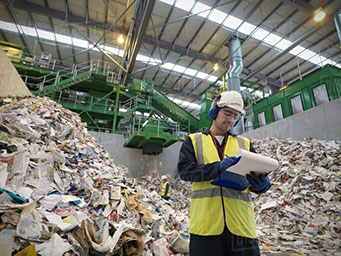
Waste management Princeton NJ is a critical component of maintaining a healthy, clean, and sustainable community. As Princeton continues to grow and evolve, proper waste handling becomes increasingly essential to minimize environmental impact, protect public health, and promote resource conservation. This article explores comprehensive strategies, innovative practices, and community engagement efforts that make waste management Princeton NJ a model of efficiency and ecological responsibility.
| For commercial landfill-free waste, recycling and product destruction services, including sorting, baling, shredding and compaction equipment, or to explore revenue from your recycling, contact Integrity Recycling Waste Solutions at (866) 651-4797. |
Understanding Waste Management in Princeton NJ – The Foundations of a Green Community
Effective waste management involves the systematic collection, processing, recycling, and disposal of waste materials generated by households, businesses, and institutions. In Princeton NJ, this process is tailored to meet the community’s unique needs, balancing urban growth with environmental sustainability.
A well-structured waste management system minimizes landfill overflow, reduces pollution, conserves natural resources, and fosters community awareness. It lays the foundation for a sustainable future where waste is seen not simply as garbage but as a resource to be recovered and reused.
The Role of Local Government and Community Partnerships
Princeton’s local government plays a pivotal role in establishing policies, regulations, and programs that promote responsible waste handling. Their initiatives often involve collaboration with residents, schools, and local businesses to encourage participation and accountability.
Community partnerships amplify these efforts by providing education, resources, and incentives. For instance, partnership programs might include composting workshops, recycling drives, and hazardous waste disposal events, fostering a culture of sustainability.
Infrastructure and Waste Collection Systems
The efficiency of waste management in Princeton NJ hinges significantly on the infrastructure in place—composting facilities, recycling centers, waste collection vehicles, and processing plants. The community benefits immensely from modern, eco-friendly equipment that reduces emissions and enhances collection precision.
Princeton’s waste collection schedule is designed to optimize routes, reduce fuel consumption, and minimize disruptions. Proper segregation at the source, such as separating recyclables from organic waste, ensures systems operate smoothly and effectively.
Environmental Policies and Regulations
Environmental policies guide waste management practices, influencing how waste is handled from inception to disposal. Princeton NJ adopts strict regulations to oversee waste disposal, ensuring compliance with state and federal standards. These policies promote environmentally sound practices like banning single-use plastics, encouraging bottle deposit programs, and supporting biodegradable alternatives.
Understanding and adhering to these policies is crucial for residents and businesses aiming to contribute positively to community waste management efforts.
| For commercial landfill-free waste, recycling and product destruction services, including sorting, baling, shredding and compaction equipment, or to explore revenue from your recycling, contact Integrity Recycling Waste Solutions at (866) 651-4797. |
Innovative Waste Management Strategies in Princeton NJ – Paving the Way for Sustainability
Modern waste management goes beyond basic collection and disposal. Princeton NJ is actively adopting innovative methods that increase recycling rates, reduce landfill reliance, and promote circular economies.
Advanced technology, data analytics, and community engagement form the backbone of these strategies, creating a model that municipalities worldwide can emulate.
Recycling and Composting Initiatives
Recycling and composting are cornerstones of Princeton’s waste reduction efforts. Recycling programs are designed to handle materials like paper, plastic, glass, and metals, converting waste into raw resources for manufacturing.
Composting, meanwhile, transforms organic waste into nutrient-rich compost, reducing the volume of waste sent to landfills and supporting local agriculture. Community compost bins and home backyard composting are encouraged for residents to participate actively.
Waste-to-Energy Technologies
Waste-to-energy (WTE) technology is an innovative approach to converting non-recyclable waste into usable energy, such as electricity or heat. Princeton NJ explores WTE facilities that utilize advanced combustion techniques, significantly reducing waste volume while generating power.
While WTE presents an eco-friendly alternative to landfills, it requires careful planning to control emissions and ensure environmental safety standards are met.
Smart Waste Management Systems
The integration of IoT (Internet of Things) devices and data analytics into waste management systems enhances efficiency and responsiveness. Smart sensors on bins alert sanitation crews when containers are full, preventing overflowing and optimizing routes.
These systems also provide valuable insights into waste generation patterns, enabling better planning and resource allocation. As a result, Princeton NJ can continuously refine its waste management approach and adapt to evolving community needs.
Community Engagement and Education Campaigns
An engaged community is vital for sustainable waste management. Princeton NJ invests in educational campaigns—school programs, public workshops, social media outreach—that inform residents about waste reduction techniques and proper disposal methods.
Community-led cleanup drives and recycling competitions foster a sense of collective responsibility. Engaged residents are more likely to participate meaningfully and advocate for environmentally responsible behaviors.
| For commercial landfill-free waste, recycling and product destruction services, including sorting, baling, shredding and compaction equipment, or to explore revenue from your recycling, contact Integrity Recycling Waste Solutions at (866) 651-4797. |
Waste Management Challenges and Solutions in Princeton NJ – Navigating Future Obstacles
Despite advanced strategies, Princeton NJ faces specific challenges that require adaptable solutions. Addressing these hurdles proactively ensures the city remains on the path toward sustainability.
Managing Waste Diversification
The increasing diversity of waste streams—from electronics to hazardous chemicals—poses logistical complexities. Proper handling requires specialized recycling facilities and regulations, making it imperative to develop comprehensive waste segregation systems at homes and businesses.
Princeton’s challenge lies in educating residents about these complexities and providing accessible disposal options for specialized waste types.
Reducing Plastic Waste
Plastic pollution remains a significant concern worldwide, and Princeton NJ is no exception. Microplastics infiltrate water systems, affecting ecosystems and human health.
Efforts to reduce plastic waste include banning single-use plastics, promoting reusable alternatives, and establishing bottle return programs. Collaboration among local government, retailers, and residents is key to minimizing plastic footprints.
Waste Management Funding and Resource Allocation
Funding constraints can hinder the implementation of innovative projects or infrastructure upgrades. It is crucial for municipalities to secure sustainable funding sources, such as grants, public-private partnerships, and community fundraising.
Princeton NJ explores every avenue to allocate resources efficiently while balancing budget constraints and environmental priorities.
Addressing E-Waste and Hazardous Waste
Electronic waste and hazardous materials require specialized disposal methods to prevent environmental contamination. Establishing regular e-waste collection days and hazardous waste drop-off centers are essential.
Community awareness about the importance of proper disposal for such items is equally critical, as improper handling can lead to dangerous health and environmental risks.
Data and Technology Adoption Barriers
While technology offers promising solutions, barriers such as high costs and technical expertise can hamper adoption. Princeton NJ continuously evaluates cost-effective systems, seeking grant funding and partnerships to bridge these gaps.
Embracing innovation and fostering a culture of technological adoption amongst city officials and residents ensures ongoing progress.
| Waste Management Strategy | Benefits | Challenges | Implementation Examples |
|---|---|---|---|
| Recycling Composting | Reduces landfill waste, conserves resources | Contamination of recyclables, participation levels | Community compost programs, recycling guidelines |
| Waste-to-Energy | Energy generation, waste volume reduction | High setup costs, emission concerns | Modern WTE plants, energy contracts |
| Smart Waste Systems | Increased efficiency, data-driven decision making | Initial tech investment, maintenance | IoT-enabled bins, real-time tracking |
| Community Education | Greater resident participation, awareness | Sustaining engagement, outreach costs | School programs, social media campaigns |
| Hazardous E-Waste Disposal | Safety for community and environment | Need for specialized facilities | Drop-off events, dedicated collection centers |
| For commercial landfill-free waste, recycling and product destruction services, including sorting, baling, shredding and compaction equipment, or to explore revenue from your recycling, contact Integrity Recycling Waste Solutions at (866) 651-4797. |
FAQs – Common Questions About Waste Management Princeton NJ
What services does the Princeton NJ waste management system include?
Princeton NJ offers a range of services including curbside recycling, organic waste composting, household hazardous waste collection, electronic waste disposal, and regular trash pickup. The city ensures proper handling of specialty waste and promotes sustainable practices through education programs.
How can residents participate more actively in waste reduction?
Residents can reduce waste by practicing composting at home, recycling correctly, reducing single-use plastics, and participating in community cleanup events. Education campaigns and accessible disposal facilities further empower community involvement.
Are there any local regulations regarding waste disposal in Princeton NJ?
Yes, Princeton has strict regulations on waste segregation, hazardous waste handling, and recycling standards. Residents and businesses are encouraged to familiarize themselves with these regulations, which aim to maximize waste diversion and environmental safety.
What initiatives are in place to reduce plastic waste?
Princeton NJ has launched plastic reduction initiatives such as banning single-use plastics, promoting reusable bags and containers, and establishing bottle deposit programs. Community education helps reinforce these practices.
How does Princeton NJ incorporate technology into its waste management practices?
The city uses IoT-enabled trash bins, real-time data analytics, and routing optimization software to increase operational efficiency, lessen environmental impact, and enhance service responsiveness.
Conclusion
Waste management Princeton NJ exemplifies a community committed to sustainable development and environmental stewardship. Through a comprehensive blend of policies, innovative technologies, community participation, and ongoing education, Princeton has established a resilient waste handling system that balances urban growth with ecological concerns. Moving forward, persistent innovation and community engagement will be vital in overcoming emerging challenges and ensuring Princeton remains a model of proper waste management—a testament to collective responsibility and forward-thinking environmental stewardship.
| For commercial landfill-free waste, recycling and product destruction services, including sorting, baling, shredding and compaction equipment, or to explore revenue from your recycling, contact Integrity Recycling Waste Solutions at (866) 651-4797. |