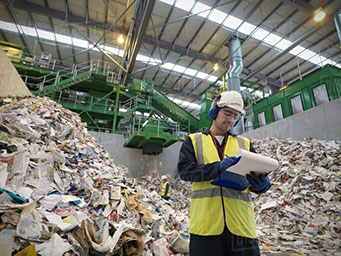
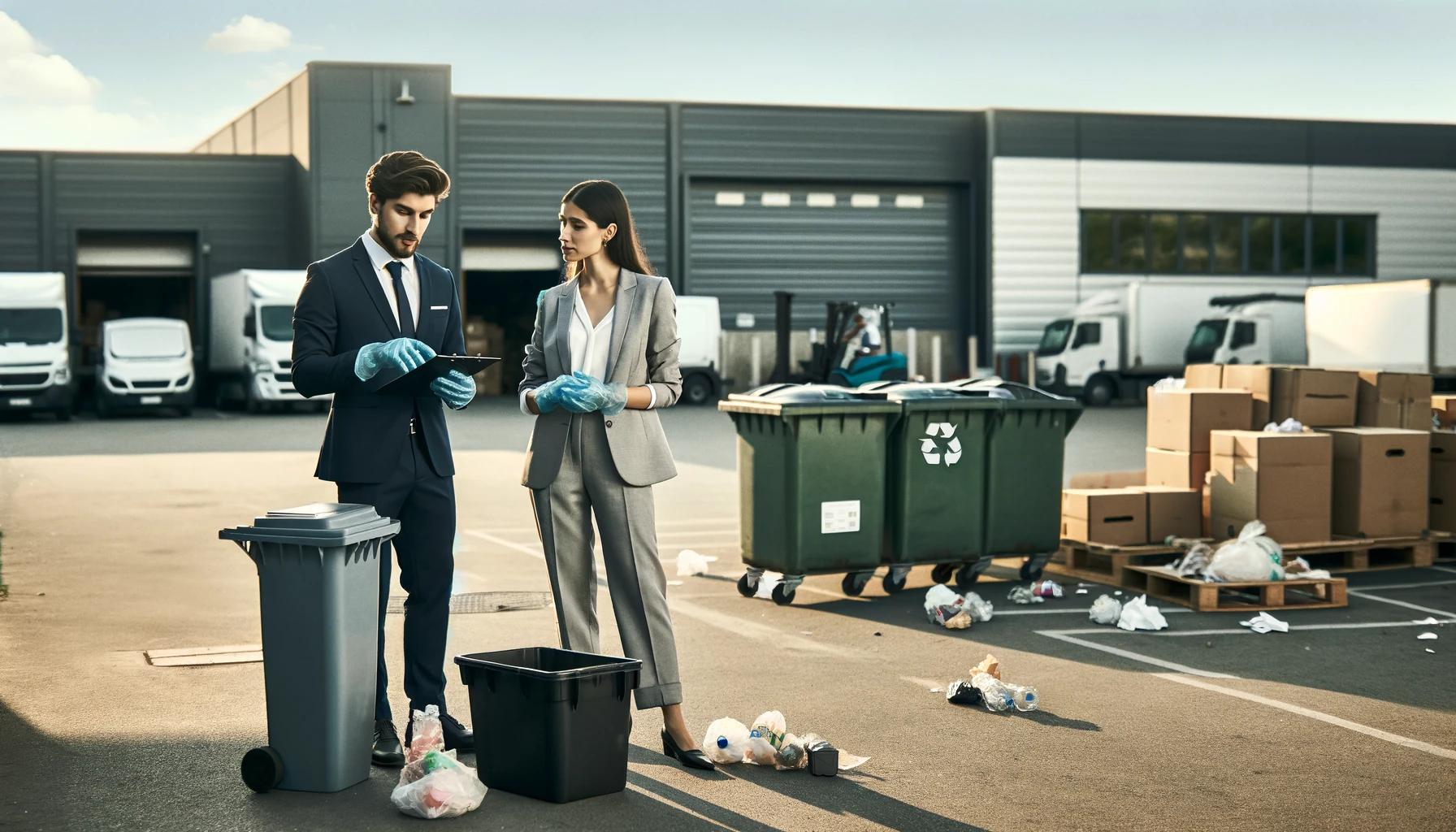
Waste management Newark NJ has become a paramount issue as urban populations grow and environmental concerns take center stage. Effective waste management is not just about cleanliness; it reflects a community’s health, sustainability, and economic vitality. Newark, a vibrant city with a rich history and diverse population, is actively working to enhance its waste management strategies to create a cleaner, greener, and more sustainable environment for its residents. This article explores the multifaceted aspects of waste management in Newark NJ, examining innovations, policies, community involvement, and future prospects that underscore the importance of effective waste handling.
| For commercial landfill-free waste, recycling and product destruction services, including sorting, baling, shredding and compaction equipment, or to explore revenue from your recycling, contact Integrity Recycling Waste Solutions at (866) 651-4797. |
Understanding Newark NJ’s Waste Management Landscape
To appreciate the efforts and challenges associated with waste management in Newark NJ, it is essential to first grasp the current state of the city’s waste collection, processing facilities, and environmental policies. Newark’s urban setting presents unique challenges, including high population density and diverse waste streams, making efficient waste handling a complex task.
Newark NJ has a long-standing history of managing waste effectively, but rapid urbanization and increased waste production have necessitated innovative approaches. The city’s government collaborates with private companies and community organizations to provide comprehensive waste collection services, recycling programs, and public awareness initiatives. Understanding Newark’s waste management landscape reveals gaps that need addressing and opportunities for expansion in sustainability practices.
The Composition of Waste in Newark NJ
Analyzing the composition of waste generated in Newark offers insights into targeted waste management strategies. Household waste, construction debris, industrial waste, and organic materials make up the bulk of daily refuse.
- Household waste includes plastics, papers, metals, and organics, which require separation and recycling.
- Construction debris accounts for substantial bulky waste that influences landfill capacities.
- Industrial waste, often containing hazardous materials, demands special handling procedures.
Effective segregation at the source is crucial to optimize recycling rates and minimize landfill overflow. Newark NJ is focusing on educational campaigns to encourage residents and businesses to adopt better waste disposal practices, ultimately reducing improper waste dumping and promoting recycling.
Challenges Faced by Newark NJ in Waste Management
Despite concerted efforts, Newark faces several challenges in managing its waste efficiently:
- Overloaded Landfills: With rising waste volumes, existing landfills are strained, leading to environmental hazards.
- Recycling Contamination: Improper sorting leads to contamination, reducing recyclables’ value and complicating processing.
- Budget Constraints: Funding limitations impact waste collection frequency and technology upgrades.
- Community Engagement: Ensuring residents participate actively remains a hurdle, especially in underserved neighborhoods.
Addressing these challenges requires innovative, community-driven policies and investment in technological advancements such as smart waste bins and composting facilities.
| For commercial landfill-free waste, recycling and product destruction services, including sorting, baling, shredding and compaction equipment, or to explore revenue from your recycling, contact Integrity Recycling Waste Solutions at (866) 651-4797. |
Innovative Technologies Transforming Waste Management in Newark NJ
In recent years, technological innovations have revolutionized traditional waste management practices. Newark NJ is embracing these advancements to improve efficiency, reduce environmental impact, and foster sustainability.
Smart Waste Collection Systems
Smart waste bins equipped with sensors can monitor fill levels, optimizing collection schedules, reducing unnecessary trips, and cutting costs. These sensors provide real-time data accessible via centralized dashboards, allowing waste management teams to respond proactively.
The benefits include:
- Reduced fuel consumption and emissions
- Improved collection efficiency
- Decreased overflow and littering
Implementing smart systems in Newark demonstrates a progressive step toward modernizing city sanitation infrastructures.
Recycling and Waste Sorting Technologies
Automated sorting facilities utilizing AI and robotics can efficiently separate recyclables with high accuracy. This reduces contamination and increases recycling rates significantly.
Newark NJ is experimenting with such technologies to elevate its recycling performance, with pilot programs demonstrating impressive improvements. The integration of these systems can also create job opportunities in tech-driven waste management sectors and foster community acceptance.
Composting and Organic Waste Utilization
Organic waste comprises a significant portion of Newark’s trash, yet much of it is landfilled. Composting initiatives, both centralized and community-based, are emerging as sustainable waste management solutions.
Such programs convert organic matter into valuable compost for urban landscaping and agriculture, reducing landfill mass and producing local resources. Newark’s investment in compost facilities signifies a move toward circular waste practices, where waste becomes a resource.
Data-Driven Waste Management Strategies
Data analytics facilitate predictive maintenance, route optimization, and resource allocation. Newark’s waste management authorities increasingly rely on data-driven insights to streamline operations and identify areas for efficiency.
This approach ensures that waste collection is tailored to actual neighborhood needs, reducing costs and environmental footprints while ensuring city cleanliness.
| For commercial landfill-free waste, recycling and product destruction services, including sorting, baling, shredding and compaction equipment, or to explore revenue from your recycling, contact Integrity Recycling Waste Solutions at (866) 651-4797. |
Community Engagement and Policy Initiatives in Newark NJ
A successful waste management system hinges on the participation of local communities and robust policy frameworks. Newark has launched multiple initiatives aimed at engaging residents and businesses in sustainable waste practices.
Public Awareness Campaigns
Education is central to behavioral change. Newark’s public awareness campaigns focus on:
- Recycling education
- Composting benefits
- Proper waste disposal practices
Workshops, social media outreach, and school programs are used to promote responsible waste habits among all age groups.
Incentive-Based Programs
Reward programs incentivize residents and businesses to participate actively in waste reduction and recycling. Examples include discounts on waste collection fees for frequent recyclers or community competitions with eco-friendly prizes.
Legislative Measures and Regulations
The city’s waste management policies include ordinances that mandate recycling, restrict illegal dumping, and regulate construction debris disposal. Enforcement agencies monitor compliance, and penalties are levied on violations.
Collaborations with Private Sector and NGOs
Partnering with private waste firms and nonprofit organizations enhances service delivery and community involvement. These collaborations enable Newark to adopt best practices, secure funding for sustainability projects, and expand recycling and composting programs.
Waste Management Initiatives and Sustainability Goals
In alignment with broader environmental objectives, Newark aims to:
- Increase recycling rates significantly
- Reduce landfill dependency
- Promote zero waste principles
- Adopt eco-friendly waste processing technologies
These goals are embedded in the city’s long-term urban planning and climate resilience strategies.
| For commercial landfill-free waste, recycling and product destruction services, including sorting, baling, shredding and compaction equipment, or to explore revenue from your recycling, contact Integrity Recycling Waste Solutions at (866) 651-4797. |
Challenges and Future Prospects in Newark NJ Waste Management
Considering current efforts and innovations, Newark faces ongoing challenges but also has promising prospects for the future.
Overcoming Infrastructure and Funding Limitations
To realize its sustainability goals, Newark must secure increased funding, modernize existing infrastructure, and incorporate cutting-edge technologies. Public-private partnerships can be a pivotal approach to overcome resource constraints.
Expanding Recycling and Composting Facilities
Growth in composting programs and recycling infrastructure will be vital to handle increased waste and organic materials, aligning with environmental incentives and regulations.
Strengthening Community Participation
Engaging residents more comprehensively through schooling, incentives, and community projects ensures higher participation and accountability.
Implementing a Zero Waste Policy
Adopting a zero waste policy requires a systemic shift in waste handling, emphasizing reduce, reuse, and recycle. Newark’s leadership plays a crucial role in setting policies that stimulate innovation and sustainability.
Embracing Circular Economy Principles
Future waste management efforts should focus on creating a circular economy where waste products are reintegrated into the production cycle, minimizing resource extraction and waste generation.
| For commercial landfill-free waste, recycling and product destruction services, including sorting, baling, shredding and compaction equipment, or to explore revenue from your recycling, contact Integrity Recycling Waste Solutions at (866) 651-4797. |
Remaining Data and Statistics for Clearer Understanding
| Aspect | Data / Details |
|---|---|
| Recycling Rate in Newark NJ | Approximately 25-30% as of recent years |
| Main Waste Stream Composition | Organic waste: 40%, Plastics: 20%, Metals, Paper, Others: 40% |
| Landfill Capacity Utilization | Over 80% in some facilities |
| Technology Adoption Level | Pilot projects for smart bins and AI sorting in progress |
| Community Participation Levels | Varies; higher in some neighborhoods, lower in underserved areas |
These figures reflect ongoing efforts as well as areas needing improvement, underpinning the importance of innovative solutions and community engagement.
| For commercial landfill-free waste, recycling and product destruction services, including sorting, baling, shredding and compaction equipment, or to explore revenue from your recycling, contact Integrity Recycling Waste Solutions at (866) 651-4797. |
FAQs about Waste Management Newark NJ
What initiatives are Newark NJ undertaking to improve waste recycling?
Newark NJ is investing in advanced recycling facilities, promoting educational campaigns on waste segregation, and piloting smart waste bins to optimize collection.
How does Newark NJ handle hazardous waste?
Hazardous waste in Newark is managed through specialized facilities that comply with state and federal regulations, ensuring safe disposal and treatment, often involving private contractual services.
Is composting popular in Newark NJ?
While still expanding, composting programs are gaining traction in Newark, with community-based initiatives and city-run compost centers promoting organic waste recycling.
What can residents do to help improve waste management?
Residents can participate in curbside recycling, avoid illegal dumping, reduce waste by reusing items, and stay informed about local waste disposal policies and programs.
How is Newark NJ planning for future waste management sustainability?
The city aims to increase recycling and composting rates, adopt zero waste policies, integrate smart technologies, and foster community involvement to create a sustainable waste management system.
Conclusion
The future of Newark NJ’s waste management lies in integrating innovative technological solutions, robust community involvement, and forward-thinking policies. As the city navigates the challenges of urban growth and environmental responsibility, strategic investments in smart systems, recycling, composting, and data analytics can transform waste from a problem into an opportunity for sustainability. Newark’s commitment to improving waste management reflects its broader goals of creating a healthier, cleaner, and more resilient urban environment where community wellbeing and environmental integrity go hand in hand. By embracing these advancements, Newark sets a compelling example for sustainable urban living and responsible waste stewardship.
| For commercial landfill-free waste, recycling and product destruction services, including sorting, baling, shredding and compaction equipment, or to explore revenue from your recycling, contact Integrity Recycling Waste Solutions at (866) 651-4797. |