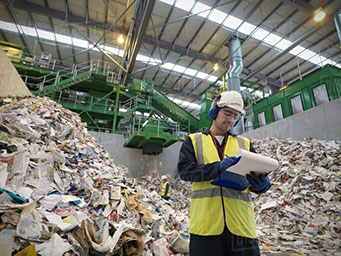
When it comes to maintaining a clean, sustainable, and environmentally friendly community, waste management allentown pa plays a pivotal role. Proper waste handling isn’t just about keeping the streets tidy; it impacts public health, local ecosystems, and economic sustainability. This comprehensive guide explores innovative practices, challenges, and solutions for effective waste management in Allentown, Pennsylvania.
| For commercial landfill-free waste, recycling and product destruction services, including sorting, baling, shredding and compaction equipment, or to explore revenue from your recycling, contact Integrity Recycling Waste Solutions at (866) 651-4797. |
Understanding Waste Management in Allentown PA – The Foundations of a Greener Community
Waste management in Allentown PA is a critical aspect of urban development that necessitates careful planning, community involvement, and sustainable practices. Developing an effective waste system ensures that waste is properly collected, processed, and minimized, reducing the environmental footprint and enhancing residents’ quality of life.
Waste management allentown pa encompasses various activities—from residential trash collection to industrial waste disposal—aimed at creating a balanced approach that benefits the environment and local economy. This section delves into the origins, current landscape, and overarching strategies that define waste management in the city.
The Historical Evolution of Waste Management in Allentown
Historically, Allentown’s waste management was centralized around simple collection methods with minimal recycling efforts. As the city expanded and populations grew, so did the complexity of managing waste effectively.
Understanding this evolution provides insight into current practices and future directions. Early methods involved basic trash pick-ups, often resulting in overflowing dumpsters and unregulated waste dumping, which posed health hazards and environmental risks.
In the 20th century, the city began implementing organized waste collection programs, including establishing landfills and recycling centers. These steps marked crucial milestones towards a more sustainable approach, aligning with national trends to decrease landfill dependence and promote resource recovery.
Today, Allentown continues to evolve its waste management policies, integrating revolutionary technologies and community-driven initiatives to foster ecological integrity and urban livability.
Current Waste Management Framework and Policy in Allentown
The contemporary waste management system in Allentown PA is governed by city ordinances, federal regulations, and environmental policies aimed at maximizing efficiency and sustainability. Local authorities collaborate with private waste haulers, non-profit organizations, and residents to maintain an effective waste cycle.
The framework emphasizes three core pillars:
- Waste reduction and source separation
- Recycling and composting
- Safe disposal of non-recyclable waste
These components work together to minimize landfill burden and promote resource reutilization. The City of Allentown has also adopted policies that incentivize residents and businesses to reduce waste output through educational programs and sustainability grants.
An optimal system involves transparent communication, accessible services, and ongoing infrastructure investments, ensuring equitable waste management for all community sectors.
Challenges and Opportunities for Improvements
Despite strides made, Allentown faces ongoing challenges, including increasing waste volume, contamination in recycling streams, and limited landfill capacity. Addressing these problems offers opportunities for significant environmental and economic gains.
One emerging opportunity is the adoption of smart waste management technologies, such as sensor-enabled bins that monitor fill levels and optimize collection routes, reducing fuel consumption and operating costs. Additionally, expanding composting programs for organic waste can significantly decrease landfill contributions.
Community engagement remains vital; fostering a culture of waste reduction through education enhances participation and compliance. The city’s collaboration with local schools, businesses, and residents can cultivate a collective responsibility towards waste sustainability.
| For commercial landfill-free waste, recycling and product destruction services, including sorting, baling, shredding and compaction equipment, or to explore revenue from your recycling, contact Integrity Recycling Waste Solutions at (866) 651-4797. |
Innovative Waste Management Practices – Leading Allentown Toward Zero Waste Goals
The future of waste management in Allentown PA hinges on embracing advanced and innovative strategies. These practices not only improve efficiency but also align with global sustainability trends to achieve zero waste objectives. Technological integrations, community involvement, and policy reforms are at the forefront of this movement.
Implementing innovative practices requires a comprehensive understanding of current limitations and an openness to novel solutions. This section explores successful methodologies and groundbreaking initiatives that have the potential to redefine waste management in Allentown.
Technology-Driven Waste Management Solutions
Technology has revolutionized waste management by enabling smarter, more efficient systems. In Allentown, deploying such solutions could drastically reduce operational costs and environmental impact.
Smart bins with sensor technology provide real-time data on waste levels, enabling collection teams to optimize routes and prevent overflow. Data analytics help predict waste growth patterns, assisting city planners in strategic infrastructure development.
Furthermore, automated sorting facilities using artificial intelligence improve recycling accuracy, ensuring cleaner streams of recyclables and reducing contamination. Drones and remote sensing technologies can monitor illegal dumping sites, facilitating prompt enforcement actions.
Adopting these advancements requires initial investments but offers long-term savings and environmental benefits. Moreover, integrating these solutions into community programs fosters transparency and citizen participation.
Community-Based Waste Reduction Initiatives
Engaged communities can significantly influence waste management outcomes through educational and participatory programs. Allentown has the opportunity to expand existing efforts and introduce new initiatives that promote waste reduction at the household and commercial levels.
Educational campaigns on recycling best practices, composting, and reducing single-use plastics are essential. Workshops, school programs, and social media campaigns cultivate environmental awareness and responsibility.
Community composting projects, where residents collectively compost organic waste, can divert tons of waste annually from landfills. These programs also build social cohesion and promote local food production.
Partnerships with local businesses can foster sustainable practices, such as reusable packaging and waste audits. Incentive programs like discounts for customers who bring reusable containers encourage eco-friendly behaviors.
Policy Reforms and Incentives for Sustainable Waste Management
Effective policy reforms can accelerate the adoption of sustainable practices across Allentown. Enacting regulations that require businesses to implement recycling systems or limit plastic use can have profound impacts.
Incentive schemes, including tax reductions for companies practicing waste minimization or grants for startups innovating waste technology, stimulate ecological entrepreneurship. Payment-for-ecosystem-services programs incentivize residents to participate in composting and waste reduction efforts.
Additionally, zoning laws can support the development of waste treatment facilities, recycling centers, and renewable energy projects utilizing waste biomass.
Long-term planning must include setting ambitious yet attainable goals, establishing clear monitoring frameworks, and fostering stakeholder collaboration across public and private sectors.
| For commercial landfill-free waste, recycling and product destruction services, including sorting, baling, shredding and compaction equipment, or to explore revenue from your recycling, contact Integrity Recycling Waste Solutions at (866) 651-4797. |
Environmental and Economic Benefits of Effective Waste Management in Allentown
Implementing and maintaining efficient waste management strategies in Allentown PA yields profound environmental and economic advantages, creating a sustainable community that harmonizes human activity with nature’s ecosystems.
Integrating comprehensive waste programs reduces greenhouse gas emissions, conserves natural resources, and mitigates pollution. Concurrently, these practices generate economic opportunities, including job creation, technological innovation, and cost savings.
This section examines the broad impacts of sustainable waste management, illustrating how Allentown can serve as a model city for environmentally responsible urban living.
Environmental Impact and Climate Change Mitigation
Waste management significantly influences environmental health and climate stability. Proper handling reduces the amount of waste sent to landfills, which are prevalent sources of methane—a potent greenhouse gas.
Recycling and composting lower energy consumption associated with raw material extraction and processing. For instance, diverting organic waste reduces methane emissions, while recycling metals conserves energy compared to virgin ore extraction.
Furthermore, environmentally sound disposal prevents soil and water contamination, protecting local biodiversity and public health. Innovative waste-to-energy conversion processes can generate power while reducing waste volumes.
Community members’ engagement in waste reduction practices amplifies these benefits. Education on climate-friendly waste habits fosters long-term environmental stewardship, positioning Allentown as a responsible city committed to combating climate change.
Economic Growth Through Sustainable Waste Practices
Transitioning to sustainable waste management creates numerous economic opportunities. The development of recycling facilities, composting centers, and waste processing plants can generate employment for local residents.
Incentives for businesses to adopt eco-efficient practices stimulate green innovation and attract environmentally conscious investments. Additionally, waste reduction lowers the cost burden on municipal budgets for waste collection and disposal.
An environmentally focused waste system can also boost local markets for recycled materials, fostering entrepreneurship and supporting small businesses. For example, recycled products markets—like construction materials made from reclaimed waste—present new commercial avenues.
Public-private partnerships and grants further incentivize sustainable waste initiatives, contributing to a resilient economy that aligns with ecological goals.
Cost Savings and Urban Quality of Life Improvements
Investing in efficient waste management reduces operational costs for municipalities over the long term. Smart collection systems with data analytics minimize unnecessary trips, cutting fuel consumption and vehicle maintenance costs.
Improved waste collection and disposal practices directly enhance urban aesthetics, cleanliness, and public health. Cleaner neighborhoods foster community pride, attract tourism, and encourage outdoor activities.
Enhanced waste diversion programs also extend the lifespan of landfills, delaying costly expansions or new facility developments. This sustainable approach translates into tangible savings and a better quality of life for residents.
| For commercial landfill-free waste, recycling and product destruction services, including sorting, baling, shredding and compaction equipment, or to explore revenue from your recycling, contact Integrity Recycling Waste Solutions at (866) 651-4797. |
FAQ on Waste Management in Allentown PA
What are the primary waste disposal options in Allentown PA?
In Allentown, residents and businesses primarily rely on curbside collection for trash, recycling, and organics, along with designated drop-off centers for bulk waste and hazardous materials. The city also promotes composting and waste reduction initiatives.
How does Allentown encourage residents to participate in waste reduction?
The city runs educational campaigns, community workshops, and provides resources such as reusable bags and compost bins. Incentive programs like discounts for using reusable containers further motivate eco-friendly habits.
What innovative technologies are being considered for Allentown’s waste management?
Smart sensors for waste bins, AI-powered recycling sorting, and waste-to-energy systems are under review to enhance efficiency, reduce costs, and minimize environmental impact.
Are there legal regulations that govern waste management practices in Allentown?
Yes, city ordinances and state laws set guidelines for waste disposal, recycling standards, and hazardous waste handling. Compliance is enforced through permits, inspections, and community outreach.
How can businesses contribute to Allentown’s waste management goals?
Businesses can implement waste audits, adopt sustainable packaging, participate in recycling programs, and collaborate with waste management providers to reduce waste footprint.
Conclusion
Waste management allentown pa is a vital component of creating a sustainable, healthy, and economically thriving community. Through embracing technological innovations, fostering community participation, and enacting progressive policies, Allentown is well-positioned to advance toward zero waste goals. The ongoing efforts not only benefit the environment but also enhance urban livability and economic resilience. As the city continues to innovate and engage its residents, it sets a powerful example of responsible stewardship that other municipalities can emulate.
| For commercial landfill-free waste, recycling and product destruction services, including sorting, baling, shredding and compaction equipment, or to explore revenue from your recycling, contact Integrity Recycling Waste Solutions at (866) 651-4797. |