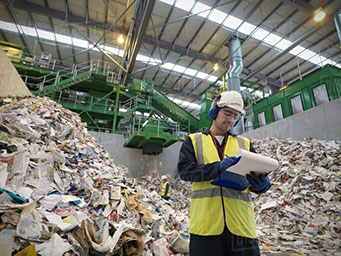
| For landfill-free waste, recycling and product destruction services, including sorting, baling, shredding and compaction equipment, or to explore earning money from your recycling, contact Integrity Recycling Waste Solutions at (866) 651-4797. |
Beverage destruction is a critical element in waste management that addresses the disposal of surplus or expired beverages. This practice ensures compliance with health and safety regulations, while also mitigating environmental impacts.
Introduction to Beverage Destruction: Necessity and Scope
The process of beverage destruction isn’t merely a matter of throwing away unwanted products; it’s a comprehensive system designed to safeguard public health, protect the environment, and comply with legal standards. As global consumption increases, so does the volume of beverages that reach their expiration dates or become unsellable. Understanding the need for beverage destruction brings us closer to grasping its significance in today’s economy.
The scope of beverage destruction encompasses several factors, including regulatory requirements, market dynamics, and ecological considerations. It’s crucial to evaluate how these elements interact to form a holistic approach to beverage waste management.
The Importance of Beverage Destruction
Beverage destruction serves multiple purposes, from ensuring food safety to promoting sustainability. Firstly, expired or spoiled beverages can pose serious health risks if consumed. Ensuring that such products are properly disposed of protects consumers and upholds the integrity of the beverage industry.
Moreover, beverage destruction plays an essential role in responsible production practices. Many companies are now adopting policies aimed at reducing waste and implementing environmentally friendly solutions. By managing excess inventory through destruction, they not only avoid potential liability but also pave the way for a more sustainable future.
Regulatory Compliance and Beverage Destruction
Different countries have specific laws governing the disposal of beverages. These regulations aim to ensure safe drinking conditions and minimize environmental harm. Businesses engaged in beverage production and distribution must familiarize themselves with these laws to avoid hefty fines and legal repercussions.
Compliance with these regulations often dictates how businesses manage their surplus stock. For example, some jurisdictions mandate that the destruction of alcoholic beverages be supervised by authorized personnel. This ensures that the process adheres to local safety protocols while maintaining transparency in the industry.
Impact on Corporate Social Responsibility
In recent years, there has been a growing emphasis on corporate social responsibility (CSR) among beverage manufacturers. Companies that actively engage in responsible beverage destruction practices demonstrate their commitment to ethical operations and environmental stewardship.
By investing in sustainable destruction methods, businesses not only contribute positively to society but also enhance their brand reputation. Consumers today are increasingly conscious of where their products come from and how they are disposed of. Thus, showcasing a dedication to proper beverage destruction can lead to customer loyalty and trust.
Regulatory Framework Governing Beverage Disposal and Destruction
Navigating the landscape of regulations surrounding beverage destruction can be complex. Various agencies enforce rules to maintain consumer safety and environmental integrity. Understanding these frameworks is essential for any business involved in beverage production or distribution.
Regulations can vary significantly depending on the type of beverage, its ingredients, and the country in which it is produced. Therefore, businesses must stay informed about applicable laws to ensure compliance.
National Regulations Affecting Beverage Destruction
Each country has its own set of rules governing the destruction of beverages. In the United States, the Alcohol and Tobacco Tax and Trade Bureau (TTB) oversees the destruction of alcoholic beverages, ensuring that it complies with federal laws. Additionally, the Environmental Protection Agency (EPA) sets guidelines regarding waste disposal and environmental safety.
In contrast, European Union regulations focus on the circular economy and waste hierarchy principle, prioritizing prevention and reduction over mere disposal. This framework encourages manufacturers to consider sustainability in their operations, including beverage destruction.
Industry-Specific Guidelines
Apart from national regulations, various industries may follow specific guidelines for beverage destruction. For instance, the Food and Drug Administration (FDA) establishes stringent requirements for the disposal of perishable items, including juices and dairy-based drinks.
These guidelines help businesses understand best practices for safely destroying products that could pose health risks if incorrectly handled. Companies should develop internal protocols aligned with these industry-specific regulations to mitigate risks effectively.
Local Government Policies
At the municipal level, local governments may enforce additional regulations concerning beverage waste. These policies can range from waste disposal permits to restrictions on certain disposal methods. Local authorities often conduct inspections to ensure compliance with these regulations.
Businesses need to collaborate with local waste management agencies to understand the requirements affecting their operations. Establishing a good relationship with these organizations can facilitate smoother beverage destruction processes and foster community support.
Methods of Beverage Destruction
Choosing the appropriate method for beverage destruction is paramount. The method selected should align with regulatory requirements while considering environmental impact and cost-effectiveness. Various techniques have emerged to address these needs.
Each method has its pros and cons, making it important for decision-makers to evaluate all aspects before proceeding.
Physical Destruction Techniques
One of the most straightforward methods for beverage destruction involves physical means. This can include crushing or incinerating the beverages, rendering them completely unusable.
Crushing provides a quick and efficient solution, particularly for carbonated beverages. This method reduces the volume of waste, allowing for easier transportation to landfills or recycling facilities. However, care must be taken to contain potential leakage during this process.
On the other hand, incineration converts beverages into energy through combustion. While this method reduces waste volume significantly, it raises concerns regarding air pollution and emissions. It is imperative for businesses employing this method to utilize state-of-the-art technology to minimize environmental impact.
Chemical Methods
Chemical destruction methods involve treating beverages with substances that neutralize harmful components. This approach is often used for beverages containing hazardous ingredients, such as certain soft drinks or alcoholic beverages.
Neutralization processes transform toxic compounds into less harmful substances, facilitating safe disposal. However, businesses must ensure that the chemicals used comply with regulatory standards, and adequate safety measures are in place during application.
Biological Methods
Biological destruction methods harness natural processes to break down beverages. This includes using microorganisms to decompose organic materials, typically employed in composting or anaerobic digestion.
These eco-friendly techniques are gaining traction due to their low environmental impact. They convert waste into valuable resources like biogas or compost. However, biological methods require time and careful monitoring to ensure efficiency and effectiveness.
Table: Comparison of Beverage Destruction Methods
| Method | Advantages | Disadvantages |
|---|---|---|
| Physical Destruction | Quick; reduces waste volume | Potential leakage; air pollution |
| Chemical Methods | Neutralizes harmful ingredients | Safety concerns; regulatory compliance required |
| Biological Methods | Eco-friendly; produces reusable resources | Time-consuming; requires monitoring |
Environmental Considerations and Sustainability in Beverage Disposal
As awareness of climate change and environmental degradation grows, sustainability considerations in beverage destruction have become increasingly urgent. Businesses are under pressure to adopt environmentally friendly practices, resulting in a shift towards more sustainable destruction methods.
Understanding the environmental implications of beverage destruction is vital for creating a greener future.
The Carbon Footprint of Beverage Destruction
Every method of beverage destruction carries a carbon footprint, influencing overall environmental health. Traditional methods like incineration generate greenhouse gases, contributing to global warming. Hence, there is a pressing need for alternatives that minimize carbon emissions.
Opting for biological methods, such as composting, can vastly reduce a company’s carbon footprint. Utilizing natural processes instead of industrial methods enables businesses to contribute positively to their communities and ecosystems.
Waste Management Hierarchy
Incorporating the waste management hierarchy into beverage destruction strategy can optimize sustainability efforts. This hierarchy prioritizes waste prevention, reduction, reuse, recycling, and ultimately, disposal.
Companies should strive to reduce the amount of product reaching the destruction phase by enhancing inventory management and forecasting demand. This proactive approach minimizes waste and aligns with sustainable development goals.
Innovation in Sustainable Destruction Practices
Innovative technologies are emerging that enable more sustainable beverage destruction. For instance, advanced anaerobic digestion methods can turn beverage waste into biogas, providing renewable energy sources.
Additionally, partnerships with organizations focused on sustainability can yield creative solutions. Collaborating with local farms to repurpose expired beverages as animal feed can reduce waste while supporting regional agriculture.
Economic Impacts of Beverage Destruction
While beverage destruction aligns with regulatory and environmental goals, it also has significant economic ramifications. The costs associated with destruction methods, potential legal liabilities, and opportunities for recovery can substantially affect a company’s financial landscape.
Understanding the economic aspects of beverage destruction can guide businesses toward more strategic decisions.
Direct Costs of Beverage Destruction
The immediate expenses related to beverage destruction can accumulate quickly. Costs may include labor, transportation, waste disposal fees, and equipment needed for destruction. Businesses must budget effectively to account for these costs, which can strain financial resources.
Despite the challenges, an investment in proper beverage destruction can yield long-term savings by avoiding fines and protecting brand integrity. Failing to comply with regulations can result in legal issues that may eclipse the expenditures associated with proper disposal.
Opportunities for Recovery
Rather than viewing beverage destruction solely as a burden, forward-thinking companies recognize opportunities for recovery. Some beverages may still possess value, either as raw materials or through secondary markets.
For example, unsold craft beer can be repurposed into vinegar or used in cooking. Similarly, expired soft drinks might find use as cleaning agents or in distillation processes for biofuels. By tapping into these alternative revenue streams, businesses can offset destruction costs while reinforcing their commitment to sustainability.
Long-Term Economic Benefits
Investing in sustainable beverage destruction practices not only enhances a company’s reputation but also positions it for long-term viability in an increasingly eco-conscious marketplace. Organizations showcasing effective waste management strategies attract environmentally aware consumers and partners who prioritize sustainability.
By embracing innovative destruction methods, businesses can position themselves as leaders in their industry, reaping both reputational and financial rewards.
Best Practices for Beverage Destruction: A Comprehensive Guide
Implementing best practices in beverage destruction is critical for businesses seeking to balance compliance, sustainability, and economic feasibility. Developing a structured approach allows organizations to navigate the complexities of beverage destruction more efficiently.
Here are essential strategies for effective beverage destruction.
Develop a Clear Policy
Establishing a comprehensive policy around beverage destruction is the first step toward professionalizing the process. This policy should encompass compliance with local and national regulations, outline specific destruction methods, and delineate responsibilities among employees.
Regularly reviewing and updating this policy ensures that it remains relevant as regulations evolve and new technologies emerge. Employees should also receive training to familiarize themselves with the policy and its practical implications.
Collaborate with Experts
Seeking guidance from industry experts can provide valuable insights into best practices for beverage destruction. Collaborating with consultants or organizations specializing in waste management can yield innovative solutions tailored to a company’s specific needs.
Engaging with local waste management agencies can also facilitate compliance while enhancing operational efficiency. These professionals can offer assistance with navigating regulations and identifying cost-effective disposal methods.
Monitor and Measure Effectiveness
Monitoring beverage destruction practices is crucial for evaluating performance and identifying areas for improvement. Implementing key performance indicators (KPIs) enables businesses to gauge the efficacy of their destruction strategies.
Metrics such as waste volume, disposal costs, and the ratio of products recycled versus destroyed can offer insight into operational efficiency. Continuous measurement fosters a culture of accountability and encourages ongoing optimization of destruction practices.
Foster a Culture of Sustainability
Creating a culture of sustainability within an organization can amplify the effectiveness of beverage destruction practices. Encouraging employees to embrace eco-friendly principles fosters a sense of ownership and responsibility.
Implementing initiatives such as company-wide recycling programs or educational workshops can engage staff members and reinforce organizational values. When employees understand the importance of responsible beverage destruction, they are more likely to contribute positively to the company’s sustainability goals.
Conclusion
The complexities surrounding beverage destruction extend far beyond mere disposal. From navigating regulatory frameworks to addressing environmental impacts and economic considerations, the multifaceted nature of beverage destruction presents both challenges and opportunities. By adopting best practices and embracing innovative methods, businesses can create a sustainable approach that not only meets compliance requirements but also contributes positively to their reputation and bottom line. Ultimately, understanding the significance of beverage destruction paves the way for a more responsible and sustainable future in the beverage industry.
| For landfill-free waste, recycling and product destruction services, including sorting, baling, shredding and compaction equipment, or to explore earning money from your recycling, contact Integrity Recycling Waste Solutions at (866) 651-4797. |