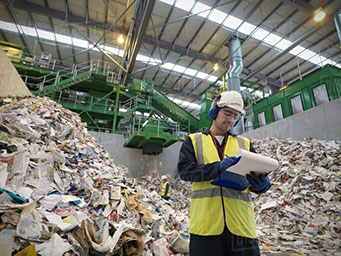
| For landfill-free waste, recycling and product destruction services, including sorting, baling, shredding and compaction equipment, or to explore earning money from your recycling, contact Integrity Recycling Waste Solutions at (866) 651-4797. |
Pharmaceutical product destruction is a critical aspect of healthcare and pharmaceutical industries. Proper disposal of pharmaceutical waste is not only a matter of compliance but also essential for public health and environmental safety. In this blog post, we will delve deeply into the various facets surrounding the destruction of pharmaceutical products.
The Importance of Compliant Pharmaceutical Product Destruction
In the realm of healthcare, the disposal of unused or expired medications is often overlooked, yet it plays a vital role in protecting community health, environmental integrity, and regulatory compliance. The focus of this section is to emphasize why engaging in compliant pharmaceutical product destruction is indispensable for all stakeholders involved in the production, distribution, and consumption of pharmaceuticals.
Protecting Public Health
Every year, thousands of patients unknowingly consume expired or improperly stored medications, leading to adverse effects and diminishing public trust in healthcare systems. By ensuring that pharmaceutical products are destroyed accurately and securely, healthcare providers not only minimize the risk of accidental consumption of harmful substances but also tackle the broader issue of drug abuse and environment-related health hazards.
Moreover, controlled substances pose an additional level of danger. For instance, the prevalence of opioid medications in community settings amplifies the risk of addiction, especially if these substances are not disposed of properly. By adhering to strict destruction protocols, the healthcare industry can significantly decrease the likelihood of prescription medication misuse.
Compliance with Regulations
When it comes to disposal protocols, adherence to established regulations is of utmost importance. Regulatory bodies, such as the Environmental Protection Agency (EPA) and the Drug Enforcement Administration (DEA), set forth strict guidelines governing the destruction of pharmaceutical products.
Failure to comply with these regulations can lead to severe penalties, including fines and legal action against entities that overlook proper disposal practices. Organizations are required to undertake assessments and implement systems that align with these guidelines, underscoring the significance of having robust procedures for pharmaceutical product destruction.
Environmental Responsibility
Environmental sustainability is becoming increasingly relevant in today’s healthcare landscape. Improper disposal of pharmaceutical products can lead to environmental contamination, affecting soil, water sources, and even wildlife. Heavy metals, antibiotics, and other chemicals can harm ecosystems, leading to long-term ecological damage.
By embracing compliant pharmaceutical product destruction methods, the healthcare sector can contribute to a healthier planet. Organizations should be proactive in seeking environmentally friendly disposal solutions, such as incineration or advanced technologies aimed at minimizing environmental impact.
Regulatory Framework for Pharmaceutical Waste Disposal
The regulatory framework for pharmaceutical waste disposal is complex and multi-faceted. Various laws and guidelines govern how pharmaceutical products should be managed throughout their lifecycle, from production to disposal. Understanding these regulations is essential for ensuring compliance.
Overview of Key Regulations
Multiple regulations exist on both federal and state levels governing pharmaceutical waste. At the federal level, regulations set forth by the DEA, EPA, and Occupational Safety and Health Administration (OSHA) highlight specific requirements for pharmaceutical waste management.
The DEA’s regulations primarily focus on controlled substances and the methods of destruction that pharmacies, hospitals, and other healthcare facilities must follow. The EPA oversees the environmental aspects of pharmaceutical waste, ensuring that the disposal methods do not lead to environmental hazards.
Each state may implement additional guidelines, which can vary significantly. Organizations should familiarize themselves with both state-specific laws and federal regulations to establish a comprehensive understanding of the legal framework surrounding pharmaceutical product destruction.
Compliance Documentation
Compliance documentation plays a pivotal role in adhering to regulatory requirements. Properly maintaining records of disposal procedures, including waste manifest documents and destruction certificates, is essential.
This documentation serves as proof that organizations have followed the protocols in place and conducted pharmaceutical product destruction in accordance with regulatory mandates. Failing to keep meticulous records can expose organizations to legal repercussions and damages to their reputation.
Audits and Inspections
Regular audits and inspections are vital for ensuring compliance with pharmaceutical disposal regulations. Many organizations engage third-party services or internal auditors to assess their destruction practices and identify areas for improvement.
During these audits, organizations can duplicate their processes, verify that all procedures align with industry standards, and measure their compliance against state and federal regulations. These evaluations not only help in identifying gaps in destruction protocols but also promote continuous improvement in pharmaceutical product management.
Methods and Technologies for Secure Pharmaceutical Destruction
As the demand for effective destruction methods increases, pharmaceutical companies and healthcare institutions are investing in advanced technologies and systems to ensure secure and compliant destruction of pharmaceutical products. This section explores various methods and technologies available for achieving secure pharmaceutical product destruction.
Incineration
Among the most widely used methods for pharmaceutical product destruction is incineration. This process involves burning pharmaceuticals at high temperatures, resulting in complete destruction of the active ingredients.
One of the key advantages of incineration is its capability to reduce pharmaceutical waste volume significantly. Moreover, the emissions resulting from incineration can be captured and treated, minimizing atmospheric pollution. However, incineration must be done in specialized, regulated facilities to ensure compliance with environmental standards.
Despite its efficacy, incineration poses challenges regarding public perception, as communities may resist the establishment of such facilities due to concerns about emissions and health risks. Additionally, costs associated with incineration can be quite high, which may deter some organizations from pursuing it as the primary method of pharmaceutical waste disposal.
Chemical Destruction
Chemical destruction is another carefully regulated method for the disposal of certain pharmaceutical products. This process involves using chemical agents to neutralize pharmaceutical compounds, rendering them inactive and safe for disposal.
Chemical destruction can be particularly effective for high-risk drugs and controlled substances, as it targets and breaks down hazardous components while promoting safety. However, the process requires comprehensive knowledge of both chemicals and compounds involved, making it essential to have trained personnel oversee the protocol.
While effective, chemical destruction requires stringent adherence to safety protocols to prevent chemical accidents and environmental contamination. Additionally, improper chemical management can lead to regulatory violations and significant penalties.
Mechanized Shredding
An emerging trend in pharmaceutical destruction is mechanized shredding. This method involves using specialized shredding machines to physically grind pharmaceuticals into smaller pieces, making the products unrecognizable and unusable.
The benefits of mechanized shredding include versatility and efficient waste volume reduction. Shredded pharmaceuticals can then be safely incinerated or disposed of in landfills, depending on the organization’s disposal policy.
Nevertheless, this method often requires follow-up processing, such as incineration, to ensure complete destruction of the pharmaceuticals. As with other methods of pharmaceutical product destruction, adherence to safety and environmental standards is paramount.
Environmental Impact of Improper Pharmaceutical Disposal
As the global community becomes increasingly aware and vocal about environmental concerns and sustainable practices, the impact of pharmaceutical waste on the environment must be considered thoughtfully. Improper disposal of pharmaceuticals can have dire consequences not only for human health but also for entire ecosystems.
Groundwater Contamination
One of the most significant environmental risks associated with improper pharmaceutical disposal is groundwater contamination. Pharmaceuticals that are improperly discarded—such as being flushed down toilets or thrown into landfills—can leach into groundwater supplies.
Research has shown that trace amounts of pharmaceuticals can be detected in drinking water sources, raising concerns about long-term exposure to these contaminants. The presence of active compounds in drinking water can lead to various health issues, including hormone disruption and antibiotic resistance.
Preventative measures must be taken to mitigate these risks, including public awareness campaigns that educate the community on proper disposal methods and emphasizing the importance of returning unused medications to designated collection sites.
Effect on Wildlife
Pharmaceuticals do not only pose risks to human health; they also negatively impact ecosystems and wildlife. Aquatic species are particularly vulnerable to pharmaceutical pollution, as they can be exposed to traces of medications in their habitats.
For instance, the presence of hormones and endocrine-disrupting compounds can affect reproduction and growth rates in fish populations. Additionally, the introduction of antibiotics into aquatic environments can lead to the emergence of antibiotic-resistant strains of bacteria, further jeopardizing public health and environmental integrity.
The consequences of pharmaceutical pollution on wildlife highlight the urgent need for comprehensive pharmaceutical product destruction programs to protect ecosystems and promote sustainable practices in waste management.
Air Quality Concerns
While water and soil contamination receive considerable attention, the implications of improper pharmaceutical disposal on air quality are often overlooked. Incineration of pharmaceuticals, performed incorrectly or at insufficient temperatures, can lead to the emission of harmful pollutants into the atmosphere.
These emissions can contribute to various air quality issues, including smog formation and respiratory problems in nearby communities. Healthcare organizations must ensure that incineration practices adhere to stringent environmental standards to minimize any adverse effects on air quality while employing waste destruction methods.
Best Practices for Pharmaceutical Product Destruction Programs
Successful implementation of a pharmaceutical product destruction program requires adherence to best practices that ensure compliance, safety, and environmental responsibility. The following strategies can help organizations establish effective destruction protocols.
Comprehensive Training and Education
Training and education are paramount for ensuring staff members understand the importance of pharmaceutical product destruction and the protocols in place for achieving compliance. Regularly scheduled training programs should address key issues related to waste management, relevant regulations, and the ecological impact of pharmaceutical pollution.
Additionally, staff should be educated on cooperative efforts, including community engagement initiatives aimed at raising public awareness about proper disposal methods. Comprehensive training helps create accountability and aligns the entire organization with its sustainable waste management goals.
Collaboration with Regulatory Bodies
Collaborating with regulatory bodies is essential for staying current on the evolving standards for pharmaceutical disposal. Healthcare organizations should maintain open lines of communication with agencies like the DEA and EPA to ensure their destruction practices align with compliance requirements.
Furthermore, industry associations and professional organizations may provide valuable resources, training, and support to help organizations navigate complicated regulation landscapes effectively. By staying informed and engaged with regulatory developments, organizations can adapt their practices accordingly.
Regular Review and Assessment
Regularly reviewing and assessing the destruction program is crucial to ensure compliance and continuous improvement. Management should perform periodic audits of pharmaceutical destruction practices to identify areas that require enhancement.
This evaluation process can involve measuring compliance with regulations, assessing employee knowledge, and ensuring safety protocols are being followed effectively. Regular reviews not only streamline the destruction process but also foster a culture of accountability and transparency.
Choosing a Pharmaceutical Waste Disposal Partner: Key Considerations
Selecting the right pharmaceutical waste disposal partner is a critical decision for any organization. The partnership directly affects compliance, efficiency, and environmental impact, making it essential to choose a provider that aligns with the organization’s goals and values.
Assessing Experience and Certifications
Organizations should prioritize waste disposal partners with a proven track record in pharmaceutical waste management. Certifications from regulatory bodies serve as vital indicators of a partner’s competency and commitment to compliance.
Additionally, considering the experience of potential partners with similar healthcare organizations can be immensely beneficial. This relevant experience can provide insights into best practices, tools, and technologies that can enhance disposal efficiency and lay the groundwork for collaboration.
Evaluating Waste Management Technologies
Enterprises should evaluate the technologies and methods employed by potential disposal partners. Choosing a provider that employs environmentally responsible and compliant destruction practices can foster relationships centered around sustainability and ethical disposal.
Confirming the provider’s certifications and adherence to regulations ensures that they utilize the best available technologies, minimizing the environmental footprint associated with pharmaceutical product destruction.
Transparency and Communication
Transparency and communication are essential factors when choosing a pharmaceutical waste disposal partner. Organizations should establish open lines of communication to discuss concerns, expectations, and feedback.
Reviewing contracts and service agreements for clarity on responsibilities and practices is also important. Additionally, ensuring that disposal partners have a proactive approach to sharing information regarding compliance, regulatory changes, and operational improvements can significantly benefit the collaboration.
Conclusion
In summary, pharmaceutical product destruction is a critical aspect of healthcare that has significant implications for public health, environmental safety, and regulatory compliance. Engaging in compliant destruction practices is essential in promoting safety, protecting ecosystems, and supporting community well-being. By understanding the regulatory landscape, utilizing secure destruction methods, and choosing the right disposal partner, organizations can enhance their pharmaceutical waste management strategies while advocating for sustainable practices and societal responsibility. Whether through incineration, chemical processing, or mechanized shredding, effective pharmaceutical product destruction is central to preserving the integrity of both human health and the planet.
| For landfill-free waste, recycling and product destruction services, including sorting, baling, shredding and compaction equipment, or to explore earning money from your recycling, contact Integrity Recycling Waste Solutions at (866) 651-4797. |