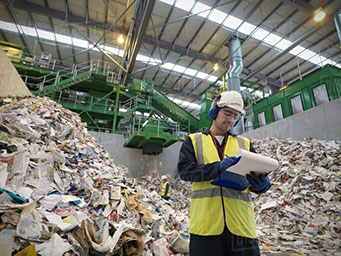
| For landfill-free waste, recycling and product destruction services, including sorting, baling, shredding and compaction equipment, or to explore earning money from your recycling, contact Integrity Recycling Waste Solutions at (866) 651-4797. |
In today’s data-driven world, product shredding has evolved into an essential aspect of business operations. Companies not only need to secure their sensitive information but also ensure that obsolete products are disposed of responsibly and sustainably. This comprehensive guide will delve deep into the various facets of product shredding, emphasizing its importance and the advantages of utilizing professional services.
Understanding Product Shredding: A Comprehensive Guide
Product shredding refers to the process of physically destroying products, materials, or documents that are no longer needed or are considered sensitive. This procedure ensures that confidential information is rendered unreadable and unrecognizable, safeguarding against potential data breaches or misuse. While it is often associated with document destruction, product shredding extends to a variety of items, including hard drives, outdated inventory, and electronic devices.
What is Product Shredding?
At its core, product shredding encompasses a series of methods used to obliterate products into smaller pieces. This process significantly diminishes the risk of information theft and helps businesses comply with legal requirements regarding data protection.
Shredding can occur in different forms:
- Document Shredding: This involves the destruction of paper documents containing sensitive information, such as financial records, client details, and proprietary data.
- Electronic Media Shredding: This type focuses on obliterating electronic devices, such as hard drives and USB drives, ensuring that all data stored is permanently destroyed.
- Product Destruction: Beyond documents and electronics, this includes the disposal of obsolete or non-compliant products, which must be shredded to prevent them from entering the market again.
The method of shredding can vary based on the material being destroyed and the level of security required by the organization.
Why Do Businesses Need Product Shredding?
Businesses face several pressures—including regulatory compliance, protecting customer privacy, and environmental concerns—that necessitate effective product shredding practices.
- Data Protection: The rise of identity theft and cybercrime has made securing sensitive information more critical than ever. By utilizing product shredding services, companies can mitigate threats linked to data leaks and protect their reputations.
- Regulatory Compliance: Many industries have regulations that demand proper disposal of sensitive information. Non-compliance can result in heavy fines and legal repercussions, making professional product shredding an essential service.
- Environmental Responsibility: With increased awareness around sustainability, businesses must prioritize environmentally responsible disposal methods. Shredded products can often be recycled, reducing waste and promoting a circular economy.
Understanding these fundamentals positions organizations to make informed decisions about utilizing product shredding services.
The Benefits of Professional Product Shredding Services
Utilizing professional product shredding services comes with a plethora of benefits that go beyond mere convenience. These benefits range from peace of mind to significant cost savings and enhanced corporate responsibility.
Enhanced Security Measures
When employing a professional shredding service, businesses can rest assured that their sensitive information is handled securely.
- Trained Personnel: Professional shredding companies employ teams that are specifically trained in secure handling and destruction of sensitive materials. This expertise minimizes the risk of human error during the shredding process.
- Secure Facilities: Most reputable shredding providers have secure facilities equipped with advanced technology designed to safely destroy materials without compromising security.
- Chain of Custody Procedures: Reputable shredding services maintain strict chain of custody protocols, ensuring that sensitive items are monitored throughout the entire shredding process.
These enhanced security measures contribute to a lower risk of data breaches, reinforcing the importance of hiring professionals for product shredding needs.
Convenience and Time-Saving
Outsourcing product shredding services allows businesses to focus on their core operations rather than divert resources toward shredding efforts.
- Scheduled Services: Professional shredders offer flexible scheduling options tailored to fit a company’s needs—whether one-time or recurring pickups. This flexibility allows businesses to manage their time efficiently.
- On-Site vs. Off-Site Shredding: Depending on the company’s preferences, shredding can occur either on-site (at the company’s location) or off-site (at the shredding provider’s facility). On-site shredding provides immediate visual confirmation of destruction, while off-site shredding can handle larger volumes.
- Reduced Liability: By outsourcing shredding, businesses minimize their liability regarding data theft and unauthorized access, thereby enhancing their overall risk management strategy.
Cost-Effectiveness of Professional Shredding
Investing in professional product shredding services can yield long-term cost savings for businesses.
- Elimination of Equipment Costs: Purchasing and maintaining shredding equipment can be costly for businesses, especially small-to-medium-sized enterprises. Utilizing a professional service eliminates these expenses.
- Labor Savings: Outsourcing product shredding allows internal staff to focus on their primary roles, leading to increased productivity and efficiency within the organization.
- Potential Tax Deductions: In some cases, businesses may qualify for tax deductions related to environmentally friendly practices, further enhancing the financial benefits of using shredding services.
In summary, the multifaceted benefits of professional product shredding services range from heightened security and enhanced convenience to substantial cost-effectiveness. Embracing these services is a proactive approach towards maintaining information integrity and bolstering organizational reputation.
Choosing the Right Product Shredding Service for Your Needs
Selecting the appropriate product shredding service is crucial for ensuring that your organization meets its unique requirements while adhering to industry standards. This section delves into key considerations and factors when evaluating potential providers.
Assessing Your Organization’s Needs
Before seeking out a shredding provider, it is vital to assess your organization’s specific needs and expectations.
- Volume of Material: Evaluate how much material you need to shred and the frequency of disposal. Some businesses may require ongoing services, while others may need occasional shredding.
- Types of Materials: Determine what types of materials you need to shred—documents, electronic media, or physical products—as this will influence the type of shredding service you seek.
- Security Requirements: Consider the sensitivity of the information contained within the materials. For organizations dealing with highly confidential data, selecting a provider with robust security measures is paramount.
By understanding these factors, businesses can narrow down their choices and find a shredding service that aligns with their specific needs.
Researching Provider Credentials
Once you have identified your requirements, the next step involves researching potential shredding service providers.
- Certifications and Accreditations: Look for providers that hold relevant certifications, like NAID (National Association for Information Destruction) accreditation. This demonstrates their commitment to maintaining high standards in data destruction.
- Reputation and Reviews: Investigate the reputation of potential shredding services through online reviews and testimonials. Firsthand accounts from other businesses can provide valuable insights into the quality and reliability of the service.
- Insurance and Liability Coverage: Verify that the shredding company carries adequate insurance coverage, providing peace of mind and protecting your organization from potential liabilities.
Conducting thorough research on potential shredding service providers ensures that you select a trustworthy partner to safeguard your sensitive information.
Asking the Right Questions
Engaging directly with potential shredding service providers can help clarify any doubts and inform your decision-making process.
- Service Offerings: Inquire about the range of services offered. Can they accommodate both on-site and off-site shredding? Are they equipped to handle specialized materials, such as electronics?
- Destruction Process: Ask about the procedures followed for destruction. A transparent and well-defined destruction process indicates professionalism and adherence to best practices.
- Post-Shredding Certification: Confirm whether the provider provides a certificate of destruction upon completion of the shredding process. This documentation serves as proof that the materials have been securely destroyed.
By asking pertinent questions, businesses can evaluate potential shredding services comprehensively and choose a provider that aligns with their values and operational goals.
Compliance and Security: Addressing Regulatory Requirements with Product Shredding
Navigating the complex landscape of regulatory compliance can pose challenges for businesses, particularly concerning data protection laws. In this section, we examine how product shredding services can help meet compliance and security obligations.
Understanding Relevant Regulations
Multiple regulations govern the handling and disposal of sensitive information across various industries.
- GDPR (General Data Protection Regulation): For businesses operating within the EU or dealing with EU citizens, GDPR mandates stringent measures for data protection and imposes severe penalties for non-compliance. Implementing proper shredding practices is a crucial component of compliance.
- HIPAA (Health Insurance Portability and Accountability Act): Healthcare organizations must adhere to HIPAA regulations regarding the protection of patient information. Secure shredding of medical records and documents is essential to fulfill compliance obligations.
- FACTA (Fair and Accurate Credit Transactions Act): FACTA requires businesses to take reasonable measures to dispose of consumer information properly. Engaging shredding services ensures compliance with this regulation while protecting consumer privacy.
Familiarizing yourself with relevant regulations allows you to implement effective shredding practices that align with legal requirements and industry standards.
The Role of Shredding Services in Compliance
Professional product shredding services play a crucial role in ensuring compliance with data protection regulations.
- Standardized Procedures: Reputable shredding providers implement standardized procedures that adhere to industry regulations. This consistency enhances compliance and minimizes the risk of mishandling sensitive information.
- Regular Audits: Many established shredding companies conduct regular audits to verify compliance with relevant regulations. This practice further reinforces their commitment to data protection and accountability.
- Comprehensive Reporting: Professional shredding services often provide detailed reports documenting the destruction process. These reports serve as evidence that the organization has taken necessary measures to protect sensitive information.
By engaging with professional shredding services, businesses can confidently address regulatory compliance while minimizing risks associated with data exposure.
Building a Culture of Compliance
Beyond simply meeting regulatory requirements, building a culture of compliance within an organization promotes ethical practices and fosters employee accountability.
- Employee Training: Conduct training sessions focused on data protection and the importance of secure information handling. Ensuring that employees understand the significance of compliance instills a sense of responsibility.
- Clear Policies and Procedures: Develop and communicate clear policies and procedures surrounding data protection and product shredding. Providing accessible guidelines equips employees with the knowledge to make informed decisions.
- Continuous Improvement: Regularly review and update compliance policies based on evolving regulations and industry best practices. Incorporating feedback from employees can lead to improved processes and a stronger compliance culture.
By fostering a culture of compliance, organizations can cultivate an environment of accountability and reinforce the importance of secure practices throughout their operations.
Cost-Effectiveness of Product Shredding: Evaluating ROI
Analyzing the cost-effectiveness of product shredding services is essential for determining their value proposition within an organization. In this section, we explore how to evaluate ROI and the financial advantages associated with professional shredding.
Direct Costs vs. Indirect Costs
Understanding the difference between direct and indirect costs can provide clarity when assessing the financial impact of product shredding.
- Direct Costs: These involve tangible expenses directly attributed to shredding services, including service fees, equipment purchases, and maintenance. When comparing different providers, be sure to account for all associated costs to determine the most cost-effective option.
- Indirect Costs: Indirect costs encompass broader implications tied to data breaches, regulatory fines, and reputational damage. The potential costs stemming from inadequate shredding practices can far outweigh the initial investment in professional services.
By evaluating both direct and indirect costs, businesses can better grasp the true financial burden of not managing shredding appropriately.
Long-Term Financial Savings
Investing in professional product shredding services can yield substantial long-term financial benefits.
- Risk Mitigation: Secure shredding reduces the likelihood of data breaches and the associated costs linked to recovery and legal processes. Protecting your organization from potential financial fallout is invaluable.
- Increased Efficiency: Shredding services allow employees to concentrate on their core responsibilities, leading to improved productivity and operational efficiency. The cost of lost productivity due to improper shredding practices can be significant.
- Tax Benefits: As mentioned previously, some organizations may qualify for tax deductions associated with sustainable practices, further enhancing the financial appeal of engaging shredding services.
Taking into account the long-term financial implications underscores the opportunity for businesses to improve their bottom line through effective shredding measures.
Evaluating Vendors for Cost-Effectiveness
When selecting shredding service providers, conducting a cost-benefit analysis can illuminate which vendors offer the best value.
- Comparative Quotes: Request quotes from multiple shredding companies, ensuring that each quote includes similar service offerings for accurate comparisons.
- Service Level Agreements: Review service level agreements (SLAs) to identify the commitment level and expectations regarding service quality. A slightly higher upfront cost may be justified if it guarantees superior service.
- Customer Support: Evaluate the level of customer support offered by potential shredding services, including responsiveness and availability. Providers with excellent support can enhance the overall experience and justify costs.
Through diligent evaluation and comparison, businesses can make informed decisions about which shredding service provider aligns best with their financial goals.
Sustainable Product Shredding: Environmental Considerations and Best Practices
With growing concern surrounding environmental sustainability, businesses must consider eco-friendly approaches when implementing product shredding practices. This final section explores how organizations can optimize their shredding processes to promote environmental responsibility.
The Importance of Sustainable Shredding
Adopting sustainable shredding practices contributes positively to the environment and enhances corporate social responsibility.
- Minimizing Waste: Instead of adding to landfills, shredded products can often be recycled or repurposed, reducing overall waste. Integrating recycling practices into shredding operations supports the principles of a circular economy.
- Carbon Footprint Reduction: Sustainable shredding practices often require less energy and transportation, ultimately lowering the carbon footprint associated with waste disposal.
- Community Impact: Organizations that prioritize sustainability demonstrate their commitment to community well-being, positively influencing public perception and garnering customer loyalty.
By prioritizing sustainable shredding practices, businesses can positively impact the environment while enhancing their reputation.
Best Practices for Sustainable Shredding
Implementing best practices for sustainable product shredding can boost environmental initiatives in your organization.
- Choose Eco-Friendly Shredding Providers: Seek out shredding services that emphasize sustainability in operations, such as environmentally conscious disposal methods and recycling programs.
- Educate Employees: Instill awareness among employees about the importance of sustainable practices, including how to correctly dispose of materials and promote recycling initiatives.
- Monitor and Report: Track waste generated and the percentage of materials recycled following shredding. Establishing measurable goals encourages accountability and continuous improvement in sustainability efforts.
By adopting best practices, organizations can enhance their commitment to sustainability and play an active role in addressing environmental challenges.
Collaborating for Sustainability
Engaging with stakeholders, suppliers, and customers in sustainability efforts can amplify the impact of shredding initiatives.
- Partnerships: Form partnerships with local recycling centers or non-profits that focus on environmental sustainability. Collaborating can enhance recycling efforts and resource sharing.
- Customer Engagement: Educate customers about your organization’s commitment to sustainable shredding practices. Transparency fosters trust and encourages customers to prioritize working with environmentally responsible companies.
- Continuous Evaluation: Regularly assess the effectiveness of sustainability initiatives and explore new opportunities for improvement. Sustainable practices should evolve alongside changing regulations and public expectations.
Collaboration and engagement with relevant stakeholders can strengthen the impact of sustainable shredding efforts, positioning your organization as a leader in environmental stewardship.
Conclusion
In conclusion, product shredding is an indispensable facet of modern business operations, encapsulating the need for security, compliance, and sustainability. By understanding the intricacies of product shredding, leveraging professional shredding services, and prioritizing environmental consciousness, organizations can effectively protect sensitive information and bolster their reputations in an increasingly competitive landscape. Thus, investing wisely in product shredding strategies paves the way for a more secure, compliant, and sustainable future.
| For landfill-free waste, recycling and product destruction services, including sorting, baling, shredding and compaction equipment, or to explore earning money from your recycling, contact Integrity Recycling Waste Solutions at (866) 651-4797. |