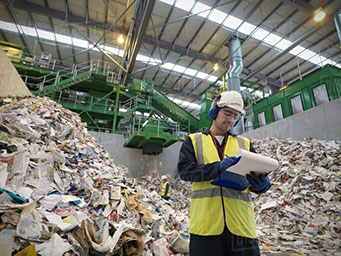
The act of product destruction, while often appearing to be a straightforward logistical task, is in reality a complex process fraught with significant legal implications. Businesses engaging in this practice, whether due to recalls, obsolescence, damage, or the need to protect intellectual property, must navigate a labyrinth of regulations spanning environmental law, consumer protection, data privacy, and financial reporting, alongside crucial ethical considerations.
| For landfill-free waste, recycling and product destruction services, including sorting, baling, shredding and compaction equipment, or to explore earning money from your recycling, contact Integrity Recycling Waste Solutions at (866) 651-4797. |
Regulatory Compliance and Environmental Law
The decision to destroy products, while sometimes unavoidable, immediately triggers a stringent set of regulatory obligations, primarily centered around environmental protection and waste management. Companies must meticulously adhere to local, national, and international environmental laws to prevent pollution, ensure the safe disposal of materials, and avoid severe penalties. The overarching principle is to minimize the ecological footprint of industrial waste and promote responsible resource management. Ignoring these complex regulatory frameworks can lead to substantial fines, operational shutdowns, and enduring damage to a company’s reputation. Beyond mere compliance, understanding the nuances of environmental law allows businesses to embrace more sustainable practices, potentially transforming a costly necessity into an opportunity for innovation and improved corporate social responsibility.
Waste Management Regulations and Permitting
Managing waste from product destruction is not a free-for-all; it is a highly regulated activity. In many jurisdictions, the Environmental Protection Agency (EPA) sets comprehensive guidelines in the United States, complemented by state and local environmental agencies that often impose even stricter requirements. These regulations dictate how waste is classified (e.g., hazardous, non-hazardous, universal waste), how it must be stored, transported, treated, and ultimately disposed of. For products containing chemicals, heavy metals, or electronic components, the classification as hazardous waste is highly likely, triggering extremely stringent handling protocols. This often necessitates specialized permits for transportation and disposal facilities, and meticulous record-keeping is paramount. Companies must track the chain of custody for all disposed materials, providing documentation from the point of destruction to final disposal.
The complexity intensifies when a business operates across different states or countries, as environmental regulations can vary dramatically. What is permissible in one region may be strictly prohibited in another, forcing companies to develop adaptable product destruction policies that account for disparate legal landscapes. This often involves engaging certified third-party waste management vendors who possess the necessary expertise, permits, and infrastructure to handle specific waste streams legally and safely. The selection of such a vendor is critical, as the generator of the waste (the company destroying the products) often retains “cradle-to-grave” liability for the disposed materials, meaning they can still be held accountable even if a third-party mishandles the waste. Therefore, due diligence in selecting a reputable and compliant waste disposal partner is not merely good practice but a legal imperative.
Furthermore, ignoring these regulations carries significant legal risks. Non-compliance can result in hefty fines, injunctions forcing operational shutdowns, and even criminal charges for corporate executives in cases of willful negligence or egregious violations. Beyond monetary penalties, the reputational damage from environmental mishaps can be catastrophic, eroding consumer trust, attracting negative media attention, and alienating stakeholders. A proactive approach involves not only understanding current regulations but also anticipating future changes, investing in sustainable disposal technologies, and educating employees on proper waste handling procedures. This foresight can transform a potential liability into a strategic advantage, showcasing a company’s commitment to environmental stewardship.
Environmental Impact Assessments and Mitigation
Before embarking on large-scale product destruction, especially for certain types of industries or products, an environmental impact assessment (EIA) might be required, or at least highly advisable, even if not strictly mandated by law. An EIA evaluates the potential environmental consequences of a proposed action, identifying significant impacts on air quality, water resources, soil, biodiversity, and community health. While often associated with new construction projects, the principles of an EIA can be applied to large-scale waste generation scenarios to understand the full ecological footprint of product destruction. For instance, the incineration of certain materials can release greenhouse gases or toxic pollutants, while landfilling can contribute to groundwater contamination and land degradation.
Beyond legal mandates, a comprehensive understanding of environmental impact is crucial for a company’s long-term sustainability strategy and public image. Businesses are increasingly expected to operate within the framework of a circular economy, which prioritizes reducing waste, reusing materials, and recycling. Product destruction, by its very nature, stands in stark contrast to these ideals when it results in materials being permanently removed from the economic cycle. Therefore, mitigation strategies become essential. This involves exploring alternatives to outright destruction, such as repair, refurbishment, donation, or responsible recycling, especially for components that retain value or can be safely reintegrated into manufacturing processes. When destruction is unavoidable, the focus shifts to minimizing its environmental burden, perhaps through waste-to-energy initiatives, advanced material recovery techniques, or neutralizing hazardous components.
The insights gained from an informal or formal environmental impact assessment can guide a company towards more responsible disposal methodologies. This might entail investing in technologies that minimize emissions, partnering with recyclers who specialize in closed-loop systems, or proactively designing products for greater recyclability and easier disassembly at the end of their lifecycle. Such proactive measures not only reduce environmental harm but can also enhance a company’s brand reputation. Consumers and investors are increasingly scrutinizing corporate environmental performance, making demonstrable commitment to sustainability a competitive differentiator. The ethical imperative to protect the planet now aligns powerfully with business strategy, making thoughtful impact assessment and mitigation an integral part of modern corporate governance.
International Treaties and Cross-Border Considerations
For multinational corporations, the legal landscape surrounding product destruction becomes infinitely more complex, influenced by a tapestry of international treaties and differing national regulations. A prime example is the Basel Convention on the Control of Transboundary Movements of Hazardous Wastes and Their Disposal, which aims to reduce the movement of hazardous waste between nations, particularly from developed to less developed countries. This convention imposes strict controls on the export, import, and transit of hazardous wastes, requiring prior informed consent from importing countries. Therefore, a company destroying products in one country and attempting to dispose of them, or components thereof, in another must navigate these intricate international protocols.
Beyond hazardous waste, other international frameworks such as the Waste Electrical and Electronic Equipment (WEEE) Directive in the European Union illustrate country-specific extended producer responsibility (EPR) schemes. EPR legislation places the responsibility for the end-of-life management of products, including their destruction or recycling, squarely on the manufacturers. This means that a product produced in China and sold in Germany must adhere to German WEEE standards for disposal, even if final destruction occurs elsewhere. The implication is that businesses must maintain a detailed understanding of the specific waste management and recycling targets in every jurisdiction where their products are sold, not just where they are manufactured or destroyed.
The challenge lies in harmonizing these diverse global standards. Companies often face the dilemma of choosing a destruction method that is compliant in the country of origin, the country of sale, and any transit countries. This complexity often necessitates a global network of compliant destruction partners and robust internal policies that account for the highest common denominator of environmental protection and regulatory compliance among all operational regions. Failure to do so can lead to international legal disputes, trade restrictions, and significant financial penalties. Moreover, the moral and ethical dimensions become pronounced when developed nations export their waste to developing ones, raising questions of environmental justice. Responsible international product destruction demands not just legal compliance but a conscious commitment to equitable global environmental practices, building trust with international stakeholders and ensuring ethical supply chain management from start to finish.
Product Liability and Safety Implications
One of the most compelling reasons for product destruction often stems from issues of product liability and safety. When products are found to be defective, unsafe, or pose a risk to public health, destruction becomes a critical measure to prevent harm, mitigate legal exposure, and preserve brand integrity. The legal implications here are enormous, extending from potential lawsuits and government-mandated recalls to severe penalties for non-compliance with safety standards. Companies must act swiftly and decisively to remove hazardous items from circulation, ensuring they cannot cause injury or damage property. This domain requires precise legal guidance, as the decisions made during a recall or safety rectification process can have long-lasting repercussions on a company’s legal standing and financial health. The proactive management of flawed inventory through destruction is not just a defensive maneuver, but a strategic imperative to protect consumers and uphold a company’s commitment to quality and safety.
Preventing Product Recalls and Litigation
The primary driver for product destruction in the context of safety and liability is often the prevention of customer harm and subsequent litigation, or the necessity to manage an existing product recall. When a company discovers a defect that could lead to injury, property damage, or even death, the legal obligation to act is immediate and paramount. Failure to recall and destroy defective products can result in massive class-action lawsuits, individual personal injury claims, and punitive damages that can bankrupt a company. Regulatory bodies, such as the Consumer Product Safety Commission (CPSC) in the U.S., have the authority to compel recalls and levy significant fines for non-compliance or delays in reporting known defects.
Beyond the immediate legal threats, the reputation of a brand is inextricably linked to its safety record. A poorly managed recall, or a failure to destroy all defective units, can irreparably damage consumer trust, leading to diminished sales and market share. The costs associated with a recall are multi-faceted: investigations, public notifications, reverse logistics, customer service, and crucially, the product destruction itself. Ensuring that recalled products are completely removed from the supply chain and verifiably destroyed is essential to prove due diligence in the eyes of regulators and courts. This often involves detailed chain-of-custody documentation, photographic evidence, and independent verification reports from the destruction facilities to demonstrate that every hazardous unit has been accounted for and rendered unusable.
Creative insights here revolve around the concept of “design for destruction” or “design for disassembly” in the product development phase. While counterintuitive, considering how a product might be safely recalled and destroyed or recycled can reduce future liability and costs. Proactive quality control, rigorous testing, and continuous monitoring of products in the market can help identify defects early, allowing for smaller, less costly interventions rather than large-scale, expensive recalls. The legal and financial implications reinforce that investing in quality assurance and responsible end-of-life planning is far more cost-effective than managing a full-blown product liability crisis. It’s not just about compliance; it’s about embedding safety and responsibility into the very DNA of the product.
Data Security and Consumer Privacy
In an increasingly digital world, many products are no longer just physical objects; they store vast amounts of sensitive data. From old computers, smartphones, and hard drives to smart home devices, point-of-sale systems, and medical equipment, the need for secure product destruction takes on an entirely new dimension when data is involved. Simply recycling or landfilling these devices without adequate data wiping can lead to massive data breaches, exposing personal consumer information, proprietary business secrets, or classified government data. The legal repercussions of such breaches are severe, falling under various data privacy regulations like the General Data Protection Regulation (GDPR) in Europe, the California Consumer Privacy Act (CCPA) in the U.S., and HIPAA for healthcare data.
These regulations impose strict requirements for data handling, protection, and deletion. Companies are liable for safeguarding personal data throughout its lifecycle, including its disposal. This means that “destroying” a product containing data is not merely about physical destruction (e.g., shredding a computer); it primarily involves the complete and irreversible sanitization of any stored information. Methods range from degaussing (erasing magnetic media), secure overwriting multiple times, to physical shredding of the data storage components themselves, ensuring data is irrecoverable. The choice of method often depends on the sensitivity of the data and the specific legal requirements of the relevant jurisdiction.
The personal analysis here highlights a critical yet often overlooked aspect: the chain of custody for data-bearing assets. It’s not enough to hand over devices to a third-party for disposal; companies must ensure that the vendor has auditable processes for data destruction and provides certificates of destruction. The legal liability for a data breach originating from poorly disposed equipment typically remains with the original company, regardless of their reliance on a third-party vendor. Therefore, due diligence in vendor selection, contracts stipulating data destruction methods, and regular audits are indispensable. This intertwining of physical product destruction with digital security issues underscores the need for a holistic approach to asset retirement, where IT security, legal, and operational teams must collaborate to mitigate substantial financial penalties, reputational damage, and potential criminal charges stemming from privacy violations.
Counterfeit Goods and Brand Protection
The destruction of counterfeit goods presents a unique legal challenge and a critical necessity for brand protection. Counterfeit products, which infringe on intellectual property rights such as trademarks, copyrights, and patents, not only pose economic harm to legitimate businesses but can also pose significant safety risks to consumers, as they often do not meet regulatory standards. Once identified and seized, the legal mandate is clear: these infringing goods must be destroyed to prevent their re-entry into the market. This process is typically overseen by law enforcement agencies, customs officials, or court orders following successful intellectual property enforcement actions.
Companies holding the intellectual property rights have a vested interest, and often a legal obligation, to ensure the effective destruction of these counterfeits. This often involves working closely with legal teams, investigators, and authorized destruction facilities. The legal reasoning for destruction is twofold: first, it prevents the goods from being resold, thereby protecting the brand’s reputation and financial interests; second, it serves as a deterrent to counterfeiters, demonstrating that illicit activities will not be tolerated and their products will be rendered worthless. The process must be meticulously documented, often requiring photographic or video evidence of the destruction to satisfy legal requirements and prove that the goods were indeed rendered unusable and removed from circulation.
A creative insight into this area is the evolving role of technology in identifying and tracking counterfeit goods, making their eventual destruction more efficient. Blockchain technology, for example, could offer transparent and immutable records for product authenticity, potentially aiding in quicker identification and legal action against fakes. Furthermore, while destruction is the goal, some companies explore “destroy-to-donate” programs for non-safety-critical items where the intellectual property is first removed (e.g., removing a branded label from clothing) before donating the unbranded item to charity. However, this is a very narrow exception and carries risks, requiring careful legal review. Overall, effective product destruction of counterfeits is a powerful legal tool in the fight against IP infringement, safeguarding market integrity and consumer trust.
Financial and Economic Consequences
Beyond regulatory and safety implications, the decision to undertake product destruction carries substantial financial and economic consequences for a business. These implications are not merely about the direct costs of disposal, but encompass the broader impact on asset valuation, inventory management, supply chain resilience, and insurance coverage. Understanding these intricate financial dynamics is crucial for strategic decision-making, allowing companies to accurately account for losses, optimize resource allocation, and mitigate future risks. The act of destroying products represents a fundamental shift from potential asset to undeniable cost, requiring meticulous financial planning and a clear understanding of accounting principles. Poor financial management in this area can lead to misrepresentation of company value, inefficient operations, and missed opportunities for recovery.
Asset Depletion and Inventory Management
When products are destroyed, they transition from inventory assets on a company’s balance sheet to outright losses. This immediate asset depletion has a direct impact on a company’s financial statements, requiring careful accounting treatment, typically as inventory write-offs or disposals. The value of the destroyed goods must be removed from the inventory asset account, often impacting cost of goods sold and ultimately reducing reported profits. The accounting implications can be significant, especially for large volumes of high-value products, potentially affecting investor perception and a company’s creditworthiness. Businesses must adhere to generally accepted accounting principles (GAAP) or International Financial Reporting Standards (IFRS) when recording these losses to ensure financial transparency and compliance.
From an inventory management perspective, product destruction represents the ultimate failure in the product lifecycle – a complete loss of investment in raw materials, manufacturing, logistics, and marketing. Therefore, optimizing inventory management to minimize the need for destruction is a critical financial goal. This involves sophisticated demand forecasting, efficient production scheduling, and flexible supply chain operations to avoid overstocking or producing unsaleable goods. Analyzing the root causes of destruction (e.g., frequent product recalls, high percentage of damaged goods in transit, rapid obsolescence) can inform strategies to prevent future losses, such as improving quality control, enhancing packaging, or accelerating product development cycles.
A key insights here is the concept of “total cost of ownership” extended to the “total cost of disposal.” When calculating the profitability of a product, businesses often neglect the potential future costs of its destruction. Integrating these potential end-of-life costs into initial product design and pricing models can provide a more accurate financial picture. Furthermore, the decision to destroy versus attempting to salvage or remarket requires a detailed cost-benefit analysis, considering the direct costs of destruction against potential salvage value, storage costs, and the risks (e.g., brand damage from selling depreciated goods, legal issues from repairing faulty ones). Effective inventory management coupled with robust financial planning can transform a substantial loss into a manageable event, offering vital lessons for future product strategies.
Supply Chain Disruptions and Costs of Destruction
The process of product destruction is not without its own set of significant operational and logistical costs, adding another layer to the financial burden. These costs extend beyond the mere act of disposal and can disrupt the entire supply chain. When products are recalled or deemed unsellable, they often need to be retrieved from various points in the supply chain—retailers, distributors, warehouses, or even consumers. This involves complex reverse logistics, which includes transportation, storage, sorting, and inspection of the goods destined for destruction. Each step incurs costs, from specialized transportation for hazardous materials to secure warehousing for sensitive items before disposal.
The direct costs associated with various aspects of product destruction can include:
- Transportation Costs: Shipping products from various collection points to destruction facilities.
- Storage Costs: Holding products in secure facilities pending destruction, especially for sensitive or hazardous materials.
- Processing Fees: Charges levied by certified destruction vendors for their services (e.g., shredding, incineration, degaussing).
- Environmental Fees/Taxes: Levies imposed by regulatory bodies for waste disposal, especially for hazardous or electronic waste.
- Labor Costs: Internal staff time spent on managing the destruction process, documentation, and oversight.
- Auditing and Certification Costs: Fees for third-party verification and documentation of destruction for legal and compliance purposes.
- Opportunity Costs: The lost revenue from products that could not be sold, or the inability to reallocate resources to more productive activities due to managing destruction.
Beyond these tangible outlays, the disruption to the supply chain can have broader economic ripple effects. Resources (manpower, logistics, capital) diverted to managing destruction are resources unavailable for productive activities, potentially delaying new product launches, impacting regular order fulfillment, or straining relationships with distributors and retailers. The capacity of specialized destruction facilities can also be a bottleneck, especially during large-scale recalls, leading to delays and increased costs. Companies must factor in these potential bottlenecks and build contingency plans into their supply chain management. This deep understanding of hidden costs highlights the imperative of upfront investment in quality control, robust product design, and efficient logistics to minimize the need for costly and complex destruction processes down the line.
Insurance Coverage and Risk Mitigation
Companies often overlook the role of insurance in mitigating the financial impact of product destruction. Certain types of insurance policies can provide coverage for losses related to product defects, recalls, and the subsequent destruction of goods. Product liability insurance, for instance, typically covers legal defense costs and damages resulting from claims of bodily injury or property damage caused by a defective product. However, some policies may also include clauses for recall expenses, which can partially cover the costs of retrieving, storing, and destroying defective products. It’s crucial for businesses to review their insurance policies meticulously to understand the extent of their coverage for such events.
Understanding the fine print is paramount, as policies often have exclusions, deductibles, and limitations on the types of products or causes of loss they will cover. For example, damage during transit might be covered by cargo insurance, while defects arising from manufacturing errors might be covered under a different clause. Companies that proactively manage risks and invest in quality control may even be eligible for more favorable insurance premiums. The process of filing an insurance claim for destroyed inventory also requires meticulous documentation, including proof of loss, evidence of the cause of destruction (e.g., recall notice, damage report), and certificates of destruction from verifiable third-party vendors.
My personal analysis suggests that companies should integrate risk management and insurance planning into their broader product destruction strategy. This involves not only securing adequate coverage but also ensuring that internal processes for managing defective or unsaleable inventory align with insurance requirements. Furthermore, implementing robust internal controls, conducting regular quality audits, and maintaining clear records of product lifecycles can strengthen a company’s position when making an insurance claim. Ultimately, while insurance cannot prevent the need for destruction, it can significantly cushion the financial blow, transforming a potentially catastrophic event into a recoverable business challenge. This thoughtful integration of risk mitigation strategies forms a crucial part of a resilient and legally compliant business operation.
Ethical and Societal Considerations
Beyond the stringent legal and financial aspects, the act of product destruction increasingly compels businesses to grapple with profound ethical and societal considerations. In an era of heightened consumer awareness and a global focus on sustainability, the decision to destroy usable goods can trigger public outcry, scrutiny from activist groups, and damage to a company’s social license to operate. This dimension often involves navigating the tension between protecting intellectual property or brand value and the broader moral imperative of resource stewardship and social responsibility. The implications extend to a company’s relationship with its workforce, its impact on resource scarcity, and its overall alignment with circular economy principles. A responsible approach necessitates a clear articulation of values and a commitment to transparency, ensuring that necessary destruction is carried out with the least possible societal cost.
Corporate Social Responsibility and Public Perception
The act of product destruction, particularly for fashion items, electronics, or other goods that appear functional, can generate significant negative public perception and severely undermine a company’s Corporate Social Responsibility (CSR) efforts. In an age where consumers demand greater transparency and ethical conduct from businesses, the sight of mountains of destroyed products can trigger accusations of wasteful practices, environmental disregard, and a pursuit of profit over people or planet. High-profile incidents of brands destroying unsold inventory to maintain exclusivity or avoid discounting have led to widespread public condemnation, boycotts, and decreased brand loyalty. This is especially true when valuable resources are consumed to make products that are then deliberately rendered unusable, contributing to landfill waste and resource depletion.
Companies are increasingly aware that their environmental footprint and waste management practices are under constant scrutiny. Social media amplifies both positive and negative narratives instantaneously, meaning a single image or video of wasteful destruction can quickly go viral, causing immense reputational harm that takes years and significant investment to repair. Public perception is not merely about avoiding public relations crises; it genuinely impacts consumer behavior and investor confidence. Investors, particularly those focused on Environmental, Social, and Governance (ESG) criteria, are factoring in companies’ waste management strategies as a key indicator of long-term sustainability and risk.
Therefore, for any company engaged in product destruction, transparent communication and demonstrable efforts to minimize waste are paramount. This involves clearly articulating why destruction is necessary (e.g., safety, brand protection against counterfeits), highlighting efforts to recycle components, or exploring alternative options like donation to charities when feasible and safe. The ethical imperative is to prove that destruction is a last resort, not a default practice. Brands that proactively showcase their commitment to sustainability, invest in circular economy initiatives, and educate consumers about their challenges and solutions will fare better in the court of public opinion, building a resilient and trusted brand image that aligns with evolving societal values.
Employment Law and Labor Practices
While less immediately obvious, product destruction can have implications related to employment law and labor practices, particularly when it’s driven by significant operational changes. If a company’s inability to sell products leads to large-scale destruction, it might signal deeper issues in production, quality control, or market demand, potentially impacting jobs. For instance, if a manufacturing line consistently produces faulty goods that necessitate destruction, this could lead to a reassessment of manufacturing processes, potentially resulting in layoffs or shifts in job roles for employees involved in production or quality control. Similarly, if products are destroyed due to market obsolescence, it might affect sales teams or product development departments.
Furthermore, the actual process of product destruction itself might involve specific labor law considerations. If businesses utilize their internal workforce for destruction, they must ensure compliance with occupational health and safety regulations, especially when dealing with hazardous materials or specialized machinery. Employee training on proper handling of materials, safety protocols, and waste segregation is crucial. In cases where third-party destruction vendors are employed, companies have an ethical, and sometimes legal, responsibility to ensure that these vendors uphold fair labor practices and safe working conditions within their facilities. This due diligence extends beyond strict legal compliance to encompass a broader commitment to ethical supply chain management.
A thoughtful insight here is the opportunity for companies to re-skill or redeploy employees whose roles might be affected by changes in product lifecycle management. Instead of layoffs, can affected employees be trained in new quality assurance techniques, sustainable manufacturing processes, or reverse logistics for recycling and refurbishment? This approach not only preserves human capital but also aligns with a company’s broader CSR goals, demonstrating a commitment to its workforce and local communities. The ethical responsibility extends to minimizing the negative societal impact of waste management, including its implications for employment, fostering a more resilient and ethically conscious business ecosystem.
Resource Scarcity and Circular Economy Principles
At its core, product destruction stands in direct opposition to the principles of a circular economy and the global imperative to address resource scarcity. The traditional linear “take, make, dispose” economic model, where products are manufactured, consumed, and then discarded, leads to vast amounts of waste and depletes finite natural resources. When products are destroyed, especially those made from valuable or non-renewable materials, it represents a complete loss of embedded energy and resources, exacerbating environmental stress and contributing to material scarcity. The ethical dilemma is stark: in a world facing climate change and resource crises, can businesses justify the systematic destruction of potentially usable goods?
The drive towards a circular economy seeks to fundamentally redesign products and systems to keep materials in use for as long as possible, reducing waste and minimizing the demand for virgin resources. This paradigm shift encourages strategies like design for durability, repairability, reuse, remanufacturing, and high-quality recycling. In this context, product destruction should only be considered an absolute last resort, reserved for cases where products pose an undeniable safety risk, are irretrievably contaminated, or genuinely cannot be repurposed or recycled due to technological or economic impossibility. The ethical challenge for businesses is to shift their mindset from “how to efficiently destroy” to “how to avoid destruction altogether.”
My personal analysis emphasizes that companies must move beyond mere compliance with waste disposal regulations and proactively embrace circularity. This involves investing in research and development for new materials (e.g., biodegradable plastics, recycled content), redesigning products for easier disassembly and component recovery, and developing robust infrastructure for collection, sorting, and processing of end-of-life products. Collaborating with recycling innovators, establishing take-back schemes, and educating consumers on proper disposal and recycling practices are all part of this ethical journey. While some level of destruction may remain unavoidable for certain product categories, the ethical imperative to minimize it aligns not just with environmental stewardship but also with long-term business resilience in a world of finite resources. The future of responsible commerce lies in maximizing value and minimizing waste, making every destruction decision a moment of ethical reckoning.
Conclusion
The legal implications of product destruction are multifaceted and profound, extending far beyond the immediate act of disposal. Businesses must meticulously navigate complex regulatory landscapes spanning environmental law, product liability, and data privacy, while also confronting significant financial consequences and increasingly scrutinized ethical responsibilities. From adhering to stringent waste management protocols and preventing costly recalls to safeguarding sensitive data and protecting brand integrity against counterfeits, every decision surrounding product destruction has wide-ranging repercussions. The financial impact, encompassing asset depreciation, operational costs, and the availability of insurance, demands rigorous accounting and strategic risk mitigation. Ultimately, in a world striving for sustainability and corporate social responsibility, the act of product destruction compels businesses to critically evaluate their entire product lifecycle, pushing for integrated solutions that prioritize resource recovery, circularity, and a conscious reduction of waste as both a legal obligation and an ethical imperative.
| For landfill-free waste, recycling and product destruction services, including sorting, baling, shredding and compaction equipment, or to explore earning money from your recycling, contact Integrity Recycling Waste Solutions at (866) 651-4797. |