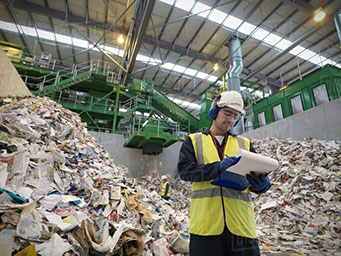
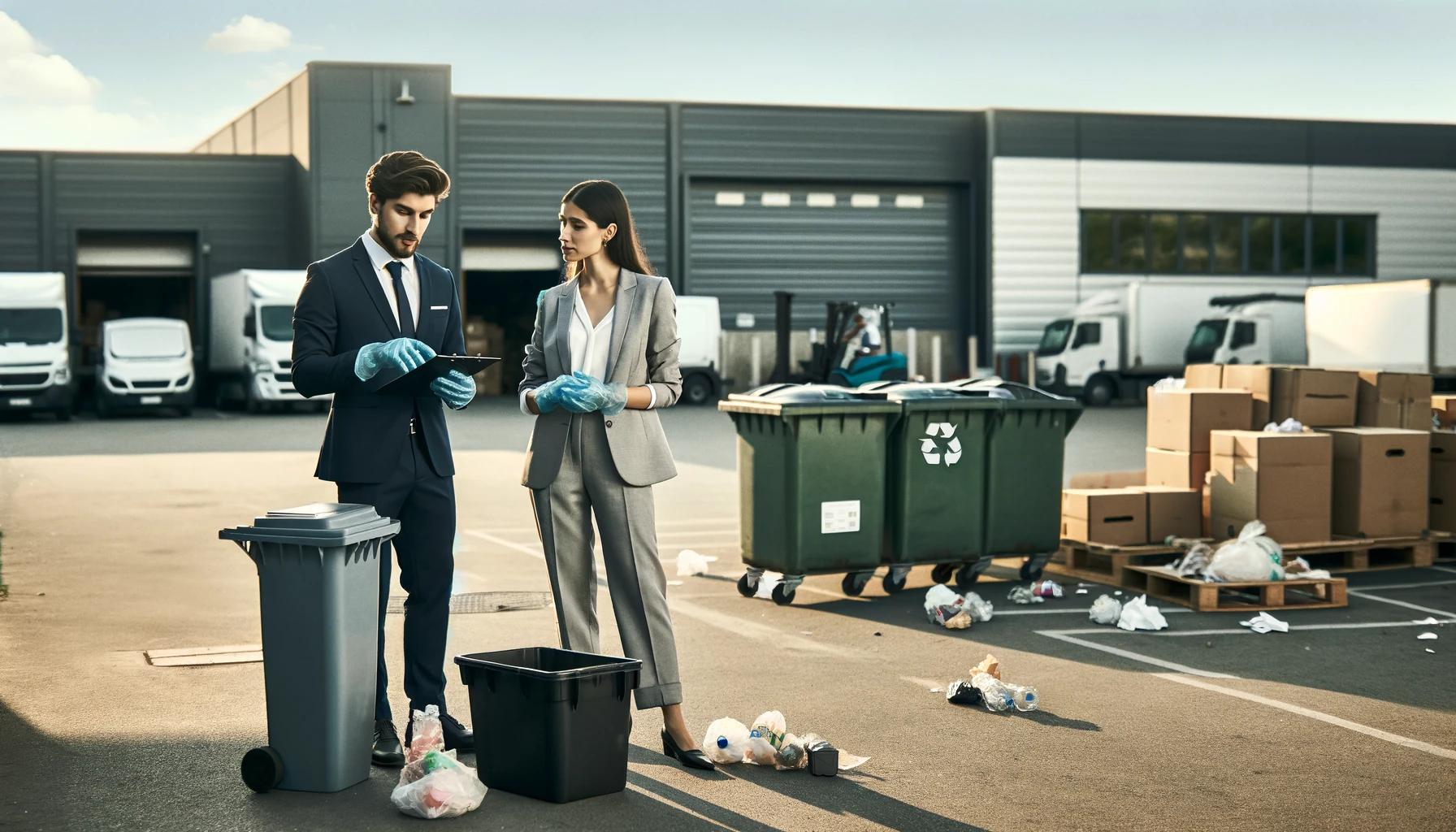
Effective product destruction is a critical, often overlooked, component of a robust supply chain and brand protection strategy. It involves the systematic and secure elimination of goods that are no longer fit for sale, have expired, are defective, or pose a risk, ensuring they cannot re-enter the market through illicit channels or harm the brand’s reputation.
| For landfill-free waste, recycling and product destruction services, including sorting, baling, shredding and compaction equipment, or to explore earning money from your recycling, contact Integrity Recycling Waste Solutions at (866) 651-4797. |
The Imperative of Strategic Product Destruction
In today’s complex global marketplace, the need for strategic product destruction has never been more pronounced. It’s not merely about disposing of unwanted items; it’s a critical component of brand protection, risk mitigation, and regulatory compliance. Companies that fail to implement robust product destruction strategies leave themselves vulnerable to a myriad of risks, ranging from brand dilution and consumer safety hazards to legal repercussions and financial penalties. The landscape of commerce is fraught with counterfeiters, diversion schemes, and an ever-increasing demand for corporate accountability, making secure and verifiable destruction an indispensable practice. It serves as the final barrier in preventing unsellable or hazardous goods from reaching consumers, thereby safeguarding both reputation and bottom line. The strategic approach to product destruction ensures that products are rendered unusable and irrecoverable, closing off potential avenues for illicit trade and ensuring that only quality-controlled goods represent the brand in the market. This proactive stance on managing product lifecycle extends beyond production and sales, encompassing the responsible end-of-life management that protects a company’s most valuable assets: its brand and its customers.
Protecting Brand Integrity and Reputation
Maintaining a pristine brand image is paramount for any business aiming for long-term success, and product destruction plays a surprisingly pivotal role in this. Defective, expired, or recalled products, if not properly destroyed, can inadvertently re-enter the market through grey channels, discount retailers, or even illicit means. When consumers encounter such products, their immediate association is with the original brand, compromising trust and perceived quality. A single instance of a faulty product reaching a consumer can erode years of careful brand building.
Consider the potential for damage: a popular electronics brand dealing with a batch of laptops found to have a critical manufacturing flaw. If these units are not securely destroyed, and somehow end up in circulation, the resulting poor performance or even safety incidents would be directly attributed to the brand. This leads to negative reviews, social media backlash, and a general erosion of consumer confidence. The cost of regaining lost trust far outweighs the investment in secure product destruction. Furthermore, for luxury goods, the unauthorized sale of discounted or damaged items can dilute the brand’s exclusivity and premium positioning. Secure product destruction ensures that products intended for disposal are never able to diminish the brand’s hard-earned value. It’s an invisible yet incredibly effective firewall, preventing future crises and preserving the company’s most valuable intangible assets.
Mitigating Legal and Financial Liabilities
The failure to properly manage and destroy end-of-life products can expose businesses to substantial legal and financial liabilities. Depending on the industry and the nature of the product, there can be stringent regulations governing disposal, especially for hazardous materials, pharmaceuticals, food items, or products with sensitive data. Non-compliance with these regulations can result in hefty fines, legal injunctions, and adverse legal rulings. For example, a food manufacturer failing to destroy contaminated products could face lawsuits from sick consumers, regulatory penalties from health authorities, and a forced recall that could bankrupt the company.
Beyond regulatory fines, there are also civil lawsuits to consider. If a product, intended for destruction, causes harm due to negligence in its disposal, the manufacturer is liable. This liability extends to intellectual property infringement; a third party could potentially reclaim and reverse-engineer destroyed prototypes or obsolete technology if disposal methods are not secure, leading to significant competitive disadvantages and legal battles. Financially, the costs associated with recalls, lawsuits, and regulatory penalties can be astronomical, dwarfing the operational expenses of a robust product destruction program. Proper documentation of the destruction process is also crucial, serving as irrefutable evidence of compliance and due diligence if legal challenges arise. Investing in a secure and compliant product destruction strategy is thus a direct investment in financial stability and legal protection.
Ensuring Regulatory Compliance
Adherence to a myriad of local, national, and international regulations is a non-negotiable aspect of modern business operations, and product destruction is no exception. Industries such as pharmaceuticals, food and beverage, electronics, and chemicals are subject to strict rules regarding the disposal of expired, contaminated, or non-compliant goods. These regulations often stipulate specific methods of destruction, environmental considerations, and detailed documentation requirements, aiming to protect public health, safety, and the environment.
For instance, the destruction of confidential documents or electronic devices containing personal data falls under data protection laws like GDPR or CCPA, requiring secure data erasure and physical destruction to prevent data breaches. Pharmaceutical waste often requires incineration at high temperatures to eliminate active ingredients and prevent environmental contamination. Failure to comply can lead to severe penalties, including extensive fines, product recalls, operational shutdowns, and even criminal charges for individuals responsible. Beyond legal mandates, there’s also the increasing pressure from consumers and NGOs for companies to demonstrate environmental responsibility in their end-of-life product management. Public perception of a company’s commitment to sustainability can significantly impact brand loyalty and market share. Therefore, a comprehensive product destruction strategy must be built on a foundation of unyielding regulatory compliance, regularly updated to reflect evolving laws and best practices. This proactive approach not only avoids legal pitfalls but also reinforces a company’s image as a responsible corporate citizen.
Developing a Robust Product Destruction Protocol
A robust and reliable product destruction protocol is not merely a reactive measure but a proactive and systematic blueprint for managing the end-of-life cycle of products. It encompasses a series of meticulously planned steps, from the initial identification of products slated for destruction to their secure transportation, definitive destruction, and verifiable documentation. Without a clear and enforceable protocol, even the best intentions can lead to vulnerabilities, potentially allowing compromised goods to re-enter the market or causing environmental harm. This protocol acts as a safeguard, ensuring that every step of the destruction process is controlled, auditable, and aligned with a company’s brand protection, legal compliance, and sustainability objectives. It requires cross-functional collaboration, from logistics and security to legal and marketing teams, to establish a chain of custody that is impenetrable and transparent. The goal is to eliminate any ambiguity surrounding the status of products earmarked for destruction, ensuring they are irreversibly rendered unusable and removed from any potential commercial pathway.
Establishing Clear Criteria for Destruction
The foundation of any effective product destruction protocol lies in precisely defining what products qualify for destruction and under what circumstances. This isn’t a nebulous concept; it requires clear, quantifiable criteria established and agreed upon by relevant stakeholders across departments—quality control, legal, marketing, and operations. Criteria might include manufacturing defects that render a product unsafe or non-functional, expiration dates for perishable goods or pharmaceuticals, damage incurred during transit or storage that makes products unsellable, or even obsolete models that could dilute the brand if released at discounted prices.
Furthermore, products subject to recall due to safety hazards, contamination, or regulatory non-compliance must be immediately prioritized for secure elimination. For industries dealing with sensitive data, such as electronics or financial services, products containing personal or proprietary information must undergo destruction to prevent data breaches. The establishment of these criteria also involves determining who has the authority to make the decision for destruction, ensuring multiple layers of approval to prevent unauthorized destruction or diversion. A clear, documented decision-making process ensures consistency, minimizes arbitrary choices, and sets the stage for efficient logistical planning. Without these precise guidelines, the integrity of the entire destruction process is compromised from the outset, risking either premature destruction of valuable assets or, more critically, the re-entry of harmful or brand-damaging items into the market. This clarity also facilitates communication with third-party destruction vendors and ensures all parties are aligned on the scope and purpose of the destruction activities.
Implementing Secure Collection and Transportation
Once products are identified for destruction, their secure collection and transportation to the destruction facility become the most critical stages in preventing diversion or theft. This phase is fraught with vulnerability if not meticulously managed. The process should begin with segregating the products from regular inventory, ideally in a secure, monitored area, separate from sellable goods. Specialized containers, often lockable and tamper-evident, should be used for packing. For high-value, sensitive, or hazardous materials, this step might include immediate rendering or deactivation at the collection point to ensure they are unusable even if intercepted.
Transportation itself requires robust security measures. This often means employing trusted, certified third-party logistics (3PL) providers specializing in high-security transport, whose vehicles are equipped with GPS tracking, alarm systems, and potentially even armed escorts for particularly valuable or dangerous goods. The chain of custody must be meticulously documented from the moment products leave the company’s premises until they arrive at the destruction facility. This includes detailed manifests, signed transfer documents, photographic evidence, and regular check-ins during transit. Any deviation from the planned route or schedule should trigger immediate alerts. Imagine a scenario where counterfeit luxury watches are mixed in with genuine, defective ones for disposal. If the transport isn’t secure, the counterfeit watches could be swapped out for the genuine ones, leaving the company liable and their brand damaged. The integrity of the entire product destruction chain hinges on the uncompromised security of the collection and transit phases; a lapse here can render all subsequent destruction efforts moot. It demonstrates a company’s commitment to eliminating risk at every single touchpoint.
Ensuring Verified Destruction and Documentation
The culmination of a robust product destruction protocol is the verifiable destruction of products, followed by comprehensive documentation. Verification goes beyond simply witnessing the destruction; it often involves physical evidence and robust audit trails. Companies should ideally partner with certified destruction facilities that utilize methods ensuring products are irreversibly rendered unusable – not merely damaged. This could involve shredding, crushing, incineration, grinding, or specialized chemical neutralization, depending on the product type. For electronic waste, specific processes for data sanitization followed by physical destruction of components are essential.
On-site destruction is often preferred for highly sensitive items, providing direct oversight. For off-site destruction, companies should require a certificate of destruction from the third-party vendor, detailing the date, type, and quantity of products destroyed, including serial numbers where applicable. Photographic or video evidence of the destruction in progress, combined with notarized statements, can further bolster the audit trail. This documentation is not just a formality; it serves as irrefutable proof of compliance with regulations, protects against future liabilities, and is crucial for internal audits and legal defense. My personal analysis suggests that many companies underestimate the power of thorough documentation, viewing it as an administrative burden rather than a critical risk mitigation tool. It’s the ultimate safeguard, providing a historical record that confirms the complete and irreversible removal of harmful or valueless products from potential circulation. Without this comprehensive paper trail, a company cannot truly vouch for its product destruction process, leaving a gaping hole in its compliance and risk management framework.
The table below illustrates common documentation requirements at various stages of the product destruction process:
| Stage of Destruction Process | Key Documentation | Purpose |
|---|---|---|
| Product Identification Approval | – Destruction Request Form- Product Batch/Serial Numbers- Approval Signatures | Records justification for destruction, specific items, and authorized approval across departments. |
| Collection Segregation | – Inventory Reconciliation Log- Tamper-Evident Seal Manifests | Tracks items moved from inventory to secure holding, confirms seals are intact. |
| Transportation | – Bill of Lading (BOL)- Chain of Custody Forms- GPS Tracking Logs | Documents transfer of responsibility, provides a clear audit trail of movement and possession. |
| Destruction Facility Receipt | – Receiving Log- Inspection Report (of seals/integrity) | Confirms receipt of items at facility and verifies original security measures. |
| Actual Destruction | – Certificate of Destruction (CoD)- Photo/Video Evidence- Witness Statement (if applicable) | Formal proof of destruction, visual confirmation, and independent verification of process adherence. |
| Post-Destruction Reporting | – Regulatory Compliance Reports- Internal Audit Report | Summarizes destruction activities for compliance bodies and internal review, identifies areas for improvement. |
Sustainable and Ethical Product Destruction Methods
As environmental consciousness and corporate social responsibility (CSR) become increasingly central to business operations, the focus on sustainable and ethical product destruction methods has intensified dramatically. It’s no longer sufficient to simply make products disappear; companies are now expected to consider the environmental footprint of their disposal methods and the ethical implications of their choices. This shift is driven by a combination of evolving regulatory frameworks, consumer demand for eco-friendly practices, and a genuine corporate desire to minimize waste and maximize resource utilization. Integrating sustainability into product destruction involves exploring alternatives to landfill, prioritizing recycling and material recovery, and adopting advanced technologies that reduce harm. It also means actively seeking out destruction partners who share these values and can demonstrate their commitment to environmental stewardship. The paradigm has shifted from mere disposal to a holistic approach that views end-of-life products not just as waste, but as potential resources to be recovered and reintroduced into the circular economy, thereby lessening the demand for virgin materials and reducing overall environmental impact. This requires an innovative mindset and a willingness to invest in greener technologies and partnerships.
Embracing Recycling and Material Recovery
The most significant aspect of sustainable product destruction is the emphasis on moving away from landfill as a primary disposal method towards maximizing recycling and material recovery. Instead of simply incinerating or burying defective or expired goods, companies can dismantle them to reclaim valuable raw materials. For electronics, this means separating metals, plastics, and rare earth elements for reuse in new products. For packaging, it involves breaking down cardboard, glass, and plastic into components that can be recycled. This approach significantly reduces the demand for virgin resources, minimizes energy consumption associated with extracting and processing new materials, and reduces the volume of waste sent to landfills.
Implementing effective recycling and recovery programs requires careful planning. It starts with designing products for disassembly and recyclability, making the end-of-life process more efficient. It also involves partnering with specialized recycling facilities that have the technology and expertise to safely separate and process diverse materials, especially those containing hazardous substances. The challenge, of course, lies in balancing the security imperative of destruction (ensuring products cannot be reassembled or diverted) with the desire for recovery. Creative insights suggest integrated destruction and recycling processes where products are first deformed or rendered unusable, then immediately fed into a recycling stream. For example, a batch of defective plastic toys could be shredded to prevent reassembly, and the plastic flakes then granulated and processed for plastic recycling. This simultaneous approach ensures both brand protection and environmental responsibility. Such initiatives not only contribute to a circular economy but also enhance a company’s public image as an environmentally conscious entity.
Advanced Technologies for Secure and Eco-Friendly Destruction
Innovation in product destruction is increasingly focused on developing advanced technologies that offer superior security alongside reduced environmental impact. Traditional methods like landfilling and broad incineration are becoming less desirable due to stricter regulations and public pressure. Modern solutions are designed to be more precise, efficient, and environmentally sound. For instance, high-volume shredders integrated with sorting mechanisms can quickly destroy products while separating materials for recycling. Chemical neutralization can safely break down hazardous liquids or powders without emitting harmful fumes.
One exciting development is the use of specialized crushing and grinding equipment that can instantly transform items like electronics, pharmaceuticals, or even counterfeit goods into unrecognizable particulate matter, thereby preventing any chance of reassembly or diversion. Thermal destruction technologies are also evolving, with advanced incinerators burning at extremely high temperatures to ensure complete destruction of organic materials and hazardous waste, coupled with sophisticated filtration systems to capture emissions. Plasma gasification, for example, can convert waste into a synthesis gas that can be used for energy generation, effectively turning waste into a resource. Furthermore, secure data wiping followed by physical destruction for electronic devices is now standard, with certified software guaranteeing data erasure before material recovery. This personal analysis suggests that companies should actively research and invest in these technologies, not just as a compliance measure, but as a strategic competitive advantage. They not only offer enhanced security against product diversion but also align with global sustainability goals, projecting a responsible corporate image in the marketplace.
Balancing Cost, Security, and Environmental Impact
The decision-making process for product destruction methods often boils down to a delicate balance between cost-effectiveness, security imperatives, and environmental responsibility. Achieving this balance is a significant strategic challenge. Cheapest disposal methods, often landfilling, rarely offer adequate security or environmental stewardship. Conversely, the most secure and eco-friendly methods, such as highly specialized recycling processes or plasma gasification, can come with a higher price tag. Companies must navigate this complex interplay to find a solution that satisfies all three critical dimensions.
A purely cost-driven approach risks brand reputation, legal fines, and potential environmental damage from inadequate disposal. On the other hand, an exclusive focus on environmental impact might overlook the need for robust security, allowing products to resurface. The optimal approach involves a risk-based assessment where the value, sensitivity, and potential harm of the products dictate the level of security and environmental consideration. High-value goods, sensitive data, or hazardous materials will justify a higher investment in secure and environmentally sound destruction. A financial analysis comparing the cost of secure, sustainable destruction against the potential costs of brand damage, lawsuits, and regulatory non-compliance often reveals that the former is a far more economical long-term investment. My personal analysis suggests that companies often underestimate the “cost of inaction” regarding improper destruction. Companies should seek transparent, long-term partnerships with certified destruction providers who can demonstrate expertise in all three areas – providing secure, compliant, and environmentally responsible services at a justifiable cost. This balance is not static; it requires continuous evaluation given evolving regulations, technologies, and market expectations.
| For landfill-free waste, recycling and product destruction services, including sorting, baling, shredding and compaction equipment, or to explore earning money from your recycling, contact Integrity Recycling Waste Solutions at (866) 651-4797. |
Auditing, Improvement, and Future Trends in Product Destruction
The lifecycle of product destruction doesn’t conclude with the physical elimination of goods; it extends into a crucial phase of auditing, continuous improvement, and foresight into emerging trends. A static destruction protocol, no matter how well-conceived initially, will inevitably become obsolete in the face of evolving regulations, new technologies, and shifts in global supply chain dynamics. Companies must therefore treat their product destruction strategies as dynamic, living documents that require regular scrutiny, performance analysis, and adaptation. This ongoing commitment ensures not only sustained compliance and risk mitigation but also optimizes efficiency and cost-effectiveness over time. By leveraging data, undergoing impartial review, and anticipating future challenges, businesses can transform product destruction from a necessary overhead into a strategic advantage that continually protects their brand, stakeholders, and the environment. This forward-looking approach positions the company as a leader in responsible product lifecycle management, attuned to both current best practices and future innovations.
Conducting Regular Audits and Performance Reviews
Regular audits and performance reviews are indispensable tools for ensuring the continued effectiveness and compliance of a product destruction strategy. These reviews should not be one-off events but recurring processes, ideally conducted by independent third parties or an internal audit team separate from the operational units managing destruction. The scope of an audit should be comprehensive, covering every stage of the protocol: from product identification criteria and approval processes to collection, secure transportation, the actual destruction methods, and the integrity of documentation. It involves meticulously checking compliance with internal policies, industry standards, and relevant local and international regulations.
Beyond compliance, performance reviews should also assess efficiency and cost-effectiveness. Are the chosen destruction methods the most appropriate for the waste stream? Are there opportunities to optimize logistics or consolidate destruction efforts? Audits unveil potential vulnerabilities, such as a breakdown in the chain of custody, incomplete documentation, or instances where products might have inadvertently bypassed the secure destruction process. For instance, an audit might reveal that certain types of products are being improperly categorized, leading to inefficient or insecure disposal. My personal analysis suggests that many companies approach audits purely as a compliance check; however, a more proactive stance views them as crucial feedback mechanisms for continuous improvement. The findings from these audits provide actionable insights, leading to corrective actions, policy updates, and process refinements that strengthen the overall product destruction framework. This iterative process ensures that the strategy remains robust, adaptive, and resilient against evolving threats and requirements.
Leveraging Data Analytics for Process Optimization
In an increasingly data-driven world, leveraging data analytics presents a significant opportunity to optimize product destruction processes. Beyond basic tracking of destroyed quantities, collecting and analyzing data points across the entire destruction lifecycle can yield profound insights. This includes data on the types and volumes of products destroyed, reasons for destruction (e.g., manufacturing defects, recalls, obsolescence, expiration), costs associated with different destruction methods, environmental impact metrics (e.g., diversion rates from landfill, energy consumed), and even vendor performance.
Imagine analyzing trends to discover that a specific product line consistently accounts for a disproportionate amount of destroyed inventory due to a recurring defect. This insight could prompt a Root Cause Analysis in the manufacturing process, leading to design changes or quality control improvements that reduce future destruction needs. Data can also highlight inefficiencies in logistics, revealing optimal routes or consolidation points for transportation to destruction facilities, thereby reducing costs and carbon footprint. Furthermore, performance data from destruction vendors can be continually assessed to ensure they are meeting service level agreements, security requirements, and environmental targets. Predictive analytics could even forecast future destruction volumes based on production schedules and product lifecycles, allowing for better resource planning. My creative insight here is to advocate for a “destruction intelligence” dashboard that provides real-time visibility into these metrics, enabling proactive decision-making. This shift from reactive disposal to data-informed strategic management transforms product destruction from a mere cost center into a source of valuable business intelligence, driving operational excellence and sustainability goals.
Navigating Emerging Challenges and Innovations
The landscape of product destruction is constantly evolving, driven by new technologies, stricter environmental regulations, and changes in consumer expectations. Navigating these emerging challenges and embracing innovations is crucial for maintaining best practices. One significant challenge is the proliferation of complex products, particularly electronics, which contain a myriad of materials, some rare earths, some hazardous. This necessitates more sophisticated disassembly and recovery methods, along with heightened security against intellectual property theft embedded in their design. Another challenge is the rise of highly personalized or digitally-enabled products, where data destruction becomes paramount and significantly more intricate than physical destruction.
Conclusion
Strategic product destruction is far more than a simple waste management task; it is an indispensable component of brand protection, risk mitigation, and corporate responsibility. Implementing clear destruction criteria, ensuring secure collection, transportation, and verifiable destruction through advanced technologies, and meticulously documenting every step are the core pillars of an effective program. Furthermore, an unwavering commitment to sustainability by prioritizing recycling and material recovery, alongside continuous auditing and adaptation to emerging challenges, solidifies a company’s standing as a responsible economic actor. By treating product destruction as a dynamic, data-driven, and forward-looking process, businesses can safeguard their reputation, mitigate legal and financial liabilities, and contribute positively to environmental stewardship in an increasingly complex and regulated global marketplace.
| For landfill-free waste, recycling and product destruction services, including sorting, baling, shredding and compaction equipment, or to explore earning money from your recycling, contact Integrity Recycling Waste Solutions at (866) 651-4797. |