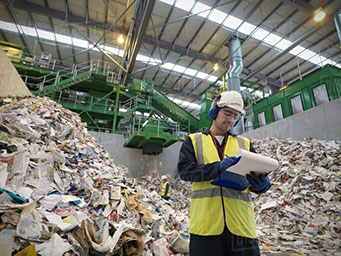
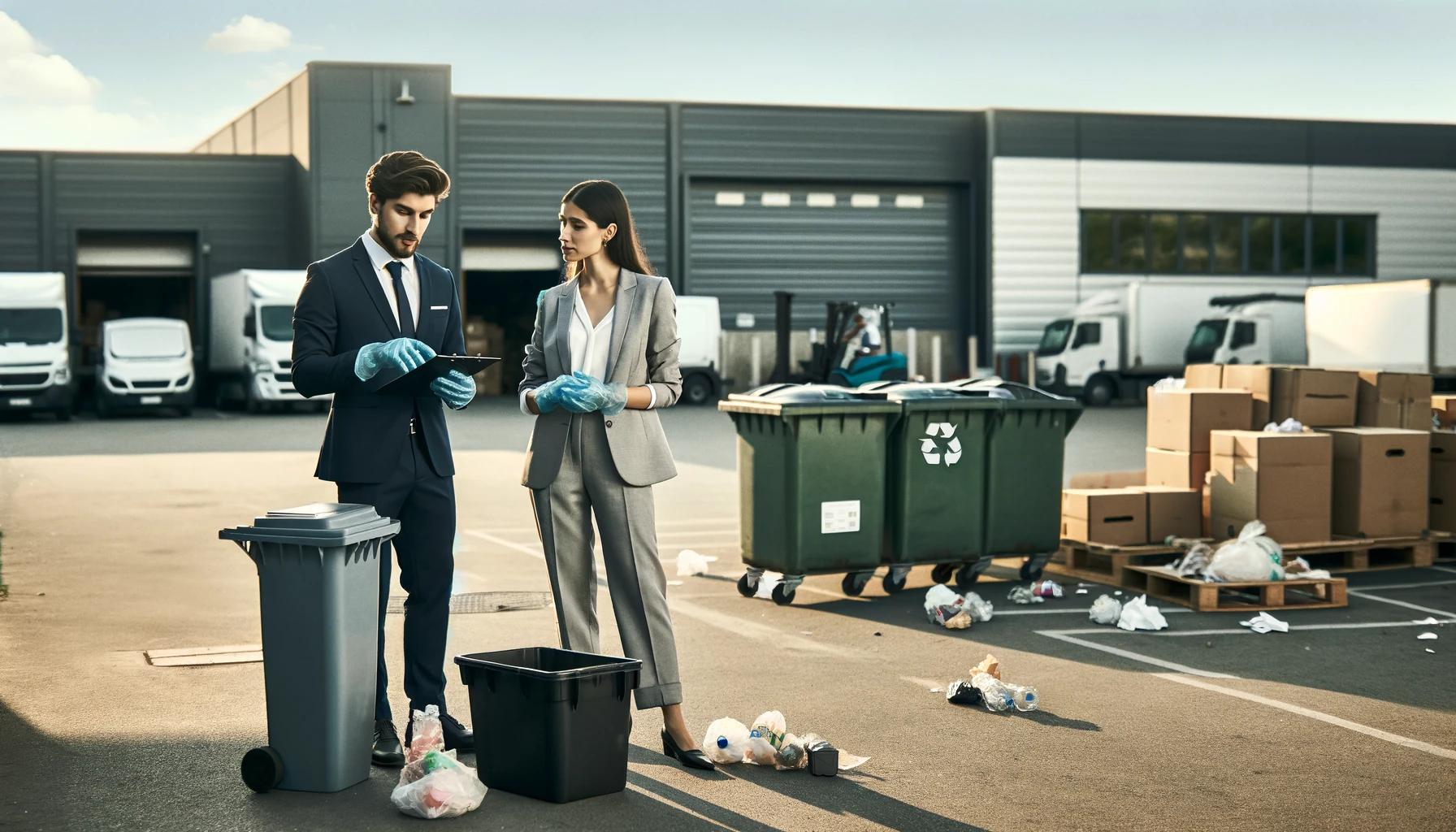
The strategic process of product destruction goes beyond mere disposal; it is a critical business function that safeguards brands, ensures compliance, and offers a unique pathway to sustainability. Far from being a simple end-of-life decision, effective product destruction is a complex operation that, when executed correctly, can transform potential liabilities into valuable opportunities, protecting stakeholders and the planet.
| For landfill-free waste, recycling and product destruction services, including sorting, baling, shredding and compaction equipment, or to explore earning money from your recycling, contact Integrity Recycling Waste Solutions at (866) 651-4797. |
The Imperative of Product Destruction: Beyond Disposal
The need for product destruction emerges from a confluence of factors, ranging from economic necessity to ethical responsibility. It’s no longer just about getting rid of unwanted items; it’s about a calculated, strategic process that safeguards a company’s most vital assets: its brand, its intellectual property, and its commitment to legal and environmental standards. Businesses must look beyond the immediate cost of destruction and recognize the far greater costs—both tangible and intangible—associated with inadequate or improper disposal. This fundamental shift in perspective elevates product destruction from a logistical task to a cornerstone of corporate governance and sustainable practice.
Protecting Brand Integrity and Intellectual Property
Brand integrity is the bedrock of consumer trust and market value. When products that are faulty, expired, recalled, or simply outdated remain in circulation, they pose a significant threat to a company’s reputation. Counterfeit goods, in particular, can deeply erode brand equity, mislead consumers, and divert legitimate sales, often at the expense of product quality and safety. Proper product destruction ensures that these damaging items are permanently removed from the supply chain, preventing them from ever reaching the market or being mistaken for genuine articles. This proactive approach acts as a bulwark against dilution of brand value and protects the substantial investments made in product development, marketing, and quality assurance.
Beyond the immediate market impact, safeguarding intellectual property (IP) is paramount. Many products, especially in technology, fashion, or specialized manufacturing, contain proprietary designs, unique features, or patented technologies. If these items fall into the wrong hands – whether through theft, espionage, or resale on the gray market – confidential information or innovative designs could be reverse-engineered or replicated by competitors. The destruction of prototypes, defective units, or obsolete inventory ensures that trade secrets and proprietary knowledge remain secure, protecting competitive advantage. From a personal analysis perspective, the psychological impact of seeing a counterfeit version of a product you meticulously designed can be devastating, akin to an invasion of creative space. Therefore, product destruction isn’t just about preventing financial loss; it’s about preserving the very essence of innovation and the integrity of creative pursuits within a business. It sends a clear message to the market: our brand stands for quality, authenticity, and safeguarding our intellectual capital at all costs.
Ensuring Regulatory Compliance and Data Security
In an increasingly regulated world, adherence to industry-specific laws, environmental regulations, and data privacy mandates is non-negotiable. Many sectors, such as pharmaceuticals, food and beverage, and electronics, have stringent requirements for the disposal of products that no longer meet safety standards, have expired, or contain sensitive information. Non-compliance can lead to massive fines, legal battles, operational shutdowns, and irreparable damage to public perception. For example, medical waste or unconsumed controlled substances require highly specialized destruction processes to prevent environmental contamination and misuse. Electronics, conversely, often contain hazardous materials like lead and mercury, necessitating specific eco-friendly disposal methods.
Furthermore, products like mobile devices, hard drives, and even smart appliances can store vast amounts of confidential customer data, proprietary business information, or sensitive personal details. Simply deleting files is insufficient; data remnants can often be recovered with specialized tools. Comprehensive data destruction, often involving shredding, degaussing, or pulverization of storage media, is integral to the overall product destruction process for these items. Failure to securely erase or destroy such data can result in severe data breaches, hefty regulatory penalties under frameworks like GDPR or CCPA, and a catastrophic loss of customer trust. My personal insight here is that the challenge is not merely technical but ethical; companies hold a fiduciary duty to protect customer data even after a product’s life cycle. The moral imperative to prevent data leakage is as weighty as the legal one, underpinning the critical role of secure product and data destruction in today’s digital economy.
Mitigating Environmental Impact and Resource Mismanagement
The global focus on sustainability demands that businesses take responsibility for their products throughout their entire lifecycle, including end-of-life. Improper disposal of waste products contributes significantly to landfill burden, soil and water pollution, and the emission of greenhouse gases. Products containing hazardous materials, such as heavy metals in electronics, chemicals in certain textiles, or non-biodegradable plastics, pose long-term environmental threats if not processed correctly. Product destruction, when integrated with robust recycling and material recovery programs, becomes a powerful tool for environmental stewardship. Instead of simply discarding items into landfills, valuable components and raw materials can be extracted and reintroduced into the production cycle, reducing the demand for virgin resources and lessening the environmental footprint of manufacturing.
The alternative – discarding products without considering their composition – represents profound resource mismanagement. Every item manufactured consumed energy, water, and raw materials. To simply throw these resources away at the end of a product’s utility is economically wasteful and ecologically irresponsible. By contrast, a well-planned product destruction strategy can identify reusable parts, recyclable materials, and even energy recoverable from waste-to-energy processes. This transforms waste into a resource, aligning business operations with circular economy principles. From a broader perspective, industries have a moral obligation to not just minimize harm but actively contribute to a healthier planet. Implementing environmentally sound product destruction practices is a tangible demonstration of this commitment, offering a measurable impact on a company’s ecological footprint and enhancing its corporate social responsibility profile in the eyes of increasingly conscious consumers.
Preventing Product Diversion and Gray Market Sales
Product diversion, often referred to as the “gray market,” involves the unauthorized sale of genuine branded products outside of a manufacturer’s approved distribution channels. This can occur when products intended for specific markets (e.g., promotional items, defective returns, or expired stock) are salvaged and resold, typically at discounted prices. Such practices undermine authorized distributors, cannibalize legitimate sales, and can lead to brand perception issues if products reach consumers in unintended conditions (e.g., past expiry or without warranties). The unauthorized sale of these items can create a perception of uneven quality or pricing, damaging the carefully cultivated market position of a brand. This problem is particularly acute for industries with strict pricing strategies or regional distribution agreements, where unauthorized sales channels can disrupt market equilibrium.
Effective product destruction acts as a crucial barrier against product diversion. By ensuring that discontinued, faulty, or excess inventory is completely and irreversibly destroyed, companies eliminate the source of items that could otherwise feed the gray market. This prevention mechanism is vital for maintaining control over the supply chain, protecting profit margins for authorized retailers, and ensuring that consumers always receive products through legitimate, quality-controlled channels. Without meticulous destruction, the risk of these products re-entering the market is unacceptably high, leading to significant financial losses and erosion of brand trust. My personal analysis suggests that while the gray market might seem like a minor leakage, it can, over time, subtly but significantly erode the premium perception of a brand, turning an exclusive product into a commodity. Thus, product destruction becomes not just a waste management tool but a strategic safeguard for market control and premium positioning.
Strategic Approaches to Effective Product Destruction
Implementing successful product destruction requires more than just knowing what to destroy; it demands a strategic, multi-faceted approach encompassing careful assessment, technological adoption, expert partnerships, and robust oversight. It’s a process that needs to be integrated into the broader supply chain management and risk mitigation strategies of an organization. This ensures that the destruction is not only comprehensive and irreversible but also cost-effective and compliant with all relevant regulations. The strategic element lies in moving from reactive disposal to proactive planning, understanding the unique characteristics of different product types and the most appropriate methods for their secure and sustainable end-of-life processing.
Assessing Needs: From Pharmaceuticals to Electronics
The first and most critical step in effective product destruction is a thorough needs assessment, recognizing that a one-size-fits-all approach is neither efficient nor safe. The method of destruction must be tailored to the specific characteristics of the product, including its composition, the nature of any sensitive information it contains, environmental impact considerations, and regulatory requirements. For instance, pharmaceuticals, particularly controlled substances, demand highly secure and often incineration-based destruction to prevent diversion into illicit markets and to ensure complete chemical breakdown that avoids environmental contamination. The chain of custody for such products is exceptionally stringent, requiring meticulous documentation from production to final destruction.
In stark contrast, electronics – from smartphones to servers – necessitate a different approach centered on data security and material recovery. Their destruction often involves physical shredding or degaussing of storage media to render data unrecoverable, followed by advanced recycling processes to reclaim valuable metals (gold, silver, copper) and other materials while safely managing hazardous components like lead or mercury. Food products nearing expiry, on the other hand, might require maceration and composting or anaerobic digestion depending on local waste management infrastructure, focusing on preventing consumption and repurposing organic matter. Textiles, too, present unique challenges, with options ranging from shredding for insulation to recycling into new fibers. My insight is that this initial assessment phase is where foresight genuinely meets practicality. It’s about asking not just “what needs to be destroyed?” but crucially, “what are the risks and opportunities embedded in this specific product’s destruction?” This holistic view ensures that the chosen method optimizes security, compliance, and environmental benefit concurrently.
Leveraging Advanced Technologies and Secure Destruction Methods
Modern product destruction is increasingly reliant on sophisticated technologies and specialized methods that ensure complete, irreversible, and often environmentally sound disposal. Gone are the days when simply dumping products in a landfill was considered sufficient. Today’s techniques are designed to address specific vulnerabilities and material compositions, making the process far more robust. For physical destruction, technologies include industrial shredders capable of pulverizing hard drives, machinery designed to crush and deconstruct large electronic equipment, and specialized incinerators that can safely neutralize hazardous waste or pharmaceuticals at extremely high temperatures. These methods are chosen based on the product’s size, material, and the level of security required. For example, forensic-level data destruction might involve degaussing (magnetic sanitization), overwriting with specific patterns, or physical destruction to nanogram levels, often using specialized crushing or pulverizing equipment.
Beyond physical destruction, there are emerging technologies focused on sustainability and resource recovery. Pyrolysis, for instance, can break down materials like plastics or tires in an oxygen-free environment to produce oils, gases, and char, which can be reused. Advanced sorting technologies, often leveraging AI and robotics, are improving the efficiency and purity of material recovery from complex waste streams. The continuous evolution of these technologies means that what was once a waste product can now be viewed as a valuable source of secondary raw materials. My personal analysis highlights that embracing these advanced solutions is not just about compliance; it’s a strategic investment in operational efficiency and a stronger sustainability profile. It’s about moving from simply “destroying” to “transforming” – where the destroyed product’s components can be given a new life, reducing the overall environmental footprint and potentially creating new revenue streams from what was once an expense.
Partnering with Certified Destruction Specialists
The complexities of product destruction, spanning regulatory compliance, secure data handling, and environmental stewardship, often necessitate partnering with specialized third-party destruction companies. These certified specialists bring invaluable expertise, specialized equipment, and established protocols that most individual companies lack in-house. A reputable destruction partner will possess relevant certifications (e.g., NAID for data destruction, ISO standards for environmental management, or industry-specific licenses for hazardous waste handling), demonstrating their commitment to security, compliance, and responsible practices. Such partnerships mitigate risks, ensuring that sensitive data is truly obliterated, hazardous materials are handled safely, and auditable trails are maintained.
The selection of a destruction specialist should involve rigorous due diligence. Companies should verify certifications, inspect facilities, review their security protocols (including background checks for personnel), and scrutinize their chain of custody procedures. A transparent, auditable process is crucial, from the moment products leave a company’s premises until their final destruction. This often includes secure transportation, continuous video surveillance at the destruction site, and the provision of a Certificate of Destruction. From a management perspective, outsourcing this function allows a company to focus on its core competencies while entrusting a critical but specialized task to experts. My creative insight here is to view these partnerships not as a cost center, but as an extension of a company’s internal risk management and sustainability department. They are custodians of your brand’s integrity and your data’s privacy in its final moments of existence, making their selection one of the most strategic decisions in the entire product destruction process.
Implementing Robust Auditing and Reporting Protocols
Effective product destruction is not complete without stringent auditing and comprehensive reporting protocols. These mechanisms provide accountability, demonstrate compliance, and offer valuable insights for continuous improvement. Companies must maintain a detailed, unbroken chain of custody for all products designated for destruction, documenting their movement from the moment they are identified for disposal until their final obliteration. This involves meticulous inventory management, secure transport logs, and signed receipts at every transfer point. Video surveillance during the destruction process, coupled with timestamped photographic evidence, further enhances the audit trail, providing undeniable proof of destruction.
Beyond simple proof of destruction, reporting should encapsulate environmental impact metrics, such as the volume of materials diverted from landfill, energy recovered, and greenhouse gas emissions avoided. This data not only demonstrates compliance but also supports sustainability reporting and corporate social responsibility initiatives. Regular audits, both internal and external, should verify adherence to established protocols, identify any weaknesses in the destruction process, and ensure that all regulatory requirements are consistently met. This continuous feedback loop allows for refinement of procedures, optimization of resource recovery, and a strengthening of overall security. My personal analysis suggests that these protocols transform product destruction from a necessary expense into a source of verifiable data that can be leveraged for brand storytelling and stakeholder engagement. It builds an undeniable record of responsible practice, allowing companies to confidently assert their commitment to ethical governance and environmental stewardship.
The Economic and Environmental Dividends of Responsible Product Destruction
While often perceived solely as a cost center, responsible product destruction can in fact generate significant economic and environmental dividends. By shifting the perspective from simple waste disposal to value recovery and risk mitigation, companies can uncover substantial benefits that impact their bottom line, enhance their brand reputation, and contribute positively to global sustainability efforts. These dividends extend far beyond the immediate savings from preventing counterfeiting or non-compliance; they embed resilience and responsibility into the very fabric of a corporate entity, offering long-term strategic advantages in a competitive marketplace.
Unlocking Value Through Material Recovery and Recycling
One of the most tangible economic benefits of strategic product destruction is the potential for unlocking value through material recovery and recycling. Many products, even after becoming obsolete, damaged, or expired, contain valuable raw materials such as rare earth metals, precious metals (gold, silver, platinum), various plastics, glass, and specialized alloys. Instead of burying these materials in landfills, advanced recycling processes can extract them, allowing them to be reintroduced into the manufacturing supply chain. This reduces the need for virgin raw materials, which often come with significant environmental costs (mining, refining) and price volatility. For example, e-waste recycling can yield substantial quantities of gold and copper, making the destruction of electronic devices a potential revenue stream rather than just an expense.
The financial upside comes not only from the direct sale of recovered materials but also from reduced raw material procurement costs and often, tax incentives or subsidies for engaging in recycling initiatives. Environmentally, this approach dramatically lessens the ecological footprint of production. It conserves natural resources, reduces energy consumption associated with manufacturing new materials, and minimizes landfill waste and associated pollution. My insight into this aspect is that it embodies the true spirit of the circular economy. It transforms the act of “destruction” into an act of “creation” – where the end of one product’s life cycle creates the beginning of another, fostering a closed-loop system that is inherently more sustainable and economically robust. It’s a powerful demonstration of how seemingly disparate business functions can converge to drive both profit and purpose.
Reducing Liability and Insurance Costs
Improper product destruction exposes companies to significant legal, financial, and reputational liabilities. Products containing hazardous materials, if mishandled, can lead to environmental contamination, necessitating costly cleanup operations and incurring hefty fines from regulatory bodies. Unsecured data on discarded products can result in massive data breaches, triggering expensive legal battles, regulatory penalties (e.g., GDPR fines can be astronomical), and a severe loss of customer trust. The resale of counterfeit or expired goods can lead to product liability lawsuits if they cause harm or fail to perform as expected. Each of these scenarios represents a substantial potential loss that far outweighs the cost of proper destruction.
By contrast, investing in secure, compliant product destruction significantly reduces these liabilities. A certified destruction process provides an ironclad audit trail, offering legal protection in the event of disputes or investigations. This proactive risk management can also translate into lower insurance premiums, as companies demonstrate a lower risk profile due to their robust compliance and security measures. Insurers often view comprehensive waste management and data security protocols favorably, recognizing the reduced likelihood of costly incidents. My personal analysis suggests that while these are “hidden” savings, they are profoundly important. The peace of mind that comes from knowing you’ve mitigated severe risks, coupled with the potential for tangible reductions in insurance costs, makes responsible product destruction a financially prudent long-term strategy for any organization.
Boosting Consumer Trust and Corporate Social Responsibility
In today’s market, consumers are increasingly conscious of a company’s ethical practices, environmental impact, and commitment to data privacy. Beyond product quality and price, a company’s corporate social responsibility (CSR) initiatives significantly influence purchasing decisions and brand loyalty. Responsible product destruction directly contributes to a strong CSR profile. When companies transparently manage their waste, recycle materials, and ensure the secure disposal of sensitive information, they demonstrate a commitment to environmental stewardship and consumer protection. This commitment resonates deeply with socially aware consumers, fostering trust and strengthening brand perception.
Consider the negative publicity associated with brands caught dumping products or having their discarded items end up as counterfeits. Conversely, a company that highlights its secure and sustainable destruction practices can leverage this as a positive brand narrative. It empowers consumers to feel good about their purchases, knowing that the brand they support aligns with their values. This heightened trust can translate into stronger sales, greater customer retention, and an enhanced reputation as a responsible corporate citizen. My creative insight is that product destruction, when done right and communicated effectively, transforms from a back-office operation into a powerful brand asset, distinguishing a company in a crowded marketplace by showcasing its dedication to integrity and sustainability.
Driving Innovation in Sustainable Business Practices
The necessity of proper product destruction inherently encourages and drives innovation within businesses. When companies commit to responsible end-of-life management, they are compelled to think differently about product design, material selection, and reverse logistics. This pushes them towards designing products that are easier to disassemble, made from recyclable or biodegradable materials, and contain fewer hazardous components. The concept of “design for disassembly” or “design for recyclability” directly stems from the imperative to responsibly manage products at their end of life, influencing product development even at its nascent stages.
Furthermore, the pursuit of more efficient and sustainable destruction methods can lead to the discovery of new processes for material recovery, waste-to-energy solutions, or even novel ways to repurpose products without complete destruction. This continuous improvement mindset fosters a culture of innovation that extends beyond the destruction process itself, influencing supply chain efficiencies, manufacturing processes, and overall resource management strategies. My personal analysis emphasizes that this innovative drive makes product destruction not just an “end” but a “beginning.” It forces a holistic view of the product lifecycle, embedding sustainability and resourcefulness at every stage, thereby becoming a catalyst for broader, more impactful changes towards a truly circular and responsible business model.
Future Trends and Challenges in Product Destruction
The landscape of product destruction is not static; it is continually evolving in response to global trends, technological advancements, and shifting societal expectations. As businesses navigate an increasingly complex world, the methods, motivations, and scale of secure disposal will face new challenges and present novel opportunities. Understanding these future trends is crucial for companies to stay ahead, maintain compliance, and continue to leverage the strategic benefits of responsible product end-of-life management.
The Rise of Circular Economy Principles
The most significant overarching trend impacting product destruction is the accelerating shift towards circular economy principles. Traditional linear “take-make-dispose” models are proving unsustainable, leading to resource depletion, environmental degradation, and increased waste. A circular economy aims to keep resources in use for as long as possible, extract the maximum value from them whilst in use, then recover and regenerate products and materials at the end of each service life. This paradigm shift means that product destruction is increasingly viewed not as a final act of disposal, but as a critical gateway to material recovery and regeneration. The focus moves from simply destroying items to ensuring that their components and materials can re-enter the production cycle.
This trend compels companies to design products with their end-of-life in mind – prioritizing modularity, repairability, and the use of recyclable or compostable materials. It also necessitates robust reverse logistics networks and advanced sorting and reprocessing technologies. From a personal analysis perspective, this is a profound philosophical shift: destruction becomes an integral part of creation, an act of carefully dismantling to extract value. The challenge lies in developing cost-effective and scalable methods to recover diverse materials from complex products, but the opportunity is immense – a more resilient supply chain, reduced reliance on virgin resources, and a significantly smaller environmental footprint for industries worldwide.
Navigating Global Supply Chain Complexities
Modern supply chains are globally interconnected, intricate networks that span multiple countries, jurisdictions, and logistical partners. This complexity presents a significant challenge for centralized and consistent product destruction. Products might be manufactured in one region, distributed globally, and returned from numerous markets, each with its own specific regulations concerning waste management, hazardous materials, and data privacy. For instance, a returned electronic device from Europe might be subject to GDPR data destruction requirements, while a similar device returned from Asia might contend with different e-waste recycling mandates. Maintaining a high level of security and compliance across such a diverse landscape is an enormous logistical and regulatory hurdle.
Furthermore, the risk of product diversion and gray market sales is amplified in globalized supply chains, where oversight can be more challenging. Ensuring a secure chain of custody for products destined for destruction, particularly across international borders, demands sophisticated tracking systems and strong partnerships with vetted destruction providers in various regions. My insight here is that the future of product destruction will heavily rely on highly sophisticated, digitally connected ecosystems that provide real-time visibility and auditable trails across every touchpoint, regardless of geographical location. It will require not just robust destruction methods, but an equally robust global risk management strategy.
Adapting to Evolving Data Privacy Regulations
The landscape of data privacy is in constant flux, with new regulations emerging globally (e.g., expanding scope of GDPR, CCPA, and new national laws). As more products become “smart” or connected – storing personal user data, location information, or behavioral patterns – the challenge of securely destroying this embedded data becomes paramount. Simply wiping a device is often insufficient, as data recovery techniques become more sophisticated. The onus is on companies to ensure that every potentially data-bearing product, from an IoT device to a smart appliance, is subject to the highest standards of data sanitization before its physical destruction. This is not just about avoiding fines; it’s about maintaining consumer trust in an age where data breaches are increasingly common and damaging.
The future will demand even more stringent and technically advanced data destruction protocols, potentially requiring certified destruction of memory chips, SSDs, and integrated circuits within products. Companies will need to continuously update their knowledge and methods to keep pace with both regulatory changes and technological advancements in data storage and recovery. My personal analysis suggests that this intersection of product end-of-life and data governance will become a defining feature of responsible business operations. It elevates product destruction from a waste management concern to a critical component of a company’s overall cybersecurity and privacy framework, demanding a level of forensic precision and ongoing vigilance never before seen.
Innovations in Secure and Sustainable Disposal Technologies
The drive for greater security, efficiency, and sustainability in product destruction is fueling significant innovation in disposal technologies. We can expect to see further advancements in material science that create products easier to dismantle and recycle, alongside breakthroughs in recycling technologies that can separate and recover an even wider array of complex materials, including challenging composites or multi-layered plastics. Artificial intelligence and robotics will play an increasingly vital role in advanced sorting facilities, increasing recovery rates and purity. Automation will also enhance the security of destruction processes, reducing human error and potential for diversion.
Furthermore, novel chemical and biological processes for breaking down materials, such as enzyme-based recycling for plastics or advanced bioreactors for organic waste, hold promise for future, more environmentally benign destruction methods. Energy recovery from waste, through advanced incineration or gasification, will also become more sophisticated and efficient, transforming destruction into energy generation. My creative insight here is to envision a future where “waste” becomes an outdated term. Instead, we speak of “resource streams” flowing through highly optimized, technology-driven recovery and destruction hubs that are seamlessly integrated into the initial product design phase. This holistic integration, powered by continuous innovation in secure and sustainable disposal technologies, represents the ultimate transformation of waste into endless opportunity.
Conclusion
The evolution of product destruction from a mere logistical necessity to a strategic business imperative reflects a profound shift in corporate responsibility and operational foresight. It underscores that proper end-of-life management is not just about safeguarding against financial losses and regulatory penalties, but about actively creating value through brand protection, ethical data stewardship, and environmental sustainability. By leveraging advanced technologies, partnering with certified specialists, and embedding robust protocols, companies can transform the challenge of unwanted inventory into a powerful demonstration of their commitment to integrity, innovation, and a more circular, responsible future.
| For landfill-free waste, recycling and product destruction services, including sorting, baling, shredding and compaction equipment, or to explore earning money from your recycling, contact Integrity Recycling Waste Solutions at (866) 651-4797. |