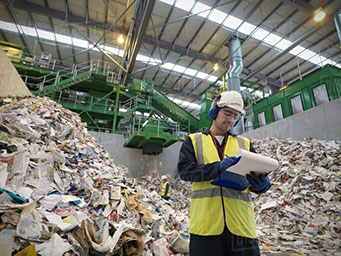
| For landfill-free waste, recycling and product destruction services, including sorting, baling, shredding and compaction equipment, or to explore earning money from your recycling, contact Integrity Recycling Waste Solutions at (866) 651-4797. |
The term medical device destruction refers to the systematic process of properly destroying medical equipment and devices that are no longer usable, have become obsolete, or pose potential health hazards. This crucial process protects sensitive information, minimizes environmental impact, and ensures compliance with regulatory standards in healthcare settings.
The Importance of Proper Medical Device Destruction
Medical devices range from simple items like bandages to complex machinery like MRI machines. With technology evolving rapidly, many medical devices become outdated or malfunction, necessitating their destruction. Proper medical device destruction is not just an operational necessity; it has far-reaching implications for patient safety, legal compliance, and environmental stewardship.
Inadequate disposal of these devices can lead to dangerous consequences such as unauthorized use of medical data, exposure to hazardous materials, and violation of laws governing medical waste handling.
Patient Safety Considerations
Patient safety is paramount in any healthcare facility. Disposing of old or malfunctioning medical devices improperly can pose serious risks. For instance, if a defibrillator or surgical instrument is not appropriately destroyed, there is a risk of it being reused without proper decontamination.
If such a device were to fall into the wrong hands, not only could it compromise the integrity of future treatments, but it may also introduce harmful pathogens to patients. Therefore, ensuring that all devices are rendered completely unusable before disposal is critical to safeguarding patient health.
Legal Liabilities and Compliance
Healthcare facilities operate under strict regulations regarding the disposal of medical devices. Various local, state, and federal regulations govern how medical equipment must be disposed of—primarily to protect public health and the environment.
Failing to adhere to these regulations can result in significant penalties, lawsuits, and damage to an institution’s reputation. Facilities must implement robust medical device destruction policies and procedures to avoid potential legal issues and ensure compliance with the Health Insurance Portability and Accountability Act (HIPAA), the Resource Conservation and Recovery Act (RCRA), and other pertinent legislation.
Environmental Impact
The environmental footprint of improper medical device disposal can be substantial. Many medical devices contain toxic materials such as lead, mercury, and various plastics that can leach into soil or water supplies if discarded irresponsibly.
Implementing responsible destruction methods minimizes hazardous waste and helps organizations contribute positively to their communities. Safe disposal practices help mitigate pollution and promote a cleaner environment, which is essential for public health.
Regulations and Compliance for Medical Device Disposal
Regulatory frameworks play a significant role in shaping medical device destruction practices. Understanding these regulations is vital for healthcare providers seeking to create a compliant and efficient disposal strategy.
This section explores the primary regulations and guidelines that govern the destruction of medical devices.
Federal Regulations
At the federal level, various agencies oversee the disposal of medical devices, including the U.S. Food and Drug Administration (FDA) and the Environmental Protection Agency (EPA). Their regulations dictate how healthcare facilities must handle and destroy medical devices.
The FDA’s guidance on medical device recall includes specific stipulations about how recalled devices should be disposed of to ensure they do not re-enter circulation. Furthermore, the EPA provides guidelines on managing hazardous waste, requiring healthcare entities to identify and segregate hazardous materials adequately.
State Regulations
State regulations on medical waste management can vary significantly. Some states have more stringent requirements than others, necessitating that healthcare facilities remain informed about their specific obligations.
For example, certain states mandate that expired devices must be transported to designated facilities for destruction, while others allow on-site destruction. Healthcare organizations must stay abreast of the regulations applicable to them to avoid costly fines and penalties.
Industry Standards and Best Practices
Beyond governmental regulations, industry-specific organizations like the Association for the Advancement of Medical Instrumentation (AAMI) provide guidelines and recommendations for handling and disposing of medical devices effectively. These standards encourage best practices that prioritize patient safety, environmental protection, and risk mitigation.
Healthcare facilities should regularly consult these resources and incorporate established best practices into their medical device destruction processes.
Methods and Technologies for Medical Device Destruction
As technology evolves, so do the methods for medical device destruction. Choosing the right approach is critical for achieving effective and compliant disposal.
This section delves into the various methods and technologies available for medical device destruction.
Mechanical Destruction
Mechanical destruction involves physically damaging devices beyond repair—rendering them unusable. This method often employs shredders, crushers, or guillotines designed specifically for the destruction of medical devices.
Mechanical destruction is effective and provides a tangible means of ensuring that devices cannot be reused. However, care must be taken to handle potentially hazardous materials, especially when dealing with electronic devices containing batteries or sharp instruments.
Chemical Destruction
Chemical destruction utilizes specific chemicals to neutralize and break down the materials within medical devices. This method is particularly effective for devices that contain hazardous components, such as batteries or heavy metals, ensuring they are appropriately treated before disposal.
Healthcare facilities must have trained personnel who understand chemical handling protocols, and consideration must be given to local regulations dictating the use of chemical destruction methods.
Incineration
Incineration is one of the most common methods for disposing of medical waste, including devices. This process involves burning medical devices at high temperatures, effectively eliminating harmful pathogens and reducing waste volume.
However, incineration can produce emissions, so it’s essential to utilize environmentally friendly incinerators equipped with filtration systems to capture harmful substances. Facilities must ensure compliance with local ordinances regarding air quality during incineration.
Emerging Technologies
Advancements in technology are paving the way for innovative approaches to medical device destruction. Techniques involving plasma arc technology, microwave digestion, and advanced shredding systems are gaining traction.
These emerging methods may offer enhanced efficiency, reduced environmental impact, and increased safety. As research and development continue, healthcare organizations should remain open to adopting these innovations.
Risk Management in Medical Device Disposal Processes
Risk management is an integral aspect of managing medical device disposal. A comprehensive understanding of potential risks can help healthcare facilities develop proactive strategies to address them.
This section discusses the risk management considerations involved in medical device destruction.
Identifying Potential Risks
The first step in risk management for medical device disposal is identifying the potential risks associated with inadequate disposal. These include:
- Data Breaches: Sensitive patient information can be compromised if devices containing personal health information are improperly disposed of.
- Exposure to Hazards: Improper handling of devices containing hazardous materials may expose employees or the community to toxic substances.
- Legal Liability: Non-compliance with disposal regulations can lead to legal repercussions for healthcare facilities.
By identifying these risks early, organizations can take appropriate steps to mitigate them.
Implementing Robust Policies and Procedures
With identified risks in mind, healthcare facilities should develop clear policies and procedures for medical device disposal. These must outline each step in the destruction process, designate responsibility among staff, and ensure consistent adherence to industry regulations.
Training programs should educate employees on proper disposal practices, emphasizing the importance of compliance and safety in the workplace. Regular audits and inspections can further reinforce adherence to established policies.
Monitoring and Continuous Improvement
Effective risk management is an ongoing process that requires monitoring and continuous improvement. Healthcare organizations should regularly evaluate their medical device destruction methods, assess compliance with regulations, and adapt policies based on changes in technology and regulatory requirements.
Establishing a feedback loop allows organizations to learn from past mistakes and improve their disposal practices over time.
Cost-Effective Strategies for Medical Device Destruction
While the importance of proper medical device destruction cannot be overstated, cost considerations are equally significant for healthcare facilities.
This section presents strategies to minimize costs while ensuring compliance and safety.
In-House vs. Outsourcing
One of the first decisions healthcare organizations need to make is whether to conduct medical device destruction in-house or outsource to a specialized vendor.
Conducting in-house destruction can save money but requires investments in equipment and training staff. Conversely, outsourcing eliminates the burden of maintaining compliance and ensuring employee safety, though it may incur higher immediate costs.
Evaluating the cost-benefit relationship between these options will help organizations find a solution that aligns with their budget and operational needs.
Bulk Disposal Practices
Adopting bulk disposal practices can reduce costs associated with transportation and processing. By collecting and destroying medical devices in larger quantities, healthcare facilities can negotiate better rates with vendors and minimize waste management expenses.
Additionally, facilities can organize regular collection events to streamline the disposal process and engage staff in promoting responsible waste management practices.
Investing in Technology
Investing in technology solutions that optimize medical device disposal can yield long-term cost savings. Advanced shredding or destruction machines may require upfront costs, but their efficiency can significantly reduce labor and transportation expenses.
Moreover, embracing digital solutions for tracking and auditing medical device disposal can enhance compliance and mitigate risks, ultimately saving organizations from potential penalties.
Environmental Considerations in Medical Device Destruction Practices
The environmental implications of medical device destruction are increasingly under scrutiny as healthcare organizations strive for sustainability.
This section explores eco-friendly practices and strategies to consider in medical device destruction.
Waste Segregation
Proper waste segregation is a foundational element of environmentally responsible medical device disposal. By categorizing devices based on their material composition (plastic, metal, electronic), healthcare facilities can ensure appropriate treatment and recycling.
Efforts should focus on minimizing landfilling by recycling as many components as possible. For instance, many electronic devices can have valuable metals extracted and reused, reducing the demand for virgin materials.
Sustainable Destruction Methods
When contemplating medical device destruction, it’s essential to consider sustainable techniques. As mentioned earlier, methods such as plasma arc destruction and other advanced technologies can reduce environmental impact by minimizing emissions and energy consumption.
Facilities should seek out vendors using green alternatives in their medical device destruction processes to align with sustainability goals.
Engaging in Community Programs
Active participation in community programs focused on waste reduction and sustainable practices can foster relationships between healthcare organizations and the public. Collaborating with local governments and environmental organizations can facilitate educational initiatives around proper medical device disposal and encourage community involvement.
Healthcare facilities can also promote initiatives like “Device Take-Back Days,” allowing the public to dispose of unused or expired medical devices safely.
Conclusion
In summary, proper medical device destruction encompasses numerous critical components, from ensuring patient safety and adhering to regulatory compliance to leveraging innovative technologies and sustainable practices. Healthcare organizations must prioritize developing comprehensive and effective disposal strategies to mitigate risks, optimize costs, and protect the environment. By implementing robust policies and continually improving their processes, healthcare providers can navigate the complexities of medical device destruction while fulfilling their commitment to patient safety and environmental stewardship.
| For landfill-free waste, recycling and product destruction services, including sorting, baling, shredding and compaction equipment, or to explore earning money from your recycling, contact Integrity Recycling Waste Solutions at (866) 651-4797. |