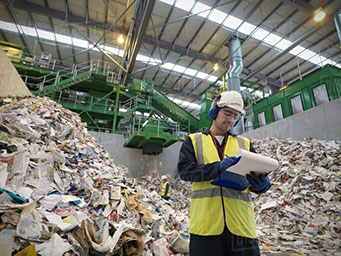
| For landfill-free waste, recycling and product destruction services, including sorting, baling, shredding and compaction equipment, or to explore earning money from your recycling, contact Integrity Recycling Waste Solutions at (866) 651-4797. |
Beer destruction is a term that often conjures images of wasted beverages pouring down drains or being disposed of in landfills. While beer may be a beloved beverage around the world, circumstances sometimes necessitate its destruction. This blog post delves into the environmental and economic impacts of beer destruction, analyzes various methods employed in the process, considers ethical aspects regarding food waste, examines regulatory frameworks governing such actions, explores alternatives to outright disposal, and highlights significant case studies that provide valuable lessons.
Environmental and Economic Impacts of Beer Destruction
The destruction of beer does not occur in a vacuum; it has far-reaching consequences for both the environment and the economy. While many individuals might see this as simply wasting something enjoyable, the reality is much more complex.
The brewing industry, like many others, generates considerable amounts of waste. When beer is destroyed, the ingredients used to make it are also lost, contributing to broader issues of resource wastage. Understanding these impacts gives us insight into why we must seek solutions to beer destruction.
Environmental Consequences of Beer Destruction
When we think about the environmental footprints of industries, the brewing sector usually surfaces due to its water usage, energy consumption, and agricultural inputs. However, beer destruction adds another layer of concern.
First and foremost, disposing of beer improperly can lead to pollution. For instance, when large quantities of beer are poured out, they can enter wastewater systems, upsetting the delicate balance of local ecosystems. Yeast and sugars from beer can create imbalances in aquatic environments, which can lead to hypoxia (a state of low oxygen levels) and affect marine life.
Moreover, the carbon footprint associated with brewing beer does not disappear once the beer is made. Ingredients like barley and hops require extensive agricultural practices, including fertilizers, herbicides, and water. When beer is destroyed, all the resources that went into producing those ingredients are wasted as well.
Economic Impacts of Beer Destruction
From an economic standpoint, the destruction of beer represents a loss that resonates throughout the supply chain. Breweries incur costs not just in production but also in marketing, distribution, and labor. When beer is destroyed, these costs amplify, leading to reduced profitability for breweries.
Additionally, there are implications for the job market. Breweries employ thousands globally, and destroying their products can lead to downsizing or layoffs. Small craft breweries, in particular, may struggle to recover from the financial burden of beer destruction, impacting local economies and communities.
Societal Costs of Beer Destruction
Beyond environmental and economic considerations, we must acknowledge the societal ramifications of beer destruction. Beer is often associated with culture, social gatherings, and traditions. The act of destroying beer can feel like a symbolic loss for communities that cherish these experiences.
Public perception plays a role as well; consumers who witness beer destruction might develop negative sentiments towards brands or breweries that resort to such measures. This could diminish brand loyalty and affect sales long after the event occurs. In essence, beer destruction is not merely a logistical issue; it encapsulates broader narratives around sustainability, community, and responsibility.
Methods of Beer Destruction: A Comparative Analysis
As the brewing industry is faced with excess inventory, mishaps during production, or changes in consumer demand, various methods of beer destruction come into play. Different breweries adopt unique practices based on their circumstances, regulations, and philosophies.
Understanding these methods not only helps us comprehend why beer destruction occurs but also sheds light on best practices that can minimize waste.
Pouring It Down the Drain
One of the most common methods of beer destruction is simply pouring it down the drain. This practice, while straightforward, is fraught with challenges, particularly in terms of environmental impact.
When breweries choose this method, they often use special processes or equipment to manage the waste entering municipal wastewater systems. Despite this attempt at mitigation, the potential for ecological disruption remains high.
Pouring beer down the drain is often seen as wasteful, leading to backlash from consumers and advocacy groups. Consequently, many breweries have begun seeking alternative methods that offer cleaner and more responsible solutions.
Biogas Production
A growing trend among breweries is to convert surplus beer into biogas. This method involves anaerobic digestion, a natural process where microorganisms break down organic matter, producing methane gas.
Breweries that adopt this approach can tap into renewable energy sources by harnessing the biogas generated from beer waste. Not only does this method mitigate waste, but it allows breweries to generate energy for their operations or even sell back to the grid.
This process presents a win-win scenario: it reduces beer destruction while simultaneously contributing to energy sustainability. Implementing biogas production hinges on investments in technology and infrastructure, making it more feasible for larger breweries than smaller operations.
Composting
Another innovative method for dealing with surplus beer involves composting—an environmentally friendly process that turns organic waste into nutrient-rich soil.
Some breweries have begun exploring composting options by collaborating with local farms or organizations to repurpose spent grains and sour beer. The latter can contribute beneficial microbes to the composting process.
While composting offers numerous ecological benefits, challenges remain, particularly concerning obtaining the necessary permits and navigating local regulations. Furthermore, successful composting requires careful management to ensure that the resulting product is safe and effective for use.
Donation Programs
In recent years, some breweries have turned to donation programs as a solution to beer destruction. By partnering with charities, food banks, and shelters, breweries can donate unsold beer that may otherwise go to waste.
This method taps into the ethical responsibilities of breweries while providing communities with valuable resources. However, the process requires strict adherence to regulations surrounding alcohol distribution, which can complicate implementation.
Donation programs are becoming increasingly attractive to consumers, who appreciate efforts to reduce waste and contribute to social good. As a result, breweries participating in donation initiatives may enhance their reputations and strengthen customer loyalty.
Beer Destruction and Food Waste: Ethical Considerations
At the intersection of beer destruction lies a significant ethical question: how do we reconcile the act of destroying consumable products, especially in a world grappling with food waste?
With millions of people globally facing food insecurity, the dilemma of beer destruction raises moral concerns about wastefulness and responsibility. Exploring these ethical considerations prompts a deeper reflection on our values and priorities as a society.
The Paradox of Abundance
The modern world is characterized by paradoxes; while some regions experience abundance, others face severe scarcity. Beer destruction epitomizes this contradiction—a substance that provides enjoyment and cultural significance is ultimately treated as expendable.
This phenomenon raises questions about our relationship with food and drink. Why do we deem certain items acceptable to waste, while others evoke horror when discarded? Understanding the social constructs surrounding value can help illuminate the complexities of beer destruction and guide more responsible practices.
Responsibility of Producers
Breweries bear a degree of responsibility for their products, which extends beyond the point of sale. When beer is marked for destruction, it’s essential for producers to grapple with the implications of their decisions.
Responsible brewing practices should involve anticipatory measures to mitigate waste, such as maintaining accurate forecasting, collaborating with retailers, and exploring flexible production schedules. Rather than accepting beer destruction as an inevitability, breweries have a moral obligation to embrace innovation and creativity in managing surplus inventory.
Consumer Awareness and Accountability
Consumers also play a critical role in addressing beer destruction and the broader issue of food waste. By fostering awareness of the challenges faced by breweries and supporting sustainable practices, individuals can contribute to efforts that minimize waste.
Ethical consumption begins with informed choices; engaging with local breweries, understanding their philosophies, and advocating for sustainable practices can create positive ripple effects. The notion that every pint matters encourages consumers to reflect on their consumption habits and the impact they have on resources.
Regulatory Frameworks Governing Beer Destruction
The landscape of beer destruction is shaped significantly by regulatory frameworks designed to govern the alcohol industry. These laws vary across regions and can have profound implications for how breweries handle excess inventory.
Understanding the legal context surrounding beer destruction helps clarify why certain methods are favored over others and emphasizes the importance of compliance in minimizing waste.
Overview of Alcohol Regulatory Bodies
In many countries, the production and distribution of alcoholic beverages are regulated by specific bodies that oversee licensing, safety standards, and waste management. For example, in the United States, the Alcohol and Tobacco Tax and Trade Bureau (TTB) sets regulations governing the destruction of beverage alcohol.
Breweries must navigate this complex web of regulations carefully, ensuring compliance in their destruction practices. Failure to comply can result in fines, penalties, and damage to reputation—factors that small and large breweries must consider before opting for destruction.
State-Specific Regulations
In addition to federal oversight, breweries often must adhere to state-specific regulations governing alcohol. These rules can dictate how and when beer can be destroyed, requiring documentation or inspection before proceeding.
Navigating these regulations can be cumbersome for breweries, particularly smaller ones lacking dedicated legal teams. Nonetheless, understanding the regulatory landscape equips businesses to make informed decisions and minimizes the risk of costly missteps.
Emerging Trends in Regulation
As public awareness of food waste and sustainability grows, regulatory frameworks surrounding beer destruction are evolving. Anticipating these shifts is crucial for breweries seeking to remain compliant while adopting more sustainable practices.
Recent trends indicate a push toward looser regulations surrounding beer donations, allowing breweries to engage in altruistic practices without fear of penalty. Additionally, regulatory bodies are beginning to explore incentives for breweries that implement innovative waste reduction strategies, signaling a shift toward recognizing the shared responsibility of producers and regulators.
Alternatives to Beer Destruction: Repurposing and Recycling
As the brewing industry confronts the realities of surplus beer, innovative alternatives to outright destruction are emerging. Embracing repurposing and recycling can transform wasted resources into valuable assets, addressing both ethical and practical challenges.
Exploring these alternatives reveals the potential for creative solutions that benefit breweries, consumers, and the environment.
Brewing Innovations with Surplus Beer
Repurposing surplus beer is gaining traction among breweries looking to minimize waste. Some organizations experiment with creating new products from leftover beer, such as beer-infused sauces, marinades, or baked goods.
For instance, breweries can partner with local eateries to create unique menu items featuring their beers. This collaborative effort not only preserves resources but fosters community engagement and supports local businesses.
Upcycling Beer Ingredients
Beyond transforming finished beer, there’s potential to upcycle the raw ingredients used in brewing. Spent grains, hops, and yeast can be repurposed into nutritious animal feed or incorporated into health foods.
Upcycling spent grains into granola bars, protein powders, or snack foods is one way to turn waste into opportunity. This strategy aligns with a growing trend toward plant-based diets and sustainability, appealing to eco-conscious consumers.
Collaborations with Local Farmers
Breweries can forge partnerships with local farmers to address surplus beer creatively. By sharing excess inventory, breweries can support agricultural endeavors while reducing waste.
Local farmers may find value in using surplus beer as livestock feed or fertilizers. Such collaborations highlight the interconnectedness of farming and brewing, rooted in a shared commitment to sustainability.
Educating Consumers about Repurposing
To maximize the impact of repurposing strategies, breweries can invest in educating consumers about the importance of waste reduction. Initiatives like workshops, brewery tours, or social media campaigns can raise awareness and promote responsible consumption.
Shifting consumer perceptions toward the value of surplus resources transforms waste into opportunities. Education empowers consumers to make informed choices, fostering a collective commitment to sustainability.
Case Studies: Large-Scale Beer Destruction Events and Lessons Learned
Throughout history, significant events have highlighted the sheer scale of beer destruction and the lessons learned from these occurrences. By examining these case studies, we can glean insights into best practices and identify areas for improvement.
Understanding past failures can pave the way for a more sustainable future within the brewing industry.
The COVID-19 Pandemic and Beer Waste
The COVID-19 pandemic presented unprecedented challenges for the brewing industry, leading to widespread beer destruction as venues closed and demand plummeted. With inventory accumulating rapidly, many breweries found themselves forced to destroy vast quantities of unsold beer.
During this crisis, several breweries pivoted to produce hand sanitizer, repurposing their alcohol to meet urgent needs. This proactive response showcased the capacity for creativity and adaptability during difficult times.
The 2019 Beer Wasteland
In 2019, the United Kingdom witnessed an estimated 600,000 pints of beer wasted after a series of festival cancellations due to unforeseen circumstances. Breweries were left grappling with freshly brewed beer that had no outlet.
This incident prompted discussions about better planning and contingency measures within the industry. Many breweries began implementing more flexible production schedules and building relationships with local retailers to distribute surplus inventory efficiently.
Insights from California’s Craft Beer Scene
California’s craft beer scene has garnered attention for its innovative approaches to waste management, particularly during periods of excess production. Several breweries have adopted sustainable practices that prioritize repurposing and community engagement.
Collaboration between breweries and nonprofits has resulted in successful donation programs that channel excess beer to those in need. These partnerships have demonstrated the positive impact of collective efforts, reinforcing the idea that collaboration can yield meaningful change.
Conclusion
Beer destruction is a multifaceted issue encompassing environmental, economic, ethical, and regulatory dimensions. As we navigate this complex terrain, the brewing industry must embrace innovative solutions to minimize waste while upholding their responsibilities to communities and the planet. By fostering a culture of sustainability, collaboration, and education, we can collectively work toward reducing the instances of beer destruction and ensuring that the beverages we cherish are valued rather than wasted. Through these concerted efforts, we can pave the way for a brighter, more sustainable future within the brewing sector, echoing its rich heritage while nurturing a responsible ethos.
| For landfill-free waste, recycling and product destruction services, including sorting, baling, shredding and compaction equipment, or to explore earning money from your recycling, contact Integrity Recycling Waste Solutions at (866) 651-4797. |