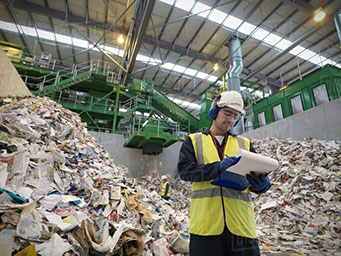
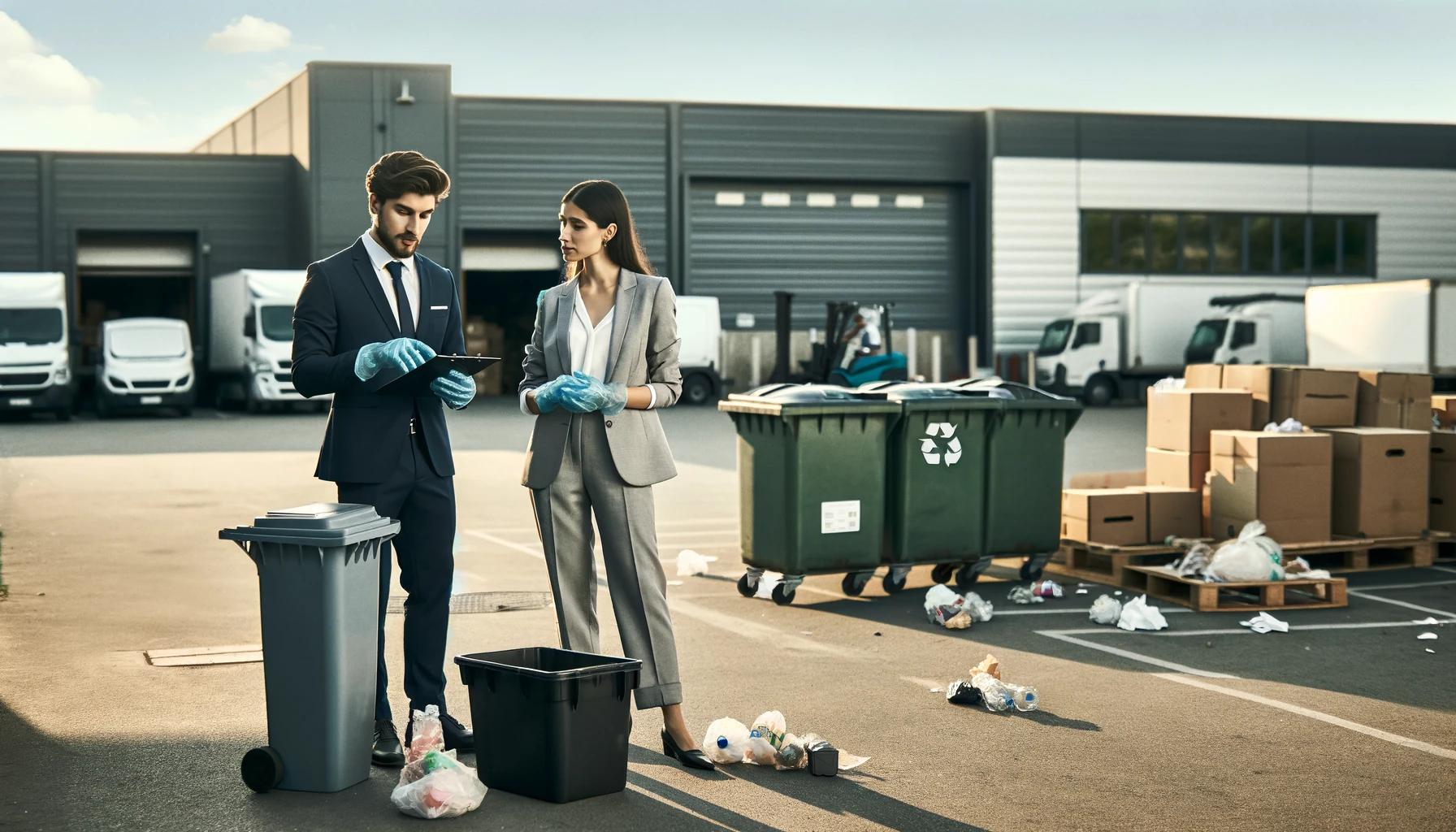
When it comes to sustainable waste management, knowing how to prepare your paper and cardboard for recycling is crucial. Properly preparing these materials not only improves the efficiency of recycling processes but also ensures that your efforts contribute meaningfully to environmental preservation. Whether you’re a business looking to improve your waste compliance or a homeowner eager to reduce landfill contribution, understanding the ins and outs of recycling preparation makes a significant difference.
In this comprehensive guide, we’ll explore practical tips, insightful strategies, and important considerations to help you master the art of preparing paper and cardboard for recycling. This knowledge empowers you to streamline your waste management practices, minimize contamination, and potentially boost recycling revenue streams.
| For commercial landfill-free waste, recycling and product destruction services, including sorting, baling, shredding and compaction equipment, or to explore revenue from your recycling, contact Integrity Recycling Waste Solutions at (866) 651-4797. |
Understanding the Importance of Properly Preparing Paper and Cardboard for Recycling
Before diving into the specific steps, it’s essential to recognize why proper preparation matters. Paper and cardboard are among the most recycled materials worldwide, but their recyclability depends heavily on their cleanliness and condition. Contaminated or improperly sorted materials can disrupt recycling streams, cause costly processing errors, and even result in recyclable materials being sent to landfills.
One insight that often goes unnoticed is how contamination — such as food residue or plastic attachments — significantly impacts the quality and value of recyclable paper and cardboard. When waste solutions like advanced sorting and baling equipment are employed, they rely heavily on the cleanliness of materials. Proper preparation minimizes these issues, making recycling more efficient and profitable for businesses and communities alike.
Practical Steps to Prepare Your Paper and Cardboard for Recycling
Knowing how to prepare your paper and cardboard for recycling involves a series of simple yet crucial steps. These preparation strategies help eliminate common contaminants, reduce volume, and ensure the materials are suitable for processing, ultimately enhancing recycling efficiency.
1. Clean and Dry Is Key
The first step is to ensure your paper and cardboard are clean and dry. Food-soiled boxes, greasy containers, or paper with liquid stains can spoil entire batches. For example, pizza boxes contaminated with grease are often rejected or require extensive cleaning, which is not always feasible. Having designated bins for clean recyclable paper encourages workers to deposit only suitable materials. When properly prepared, paper and cardboard are easier to process, reducing the need for costly cleaning or detachment of non-recyclable components.
2. Remove Contaminants and Non-Recyclable Elements
Another important aspect is removing all non-paper items such as plastic window overlays, packing tapes, or labels attached with adhesives. Tackling this step might involve manually peeling stickers or cutting away plastic parts. Using professional waste equipment, like waste compactors, can facilitate the efficient handling and collection of clean, recyclable cardboard. This not only improves the quality of the recycled material but also aligns with sustainable waste solutions, supporting initiatives like LEED certification.
3. Flatten and Collapse for Volume Reduction
Flattening boxes reduces their volume and makes storage and transportation more efficient. It’s a simple process—just break down the boxes along their folds and stack them neatly. This step prevents clutter and allows your recycling collection to fit more material in fewer bins, saving costs and making the process more environmentally friendly. For businesses generating high volumes of cardboard, investing in advanced sorting and baling equipment can significantly optimize these efforts, facilitating revenue generation from recyclables.
4. Proper Sorting Is Essential
Sorting involves separating paper from cardboard, and removing any mixed materials not suitable for recycling. For example, separating cardboard from glossy or coated paper ensures each stream remains pure. Proper sorting can also be tailored with specialized programs, such as cardboard recycling programs, that focus solely on maximizing the recovery of corrugated materials. This step guarantees that only high-quality, recyclable waste enters the system, reducing contamination and improving recycling outcomes.
| For commercial landfill-free waste, recycling and product destruction services, including sorting, baling, shredding and compaction equipment, or to explore revenue from your recycling, contact Integrity Recycling Waste Solutions at (866) 651-4797. |
Examples and Comparisons of Effective Paper and Cardboard Preparation
Let’s consider practical examples to understand how preparation impacts recycling outcomes. Imagine two scenarios: one where an office recycles without proper preparation and another where they implement strict preparation procedures.
In the first scenario, contaminated boxes with food residues, plastic tags, and unflattened stacks are thrown together into a recycling bin. When collected and processed, a significant portion of this material gets contaminated, leading to rejection or downcycling. Consequently, the recycling process becomes inefficient, and profit margins decrease.
In the second scenario, the office staff is trained on the preparation steps—removing plastic fasteners, flattening boxes, and ensuring cleanliness. As a result, recyclables are cleaner and easier to process through advanced equipment, increasing revenue opportunities from recyclable commodities, and putting less strain on waste management systems.
This comparison highlights how simple changes in preparation can yield substantial benefits in recycling efficiency, cost savings, and environmental impact.
Tips and Advises for Efficiently Preparing Paper and Cardboard for Recycling
- Educate and involve all team members: Making sure everyone understands the importance of proper separation and preparation minimizes contamination.
- Establish dedicated recycling stations: Clear signage and clearly designated bins help maintain organization and promote proper disposal.
- Use appropriate equipment: Investing in tools like compactors or balers can facilitate efficient volume reduction and improve revenue from recycled materials.
- Develop a routine review process: Regular waste audits can identify contamination issues early, guiding improvements in preparation practices.
- Partner with qualified waste solutions providers: Companies like Integrity Recycling and Waste Solutions can offer tailored services, including waste audits, equipment rentals, and recycling programs, to optimize your preparation processes and ensure compliance.
| For commercial landfill-free waste, recycling and product destruction services, including sorting, baling, shredding and compaction equipment, or to explore revenue from your recycling, contact Integrity Recycling Waste Solutions at (866) 651-4797. |
FAQs on How to Prepare Your Paper and Cardboard for Recycling
Why is it important to clean paper and cardboard before recycling?
Cleaning reduces contamination, facilitating efficient processing and ensuring that high-quality materials are sent through the recycling stream, which ultimately maximizes the value and utility of recycled paper and cardboard.
Can I recycle food-stained cardboard?
Food-stained cardboard generally isn’t suitable for recycling because contaminants hinder the recycling process. It’s best to compost or dispose of contaminated items in regular waste unless your local facility accepts heavily soiled materials for special processing.
How thin should I flatten my cardboard boxes?
Flatten cardboard boxes completely, ideally along all fold lines, until they are as flat as possible. This practice minimizes volume, reduces transport costs, and makes stacking and storing easier.
What tools or equipment can help with preparing paper and cardboard?
Manual tools like cutters and peelers assist in removing plastic fasteners, while industrial equipment such as waste compactors and balers streamline volume reduction and improve handling efficiency.
Are there any regulations or standards I should follow for recycling paper and cardboard?
Yes, laboratory testing and waste audits can help ensure compliance with local regulations and industry standards. Partnering with responsible waste management providers is also a smart way to maintain adherence to best practices and achieve certifications like LEED.
| For commercial landfill-free waste, recycling and product destruction services, including sorting, baling, shredding and compaction equipment, or to explore revenue from your recycling, contact Integrity Recycling Waste Solutions at (866) 651-4797. |
Conclusion
Mastering how to prepare your paper and cardboard for recycling is a vital step toward more sustainable waste management. By ensuring materials are clean, free of non-recyclable contaminants, flattened, and properly sorted, you not only improve the efficiency of the recycling process but also increase potential revenue and environmental benefits. Implementing best practices, educating staff, and leveraging advanced waste equipment can turn simple preparation into a powerful tool for sustainability. Remember, partnering with experienced waste solutions providers can further streamline these efforts, ensuring your business or community remains eco-friendly and compliant with industry standards. With consistent effort and attention to detail, your recycling initiatives will yield better results and contribute to a healthier planet.