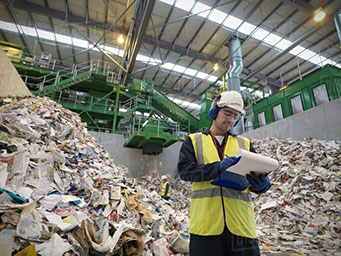
| For landfill-free waste, recycling and product destruction services, including sorting, baling, shredding and compaction equipment, or to explore earning money from your recycling, contact Integrity Recycling Waste Solutions at (866) 651-4797. |
Certified product destruction is a crucial process that not only protects your business but also ensures environmental compliance. In an era where data breaches and corporate accountability are paramount, understanding the significance of certified product destruction can provide peace of mind for businesses while fostering trust with clients and customers.
The Importance of Certified Product Destruction
When it comes to disposing of products, particularly those that contain sensitive information or proprietary technology, businesses must prioritize certified product destruction. This practice is more than just throwing items away; it involves systematic and secure methods to ensure that products are destroyed in a manner compliant with regulations and best practices.
The stakes are high when considering improper disposal techniques. Businesses might expose themselves to legal repercussions, financial losses, and tarnished reputations if sensitive data falls into the wrong hands. Therefore, embracing certified destruction protocols serves as a protective barrier for companies of all sizes.
Understanding the Risks of Improper Disposal
Data Breaches and Financial Liabilities
Improper disposal of products can lead to data breaches that result in significant financial liabilities for organizations. Cybercriminals are continually seeking new ways to access sensitive information, and careless disposal practices leave valuable material exposed.
The consequences of a data breach include:
- Legal fines
- Reputational damage
- Loss of customer trust
- Regulatory penalties To mitigate these risks, companies must invest in secure product destruction methods that’ll safeguard their confidential data.
Environmental Impact
Beyond financial implications, improper disposal also has serious environmental consequences. Many discarded products end up in landfills, contributing to pollution and waste. Non-biodegradable materials can take hundreds of years to decompose, harming ecosystems and wildlife.
The necessity for eco-friendly disposal solutions has never been more critical. By opting for certified destruction, companies demonstrate a commitment to sustainability, which resonates positively with environmentally-conscious consumers.
Legal Obligations
Various industries have stringent regulatory requirements regarding product disposal. For example, healthcare and financial sectors are held to a higher standard due to the sensitivity of the data involved. Failure to comply can result in hefty fines and increased scrutiny from regulatory agencies.
By engaging in certified product destruction, companies not only protect themselves from penalties but also position themselves as responsible entities within their industry.
Ensuring Security in Product Destruction: A Comprehensive Guide
Understanding the mechanisms behind effective product destruction is vital in ensuring that the process is both secure and efficient. Companies need to set clear guidelines and procedures that align with industry standards and compliance regulations.
Establishing a Secure Destruction Policy
Defining Your Goals
Creating a secure destruction policy begins with defining organizational goals. What products need to be destroyed? What sensitive information do they hold? Answers to these questions will guide how you approach the destruction process.
Establishing specific objectives helps create focus:
- Minimize risk exposure
- Protect sensitive data
- Promote sustainability
Employee Training and Awareness
Having well-defined policies is essential, but without properly trained staff, these policies may falter. Organizations should implement training programs to educate employees on the importance of secure product destruction.
Training can cover topics like:
- Identifying what needs to be destroyed
- Recognizing secure destruction methods
- Maintaining confidentiality during the destruction process
Awareness initiatives strengthen the culture of security within the organization while reducing the likelihood of careless mistakes.
Vendor Selection and Partnerships
Selecting the right vendor is pivotal when it comes to secure product destruction. A reputable vendor should demonstrate compliance with both industry standards and local regulations pertaining to waste management and data privacy.
Key criteria to consider when choosing a vendor include:
- Certifications (ISO, NAID)
- Track record in secure destruction
- Customer reviews and testimonials
- Transparency in processes and reporting
Having a trustworthy partner ensures that your organization’s product destruction needs are managed effectively.
Documentation and Record Keeping
Importance of Accurate Records
Maintaining proper documentation throughout the destruction process is vital for accountability. Clear records serve as proof that products have been securely disposed of, which can be invaluable in case of audits or inquiries.
Documentation should include details such as:
- Type of product destroyed
- Quantity disposed of
- Method of destruction
- Date of destruction
These records not only fulfill compliance requirements but also provide peace of mind to stakeholders, reassuring them that the organization handles sensitive information responsibly.
Creating a Chain of Custody
Establishing a chain of custody throughout the destruction process safeguards against any unauthorized access to sensitive materials. This involves tracking the movement of products from collection to destruction consistently.
Steps to maintain a robust chain of custody include:
- Logbooks for tracking
- Signed agreements with vendors
- Regular audits of destruction practices
A transparent chain of custody further enhances trust between the organization, its partners, and customers.
Continuous Improvement in Destruction Practices
Embracing Technology
Incorporating technology into the product destruction process can significantly enhance security and efficiency. For instance, utilizing digital systems for tracking and documenting destruction activities provides real-time insights and reduces human errors associated with paperwork.
Leveraging software solutions can help monitor:
- Inventory levels
- Destruction schedules
- Compliance status
Technology not only streamlines processes but also minimizes risks associated with manual handling of sensitive materials.
Feedback Mechanisms
Having a method for gathering feedback from employees and partners on the destruction process can unveil areas for improvement. Regularly evaluating policies and practices allows organizations to adapt to emerging threats and changes in regulations.
Consider implementing:
- Anonymous surveys
- Regular team meetings
- KPIs related to destruction efficacy
A proactive approach to feedback fosters a culture of continuous improvement and reinforces the importance of secure product destruction.
Certified vs. Non-Certified Destruction: Understanding the Risks
Understanding the differences between certified and non-certified destruction methods is crucial for organizations aiming to protect themselves, their data, and their reputations. While both methods involve destroying products, only certified approaches guarantee compliance with strict industry standards.
The Value of Certification
Assurance of Compliance
Engaging in certified product destruction ensures that your organization adheres to legal mandates and industry regulations. Certification typically accompanies rigorous assessments and regular inspections, confirming that the methods employed meet specific benchmarks for safety and efficacy.
Working with certified vendors mitigates the risk of future liabilities connected to improper disposal practices. This assurance gives businesses the confidence to operate without fear of potential repercussions.
Enhanced Security Measures
Certified destruction practices often incorporate enhanced security measures that go beyond basic disposal techniques. These may include:
- Secure facilities
- Controlled access
- Surveillance systems
Such measures reduce the likelihood of data breaches that could arise from lax security protocols, thereby enhancing the overall integrity of the destruction process.
Risks Associated with Non-Certified Destruction
Increased Vulnerability to Data Breaches
Non-certified destruction practices leave organizations vulnerable to data breaches, putting sensitive information at risk. Without adherence to industry standards, there is a greater chance that data could be recovered by malicious actors.
In many cases, businesses engage less regulated services simply because they appear to be lower-cost options. However, this short-sighted decision could lead to catastrophic long-term costs, including legal battles, lost revenue, and irreparable harm to reputation.
Lack of Accountability
Without certification, it is difficult for businesses to hold service providers accountable for their actions. Organizations might face challenges in verifying whether a vendor has followed through on destruction promises, potentially leading to disputes over liability in case of breaches.
The absence of credible certification can create confusion and mistrust, both internally among employees and externally with customers and stakeholders.
Best Practices for Navigating Destruction Choices
Conducting Due Diligence
When selecting a destruction service provider, businesses must conduct thorough due diligence. Research potential vendors, verify their credentials, and ensure they possess relevant certifications.
Consider requesting:
- Proof of certification
- References from previous clients
- Details of their destruction processes
An informed selection process minimizes risks while ensuring that your organization’s sensitive data remains protected throughout the disposal journey.
Establishing Clear Contracts
Once a vendor is selected, drafting a clear contract outlining expectations and responsibilities is essential. The contract should articulate:
- Scope of services
- Timeline for destruction
- Liability clauses
Having a detailed agreement helps avoid misunderstandings and lays the groundwork for a successful partnership focused on secure product destruction.
Secure Product Destruction Methods and Best Practices
Implementing effective secure product destruction methods is vital for ensuring organizations uphold their commitment to protecting sensitive data while adhering to environmental regulations. Depending on the type of products and materials involved, different methods may be appropriate.
Mechanical Destruction Techniques
Shredding
One of the most common methods of secure destruction is shredding. This technique is widely used for paper documents, plastics, and other soft materials. Shredding transforms products into small pieces, rendering them virtually unreadable and unusable.
Modern shredders come equipped with advanced features, allowing businesses to choose different shred sizes. Factors influencing shred size include:
- Type of material
- Security requirements
- Disposal regulations
Shredding is a highly effective way to ensure that sensitive information is completely eradicated, preventing unauthorized access.
Crushing and Granulating
For more robust materials, crushing or granulating may be more suitable. This method applies significant force to break down items into smaller fragments, eliminating any possibility of data recovery.
Crushing is especially effective for:
- Electronic devices
- Hard drives
- Metal components
This method offers added security since it utilizes heavy machinery specifically designed for destructive purposes.
Chemical Destruction Techniques
Solvent-Based Destruction
Chemical destruction utilizes solvents to dissolve materials containing sensitive data, effectively rendering them unusable. This method is often employed for electronic waste and certain types of plastics.
While solvent-based destruction tends to be highly effective, organizations must consider the environmental impact of chemical use. Compliance with hazardous waste disposal regulations is necessary to safeguard against potential liabilities.
Incineration
Incineration involves burning products at high temperatures, converting them into ash and gases. This method is ideal for organic materials and helps minimize the volume of waste produced.
Like solvent-based destruction, incineration requires careful consideration of emission regulations. Choosing certified facilities equipped to handle incineration safely is essential for ensuring compliance with environmental standards.
Eco-Friendly Destruction Options
Recycling
As more businesses embrace sustainability, recycling has emerged as a viable option for secure product destruction. When products are no longer needed, they can be disassembled and their components repurposed, significantly minimizing waste.
To proceed with recycling, organizations must ensure that sensitive data is removed before materials are processed. Partnering with certified e-waste recyclers helps ensure compliance with relevant regulations.
Donation and Resale
In some cases, products that no longer serve their original purpose can be refurbished and donated to charitable organizations or resold. This option presents an opportunity to give back to the community while responsibly managing waste.
However, it’s crucial to ensure that any sensitive data is thoroughly wiped clean before donation or resale. Implementing proper data sanitization protocols is paramount to safeguarding information.
Protecting Your Brand and Reputation Through Secure Disposal
In today’s competitive landscape, a company’s brand and reputation can be impacted dramatically by how it handles product disposal. Secure product destruction not only protects sensitive data but also builds trust with customers and stakeholders.
Building Consumer Trust
Transparency in Processes
Being transparent about product destruction processes showcases your organization’s commitment to security and ethical responsibility. Customers appreciate when businesses openly communicate how they handle sensitive data, reinforcing their confidence in your brand.
Publishing guidelines and certifications on your website helps convey accountability while reassuring clients that their data is in safe hands.
Commitment to Sustainability
Emphasizing sustainable practices in product destruction goes a long way toward building consumer trust. With an increasing number of customers prioritizing eco-friendly brands, showcasing your commitment to environmentally responsible disposal can enhance your organization’s appeal.
Sharing your sustainability efforts via social media, newsletters, and press releases informs customers about your initiatives, further solidifying your brand image.
Enhancing Corporate Responsibility
Ethical Considerations
Engaging in ethical product destruction aligns with broader corporate social responsibility (CSR) strategies. Companies that prioritize secure destruction practices demonstrate a commitment to ethical business operations, which strengthens their standing in the eyes of consumers and regulators alike.
Commitment to ethical practices positions the brand as a leader in corporate responsibility, attracting ethically-minded customers and partners.
Adhering to Industry Standards
Staying in line with industry-specific standards elevates your organization’s credibility. Meeting and exceeding compliance requirements not only enhances your reputation but also positions your company as a trusted leader in your sector.
Regularly reviewing industry guidelines and adjusting your destruction practices accordingly ensures ongoing alignment with evolving expectations.
Mitigating Negative Press
Preparedness for Data Breaches
Despite the best efforts, data breaches can still occur. Having a plan in place for addressing potential breaches helps mitigate negative press and public fallout.
A comprehensive crisis management plan should include:
- Immediate response protocols
- Communication plans for stakeholders
- Steps taken to remediate affected parties
Proactively preparing for potential crises enhances your organization’s resilience and demonstrates a proactive approach to risk management.
Positive Messaging
In the event of a breach or negative press, communicating positively about your secure destruction practices can help quell public concern. Highlighting your longstanding commitment to data security and responsible disposal reassures stakeholders that you take the matter seriously.
Acknowledging any issues transparently and sharing steps taken to address them reflects accountability, further solidifying trust with customers.
Navigating Regulatory Compliance for Product Destruction
Compliance regulations surrounding product destruction vary across industries and jurisdictions. Successfully navigating this complex landscape is vital for avoiding legal ramifications and safeguarding organizational reputation.
Understanding Relevant Regulations
Industry-Specific Guidelines
Different industries are subject to varying regulations governing product disposal. Healthcare, finance, and government sectors impose stricter guidelines due to the sensitive nature of the data involved.
Organizations must familiarize themselves with the specific regulations relevant to their industry. Key regulations to monitor include:
- HIPAA for healthcare
- GDPR for data protection in the EU
- PCI DSS for payment card information
Ensuring compliance with these regulations is non-negotiable for any organization operating in these fields.
Local and National Laws
In addition to industry-specific guidelines, organizations must remain vigilant about local and national laws concerning waste disposal. These laws can dictate how different types of waste should be treated and disposed of, impacting operational decisions.
Regularly monitoring legislative changes helps organizations stay compliant while avoiding penalties. Consulting with legal experts can also provide valuable guidance.
Collaborating with Compliance Experts
Engaging Legal Counsel
Partnering with compliance experts or legal counsel specializing in data protection laws can significantly benefit organizations. These professionals navigate the complexities of regulation while providing tailored advice based on specific business needs.
Legal counsel can assist with:
- Developing compliant product destruction policies
- Conducting audits and assessments
- Staying ahead of regulatory changes
Their expertise helps minimize risks associated with non-compliance while ensuring that companies adhere to best practices.
Working with Certified Vendors
Choosing certified vendors for product destruction serves as an additional layer of protection. Certified vendors understand regulatory requirements and can help businesses maintain compliance while securing sensitive data.
When selecting a vendor, confirm that they possess the necessary certifications and can provide documentation proving compliance with relevant regulations. This partnership reinforces organizational accountability and enhances overall security.
Ongoing Training and Education
Keeping Staff Informed
Regular employee training on compliance matters ensures that everyone within the organization understands the importance of secure product destruction. Training programs should encompass current regulations, best practices, and procedures for handling sensitive materials.
Ongoing education empowers staff to identify potential compliance risks and act proactively to mitigate them. It creates a culture of responsibility and accountability, further enhancing security measures.
Utilizing Online Resources
Numerous online resources offer valuable information on compliance regulations and best practices relating to product destruction. Organizations should take advantage of these resources and share findings with employees.
Webinars, industry publications, and relevant association memberships can provide updates on evolving regulations, enabling organizations to stay informed and agile.
Conclusion
In a world where data breaches pose serious threats to organizations, understanding the significance of certified product destruction is essential. From ensuring compliance with regulations to adopting secure disposal methods and protecting brand reputation, every aspect of product destruction plays a role in safeguarding sensitive information. By investing in certified practices, organizations can enhance security, foster customer trust, and demonstrate a commitment to responsible business operations, ultimately positioning themselves favorably in an ever-evolving market landscape.
| For landfill-free waste, recycling and product destruction services, including sorting, baling, shredding and compaction equipment, or to explore earning money from your recycling, contact Integrity Recycling Waste Solutions at (866) 651-4797. |