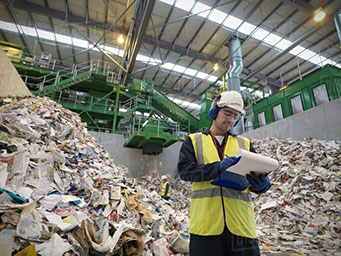
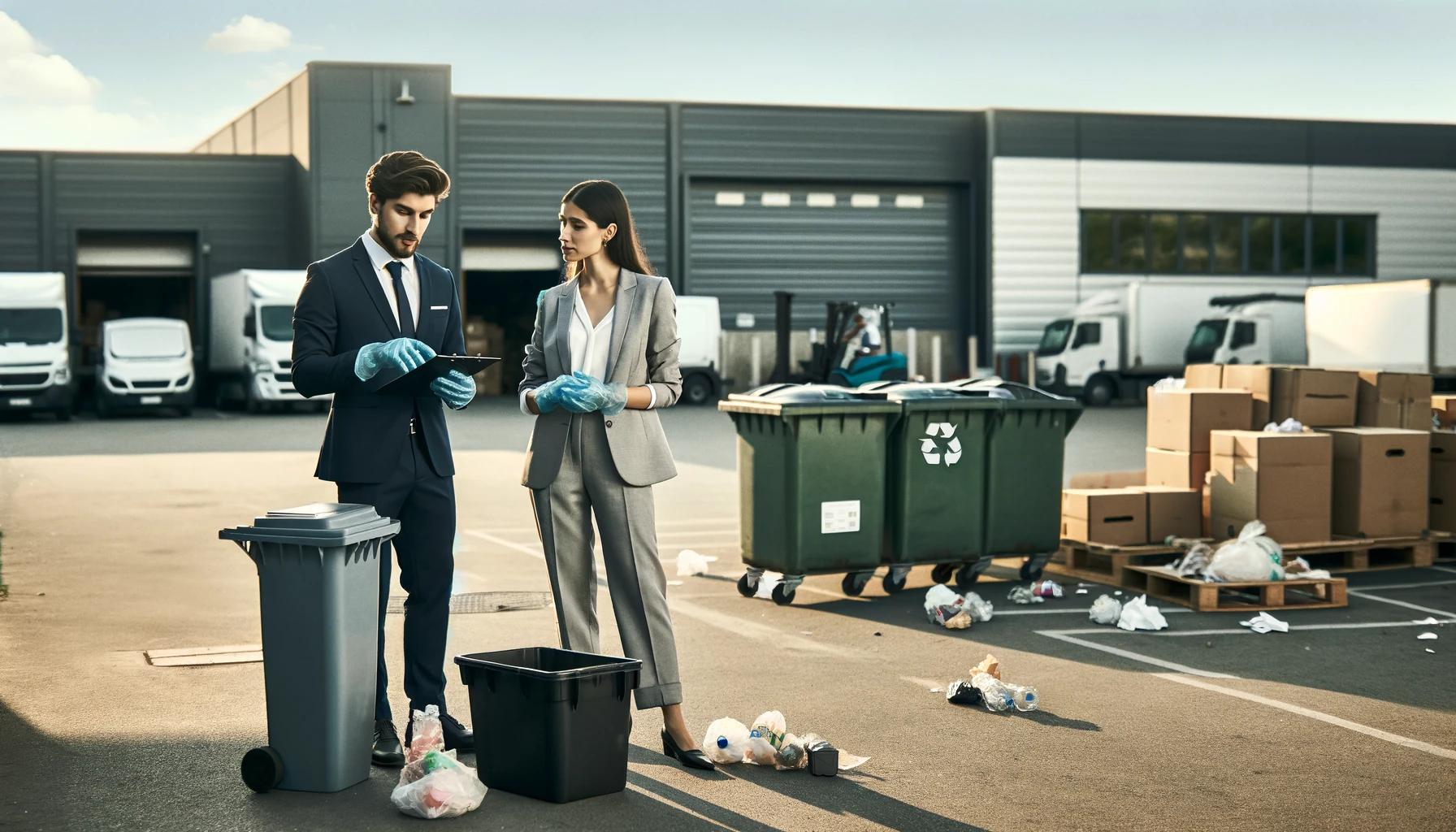
Properly managing organic waste not only helps reduce environmental pollution but also promotes recycling and resource recovery. Whether you operate a small café or a large industrial facility, understanding the nuances of commercial and industrial organic waste disposal is essential for compliance, cost-efficiency, and sustainability. This article explores the different facets of organic waste disposal for businesses, highlighting effective methods, solutions, and best practices to optimize waste management processes.
| For landfill-free waste and recycling services, including sorting, baling, shredding and compaction equipment, or to explore earning money from your recycling, contact Integrity Recycling Waste Solutions at (866) 651-4797. |
Understanding Organic Waste Disposal
Organic waste disposal refers to the processes involved in managing biodegradable waste materials, primarily food scraps, yard waste, manure, and other compostable items. Proper disposal ensures that these materials do not harm the environment by releasing greenhouse gases or contaminating water sources. Instead, organic waste can often be transformed into valuable products like compost, biogas, or bioenergy.
For businesses, organic waste disposal strategies should align with local regulations and environmental standards while also being economically feasible. Recognizing the difference between general waste and organic waste is fundamental—they require specific handling and treatment options. Effective disposal methods consider factors such as waste volume, type, available infrastructure, and budget constraints.
Commercial Organic Waste Disposal Options
Many businesses generate significant quantities of organic waste, necessitating tailored solutions. Here are some of the top commercial organic waste disposal options:
| Solution | Description | Key Selling Points |
|---|---|---|
| Composting Systems | On-site or off-site biological decomposition of organic waste into nutrient-rich compost. | Eco-friendly, reduces waste volume, beneficial for landscaping. |
| Food Waste Digesters | Machines that process food waste through controlled microbial activity, converting it into liquid fertilizer or biogas. | Quick processing, space-saving, suitable for restaurants and cafeterias. |
| Waste Collection Services | Professional services that collect organic waste and transport it to specialized facilities for composting or anaerobic digestion. | Convenience, compliance, scalable for various business sizes. |
| Anaerobic Digestion Units | Large-scale systems that break down organic waste anaerobically to produce biogas and digestate. | Energy production, waste volume reduction, environmentally sustainable. |
| In-vessel Composters | Enclosed composting units that control temperature, moisture, and aeration for efficient composting. | Odor control, faster composting, suitable for urban settings. |
Choosing the right option depends on the size of your operation, waste volume, budget, and sustainability goals. For example, small cafes might prefer in-vessel composters or waste collection, whereas large farms could benefit from anaerobic digestion.
| For landfill-free waste and recycling services, including sorting, baling, shredding and compaction equipment, or to explore earning money from your recycling, contact Integrity Recycling Waste Solutions at (866) 651-4797. |
Industrial Organic Waste Disposal Methods
Industrial facilities often produce vast amounts of organic waste, requiring more sophisticated disposal methods. Here’s an overview of prevalent techniques:
Landfilling
Landfilling remains common due to its simplicity and low upfront costs. However, it presents environmental challenges, including methane emissions and leachate concerns.
Composting at Scale
Large composting facilities handle industrial organic waste efficiently, transforming it into soil amendments. These require significant space and infrastructure but are environmentally friendly.
Anaerobic Digestion
This process is ideal for industrial-scale waste, producing biogas used for energy and digestate as fertilizer. It reduces greenhouse gases and provides renewable energy.
Incineration with Energy Recovery
Incinerators combust organic waste to generate energy, reducing waste volume drastically. Modern incinerators include pollution controls to minimize emissions.
Mechanical Biological Treatment (MBT)
A combination of mechanical sorting and biological treatment, MBT facilities prepare waste for further use or disposal, maximizing resource recovery.
Table summarizing key features:
| Method | Advantages | Disadvantages | Best Suited For |
|---|---|---|---|
| Landfilling | Low initial cost, simple | Methane emissions, land use | Large-volume waste, limited budgets |
| Composting | Eco-friendly, soil benefits | Space requirements, longer process | Organic waste streams, environmental focus |
| Anaerobic Digestion | Renewable energy, waste reduction | Capital intensive | High organic waste volumes, energy projects |
| Incineration | Significant volume reduction | Emissions management, high costs | Waste-to-energy plants, strict regulation environments |
| Mechanical Biological Treatment | Resource recovery | Complex infrastructure | Mixed waste streams, high recovery goals |
| For landfill-free waste and recycling services, including sorting, baling, shredding and compaction equipment, or to explore earning money from your recycling, contact Integrity Recycling Waste Solutions at (866) 651-4797. |
Organic Waste Disposal for Businesses
For businesses looking to develop effective organic waste management strategies, understanding practical steps and choosing appropriate solutions is vital.
Step-by-Step Guide to Implementing Organic Waste Disposal
- Assess Your Waste Stream: Determine the types and quantities of organic waste produced.
- Identify Local Regulations: Ensure compliance with local waste management laws.
- Select Suitable Disposal Methods: Based on waste volume, available infrastructure, and budget.
- Partner with Reputable Service Providers: For collection, composting, or digester installation.
- Train Staff: Educate employees on proper waste segregation and disposal practices.
- Monitor and Optimize: Regularly track waste generation and adjust processes as needed.
Troubleshooting Common Problems
- Odor Issues: Use odor control systems or enclosed composters.
- Contamination: Implement strict segregation protocols.
- High Costs: Explore subsidies or grants for green initiatives.
- Regulatory Compliance: Regularly consult updated local regulations.
Tips for Sustainable Organic Waste Management
- Reduce waste at source by purchasing in bulk or minimizing packaging.
- Compost onsite or partner with local composting facilities.
- Convert waste into energy through anaerobic digestion if feasible.
- Educate staff about sustainability goals to foster engagement.
- Keep detailed records to demonstrate compliance and improvements.
Comparing Key Organic Waste Disposal Technologies
| Feature | Composting | Anaerobic Digestion | In-vessel Composting | Waste Collection Services | Incineration |
|---|---|---|---|---|---|
| Capacity | Small to large | Large-scale | Small to medium | Varies | Large-scale |
| Cost | Moderate | High | Moderate | Varies | High |
| Environmental Impact | Very eco-friendly | Renewable energy output | Eco-friendly | Neutral to eco-friendly | Potential emissions |
| Processing Time | Weeks to months | Few weeks | Days to weeks | Immediate | Rapid, immediate |
| Odor Control | Yes | Yes | Yes | Not applicable | Yes |
| Byproducts | Compost | Biogas, digestate | Compost | N/A | Energy, ash |
The choice ultimately hinges on your specific needs, budget, and sustainability priorities. Composting and anaerobic digestion stand out as sustainable options, with composting being more accessible for smaller operations.
Conclusion
Organic waste disposal is a vital component of responsible business management, offering numerous environmental and economic benefits. From simple composting to advanced anaerobic digestion, the array of options allows businesses of all sizes to find suitable solutions to manage their biodegradable waste sustainably. Implementing effective disposal practices enhances compliance, reduces environmental impact, and can even generate renewable energy or valuable soil amendments. As awareness grows around environmental stewardship, adopting innovative organic waste management strategies will become increasingly essential for any forward-thinking enterprise.
| For landfill-free waste and recycling services, including sorting, baling, shredding and compaction equipment, or to explore earning money from your recycling, contact Integrity Recycling Waste Solutions at (866) 651-4797. |