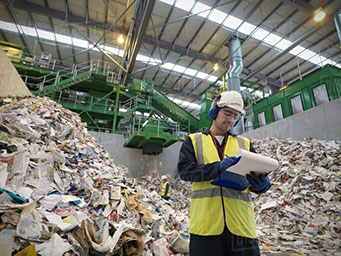
In an increasingly complex global economy, businesses are constantly seeking innovative strategies to enhance profitability and operational efficiency. One often overlooked, yet critically important, area for significant cost savings and risk mitigation is strategic product destruction. Far from being a mere disposal process, the controlled and deliberate destruction of goods – whether due to obsolescence, defect, recall, or counterfeiting concerns – serves as a powerful instrument for protecting brand integrity, safeguarding intellectual property, and unlocking substantial financial value.
| For landfill-free waste, recycling and product destruction services, including sorting, baling, shredding and compaction equipment, or to explore earning money from your recycling, contact Integrity Recycling Waste Solutions at (866) 651-4797. |
The Strategic Imperative of Product Destruction in Cost Management
The decision to destroy products is rarely taken lightly, as it often involves writing off inventory that once represented value. However, viewing product destruction as a reactive measure to a problem misses its true potential as a proactive strategic lever for cost management. Properly executed, it’s not just about getting rid of unwanted items; it’s about preventing greater future losses, maintaining market equilibrium, and reinforcing brand trust, all of which contribute directly to a healthier bottom line. The strategic imperative lies in recognizing that retaining compromised or surplus inventory can be far more costly than its systematic elimination.
Protecting Brand Integrity and Market Value
The integrity of a brand is arguably its most valuable asset, underpinning customer loyalty, market positioning, and pricing power. Compromised products entering the market, whether by accident, diversion, or malicious intent, can swiftly erode this integrity, leading to a cascade of negative financial consequences.
When defective products inadvertently reach consumers, the fallout extends far beyond a simple return. Each incident can trigger costly recalls, extensive public relations remediation, and potential litigation, all of which chip away at a company’s financial stability and reputation. I’ve personally observed how a single batch of faulty goods escaping the destruction protocol can cause consumer trust to plummet, impacting sales for months or even years. This isn’t merely about lost revenue from one product line; it’s about the pervasive doubt that can spread across an entire brand portfolio, making every future product launch an uphill battle. Effective product destruction acts as a critical quality control gate, ensuring that only items meeting stringent standards ever reach the consumer, thereby safeguarding the brand’s hard-won reputation.
Beyond direct defects, the uncontrolled sale of obsolete or near-expir y products can also cause significant brand dilution. Imagine a luxury fashion brand whose previous season’s collections are unexpectedly dumped onto discount markets at rock-bottom prices. While this might seem like a way to recover some costs, it fundamentally undermines the brand’s exclusivity and premium positioning, devaluing current, full-price inventory. From a personal analysis perspective, this is a dangerous balancing act. The short-term gain from offloading old stock can lead to long-term pain in brand erosion. A more strategic approach, often involving controlled product destruction, preserves the perceived value and aspirational quality of the brand, allowing it to maintain higher price points and attract a loyal, premium customer base. It’s a proactive investment in the future equity of the brand, preventing the commoditization of otherwise premium goods.
Furthermore, in an era where social media amplifies consumer experiences, negative publicity spreads with unprecedented speed. A poorly handled product issue, or even the discovery of counterfeit goods bearing a company’s logo, can quickly spiral into a public relations nightmare that necessitates expensive crisis management interventions. My creative insight here is to view product destruction as a form of “reputational insurance.” By meticulously ensuring that any goods that could harm the brand—be they faulty, expired, or diverted—are systematically eliminated, companies are essentially buying peace of mind. This proactive step prevents the unforeseen costs associated with managing a brand crisis, which often far outweigh the value of the products themselves. Ultimately, the meticulous destruction of compromised or obsolete goods is not just a necessary evil; it’s a fundamental pillar of sustainable brand management, contributing directly to a healthy financial outlook by preserving goodwill and market share.
Mitigating Financial Losses from Obsolete and Excess Inventory
The accumulation of obsolete, excess, or unsaleable inventory represents a silent yet significant drain on a business’s financial resources. While the initial instinct might be to simply store these items, hoping for a future use or market, the associated carrying costs can quickly eclipse any potential recovery value. Recognizing the true cost of holding dead stock is the first step toward understanding the financial prudence of strategic product destruction.
Warehousing costs are perhaps the most direct and obvious expense. Every square foot occupied by unsaleable inventory incurs rent, utilities, insurance, and labor costs. This space could otherwise be used for active, high-demand products, or simply eliminated to reduce overall facility expenses. I’ve seen companies with entire warehouses filled with items that haven’t moved in years, effectively paying to store liabilities instead of assets. The opportunity cost is immense: capital tied up in these stagnant goods could be reinvested in research and development, marketing, or new product lines that promise real returns. From a personal analysis standpoint, clinging to unsaleable inventory is akin to holding onto a non-performing asset in a financial portfolio—it ties up capital without generating any return, potentially preventing investment in profitable ventures. It’s a drag on liquidity and operational agility, hindering a company’s ability to respond quickly to market changes.
Beyond direct storage, other hidden costs lurk. Insurance premiums for stored goods, the administrative burden of tracking and managing aged inventory, and potential depreciation or spoilage all add to the financial burden. The longer products sit, the higher the risk of damage, obsolescence, or theft, further diminishing their already limited value. Creative insight suggests viewing excess inventory not as a potential future sale, but as a “capital sink.” Each item is a unit of money that has been spent but is yielding no return, continually incurring costs. By embracing product destruction, businesses can staunch this capital drain, liberating valuable warehouse space, reducing insurance liabilities, and streamlining logistical operations. The immediate financial benefit comes from halting the accumulation of carrying costs and freeing up operational capacity.
Furthermore, there are significant tax implications that favor the timely disposition of obsolete inventory. In many jurisdictions, businesses can claim tax deductions for inventory that has been officially written off or destroyed. This write-off reduces the company’s taxable income, providing a direct financial benefit. However, simply holding onto the inventory does not often confer these benefits; formal, verifiable product destruction is usually required to substantiate the loss. My personal analysis of this aspect highlights proactive inventory management as a strategic financial tool. Instead of waiting for products to become completely worthless or physically ruined, a scheduled destruction process for determined unsaleable goods can unlock these tax advantages sooner, improving cash flow and reducing overall tax burden. This transforms the unfortunate situation of having unsaleable products into a recoverable financial outcome, demonstrating that sometimes, letting go is the most profitable action.
Preventing Diversion and Counterfeiting for Retail and IP Protection
The global marketplace, for all its efficiencies, presents significant challenges in the form of product diversion and counterfeiting. These illicit activities not only siphon off legitimate sales but also undermine intellectual property, erode consumer trust, and can pose serious public health and safety risks. Strategic and secure product destruction is an indispensable line of defense against these pervasive threats, particularly concerning goods that could find their way into unauthorized channels.
Product diversion, often referred to as the grey market, occurs when legitimate products are sold outside authorized distribution channels, often below standard retail prices. This can involve products that were intended for specific markets (e.g., developing countries), promotional items, or even slightly off-spec inventory that was never meant for public sale. If these “controlled” or “unsaleable” products are not securely destroyed, they become prime targets for diversion. Once diverted, they disrupt official pricing strategies, cannibalize sales from authorized retailers, and dilute brand equity by creating an inconsistent market presence. In industries like pharmaceuticals or luxury goods, the stakes are incredibly high, as diverted products can be misused or signal a devaluation of the brand. From a personal analysis perspective, an uncontrolled amount of legitimate, but unsaleable, product represents unprotected intellectual property. It’s like leaving the back door open for criminals to walk in and undermine your entire sales structure.
Counterfeiting represents an even more severe threat, involving the fraudulent imitation of a company’s product, often of inferior quality and potentially unsafe. While direct counterfeiting isn’t about existing stock, the failure to control and destroy defective, obsolete, or recalled products creates opportunities for counterfeiters. For example, if a defective batch of a high-value electronic component isn’t properly destroyed, it could be salvaged, re-packaged, and sold as genuine, or worse, used to create convincing fakes. This not only directly impacts sales but also exposes the brand to immense legal liabilities, recall costs (even for fakes that harm consumers), and irrevocable damage to its reputation. My creative insight here is to view comprehensive product destruction as a proactive form of intellectual property enforcement. By eliminating any potential feedstock for the grey market or counterfeiting operations, businesses are actively defending their trademarks, patents, and designs, ensuring that only authentic, quality products represent their brand in the marketplace.
The solution lies in implementing stringent product destruction protocols for all unsaleable inventory, particularly those susceptible to diversion or counterfeiting. This includes products that are recalled, expired, damaged, excess, or past their selling season. Companies must partner with highly secure and audited destruction services that provide ir-reversible destruction methods and verifiable proof of destruction. My personal analysis suggests that internal controls alone are often insufficient; the lure of quick profit from diverting valuable goods can compromise even the most robust internal systems. Therefore, outsourcing to specialized, third-party destruction facilities with strong chains of custody and transparent reporting is not just a best practice, but a critical investment in protecting long-term revenue streams and legal standing. This meticulous approach to eliminating compromisable inventory is essential for maintaining market control, protecting intellectual property, and ultimately, safeguarding the bottom line from illicit market activities.
Operational Excellence in Product Destruction: Processes and Technologies
Achieving optimal cost savings through product destruction moves beyond mere intent and hinges critically on operational excellence. This encompasses the meticulous planning, secure execution, and verifiable completion of the destruction process. From choosing the right methodology to leveraging advanced technologies, operational efficiency in this domain ensures that goods are not only removed from circulation effectively but also that the process itself is cost-effective, compliant, and environmentally responsible. It is a complex logistical challenge that, when mastered, transforms a necessity into a strategic advantage, minimizing costs and maximizing security.
Choosing the Right Destruction Method: Security, Scale, and Sustainability
The array of product destruction methods available is diverse, each offering different levels of security, efficiency, and environmental impact. The choice of method is paramount and should be dictated by the type of product, its inherent risks (security, environmental), the required level of data protection (for electronics), and regulatory compliance. This decision significantly impacts both the cost-effectiveness and ecological footprint of the operation.
For sensitive items like branded apparel, pharmaceuticals, or electronic components, physical shredding or incineration to an unrecognizable state is often preferred. Shredding ensures the complete destruction of materials, preventing any possibility of reconstitution or resale. Incineration, especially high-temperature incineration, offers complete product obliteration, often with energy recovery, and is particularly suitable for hazardous materials or sensitive documents. My personal analysis suggests that the level of security required should always be the primary driver. Saving a few dollars on a less secure method for high-value or sensitive items is a false economy, inviting potential leakage or misuse that could lead to far greater financial losses down the line. I’ve witnessed situations where inadequate shredding led to components being scavenged and resold, harming the brand and costing much more in reputation repair.
Conversely, for less sensitive, high-volume products like expired food items or damaged packaging, methods like composting, de-packaging, or basic landfilling (as a last resort) might be more appropriate. These methods prioritize volume and cost efficiency, though environmental considerations remain crucial. Creative insight suggests integrating sustainability into the core of the destruction method selection. For instance, de-packaging liquids and rendering them suitable for wastewater treatment, or separating components for recycling (e.g., glass, plastic, metals from non-sensitive consumer goods), can turn a disposal cost into a minor revenue stream or at least significantly reduce the environmental levy. This forward-thinking approach aligns financial prudence with corporate social responsibility, demonstrating that efficient product destruction can contribute to a circular economy.
The scale of the operation also influences the choice. Small, intermittent batches might allow for on-site shredding or local disposal, while large, continuous flows require industrial-scale facilities and logistics. The key is to find a method that offers robust security, is economically viable for the specific volume and product type, and complies with all local and international environmental regulations. From a comprehensive viewpoint, a multi-faceted approach, where different product categories are routed to their most appropriate destruction method, often proves to be the most cost-effective and responsible strategy. This necessitates a detailed inventory classification system that clearly defines the required destruction protocol for each product type.
Implementing Secure Chain of Custody and Documentation
The financial benefits derived from product destruction are directly tied to the integrity of the process, particularly the secure chain of custody and impeccable documentation. Without these, the risk of diversion, fraud, or non-compliance significantly increases, undermining any potential cost savings and exposing the company to severe liabilities. A robust chain of custody ensures that products designated for destruction are meticulously tracked from the moment they leave the company’s control until their complete obliteration.
The process typically begins with detailed inventory auditing and segregation. Products earmarked for destruction are separated from salable inventory, meticulously counted, itemized, and often uniquely identified (e.g., serial numbers recorded). This initial step is critical for preventing “shrinkage” or unauthorized removal before destruction even begins. My personal analysis has revealed that lax internal controls at this preliminary stage are often the weakest link, opening doors for internal theft or diversion. Therefore, establishing a dedicated holding area with restricted access and robust surveillance for items awaiting destruction is crucial. The documentation should start here, creating a verifiable record of what is entering the destruction pipeline.
Once the products leave the company premises, the integrity of the process relies heavily on the chosen destruction partner. A secure chain of custody means that the products are transported in sealed, tracked vehicles, with all transfers documented and signed for by authorized personnel. Reputable destruction facilities provide witness destruction services, where company representatives can observe the process, and often provide high-definition video recordings as proof. Creative insight suggests leveraging IoT and GPS tracking for transportation, providing real-time visibility into the movement of sensitive inventory, thus further bolstering security against diversion. This level of transparency not only enhances trust but also acts as a deterrent against illicit activities.
The culmination of the secure process is the comprehensive Certificate of Destruction (CoD). This legally binding document details the type, quantity, and origin of the products destroyed, the method used, the date and time of destruction, and often includes photographic or video evidence. This certificate is vital for financial reconciliation, demonstrating compliance with internal policies and external regulations, and, crucially, for tax purposes to justify inventory write-offs. Without a CoD, claiming inventory losses for tax benefits becomes challenging. From a compliance perspective, thorough documentation protects the company during audits and legal inquiries, demonstrating due diligence and responsible disposal. It reinforces the financial validity of the product destruction operation by providing irrefutable proof that the investment in destruction has been completed, and the associated risks alleviated.
Leveraging Technology for Efficient and Verifiable Destruction
In the modern era, technology plays an increasingly pivotal role in enhancing the efficiency, security, and verifiability of product destruction processes. From advanced sorting and shredding equipment to sophisticated data management systems, technological integration transforms what was once a manual, error-prone task into a streamlined, high-integrity operation. Embracing these innovations can lead to significant cost savings through improved efficiency and reduced risk.
Automated sorting and processing systems stand out as key technological advancements. For mixed product streams designated for destruction, manual sorting is labor-intensive, slow, and susceptible to human error. Automated systems, utilizing robotics, conveyor belts, and optical scanners, can rapidly separate products by material type, size, or even brand, optimizing the destruction method for each component. For instance, electronics can be disassembled for precious metal recovery, while packaging is separated for recycling. My personal analysis suggests that this level of automation dramatically reduces labor costs and increases throughput, making the destruction process scalable and more economically viable for large volumes. It also bolsters the sustainability aspect by maximizing recyclable material recovery, turning potential waste into valuable resources.
Data erasure and physical destruction technologies are paramount for products containing sensitive information, such as hard drives, smartphones, or medical devices. Simple deletion is insufficient; specialized data wiping software adheres to strict government standards (e.g., NIST 800-88, DoD 5220.22-M), rendering data unrecoverable. For absolute security, this is often followed by physical destruction methods like shredding, degaussing, or pulverizing. Creative insight points to blockchain technology as a promising innovation for enhanced verifiability. Imagine each stage of the destruction process—from collection to final obliteration—being recorded on an immutable ledger. This distributed, transparent record could provide unparalleled assurance of chain of custody and proof of destruction, further preventing fraud and enhancing auditability for high-security products.
Furthermore, digital platforms for tracking and reporting streamline the entire product destruction workflow. These platforms can integrate with a company’s ERP or inventory management systems, providing real-time updates on product status, scheduling pick-ups, and generating instant certificates of destruction. Such systems offer comprehensive audit trails, consolidating all documentation in a readily accessible format. This level of digital integration significantly reduces administrative burden, minimizes human error in record-keeping, and provides invaluable data for continuous process improvement. My personal experience dictates that companies that embrace these technologies not only achieve greater efficiency and compliance but also gain deeper insights into their unsaleable inventory streams, allowing for more proactive and strategic decisions that ultimately optimize cost savings across the board.
Legal, Ethical, and Environmental Considerations in Product Destruction
The act of product destruction is not merely a logistical or financial decision; it is deeply intertwined with a complex web of legal statutes, ethical responsibilities, and environmental imperatives. Navigating these considerations successfully is crucial for any business seeking to optimize cost savings without incurring severe penalties, reputational damage, or long-term environmental liabilities. Adherence to these principles transforms destruction from a necessary burden into a demonstration of corporate responsibility and foresight.
Navigating Regulatory Compliance and Legal Liabilities
The regulatory landscape governing product destruction is vast and varied, ranging from local municipal waste ordinances to international treaties on hazardous waste disposal. Failure to comply can result in hefty fines, legal action, and severe damage to a company’s reputation, ultimately eroding any imagined cost savings from improper disposal. Understanding and meticulously adhering to these regulations is a cornerstone of responsible and effective product destruction.
Different product types fall under different regulatory frameworks. For instance, electronic waste (e-waste) is subject to strict recycling and disposal laws in many regions due to the hazardous materials they contain (e.g., lead, mercury, cadmium). Pharmaceutical products must be disposed of in ways that prevent their entry into water systems or illicit drug markets. Food products have regulations concerning their decomposition and potential impact on landfills or wastewater treatment. My personal analysis highlights that a “one-size-fits-all” approach to destruction is a recipe for non-compliance. Companies must have a detailed understanding of the specific regulations applicable to each type of product they manufacture, import, or distribute, tailored to the geographic location of both origin and disposal. This often necessitates engaging with legal experts specializing in environmental law and waste management.
Beyond environmental considerations, there are legal frameworks around data privacy and intellectual property. For products containing personal data or sensitive company information (e.g., hard drives, prototypes), specific data destruction protocols must be followed to comply with regulations like GDPR, CCPA, or HIPAA. Non-compliance here can lead to massive fines and class-action lawsuits. Furthermore, the destruction process must ensure that intellectual property contained within the product (e.g., unique designs, patented components) cannot be reverse-engineered or replicated once discarded. Creative insight suggests that viewing regulatory compliance not as an obstacle but as a critical risk management strategy is key. Investing in compliant destruction methods and partners is a proactive measure that mitigates the far greater financial risks associated with litigation, civil penalties, and the enduring tarnishing of a brand’s image.
Ultimately, demonstrating due diligence through comprehensive documentation and verifiable proof of destruction is essential for legal protection. Certificates of Destruction (CoDs) detailing the method, date, and responsible parties serve as crucial evidence of compliance during audits or legal challenges. Without this verifiable trail, a company could be held liable for environmental contamination, data breaches, or product diversion even years after the items left their possession. From a financial perspective, the smart money is always on rigorous adherence to legal requirements; the potential downside of cutting corners in product destruction far outweighs any perceived short-term savings.
Embracing Ethical Disposal and Corporate Social Responsibility
In an era of heightened consumer awareness and corporate accountability, the ethical implications of product destruction are increasingly under scrutiny. While the primary goal might be cost savings and risk mitigation, how products are disposed of reflects a company’s commitment to corporate social responsibility (CSR). Ethical disposal goes beyond legal compliance, encompassing transparency, environmental stewardship, and social equity.
One of the most sensitive ethical considerations is how products are destroyed, particularly those that are still usable but deemed unsaleable (e.g., perfectly good unsold clothing, food items nearing expiry). While direct charity donation might seem like the most ethical path, it’s not always feasible or beneficial due to brand dilution concerns, logistical complexities, or food safety regulations for specific products. However, blanket destruction without considering alternatives can lead to public backlash, often framed as wasteful or uncharitable. My personal analysis indicates that companies face a delicate balance here. While brand protection is legitimate, openly destroying high volumes of perfectly functional goods can alienate socially conscious consumers and investors.
Creative insight suggests exploring hybrid approaches where feasible and ethical concerns can sometimes be mitigated through partnerships. For example, excess food products can be donated to food banks before they pose a safety risk, or non-sensitive, slightly imperfect goods can be repurposed or sold through highly controlled, discreet channels that do not undermine the primary brand. However, for products with significant brand security risks (e.g., luxury items, critical technology) or health/safety liabilities, secure destruction often remains the most responsible, albeit ethically challenging, option. In these cases, transparency about the necessity of destruction for safety or brand integrity can help manage public perception.
Furthermore, ethical considerations extend to the treatment of the materials themselves and the impact on local communities. Using destruction methods that minimize environmental harm, prioritize resource recovery, and avoid exposing workers or surrounding populations to hazardous emissions or contaminants is a non-negotiable ethical imperative. Partnering with destruction firms that uphold high ethical labor standards and have transparent environmental impact reports further demonstrates CSR. My personal experience highlights that ignoring these ethical dimensions can result in significant reputational damage, boycotts, and a loss of consumer trust, far outweighing any immediate financial gains. Investing in ethically sound product destruction practices is an investment in a company’s long-term social license to operate and its overall brand equity, reinforcing that responsible business practices also contribute to sustainable financial health.
Minimizing Environmental Impact: Sustainable Destruction Practices
The environmental footprint of product destruction is a critical consideration for modern businesses aiming for sustainability. Dumpsites overflowing with discarded inventory, harmful emissions from improper incineration, and the squandering of embedded resources (materials, water, energy) are all negative consequences that contradict green initiatives and pose long-term liabilities. Embracing sustainable destruction practices is not just about compliance; it’s about reducing ecological impact, enhancing resource efficiency, and aligning with broader corporate sustainability goals.
The primary environmental goal in product destruction should be to divert as much material as possible from landfills. This necessitates a strong emphasis on recycling, repurposing, and material recovery. Instead of simply shredding a smartphone into undifferentiated waste, sustainable practices involve disassembling it to recover valuable metals (gold, silver, copper), reusable plastics, and glass. For apparel, fiber-to-fiber recycling or industrial shredding for insulation materials are preferable to landfill. My personal analysis suggests that this approach requires a shift in mindset: viewing products not as single-use items but as a collection of potentially reusable raw materials. This requires collaboration with specialized recovery facilities and often, upstream design changes that make products easier to disassemble and recycle.
For products that cannot be recycled or repurposed, energy recovery through advanced incineration technologies is often the next best option. Modern waste-to-energy plants can safely incinerate certain types of waste, converting the heat generated into electricity or steam. While not entirely emission-free, these facilities are subject to stringent air quality regulations and can significantly reduce the volume of waste sent to landfills. Creative insight points to the emerging field of “waste valorization,” where even traditionally difficult-to-destroy waste streams are converted into new products. This could involve using specific product waste as feedstock for chemical processes, or even biological degradation methods to create useful byproducts. Research and investment in these innovative destruction pathways will define the future of truly sustainable disposal.
Ultimately, a commitment to minimizing environmental impact through product destruction aligns seamlessly with broader corporate sustainability initiatives and increasingly, consumer expectations. Companies that demonstrate a genuine effort to reduce waste, conserve resources, and mitigate pollution in their disposal processes benefit from enhanced brand reputation, favorable regulatory treatment, and often, long-term cost benefits through optimized resource utilization. This holistic approach, integrating environmental stewardship into the very fabric of destruction protocols, ensures that financial gains are not made at the expense of planetary health, securing a more sustainable future for both the business and the environment.
Auditing and Verification for Secure and Compliant Product Destruction
In the realm of product destruction, simply outsourcing the task is insufficient. To truly optimize cost savings and mitigate risks, businesses must implement rigorous auditing and verification processes. These processes provide the necessary assurance that products designated for destruction are indeed destroyed fully, securely, and compliantly, leaving no room for diversion, non-compliance, or liability. Without a robust verification framework, the entire investment in product destruction could be undermined, transforming potential savings into unforeseen costs and reputational damage.
Establishing Rigorous Audit Protocols for Destruction Processes
Robust auditing protocols are the backbone of a secure and compliant product destruction process. These protocols provide an independent and systematic examination of all stages of the destruction lifecycle, ensuring that stated procedures are followed, risks are managed, and financial integrity is maintained. Moving beyond mere trust, audits instill confidence and accountability in a process fraught with potential pitfalls.
The first step in establishing rigorous audit protocols involves clearly defining what needs to be verified at each stage. This includes the initial segregation and inventorying of products to be destroyed, their secure transport, reception at the destruction facility, the destruction process itself, and the final issuance of documentation. For example, an audit might verify that serial numbers recorded at the company warehouse match those received by the destruction partner, that destruction methods meet specified standards (e.g., shred size, incineration temperature), and that all environmental permits are current. Personal analysis reveals that periodic, unannounced audits are particularly effective in maintaining vigilance. Knowing that an audit could occur at any time incentivizes consistent adherence to protocols by both in-house teams and third-party vendors, significantly reducing the likelihood of shortcuts or illicit behavior.
Audit protocols should also encompass a review of the destruction partner’s own internal controls, employee training, and security measures. This means examining their facility access logs, surveillance footage, background checks for personnel handling sensitive materials, and their emergency response plans. Creative insight suggests incorporating “mystery shopper” or “phantom product” audits, where deliberately marked items are introduced into the destruction stream to verify that they are indeed destroyed according to protocol, providing real-world validation of the system’s effectiveness. This level of scrutiny might seem extensive, but for high-value goods, sensitive data, or products with significant health and safety implications, the cost of a comprehensive audit pales in comparison to the potential liabilities of a breach.
Finally, audit findings must lead to corrective actions and continuous improvement. A well-designed protocol includes a system for reporting deviations, identifying root causes, and implementing preventative measures. This iterative process ensures that the product destruction system becomes more robust over time, continually adapting to new risks and operational challenges. By systematically auditing every facet of the destruction process, companies not only ensure compliance and security but also gain critical insights that can lead to further efficiencies and cost optimizations in their overall waste management strategy.
Leveraging Third-Party Verification and Certifications
While internal auditing is crucial, leveraging independent third-party verification and certifications adds an invaluable layer of assurance and credibility to product destruction processes. These external validations, conducted by specialized and accredited organizations, attest to a destruction partner’s adherence to industry standards, environmental regulations, and security protocols, significantly de-risking the entire operation for the client company.
One of the primary benefits of relying on third-party verification is the objectivity and expertise they bring. Organizations like NAID (National Association for Information Destruction) provide certifications (e.g., AAA Certification) that indicate a destruction provider’s commitment to security and responsible destruction of sensitive materials. For e-waste, certifications like R2 (Responsible Recycling) or e-Stewards ensure environmentally responsible recycling and data destruction practices. My personal experience dictates that simply choosing the cheapest destruction vendor without verifying their certifications is a critical error. A certified vendor has undergone rigorous audits of their facilities, processes, employee screening, and insurance, offering a peace of mind that uncertified providers cannot. This due diligence during partner selection protects the company from future liabilities, especially concerning environmental damage or data breaches.
Third-party verifications often involve unannounced audits, surprise inspections, and deep dives into operational records, providing a level of scrutiny that internal teams might struggle to replicate due to resource constraints or potential conflicts of interest. Theseinspections uncover hidden inefficiencies or compliance gaps that may otherwise go unnoticed, ensuring that the destruction processes remain robust and resilient. The third-party perspective can also be immensely beneficial in benchmarking against industry best practices, helping companies identify areas for improvement.
Moreover, leveraging these certifications not only enhances operational security but also strengthens brand reputation. In an age where consumers are increasingly aware of corporate responsibility, demonstrating a commitment to secure and compliant product destruction through recognized certifications can significantly bolster public trust. Companies that prioritize third-party verification signal to their stakeholders that they take their environmental and ethical responsibilities seriously, thereby differentiating themselves in a competitive market.
Integrating third-party verification into the product destruction process fosters a culture of transparency and accountability. It encourages both internal teams and external partners to maintain high standards and reinforces a collective commitment to responsible business practices. This journey towards sustainability is not merely about compliance; it reflects a broader organizational ethos focused on integrity and diligence, which is essential for long-term success.
Continuous Improvement Through Regular Performance Reviews
To ensure that the product destruction processes remain effective and aligned with evolving business needs, organizations should prioritize continuous improvement through regular performance reviews. These evaluations allow businesses to assess the effectiveness of their destruction protocols and identify potential areas for enhancement. By instituting a robust feedback loop, organizations can foster a culture of proactive risk management and innovative thinking.
Performance reviews should include both qualitative and quantitative assessments of the destruction process. Quantitatively, metrics such as the volume of products destroyed, the cost per unit of destruction, compliance rates with audit findings, and the turnaround time for destruction can provide valuable insights. Qualitative assessments might incorporate stakeholder feedback, employee observations, and client satisfaction surveys, offering a holistic view of the effectiveness of the current approach.
One insightful method to enrich these performance reviews is to establish cross-functional teams that include representatives from various departments—such as legal, compliance, operations, and finance. These diverse perspectives can yield a more comprehensive understanding of the challenges faced during product destruction and help identify synergies among different business units. For example, if the finance team highlights excessive costs associated with particular destruction methods, the operations team can explore alternative solutions that meet compliance requirements while reducing expenses.
Regular performance reviews should culminate in actionable strategies aimed at optimizing the product destruction process. Whether it’s investing in new technology that enhances efficiency or adopting best practices gleaned from industry peers, fostering an environment where feedback translates into concrete actions is paramount. Additionally, these reviews can serve as a platform for training and educating employees, reinforcing the importance of adherence to protocols and the potential ramifications of non-compliance.
A final creative insight is to leverage technology, such as data analytics and machine learning, to enhance performance reviews further. By analyzing historical data trends, companies can predict potential issues and develop preventive measures before they escalate into significant challenges. This data-driven approach ensures that decision-making is grounded in facts rather than assumptions, leading to more strategic and informed investments in the product destruction process.
Conclusion
In summary, auditing and verification for secure and compliant product destruction are essential components of a responsible waste management strategy. By establishing rigorous audit protocols, leveraging third-party certifications, and committing to continuous improvement through regular performance reviews, organizations can not only mitigate risks but also enhance their overall operational efficiency.
As businesses navigate the complexities of sustainable practices, a focus on thorough auditing and verification processes will position them as leaders in their respective industries, fostering trust among consumers and stakeholders alike. In an era where environmental consciousness and regulatory scrutiny are intensifying, those who prioritize secure and compliant product destruction will not only safeguard their assets but also contribute meaningfully to a healthier planet. Ultimately, a holistic approach to product destruction aligns closely with broader corporate sustainability goals, ensuring that environmental stewardship is woven into the fabric of business operations.
| For landfill-free waste, recycling and product destruction services, including sorting, baling, shredding and compaction equipment, or to explore earning money from your recycling, contact Integrity Recycling Waste Solutions at (866) 651-4797. |