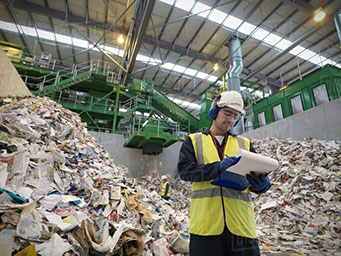
Efficient product destruction is a critical, yet often underestimated, component of modern business operations. It extends far beyond mere waste disposal, touching upon brand integrity, regulatory compliance, environmental stewardship, and financial optimization. Mastering the art of secure, responsible, and efficient product destruction ensures that businesses effectively manage obsolete, defective, or sensitive goods, safeguarding their reputation and securing their future.
| For landfill-free waste, recycling and product destruction services, including sorting, baling, shredding and compaction equipment, or to explore earning money from your recycling, contact Integrity Recycling Waste Solutions at (866) 651-4797. |
The Imperative of Strategic Product Destruction
In an increasingly complex global marketplace, the strategic necessity of product destruction has ascended from a logistical afterthought to a pivotal operational discipline. Businesses confront a multi-faceted challenge when products reach their end-of-life or become unfit for sale. This process is not simply about waste management; it is a sophisticated act of risk mitigation, value protection, and ethical stewardship. Failure to implement robust product destruction protocols can lead to significant financial losses, irreparable brand damage, and severe legal repercussions. The imperative for strategic destruction arises from both internal operational needs and external market pressures, demanding a proactive and meticulously planned approach to secure product lifecycle management. It forces organizations to look beyond the immediate disposal cost, evaluating the long-term impact on their brand, their environmental footprint, and their bottom line.
Beyond Waste: Brand Protection and Market Control
The primary driver for many businesses engaging in product destruction is the paramount need for brand protection. Counterfeit goods, recalled items, or surplus inventory can severely dilute a brand’s value if they find their way into unauthorized channels. Imagine a luxury brand’s reputation being tarnished by discounted, defective items appearing on secondary markets, or a pharmaceutical company facing a public health crisis due to expired drugs circulating. These scenarios underscore the critical role that secure destruction plays in maintaining exclusivity, quality perception, and consumer trust. It demonstrates a commitment to quality that resonates deeply with consumers and stakeholders.
Beyond quality control, product destruction is also a powerful tool for market control. Strategic destruction of surplus or obsolete inventory prevents market oversupply, which can devalue current product lines and erode profit margins. This is particularly relevant in industries with rapid technological cycles or fashion trends, where last season’s models can quickly become a liability rather than an asset. By removing these items from circulation, companies can dictate supply, maintain pricing integrity, and foster a sense of demand for their latest offerings. It’s a calculated decision, often a painful one in the short term, to protect long-term market position and profitability. This proactive management prevents situations where, for example, a new product launch is undermined by an abundance of its predecessor at rock-bottom prices, effectively cannibalizing its own market. My personal analysis suggests that many companies still view this as a necessary evil rather than a strategic advantage, missing opportunities to reinforce brand narrative and market discipline. It’s an investment in the brand’s future, ensuring that every product reaching the consumer reflects the company’s intended quality and value proposition.
The reputational risk associated with improper disposal far outweighs the cost of secure destruction. A single incident of defective products re-entering the market, or sensitive data inadvertently exposed through discarded electronics, can lead to a public relations nightmare that takes years, if ever, to recover from. Consumers are increasingly discerning and expect brands to uphold high ethical standards across their entire operation, including waste management. This necessitates an approach where product destruction is viewed not as an isolated task but as an integral part of brand stewardship, directly influencing consumer perception and loyalty. It’s about preserving the intangible asset of goodwill, which, once lost, is incredibly difficult to regain. The public scrutiny concerning corporate environmental and social responsibility is at an all-time high, placing even greater emphasis on transparent and accountable destruction practices.
Environmental Responsibility and Compliance Mandates
In an era of heightened environmental awareness, responsible product destruction is no longer optional but a fundamental expectation. Legislative bodies worldwide are enacting stringent environmental regulations governing waste disposal, particularly for hazardous materials, electronics, and certain chemicals. Non-compliance can result in substantial fines, legal action, and severe reputational damage. Companies are increasingly held accountable for the entire lifecycle of their products, from raw material sourcing to end-of-life disposal, a concept encapsulated by Extended Producer Responsibility (EPR) laws. This means businesses must ensure that discarded products are processed in an environmentally sound manner, minimizing landfill waste, preventing pollution, and maximizing resource recovery through recycling or safe neutralization.
Navigating this complex web of regulations requires a deep understanding of local, national, and international environmental laws. For instance, WEEE (Waste Electrical and Electronic Equipment) directives in Europe, or various state-specific e-waste laws in the United States, dictate how electronic products must be recycled or destroyed to prevent harmful substances from entering the environment. Beyond legal obligations, there is a growing moral imperative for corporations to reduce their environmental footprint. Consumers, investors, and employees are increasingly favoring companies with demonstrable sustainability practices. This moral compass guides many businesses towards adopting destruction methods that prioritize resource recovery, material recycling, and energy efficiency, transforming what was once merely waste into potential secondary resources. The proactive adoption of green destruction practices can unlock significant competitive advantages, appealing to environmentally conscious consumers and bolstering corporate social responsibility credentials.
Furthermore, compliance is not a static target but a dynamic process that requires continuous monitoring and adaptation. Regulations evolve, and what was permissible yesterday may be prohibited tomorrow. This dynamic landscape necessitates robust internal policies, thorough training for staff, and often, partnerships with certified third-party destruction providers who specialize in navigating these complex legal frameworks. These providers often possess the necessary permits, licenses, and specialized equipment to handle diverse waste streams in an environmentally compliant manner, mitigating the risk exposure for the original product manufacturer. From my perspective, viewing environmental compliance as an opportunity for innovation rather than a burden can lead to more sustainable manufacturing and recycling loops, ultimately benefiting both the company and the planet. It’s about future-proofing operations against tightening regulations and shifting public expectations regarding ecological impact.
Financial Implications and Maximizing Value Recovery
While product destruction often carries an immediate cost, a strategic approach can transform it from an expense into an opportunity for financial optimization and value recovery. The most obvious financial benefit is avoiding the negative repercussions of improper disposal – regulatory fines, litigation costs, and brand devaluation. However, beyond risk mitigation, there are avenues for direct financial benefit. For example, some destruction processes allow for the recovery of valuable raw materials such as precious metals from electronics, or recyclable plastics and glass, which can then be sold back into the manufacturing supply chain. This circular economy approach not only offsets destruction costs but can also generate revenue, turning waste into a resource.
Inventory management is another critical financial aspect. Holding onto obsolete, defective, or expired inventory incurs significant carrying costs, including warehousing fees, insurance, and the opportunity cost of capital tied up in unsalable goods. Prompt product destruction frees up valuable warehouse space, reduces inventory holding costs, and improves cash flow. It also allows companies to accurately write off the value of these assets, potentially offering tax benefits by reducing taxable income. This strategic write-off can be a powerful financial tool, turning a liability into a deductible expense. Analyzing the total cost of ownership for unsalable inventory versus the cost of its prompt and secure destruction often reveals a compelling economic argument for efficient disposal.
Moreover, the financial implications extend to preventing profit erosion caused by unauthorized sales. Products intended for destruction, if not properly obliterated, can leak into grey markets, where they are sold at heavily discounted prices. This directly undercuts full-price sales, devalues the brand, and forces legitimate retailers to reduce their margins to compete. In industries like pharmaceuticals or luxury goods, the financial impact of such leaks can be catastrophic. Therefore, investing in secure destruction methods is a proactive measure that safeguards revenue streams and preserves profit margins. My analysis suggests that many businesses underestimate the long-term financial drain of poorly managed inventory and lax destruction protocols, viewing secure disposal as an overhead rather than a vital component of financial hygiene. A holistic financial model for product destruction must account for all these variables, from direct recovery to indirect savings from risk mitigation and market stabilization.
Methodologies and Technologies in Efficient Product Destruction
The landscape of product destruction methodologies is as diverse as the products themselves, ranging from simple physical obliteration to complex chemical deactivation and sophisticated digital erasure. Selecting the most efficient and appropriate method is paramount, requiring a deep understanding of the product’s composition, its potential hazards, regulatory requirements, and the desired outcome for any recoverable materials. Efficiency in this context is multifaceted, encompassing cost-effectiveness, speed, security, and environmental impact. Modern approaches often integrate advanced technologies to streamline processes, enhance security, and maximize resource recovery, moving beyond rudimentary disposal to intelligent waste transformation. The choice of method significantly impacts the overall success of a destruction program, ensuring that objectives related to brand protection, compliance, and sustainability are met without compromise.
Secure Physical Destruction Techniques
Physical destruction is often the most straightforward and visually verifiable method for product destruction. It involves rendering a product unusable and unidentifiable through mechanical force. Common techniques include shredding, crushing, pulverizing, incineration, and baling. Shredding is effective for documents, electronics, textiles, and some packaging, turning them into unrecoverable fragments. For robust items like metal components or hard drives, industrial crushers or pulverizers are employed to ensure complete destruction. Incineration is another powerful method, particularly for sensitive materials like chemicals, pharmaceuticals, or items requiring complete combustion to eliminate any trace. However, incineration must be conducted in highly controlled environments with advanced air filtration to meet environmental regulations, making it a more specialized and often costlier option. Baling compacts materials into dense blocks, not always destroying them but making them difficult to sort and preventing individual item resale.
The key to efficient physical destruction lies in selecting the right equipment and ensuring its capacity matches the volume and type of material. Using an underpowered shredder for electronic waste, for example, will be inefficient and might not guarantee complete data obliteration. Conversely, over-specifying equipment for low-volume, non-hazardous materials can be an unnecessary expense. From a security perspective, physical destruction offers a high degree of assurance that products cannot be repurposed or re-entered into the market, provided the process is thorough. It offers immediate, tangible results that can be visually verified, providing peace of mind for brand owners. My creative insight here is to consider a multi-stage physical destruction process for highly sensitive items: initial crushing for bulk, followed by a finer shredding, and perhaps even a final pulverization, creating an impenetrable audit trail of destruction. This layering of methods ensures absolute obliteration.
Furthermore, the output of physical destruction processes often presents opportunities for material recovery. Shredded paper can be recycled, crushed metals can be melted down, and even some plastic components can be granulated for reuse. This integration of destruction with recycling capabilities significantly enhances the efficiency of the overall product destruction program, reducing landfill dependency and potentially generating revenue from salvaged materials. The logistical efficiency of transporting fragmented or baled materials also contributes to overall cost savings. The choice of physical method should always balance the security imperative with the potential for resource recovery, aligning with circular economy principles. It’s about not just destroying value but redirecting it where possible, transforming what was once waste into a valuable commodity, contributing to a more sustainable industrial ecosystem.
Chemical and Biological Deactivation Processes
For certain types of products, particularly those that are hazardous, biological, or sensitive to thermal or mechanical stress, chemical or biological deactivation processes offer a specialized and often more environmentally sound form of product destruction. Chemical deactivation involves using specific chemical agents to neutralize hazardous properties, break down complex compounds, or render a product inert. This is commonly employed for expired pharmaceuticals, certain industrial chemicals, or laboratory waste. For instance, specific chemicals can be used to denature proteins or neutralize acids and bases, transforming harmful substances into benign ones that can be safely disposed of or even recycled. The process requires precise control over chemical reactions, including temperature, pH, and contact time, to ensure complete deactivation and prevent secondary hazards.
Biological deactivation, on the other hand, utilizes microorganisms or enzymes to break down organic materials. This method is particularly relevant for biodegradable products, agricultural waste, or certain types of food waste that require secure disposal. Composting, anaerobic digestion, and bioremediation are examples where biological agents naturally decompose and neutralize organic matter. While typically slower than chemical methods, biological processes are often more environmentally friendly as they produce fewer harmful byproducts and can even generate useful outputs like biogas or nutrient-rich compost. This method aligns well with sustainability goals, turning waste into renewable resources. My personal analysis suggests that the future of efficient product destruction for organic and bio-active materials lies heavily in advanced biological processes, potentially leveraging engineered microbes for highly specific and rapid deactivation. Such innovations could revolutionize how biodegradable but sensitive products are managed at their end-of-life.
Both chemical and biological deactivation processes require highly specialized facilities and expert personnel to ensure safety and compliance. Regulatory oversight is particularly stringent for these methods due to the potential risks involved. Proper containment, ventilation, and effluent treatment systems are crucial to prevent environmental contamination. The efficiency of these methods is measured not just by the speed of deactivation but also by the completeness of the process and the minimized environmental impact of the resulting byproduct. For highly sensitive or hazardous materials, choosing a certified facility with a proven track record is paramount. These methods are indispensable tools in the arsenal of efficient product destruction, offering solutions where physical destruction is either impractical, unsafe, or environmentally detrimental, ensuring a comprehensive approach to waste management.
Advanced Data Erasure and Digital Obliteration
In the digital age, much of the “value” in a product is not just its physical form but the data it contains. Therefore, a critical component of modern product destruction strategies, particularly for electronic devices, is advanced data erasure and digital obliteration. Simply wiping a hard drive or deleting files is often insufficient, as data can still be recovered using forensic tools. True data destruction requires methods that render data irretrievable, ensuring compliance with data privacy regulations like GDPR, HIPAA, and CCPA, and preventing sensitive information from falling into the wrong hands. This is especially vital for products containing customer data, proprietary business information, or intellectual property.
The most secure methods for data destruction include degaussing, physical destruction of the data-bearing media, and certified overwriting. Degaussing uses a powerful magnetic field to scramble the data on magnetic storage devices (like HDDs and tapes), rendering it unreadable. This is a highly effective method but does not work for solid-state drives (SSDs). For SSDs and other flash memory devices, physical destruction (shredding, crushing, pulverizing) is often the most reliable method. Complete physical destruction of the chip or platter ensures no data remnants can be recovered. Certified data overwriting involves writing multiple patterns of random data over the existing data, making recovery practically impossible without specialized tools. This method, while sometimes slower, allows the storage device to be reused or recycled if the hardware is still functional.
Choosing the appropriate data destruction method depends on the type of device, the sensitivity of the data, and regulatory requirements. For high-security environments, a combination of methods is often employed, such as degaussing followed by physical shredding of hard drives. Verification and certification of data destruction are also crucial, providing an audit trail that demonstrates compliance. This might involve logs from overwriting software, certificates of degaussing, or video evidence of physical destruction. My creative insight here is to emphasize the often-overlooked human element: even with the best technology, a lax process or untrained staff can compromise data security. Therefore, robust protocols, continuous training, and independent verification are as important as the technology itself in achieving truly secure digital obliteration. It’s not just about the machine doing the work, but the system around it ensuring integrity.
| Product Type | Primary Destruction Method | Secondary Method (if applicable) | Key Consideration | Potential Recoverable Material |
|---|---|---|---|---|
| Electronics | Shredding/Crushing (physical) | Degaussing (data) | Data Security, Hazardous materials | Precious metals, plastics, glass |
| Pharmaceuticals | Incineration/Chemical Neutralization | N/A | Compliance, Environmental impact | N/A |
| Branded Apparel | Shredding/Baling (physical) | De-branding (manual/chemical) | Brand Protection, Market control | Textiles (for recycling) |
| Food Products | Composting/Anaerobic Digestion (biological) | Landfilling (secure) | Environmental, Odor control | Biogas, compost |
| Sensitive Documents | Shredding/Pulping (physical) | Incineration | Information Security | Recycled paper pulp |
Navigating Regulatory Landscapes and Ethical Considerations
The landscape of product destruction is inextricably linked with a vast and ever-evolving web of regulations and ethical considerations. Modern businesses operate under increasing scrutiny from governments, consumers, environmental agencies, and ethical watchdog groups. Navigating this intricate terrain requires far more than just “getting rid of” unwanted goods; it demands a meticulous adherence to legal mandates and a proactive embrace of moral responsibilities. Non-compliance can lead to severe penalties, including hefty fines and even criminal charges, while ethical missteps can trigger consumer boycotts and irreparable damage to reputation. Therefore, understanding and integrating regulatory compliance and ethical principles into every facet of a destruction program is not merely good practice—it is an absolute prerequisite for sustainable business operations in the 21st century.
Compliance Frameworks and Industry-Specific Regulations
The regulatory environment surrounding product destruction is complex and multi-layered, varying significantly by geography and industry. At a foundational level, companies must comply with hazardous waste disposal laws, which dictate how materials like certain chemicals, batteries, or medical waste must be handled, transported, and destroyed to prevent environmental contamination. These often fall under federal agencies like the EPA in the U.S. or similar bodies internationally, alongside state or local environmental protection acts. Beyond general waste, specific industries face unique regulatory burdens. The pharmaceutical sector, for instance, must adhere to strict rules concerning the destruction of expired or contaminated drugs, often requiring witnessed destruction and detailed documentation to prevent diversion. Similarly, the electronics industry is heavily regulated by e-waste directives, mandating responsible recycling and destruction to recover valuable materials and prevent toxic substances from leaching into landfills.
Data privacy laws, such as the General Data Protection Regulation (GDPR) in Europe, the California Consumer Privacy Act (CCPA) in the U.S., and numerous others globally, impose stringent requirements on the destruction of data-bearing devices. Fines for data breaches resulting from inadequate data erasure during product destruction can be catastrophic. These regulations often require proof of secure data sanitization, making robust audit trails and certificates of destruction essential. Intellectual property laws also play a role, as improper destruction of counterfeit goods or prototypes can lead to their re-entry into the market, infringing on patents and trademarks. My personal analysis suggests that many companies mistakenly treat these compliance frameworks as isolated silos rather than an interconnected ecosystem. A holistic approach, integrating compliance requirements from all relevant domains—environmental, data security, consumer protection, and intellectual property—is crucial for derisking product destruction operations entirely. This integrated view allows for efficiencies by identifying common requirements and developing universally applicable best practices.
Staying abreast of these dynamic regulatory changes is a continuous challenge. What was compliant yesterday may not be tomorrow, due to evolving scientific understanding, public pressure, and geopolitical priorities. This necessitates a proactive regulatory intelligence function within the organization or a strong partnership with third-party destruction specialists who maintain up-to-date knowledge of all applicable laws. Comprehensive training for all personnel involved in the product destruction chain is also vital to ensure that policies are understood and implemented consistently. Ultimately, viewing compliance as an opportunity to demonstrate corporate responsibility, rather than merely a cost of doing business, can transform a regulatory burden into a competitive advantage, signaling trustworthiness and ethical conduct to consumers and investors alike.
Authenticity, Chain of Custody, and Audit Trails
Ensuring authenticity and maintaining a rigorous chain of custody are paramount for secure product destruction, especially for high-value goods, sensitive materials, or items carrying brand significance. Authenticity verification at the point of destruction ensures that genuine products intended for destruction are not swapped out for fakes, and conversely, that counterfeit goods being destroyed are indeed what they purport to be. This requires robust identification processes, potentially including serial number scans, RFID tags, or even forensic material analysis before the destruction process commences. The integrity of the destruction process begins before any physical de-manufacturing occurs, rooting out potential fraud.
The chain of custody refers to the chronological documentation or paper trail showing the seizure, custody, control, transfer, analysis, and disposition of goods. For product destruction, this means meticulous record-keeping from the moment products are pulled from inventory, through their secure transport to the destruction facility, to the final verification of complete obliteration. Each step must be documented, with signatures from responsible parties for transfers. This unbroken chain of accountability prevents diversion, theft, or unauthorized access, which could lead to products re-entering the market or data being compromised. This is especially critical for regulated products like pharmaceuticals or munitions, where even slight discrepancies can trigger significant investigations and penalties. My creative insight highlights the increasing role of blockchain technology in modern chain of custody solutions. Imagine immutable, distributed ledgers recording every scan, transfer, and destruction event, creating an unassailable digital audit trail that drastically reduces the potential for fraud or error.
Audit trails are the documented proof of the entire destruction process, serving as evidence of compliance in case of legal challenges, regulatory audits, or internal investigations. A comprehensive audit trail should include:
- Detailed inventory lists of items submitted for destruction.
- Dates and times of receipt at the destruction facility.
- Photographic or video evidence of the destruction process.
- Logs from data erasure software or degaussing equipment.
- Weighing certificates for materials destroyed and recycled.
- Certificates of destruction signed by authorized personnel.
- Environmental compliance reports for emissions or waste disposal. This level of documentation provides irrefutable proof that products were securely and compliantly destroyed, safeguarding the company against liabilities and maintaining stakeholder trust. Without a stringent audit trail, even the most secure physical destruction is merely an unproven claim, lacking the verifiable accountability demanded by today’s business environment.
Ethical Disposal and Social Responsibility
Beyond legal compliance, ethical disposal and social responsibility are increasingly vital components of efficient product destruction. Companies are under pressure from consumers, employees, and investors to demonstrate a commitment to sustainability and ethical practices across their entire supply chain, including end-of-life management for products. This means prioritizing destruction methods that minimize environmental harm, promote recycling, and avoid exploitative labor practices. For example, simply shipping electronic waste to developing countries for “disposal” without proper safeguards, where it leads to environmental devastation and health issues for local populations, is highly unethical and can severely damage a brand’s reputation, even if technically legal in some jurisdictions.
Ethical disposal often involves choosing destruction partners who adhere to high environmental and labor standards, are certified by reputable industry bodies, and provide transparent reporting on their processes. It means asking tough questions about where the waste ultimately goes and how it is managed. For example, opting for partners who can recover precious metals from electronics, or convert biological waste into energy, demonstrates a forward-thinking approach that prioritizes resource stewardship over mere waste removal. This proactive stance on corporate social responsibility (CSR) goes beyond meeting minimum legal requirements; it is about aspiring to a higher standard of environmental and human welfare. My deeper analysis suggests that brands perceived as highly ethical in their waste management operations gain significant competitive advantages, attracting environmentally conscious consumers and top talent, and even favorable investor sentiment.
Furthermore, ethical considerations extend to the impact of destruction on local communities. Ensuring that destruction facilities operate with minimal noise, air, and water pollution, and that their operations do not negatively impact local ecosystems or public health, is a critical ethical imperative. Engaging with stakeholders and being transparent about disposal methods can build trust and prevent public backlash. Companies that lead with ethical disposal practices often find it strengthens their brand narrative, fostering a deeper connection with their customer base and employees. It transforms product destruction from an operational necessity into a powerful statement of corporate values, demonstrating a genuine commitment to a sustainable and responsible future for all.
Implementing Best Practices for a Robust Product Destruction Program
Implementing a robust product destruction program requires more than just knowing what to destroy and how. It necessitates a holistic approach that integrates strategic planning, interdepartmental collaboration, stringent policy development, and the intelligent leveraging of external expertise and cutting-edge technology. A truly efficient program is dynamic, adaptable, and continuously improved, ensuring it remains effective in a changing business and regulatory landscape. The goal is to move beyond reactive waste management to a proactive strategy that optimizes security, compliance, financial outcomes, and environmental stewardship, making product destruction a strategic asset rather than merely a cost center. This proactive stance minimizes risks and maximizes the inherent value that can be extracted from end-of-life products, redefining how businesses approach their entire lifecycle management.
Developing a Comprehensive Internal Policy
The cornerstone of any robust product destruction program is a meticulously crafted, comprehensive internal policy. This policy transcends simple guidelines; it serves as a foundational document that formalizes the company’s commitment to secure, compliant, and ethical destruction practices. It must clearly define the scope of products subject to destruction (e.g., defective goods, expired inventory, prototypes, recalled items, intellectual property-sensitive materials), and establish clear criteria for when and why destruction is initiated. This prevents arbitrary decisions and ensures consistency across different departments and product lines. Defining roles and responsibilities within the organization is paramount: who authorizes destruction, who manages the process, who oversees compliance, and who is responsible for record-keeping? Clarity here prevents bottlenecks, overlaps, and accountability gaps.
Furthermore, the policy must detail the approved destruction methods for various product categories, considering factors like material composition, data sensitivity, and hazardous content. For example, a policy might mandate physical shredding for documents, degaussing followed by crushing for IT assets, and specialized chemical neutralization for certain hazardous waste streams. It should also outline the required documentation and audit trail procedures for each destruction event, emphasizing the importance of chain of custody, certificates of destruction, and verification processes. From my personal analysis, effective policies are not just rules but living documents that integrate feedback from operations, compliance, and security teams, ensuring they remain practical and relevant. This means regular reviews and updates, perhaps annually or whenever significant changes occur in regulations, technology, or business operations.
Crucially, a comprehensive policy must also address the training requirements for all personnel involved in the destruction workflow, from warehouse staff making initial segregation decisions to executives overseeing vendor partnerships. Understanding the integrity of the process and the implications of non-compliance is vital for successful execution. The policy should also outline procedures for handling exceptions, unexpected scenarios, and emergency destructions. By providing clear guidelines, the internal policy minimizes human error, enhances security, optimizes costs, and ensures legal and ethical adherence, effectively turning a complex operational challenge into a streamlined, predictable process. It’s the blueprint that guides every action, empowering employees to make informed decisions that align with the company’s overarching objectives and values around product lifecycle management.
Partnering with Specialized Destruction Providers
While some organizations may handle basic product destruction internally, partnering with specialized third-party destruction providers is often the most efficient and secure approach, especially for complex, high-volume, or highly sensitive materials. These providers possess the expertise, specialized equipment, certifications, and economies of scale that most individual companies lack. They are typically well-versed in navigating intricate regulatory landscapes, ensuring compliance with environmental laws, data privacy regulations, and industry-specific mandates. Their core business is secure destruction, meaning they invest heavily in advanced technologies for shredding, degaussing, incineration, and recycling, offering solutions that would be prohibitively expensive or complex for a single company to acquire and maintain.
When selecting a partner, due diligence is critical. Companies should look for providers with:
- Relevant Certifications: Such as NAID AAA (for data destruction), ISO 14001 (environmental management), or specific waste permits.
- Proven Track Record: Experience with similar product types and volumes. Request references and case studies.
- Robust Security Protocols: This includes controlled access facilities, screened personnel, CCTV monitoring, and secure transportation.
- Transparent Reporting and Audit Trails: The ability to provide detailed documentation, including certificates of destruction, weight reports, and video evidence.
- Environmental Responsibility: A commitment to recycling and sustainable disposal methods, minimizing landfill impact.
- Insurance Coverage: Adequate liability insurance to cover any contingencies. My creative insight suggests that the relationship with a destruction provider should be viewed as a strategic partnership, not merely a transactional vendor relationship. Engaging them early in product design or supply chain discussions can even yield insights into more destructible materials or design-for-disposal strategies.
A good partner can also help optimize the financial aspects of product destruction. They may offer competitive pricing due to their scale, and some can even provide revenue-sharing models for recovered materials. They reduce the internal burden of managing complex waste streams, freeing up company resources to focus on core business activities. Furthermore, outsourcing sensitive destruction mitigates internal risks, preventing potential employee theft or negligence that could lead to products or data leaking into unauthorized channels. By leveraging a specialist’s expertise and infrastructure, businesses can ensure that their products are destroyed securely, compliantly, and efficiently, safeguarding their brand and financial assets while upholding their environmental and ethical commitments. It’s about offloading a critical yet non-core function to experts who do it best, translating into greater peace of mind and operational excellence.
Continuous Improvement and Technology Integration
An efficient product destruction program is never static; it is a dynamic system committed to continuous improvement, driven by feedback loops, performance metrics, and strategic technology integration. This involves regularly reviewing current destruction processes, analyzing their effectiveness, and identifying areas for optimization. Are there faster, more secure, or more environmentally friendly methods emerging? Are costs higher than they should be? Is the audit trail robust enough? Benchmarking against industry best practices and learning from others’ experiences can provide valuable insights for refinement. Implementing key performance indicators (KPIs) such as destruction turnaround time, cost per unit, volume of materials recycled, and compliance incident rates allows for quantifiable assessment of program efficiency.
Technology plays a pivotal role in driving continuous improvement. Automated inventory tracking systems can improve the accuracy of products designated for destruction, reducing manual errors and processing times. Advanced sorting and separation technologies at destruction facilities can maximize material recovery, leading to higher recycling rates and potentially greater revenue from salvaged resources. Robotic systems can enhance safety and efficiency for handling hazardous materials during destruction. Furthermore, integrating product destruction data with broader supply chain management and environmental reporting systems provides a holistic view of a product’s lifecycle, enabling more informed decision-making across the entire organization. My deeper analysis indicates that companies embracing Industry 4.0 principles, leveraging IoT sensors, AI-driven analytics, and even blockchain for immutable records, are achieving unprecedented levels of efficiency and transparency in their destruction processes. This digital transformation makes complex tracking and verification simpler and more robust.
The commitment to continuous improvement also extends to staying ahead of evolving regulations and emerging threats. As new data privacy laws are enacted or new types of hazardous materials are identified, a robust program must adapt quickly. Regular training refreshers, scenario planning, and proactive engagement with regulatory bodies ensure preparedness. For instance, with the rise of wearables and smart devices, new considerations for the destruction of integrated circuits and bio-sensitive components emerge. By consistently seeking out innovations and refining processes based on real-world performance, businesses can ensure their product destruction program remains not just compliant and secure, but truly optimized for efficiency, reflecting a forward-thinking approach to responsible business operations. It’s an ongoing journey of refinement, aiming for perfection where every destroyed product contributes to a stronger, more sustainable enterprise.
Conclusion
Maximizing efficiency in product destruction is a multifaceted strategic imperative that spans brand protection, regulatory compliance, environmental responsibility, and financial optimization. By acknowledging its critical importance, adopting robust methodologies, navigating complex regulatory landscapes, and implementing best practices, businesses can transform what might appear to be a mere cost center into a powerful lever for risk mitigation and value creation. A comprehensive internal policy, judicious partnerships with specialized providers, and a steadfast commitment to continuous improvement through technology integration are the cornerstones of a successful program, ensuring that product end-of-life is managed not just securely and compliantly, but as a strategic asset contributing to reputation, sustainability, and profitability.
| For landfill-free waste, recycling and product destruction services, including sorting, baling, shredding and compaction equipment, or to explore earning money from your recycling, contact Integrity Recycling Waste Solutions at (866) 651-4797. |