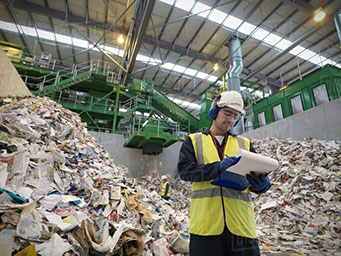
Managing inventory during product destruction is a critical, often overlooked, aspect of the supply chain that impacts financial performance, environmental responsibility, and brand reputation. Effective product destruction processes go beyond mere disposal, requiring strategic planning and meticulous execution to mitigate risks and maximize value recovery.
| For landfill-free waste, recycling and product destruction services, including sorting, baling, shredding and compaction equipment, or to explore earning money from your recycling, contact Integrity Recycling Waste Solutions at (866) 651-4797. |
The Imperative of Strategic Product Destruction
The necessity for product destruction arises from various factors, ranging from obsolescence to regulatory non-compliance, and its effective management is paramount for any business maintaining physical inventory. This is not simply about getting rid of unwanted goods; it’s about a controlled, secure, and responsible process that safeguards assets, complies with regulations, and upholds brand integrity. Neglecting this often leads to significant financial losses, environmental liabilities, and reputational damage that can be difficult to recover from. A strategic approach integrates destruction planning into the broader inventory and supply chain management lifecycle, transforming a potential liability into a controlled, auditable, and even value-generating activity.
Understanding the Drivers of Product Destruction
The reasons behind the need for product destruction are multifaceted, often reflecting dynamic market conditions, production errors, or unforeseen external events. Obsolescence is a primary driver, particularly in fast-paced industries like technology or fashion, where products quickly become outdated, superseded by newer models, or simply fall out of style. Holding onto such items incurs warehousing costs and ties up capital that could be better utilized elsewhere. Products that are damaged during manufacturing, transit, or warehousing also frequently require destruction. This damage can range from superficial blemishes that render an item unsellable to critical structural failures that make it unsafe.
Beyond physical condition, regulatory compliance plays a significant role. Certain industries, such as pharmaceuticals, food and beverage, or electronics, face strict regulations regarding product shelf life, safety standards, and material composition. Products failing to meet these benchmarks, or those subject to recalls due to latent defects or health risks, must be securely taken out of circulation. The severity of these recalls often dictates the urgency and method of destruction, prioritizing public safety over all other considerations. Furthermore, brand integrity and intellectual property protection are vital. Counterfeit goods, expired promotional materials, or products that no longer align with a company’s marketing strategy may need to be destroyed to prevent market dilution, maintain brand premium, or protect proprietary designs and technologies. The decision to destroy, in these cases, is not just about clearing warehouse space, but about meticulously protecting the intangible value of a brand and its offerings in the marketplace.
The Hidden Costs and Risks of Poor Destruction Practices
While the direct cost of disposal is usually factored in, the more insidious financial and operational ramifications of inadequate product destruction practices often go unacknowledged until it’s too late. Financially, holding onto obsolete or damaged inventory incurs carrying costs, including warehousing fees, insurance, and taxes, eating into potential profit margins even before disposal. The true financial loss is multifaceted: not only is the initial investment in the product gone, but there are also the administrative costs of managing the disposal process, potential fines for improper environmental handling, and the lost opportunity cost of capital tied up in unsalable goods. Beyond direct expenditure, improper destruction can lead to products entering unauthorized channels, such as rogue online marketplaces, creating a shadow market that undermines pricing strategies and brand exclusivity. This unauthorized resale of defective or expired products can erode consumer trust and significantly devalue a brand’s perceived quality and authenticity, leading to long-term revenue setbacks far exceeding the immediate cost of the goods.
Environmentally, the risks are equally severe. Haphazard disposal, especially of items containing hazardous materials like batteries, chemicals, or electronics, can lead to soil and water contamination, posing immediate threats to ecosystems and human health. Companies found to be in violation of environmental regulations face substantial fines, mandatory clean-up costs, and severe reputational backlash that frames them as irresponsible corporate citizens. Legal liabilities extend beyond environmental breaches, encompassing data breaches if products with sensitive embedded data are not completely wiped, or product liability claims if defective goods somehow re-enter circulation and cause harm. The public relations nightmare that follows such incidents can permanently tarnish a company’s image, leading to a loss of market share, consumer boycotts, and a general erosion of goodwill. The intangible costs of reputational damage, the erosion of brand equity, and the loss of consumer trust can, in the long run, far outweigh any short-term savings achieved by cutting corners on proper product destruction.
Shifting from Reactive Disposal to Proactive Management
The traditional approach to product destruction has often been reactive: an item is deemed unsalable or hazardous, and a solution for its disposal is then sought. This reactive stance, while operationally straightforward on the surface, fundamentally misses opportunities for cost savings, risk mitigation, and strategic alignment. A modern, proactive approach integrates destruction planning into the product lifecycle from design to end-of-life. This begins with strategic planning during product development, considering material choices that facilitate easier recycling or safe disposal. It extends to robust forecasting models that minimize overproduction, and flexible manufacturing processes that can adapt to demand shifts, thereby reducing surplus inventory. Policies must be developed that clearly define the criteria for destruction, the authorized methods, and the responsible parties, ensuring a standardized and compliant process across the organization. This foundational policy framework establishes the necessary guardrails.
Furthermore, proactive management involves early identification of at-risk inventory. This means leveraging analytics to predict obsolescence, tracking product return rates to anticipate defects, and closely monitoring market trends to avoid overstocking volatile product lines. By identifying goods that are likely to require destruction well in advance, companies can explore alternative solutions like redistribution, repurposing, or donation before destruction becomes the only viable option. This integration with the broader supply chain management involves seamless data flow between inventory systems, reverse logistics, and finance departments. This ensures that destruction decisions are not made in isolation but are informed by comprehensive data on inventory levels, market demand, regulatory changes, and cost implications. It fosters a culture where product destruction is viewed not as a failure, but as a controlled and necessary part of the product lifecycle, managed with the same rigor and strategic foresight as procurement or sales, ultimately enabling businesses to extract maximum residual value while fulfilling their environmental and ethical responsibilities.
Establishing Robust Inventory Management Protocols for Destruction
Effective management of inventory destined for product destruction requires a sophisticated set of protocols that ensure security, compliance, and transparency. It’s a process that begins long before the actual act of destruction, encompassing meticulous identification, segregation, precise documentation, and the strategic application of technology. These protocols are crucial for maintaining control over the inventory, preventing leakage into unauthorized channels, and providing a verifiable audit trail for compliance and financial reconciliation. Without these robust systems in place, companies risk not only financial losses but also significant legal and reputational damage, especially when dealing with sensitive, hazardous, or high-value items. The objective is to make the destruction process as controlled and auditable as any other part of the supply chain, moving from a reactive clear-out to a strategically managed end-of-life process.
Pre-Destruction Inventory Assessment and Segregation
The initial and arguably most critical step in managing inventory destined for product destruction is thorough assessment and segregation. This phase begins with the precise identification of items marked for destruction. This isn’t just about putting a tag on a box; it involves a detailed audit, often leveraging existing inventory management systems (IMS) or warehouse management systems (WMS) to pinpoint individual stock-keeping units (SKUs) based on their condition, age, damage level, recall status, or obsolescence. Each item needs to be meticulously accounted for, preventing any ambiguity about its final disposition. Once identified, these items must be physically segregated from salable inventory. This typically means dedicated holding areas within the warehouse – clearly marked, secure, and often access-controlled – to prevent accidental shipment, theft, or commingling with good stock. These areas should be distinct enough to ensure that there is no confusion about the items’ status.
The process of segregation should also involve a classification system for the items. This could categorize them by type (e.g., electronic waste, hazardous materials, general merchandise), by the reason for destruction (e.g., recall, damage, expired), or by their potential for salvage/recycling. This classification is vital for determining the correct destruction method and for complying with specific regulatory requirements, as different waste streams have different disposal mandates. For instance, electronics may require specialized e-waste processors, while pharmaceuticals need secure incineration. Digital tracking becomes paramount at this stage, with each item’s transition to the destruction holding area being logged in the inventory system, updating its status to “pending destruction” or similar. This digital record serves as the first link in an immutable chain of custody, ensuring that once an item is marked for destruction, its movement and final disposition are continuously traceable, minimizing the risk of diversion and providing clear accountability throughout the entire process.
Implementing Secure Documentation and Audit Trails
Beyond physical segregation, the bedrock of effective product destruction management lies in establishing an inviolable documentation and audit trail. The importance of this cannot be overstated; it provides legal proof, supports financial reconciliation, and ensures compliance with internal policies and external regulations. Every step, from the initial decision to destroy an item to its final physical destruction, must be meticulously recorded. This starts with a formal authorization for destruction, often signed off by multiple layers of management, specifying the items, quantities, and reasons. This authorization then triggers the creation of a destruction manifest – a detailed list of all goods to be destroyed, including their identifying serial numbers, batch codes, and initial value. This manifest acts as a critical reference point against which all subsequent stages are verified.
As items move through the destruction process, each transfer of custody must be documented with signatures and timestamps, creating a clear chain of custody. This includes transfers from the main warehouse to the secure destruction holding area, and from the holding area to the chosen destruction vendor. When the physical destruction occurs, a certificate of destruction (COD) is indispensable. This document, issued by the destruction vendor, confirms that the items specified in the manifest have been completely and irrecoverably destroyed according to agreed-upon methods. It typically includes the date, location, method of destruction, and often photographic or video evidence. All these documents – authorizations, manifests, chain of custody logs, and CODs – must be securely archived, ideally both physically and digitally. Digital record-keeping systems with robust audit capabilities can track every modification, user access, and transaction, providing an unalterable history that is crucial for internal audits, compliance checks, and legal defense. This comprehensive documentation provides undeniable proof that products have been handled responsibly, mitigating potential liabilities and upholding corporate governance standards, which is particularly vital for environmentally sensitive or high-value goods.
Leveraging Technology for Enhanced Visibility and Control
In the complex landscape of modern supply chains, technology offers unparalleled opportunities to enhance visibility and control over inventory destined for product destruction. Manual processes, while foundational, are prone to human error and lack the real-time insights necessary for truly effective management. Advanced technologies like RFID (Radio-Frequency Identification) tags can provide granular, real-time tracking of individual items from their entry into the destruction pipeline until their complete elimination. Unlike barcodes, RFID tags do not require line-of-sight scanning, allowing for faster, more accurate inventory counts and tracking as items move through secure holding areas and onto destruction trucks. This immediate data capture significantly reduces the risk of items going missing or being diverted.
Beyond tracking, sophisticated Warehouse Management Systems (WMS) and Enterprise Resource Planning (ERP) solutions can integrate destruction protocols directly into their workflows. These systems can automatically flag products based on pre-defined criteria (e.g., expiry dates, recall notices), generate destruction orders, manage the segregation process, and even interface directly with third-party destruction vendors. This level of integration ensures that the destruction process is not an isolated event but a seamless, automated extension of overall inventory management. Moreover, the advent of blockchain technology is beginning to offer new dimensions of transparency and immutability. By recording every transaction and movement of an item on a distributed ledger, blockchain can create an unchangeable audit trail that spans multiple parties – from the manufacturer to the logistics provider to the destruction vendor. This cryptographic security makes it virtually impossible to tamper with records, providing an unprecedented level of trust and accountability. Predictive analytics, too, can play a transformative role by analyzing historical data on product returns, quality control failures, and market trends to forecast which products are likely to require destruction in the future. This proactive insight allows companies to optimize production runs, adjust procurement strategies, and plan destruction logistics in advance, minimizing waste and maximizing efficiency. The strategic deployment of these technologies not only streamlines operations but also provides the robust, verifiable data necessary for compliance, financial analysis, and continuous process improvement in product destruction.
Integrating with Reverse Logistics and Supply Chain Systems
The process of product destruction is rarely a standalone event, but rather should be viewed as an integral component of a broader reverse logistics strategy and the overarching supply chain. Seamless integration ensures that the flow of goods designated for destruction is managed with the same efficiency and visibility as forward logistics. This integration begins by synchronizing data between the core inventory management systems and reverse logistics modules. When a product is returned, deemed defective, or becomes obsolete, its status in the system should immediately update, triggering the appropriate workflow, which might lead directly to the destruction pipeline. This prevents items from languishing in limbo, incurring unnecessary carrying costs or risking diversion. Robust data sharing protocols between different segments of the supply chain ensure that information about potential destruction items is disseminated quickly to relevant departments, including finance for provisioning, legal for compliance, and procurement for future planning.
For instance, understanding the volume and nature of products being destroyed can significantly impact future forecasting and procurement decisions. If a specific product line consistently ends up in the destruction pile due to overstocking, this real-time feedback can lead to adjustments in production schedules or purchasing quantities. Similarly, detailed analysis of destroyed items (e.g., common failure points) can inform product design improvements, turning a disposal process into an invaluable source of market intelligence. Beyond internal systems, integration extends to third-party logistics (3PL) providers and specialized destruction vendors. Secure electronic data interchange (EDI) or API connections can automate the passing of destruction manifests, tracking information, and certificates of destruction, reducing manual errors and accelerating the process. This interconnectedness allows for comprehensive visibility across the entire product lifecycle, from manufacture to final disposition. By viewing product destruction not as an isolated problem but as a critical part of the circular economy and supply chain flow, companies can achieve greater operational efficiency, maintain tighter control over their assets, and ensure that every item’s journey, even to its end, is managed strategically and responsibly.
| For landfill-free waste, recycling and product destruction services, including sorting, baling, shredding and compaction equipment, or to explore earning money from your recycling, contact Integrity Recycling Waste Solutions at (866) 651-4797. |
Ethical, Environmental, and Financial Considerations
The decision to destroy products carries significant weight beyond mere operational logistics; it intersects profoundly with ethical responsibilities, environmental stewardship, and financial prudence. Businesses are increasingly held accountable not just for what they produce, but for how they manage the end-of-life of their products. This necessitates a holistic approach to product destruction that prioritizes sustainability, adheres to stringent regulatory frameworks, and seeks to mitigate financial losses while potentially recovering value. Navigating these interconnected considerations requires careful planning, transparent practices, and a commitment to continuous improvement that balances economic viability with social and environmental obligations. Companies that master this complex interplay can enhance their reputation, build consumer trust, and contribute positively to a more sustainable global economy.
Embracing Sustainable Destruction Methods
In an era of heightened environmental awareness, the notion of outright product destruction is increasingly challenged, prompting businesses to embrace more sustainable alternatives. The ideal scenario involves a hierarchy of options that prioritize value recovery and minimize environmental impact. At the forefront is recycling, which disassembles products into their elemental components (e.g., plastics, metals, glass), allowing these materials to re-enter the manufacturing stream as raw materials. This significantly reduces the need for virgin resources and diverts vast amounts of waste from landfills. For electronics, specialized e-waste recycling ensures hazardous materials are safely extracted while valuable metals are recovered.
Beyond traditional recycling, repurposing and donation offer compelling alternatives. Repurposing involves taking a complete, functional product that is no longer sellable in its original market (due to minor cosmetic issues, packaging damage, or being an older model) and finding a new use for it. This could mean selling it through discount channels, converting it for a different application, or simply removing branding for generic use. Donation, particularly to charities or non-profit organizations, provides a significant social benefit, diverting products from landfill while helping communities in need. This is especially relevant for non-perishable goods, clothing, or furniture that are still functional. For items that cannot be recycled, repurposed, or donated due to their nature (e.g., highly contaminated materials, certain hazardous waste), more advanced destruction methods are employed. This includes energy recovery, where waste is incinerated under controlled conditions to generate electricity or heat, thereby converting waste into a usable resource rather than simply discarding it. The least preferred, though sometimes unavoidable, method remains secure landfilling, reserved for materials that cannot be safely processed otherwise. Embracing these sustainable methods for product destruction not only reduces a company’s carbon footprint and waste generation but also enhances its brand image as an environmentally conscious entity, resonating positively with eco-aware consumers and investors.
Navigating Regulatory Compliance and Legal Obligations
The landscape of product destruction is heavily influenced by a complex web of regulatory compliance and legal obligations, varying significantly by geography and product type. Companies must possess an intricate understanding of these mandates to avoid severe penalties, legal action, and reputational damage. At a fundamental level, businesses must comply with local, national, and international environmental protection laws, which dictate how different types of waste are to be handled, treated, and disposed of. This includes regulations governing hazardous waste (e.g., chemicals, batteries, certain electronics), which often require specialized handling, transportation, and certified destruction facilities. Failure to adhere to these rules can result in hefty fines, incarceration for responsible parties, and mandatory environmental clean-up costs that can be financially crippling.
Beyond environmental regulations, specific industries face unique compliance challenges. The pharmaceutical industry, for instance, must adhere to strict guidelines for the destruction of expired or contaminated drugs to prevent their diversion or harm. The food industry has similar rigorous standards for condemned food products. Data privacy laws, such as GDPR in Europe or CCPA in California, pose another critical dimension. Products containing embedded data (e.g., smart devices, hard drives, point-of-sale systems) must undergo secure data erasure or physical destruction to ensure sensitive customer or corporate information cannot be retrieved. This requires certified data destruction processes. Furthermore, contractual obligations with suppliers or intellectual property holders may dictate specific destruction protocols for branded items, prototypes, or proprietary components to prevent intellectual property theft or unauthorized use. Companies often rely on specialized third-party destruction vendors who are certified and knowledgeable in these diverse regulatory frameworks. Vetting these partners thoroughly, ensuring they possess the necessary licenses, permits, and track record of compliance, is paramount. Building a resilient product destruction strategy means staying abreast of evolving legislation, integrating legal compliance into every stage of the process, and maintaining an unimpeachable audit trail that demonstrates due diligence. This table provides a conceptual overview of common destruction methods and their characteristics:
| Destruction Method | Primary Application | Environmental Impact | Cost Efficiency | Security Level |
|---|---|---|---|---|
| Shredding/Grinding | Paper, textiles, non-hazardous plastics, prototypes | Low to Medium | High | Medium to High |
| Incineration | Medical waste, hazardous materials, sensitive data | Medium to High | Medium | High |
| Dismantling/Recycling | Electronics (e-waste), metals, glass, complex goods | Low | Medium | Medium |
| Composting | Organic materials, food waste | Very Low | Low | Low |
| Chemical Neutralization | Specific hazardous liquids, chemicals | Medium | Medium | High |
| Secure Landfilling | Non-recyclable, non-hazardous general waste | High | Low | Medium |
Financial Recovery and Loss Mitigation Strategies
While product destruction fundamentally represents a financial loss, smart inventory management during this process can significantly mitigate these losses, and in some cases, even facilitate partial financial recovery. A primary strategy involves optimizing the timing of destruction to avoid continued carrying costs. Holding onto unsalable inventory accumulates expenses like warehousing, insurance, and interest on tied-up capital. Timely destruction clears valuable warehouse space, reducing operational overheads and freeing up capital for productive use. This initial cost avoidance is a critical element of loss mitigation. Furthermore, understanding tax implications is vital. In many jurisdictions, businesses can claim tax deductions for inventory write-offs due to obsolescence, damage, or destruction. Accurate valuation and documented destruction are crucial for substantiating these claims, converting a physical loss into a beneficial accounting adjustment. Companies should consult with tax experts to fully leverage available deductions and credits, ensuring that the financial impact of destruction is accurately reflected and optimized on their balance sheets.
Beyond cost avoidance and tax benefits, there are avenues for value recovery. If only part of a product is damaged, or if it can be broken down into functional components, a salvage value can be realized by selling these parts. For example, electronic devices might have working screens or circuit boards that are more valuable than the entire damaged unit. Similarly, certain materials like precious metals from electronic components or high-grade plastics can be sold as scrap for recycling, generating a modest revenue stream. This approach contrasts sharply with simply sending the entire product to landfill, where zero value is recovered. The decision to salvage versus destroy outright depends on the cost of disassembling versus the potential recovered value. Insurance claims also present an opportunity for recovery, particularly if destruction is necessitated by events covered under a business’s property or product recall insurance policies. Meticulous documentation of damage, loss, and destruction is essential to support these claims successfully. Ultimately, every product destruction decision should be preceded by a thorough cost-benefit analysis, weighing the literal costs of destruction against potential salvage value, tax benefits, and the avoidance of ongoing carrying costs. This proactive financial analysis transforms what appears to be a pure cost center into a strategically managed aspect of financial performance, ensuring that even in loss, optimization is pursued.
| For landfill-free waste, recycling and product destruction services, including sorting, baling, shredding and compaction equipment, or to explore earning money from your recycling, contact Integrity Recycling Waste Solutions at (866) 651-4797. |
Continuous Improvement and Future-Proofing Destruction Processes
The dynamic nature of markets, regulations, and technological advancements means that product destruction processes cannot remain static. To ensure long-term effectiveness, compliance, and cost-efficiency, organizations must embed a culture of continuous improvement and adaptation. This involves rigorous post-destruction analysis, investing in employee training to foster responsible practices, and strategically managing third-party vendor relationships. By treating product destruction as an evolving system rather than a fixed procedure, companies can refine their approaches, identify new opportunities for value recovery, minimize environmental impact, and build resilience against future challenges. This forward-looking perspective is crucial for maintaining competitive advantage and upholding corporate responsibility in a rapidly changing global landscape.
Post-Destruction Analysis and Feedback Loops
The act of product destruction should never be considered the end of the process; instead, it marks the beginning of a crucial analytical phase designed for continuous improvement. Post-destruction analysis involves meticulously reviewing data collected throughout the destruction pipeline: the volume of products destroyed, the reasons for destruction (e.g., obsolescence, defect, recall), the methods used, and the associated costs. This analytical deep dive aims to identify patterns, root causes, and inefficiencies. For instance, a recurring high volume of destruction for a specific product might signal issues in initial forecasting, leading to overproduction, or indicate systemic quality control problems during manufacturing. Understanding these root causes is paramount.
Training and Culture: Empowering the Workforce
No matter how robust the technological systems or how clear the policies, the effectiveness of product destruction processes ultimately hinges on the people executing them. Therefore, comprehensive training and the cultivation of a responsible corporate culture are indispensable. Employees across various functions – from warehouse staff handling segregation to procurement specialists vetting destruction vendors, and finance personnel managing write-offs – must be thoroughly trained on the specific protocols, legal obligations, and best practices associated with product end-of-life management. This training should cover everything from proper identification and handling of items destined for destruction to understanding the importance of secure documentation and the implications of non-compliance. It’s not just about technical skills; it’s about instilling an understanding of the profound impact of their actions on financial performance, environmental sustainability, and brand integrity.
Beyond formal training sessions, fostering a culture of accountability and responsibility is crucial. This means emphasizing that proper product destruction is not a peripheral activity but a core element of good business practice and corporate social responsibility. Management must champion this perspective, setting clear expectations and providing the necessary resources for employees to perform their roles diligently. Empowering the workforce means giving them the tools and knowledge to make informed decisions, to recognize potential issues, and to escalate concerns related to item security or proper disposal. For example, a warehouse employee who understands the risks of a broken product re-entering the market is far more likely to follow segregation protocols. A culture that recognizes and rewards diligent adherence to these critical processes helps to solidify responsible practices, reducing the likelihood of costly errors, diversions, or regulatory breaches. By investing in their people, companies ensure that the human element of product destruction is as strong and reliable as its technological and procedural counterparts, forming a virtuous cycle of continuous improvement and ethical stewardship.
Vendor Management and Third-Party Partnerships
Given the specialized nature and regulatory complexities often associated with product destruction, many companies rely on third-party vendors for these services. Effective vendor management is therefore a cornerstone of a successful destruction strategy, ensuring security, compliance, and cost-efficiency. The process begins with meticulous vendor selection. This involves comprehensive due diligence to assess potential partners’ credentials, including their certifications (e.g., environmental, data security), operational capabilities, security protocols, and track record. Companies should look for partners with demonstrated expertise in handling specific waste streams (e.g., electronics, hazardous materials) and a proven ability to provide secure, verifiable destruction. Site visits to potential vendor facilities are highly recommended to personally inspect their security measures, operational flows, and environmental compliance practices.
Once a vendor is selected, clear and robust contractual agreements are critical. These contracts must precisely define the scope of work, destruction methods, reporting requirements (e.g., certificates of destruction with specific details and photographic evidence), chain of custody protocols, and liability clauses. Performance monitoring is an ongoing necessity; this includes regular audits of the vendor’s processes and records, spot checks, and reviewing their performance against agreed-upon key performance indicators (KPIs) such as destruction timelines, cost adherence, and compliance rates. Establishing open lines of communication and a collaborative relationship with destruction partners can also be highly beneficial, allowing for proactive problem-solving and the sharing of insights into evolving regulations or best practices. The security aspect cannot be overstressed; especially for high-value or sensitive products, ensuring secure transport, secure facility access, and robust destruction methods that prevent any possibility of diversion is paramount. By treating third-party destruction vendors as strategic partners rather than mere service providers, companies can significantly enhance the integrity, efficiency, and compliance of their product destruction processes, insulating themselves from potential risks and upholding their brand reputation.
Conclusion
Effectively managing inventory during product destruction is far more than a logistical challenge; it is a strategic imperative that reflects a company’s commitment to financial prudence, environmental responsibility, and brand integrity. From understanding the multifaceted drivers necessitating destruction to implementing robust inventory assessment and secure documentation protocols, every step must be meticulously planned and executed. Leveraging advanced technologies for enhanced visibility, integrating destruction processes into broader supply chain and reverse logistics systems, and consistently adhering to ethical and regulatory standards are critical. Furthermore, a commitment to continuous improvement through post-destruction analysis, comprehensive employee training, and rigorous vendor management ensures that these processes remain adaptive, compliant, and cost-effective, positioning product destruction as a managed component of the product lifecycle rather than a reactive, costly afterthought.
| For landfill-free waste, recycling and product destruction services, including sorting, baling, shredding and compaction equipment, or to explore earning money from your recycling, contact Integrity Recycling Waste Solutions at (866) 651-4797. |