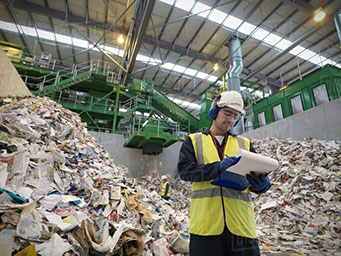
In today’s environmentally conscious world, understanding Local Recycling Regulations and How They Affect Your Paper and Cardboard Disposal is crucial for businesses and individuals alike. These regulations influence how waste materials, especially paper and cardboard, are managed, processed, and disposed of. With growing emphasis on sustainable practices and waste reduction, compliance with local rules not only helps protect the environment but can also enhance your company’s reputation and reduce disposal costs. This article explores the significance of local recycling laws and offers practical guidance on managing paper and cardboard waste in accordance with these regulations.
| For commercial landfill-free waste, recycling and product destruction services, including sorting, baling, shredding and compaction equipment, or to explore revenue from your recycling, contact Integrity Recycling Waste Solutions at (866) 651-4797. |
Understanding Local Recycling Regulations
What Are Local Recycling Regulations?
Local recycling regulations are rules and guidelines set by municipal or regional authorities to manage waste disposal practices within a specific geographic area. These laws aim to promote recycling, reduce landfill reliance, and minimize environmental impact. They specify what can or cannot be thrown away, how recyclable materials should be sorted, and the penalties for non-compliance.
In essence, these regulations establish the framework that governs waste management, ensuring that recyclable materials like paper and cardboard are properly sorted, processed, and diverted from landfills. They might vary significantly from one jurisdiction to another, reflecting local environmental priorities and infrastructure capabilities.
Why Do They Matter?
Compliance with local recycling laws is essential for several reasons: environmental preservation, legal adherence, and financial efficiency. Proper adherence ensures that recyclable paper and cardboard are processed correctly, reducing waste sent to landfills and conserving natural resources. Additionally, businesses that ignore these regulations risk fines, penalties, and damage to their reputation.
Moreover, understanding local policies helps organizations design more effective waste management strategies, aligning with regulations and taking advantage of available recycling programs or incentives.
How Local Recycling Regulations Impact Paper and Cardboard Disposal
Segregation and Sorting Requirements
Most local laws mandate the proper segregation of recyclable paper and cardboard from general waste. This process involves separating corrugated cardboard, office paper, newspapers, and other paper products into designated containers to ensure they are recyclable.
Incorrect disposal, such as mixing paper with non-recyclable waste, can lead to contamination, rendering the entire batch non-recyclable. This issue underscores the importance of staff training and proper signage within your facility.
Moisture and Contamination Restrictions
Many regulations specify that recyclables must be clean and free from food residues, liquids, or other contaminants. For example, greasy pizza boxes or soiled paper towels cannot be recycled unless properly cleaned or processed separately. Contaminated paper not only hampers recycling efforts but may also violate local laws, resulting in disposal penalties.
Collection and Disposal Procedures
Local authorities often specify how recycling collections should be scheduled, the type of containers to be used, and whether waste haulers are approved or certified. Businesses may need to use designated bins or participate in curbside recycling programs that adhere to local standards.
Reporting and Documentation
Some regions require businesses to report recycling quantities, maintain waste disposal logs, or participate in audits to demonstrate compliance. This transparency ensures that waste management efforts meet community standards and environmental goals.
Penalties for Non-Compliance
Failing to follow local recycling laws can lead to fines, increased waste collection fees, or legal action. For example, improperly disposing of recyclable paper and cardboard can result in penalties that significantly increase operating costs.
| For commercial landfill-free waste, recycling and product destruction services, including sorting, baling, shredding and compaction equipment, or to explore revenue from your recycling, contact Integrity Recycling Waste Solutions at (866) 651-4797. |
Practical Steps for Complying with Local Recycling Regulations
To navigate local recycling laws effectively and optimize paper and cardboard disposal, consider these steps:
1. Educate Your Team
Training staff about proper recycling practices ensures everyone understands what materials are acceptable and how to sort them. Use clear signage and conduct periodic refresher sessions.
2. Establish Proper Waste Segregation Systems
Implement designated bins for paper, cardboard, and general waste. Ensure bins are clearly labeled and located conveniently to encourage correct disposal.
3. Maintain Cleanliness
Encourage employees to rinse or clean paper and cardboard items that have food or liquid residues. This reduces contamination and keeps recyclable materials compliant with local standards.
4. Partner with Certified Waste Solutions Providers
Work with reputable waste management companies that understand local regulations and can provide compliant collection, sorting, and recycling services. Many providers, like Integrity Recycling and Waste Solutions, offer advanced sorting and recycling options that help businesses meet legal requirements and maximize revenue from recyclable commodities.
5. Monitor and Report
Keep accurate records of your recycling efforts and conduct regular audits. This documentation can help in case of inspections and demonstrate your commitment to regulatory compliance.
6. Stay Informed
Local regulations can change. Regularly check updates from your municipal or regional waste management authority to stay compliant. Joining local industry associations or sustainability groups can also be a valuable resource.
The Role of Technology and Equipment
Modern recycling facilities utilize advanced sorting and baling equipment to improve efficiency and recyclability. These systems can separate paper and cardboard from mixed waste streams accurately and quickly to meet regulatory standards.
Investing in such technology, through partnerships with recycling service providers, can streamline your waste management process while ensuring compliance. For example, some services offer comprehensive recycling programs that include LEED certification support, helping your business demonstrate leadership in sustainability.
Benefits of Compliance and Effective Recycling
Adhering to Local Recycling Regulations and How They Affect Your Paper and Cardboard Disposal benefits your business by reducing environmental impact, lowering waste management costs, and improving public image. Proper recycling prevents contamination, ensures materials are reused, and positions your company as environmentally responsible.
Additionally, by maximizing the recycling of paper and cardboard, businesses can generate revenue through recyclable commodities and qualify for various green certifications that can enhance brand reputation and attract environmentally conscious customers.
| For commercial landfill-free waste, recycling and product destruction services, including sorting, baling, shredding and compaction equipment, or to explore revenue from your recycling, contact Integrity Recycling Waste Solutions at (866) 651-4797. |
Conclusion
Understanding and complying with Local Recycling Regulations and How They Affect Your Paper and Cardboard Disposal is vital for sustainable waste management. These laws establish guidelines that promote recycling, prevent contamination, and ensure legal compliance, ultimately benefiting the environment and your business operations. Proper segregation, cleanliness, and collaboration with experienced waste management providers are key to navigating these regulations successfully. Staying informed about local laws and investing in advanced recycling solutions can help your organization meet legal standards, reduce costs, and demonstrate a commitment to sustainability. Embracing responsible recycling practices not only aligns your business with regulatory requirements but also contributes to a healthier planet and a more sustainable future.