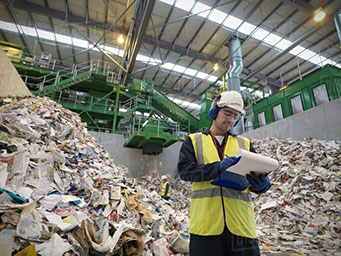
The product destruction industry, a critical yet often overlooked component of the global supply chain, is undergoing significant transformation. Once primarily focused on waste disposal, modern product destruction encompasses sophisticated processes designed to protect brands, ensure compliance, recover value, and manage environmental impact. This sector is rapidly evolving due to stringent regulations, technological advancements, shifting economic landscapes, and a growing emphasis on corporate social responsibility. Understanding these trends is paramount for businesses seeking to navigate the complexities of managing obsolete, defective, recalled, or counterfeit goods effectively and responsibly.
| For landfill-free waste, recycling and product destruction services, including sorting, baling, shredding and compaction equipment, or to explore earning money from your recycling, contact Integrity Recycling Waste Solutions at (866) 651-4797. |
The Evolving Landscape of Product Destruction
The landscape of product destruction is no longer a simple matter of discarding unwanted items; it has become a highly regulated and strategic imperative for businesses across all sectors. This evolution is driven by a complex interplay of legal requirements, brand integrity concerns, and a burgeoning global commitment to environmental stewardship. Companies are increasingly realizing that inadequate product destruction practices can lead to significant financial penalties, irreparable reputational damage, and even direct harm to consumers. Consequently, the industry is witnessing a shift towards more secure, traceable, and environmentally harmonious methods of disposal, moving far beyond traditional landfill solutions to embrace more sophisticated approaches. This section explores the primary forces shaping this dynamic transformation.
Regulatory Imperatives and Compliance Drivers
The push for stricter regulatory compliance is arguably the most significant factor reshaping the product destruction industry. Governments worldwide are enacting more stringent laws concerning waste management, data privacy, and intellectual property. For instance, regulations like the Waste Electrical and Electronic Equipment (WEEE) Directive in Europe mandate specific recycling and disposal methods for electronic waste, preventing hazardous materials from entering landfills. Similarly, pharmaceutical companies face rigorous requirements for destroying expired or recalled drugs, often under the direct supervision of regulatory bodies to prevent diversion or misuse.
Failure to comply with these proliferating regulations can lead to substantial fines, legal action, and costly remediation efforts. This punitive environment necessitates that businesses develop robust, auditable product destruction protocols. Companies must not only ensure the physical destruction of goods but also maintain comprehensive documentation of the process, including certificates of destruction, to demonstrate adherence to legal obligations. My analysis suggests that the trend towards increased regulation will only continue, driven by environmental concerns and a heightened awareness of consumer safety, pushing companies to invest more in specialized third-party product destruction services that can guarantee legal compliance and provide verifiable audit trails.
Brand Protection and Intellectual Property Safeguarding
Beyond regulatory compliance, the proactive protection of brand integrity and intellectual property (IP) is a critical driver for effective product destruction. Counterfeit goods flooding the market, diversion of genuine products into unauthorized channels (grey markets), and the potential for obsolete designs to be reverse-engineered pose significant threats to a company’s reputation, market share, and long-term viability. Effective product destruction serves as the ultimate safeguard against these risks, ensuring that imposter products cannot mimic or corrupt established brands.
When dealing with seized counterfeit goods, for example, simple disposal often isn’t enough; certified destruction prevents these items from re-entering the supply chain or being salvaged for their components. Similarly, the destruction of off-spec or prototype products prevents patented designs or proprietary technologies from falling into the wrong hands. This extends even to packaging; companies often destroy branded packaging for expired or returned items to prevent its illicit use. A personal insight is that the psychological impact of seeing a genuinely destroyed product, rather than merely discarded one, adds an invaluable layer of reassurance for brands. This strategic use of product destruction moves beyond mere waste management, becoming a cornerstone of a comprehensive brand defense strategy, signifying a commitment to quality and authenticity that resonates with consumers and stakeholders.
Sustainability and Waste Management Integration
The integration of product destruction into broader sustainability and waste management strategies represents a profound paradigm shift. Historically, product destruction was synonymous with landfilling or incineration. Today, there is a strong emphasis on minimizing environmental impact through recycling, material recovery, and energy generation. This shift is driven by increasing environmental awareness, corporate social responsibility (CSR initiatives, and the economic benefits associated with recovering valuable materials.
Companies are now seeking destruction partners who can demonstrate high rates of material diversion from landfills, either through direct recycling or through energy-from-waste processes. For example, destroyed electronics often have components containing rare earth metals or precious metals that can be extracted and reused. Similarly, textiles can be shredded and repurposed for insulation or other industrial applications. This trend aligns with the principles of a circular economy, where resources are kept in use for as long as possible, extracting the maximum value from them while in use, then recovering and regenerating products and materials at the end of each service life. My creative insight here is that future product destruction facilities might evolve into sophisticated urban mines, meticulously disassembling products to reclaim every possible atom, shifting the sector’s image from one of waste to one of resource generation. This evolving focus makes product destruction a key player in a company’s overall environmental, social, and governance (ESG) performance.
Technological Advancements Redefining Destruction Practices
The product destruction industry, traditionally perceived as a low-tech sector, is now at the forefront of adopting advanced technologies. These innovations are not merely enhancing efficiency but are fundamentally reshaping how products are destroyed, making processes more secure, environmentally friendly, and economically viable. From sophisticated machinery to intelligent software, technology is providing unprecedented capabilities for material segregation, data eradication, and value recovery. This transformational wave is critical for businesses that must navigate increasingly complex waste streams and meet escalating demands for both security and sustainability. The integration of cutting-edge tech solutions is vital for maintaining a competitive edge and ensuring responsible and compliant disposal.
Automated Sorting and Processing Systems
One of the most significant technological advancements transforming product destruction is the advent of automated sorting and processing systems. Leveraging robotics, artificial intelligence (AI), and advanced sensor technologies, these systems can rapidly identify, sort, and segregate diverse materials from complex product streams. For example, a batch of mixed consumer electronics can be fed into an automated line, where optical sensors detect plastic types, metal components, and hazardous materials, directing them to appropriate shredding or dismantling stations. This level of precision was previously unachievable through manual labor, which was both costly and prone to human error.
The benefits of automation are multifaceted. They include dramatically increased processing speeds, reduced labor costs, and enhanced safety by minimizing human exposure to potentially hazardous materials or machinery. Furthermore, the accuracy of automated sorting leads to higher purity levels in recovered materials, increasing their market value for recycling. My personal analysis suggests that as AI algorithms become more sophisticated, these systems will not only sort but also predict optimal destruction pathways for maximum material recovery, effectively turning destruction facilities into highly efficient resource refineries. This move towards intelligent automation is making product destruction not just a necessary evil, but a strategic operation capable of generating new revenue streams.
Secure Data Eradication and IT Asset Disposition (ITAD)
With the proliferation of digital devices and the sensitive information they contain, secure data eradication has become a paramount concern within the product destruction industry. This segment, often referred to as IT Asset Disposition (ITAD), focuses on eliminating data from retired IT equipment to prevent data breaches and comply with data protection regulations such as GDPR or HIPAA. Simple deletion or reformatting is insufficient, as data can often be recovered. Therefore, the industry employs a range of advanced methods, including degaussing (using strong magnetic fields to scramble data on magnetic media), secure wiping software that overwrites data multiple times with unreadable patterns, and physical destruction methods like shredding, pulverizing, or crushing hard drives and solid-state drives.
The convergence of physical product destruction with cybersecurity best practices is a critical trend. It’s no longer enough to just destroy the device; the data must be securely irretrievable. This requires a deep understanding of evolving storage technologies and data recovery methods. Businesses face significant legal and reputational risks from data breaches stemming from improperly disposed IT assets. A creative insight derived from this trend is the potential for new certification standards that go beyond mere physical destruction, verifying the absolute eradication of data at a molecular level, creating a specialized niche for high-security data destruction facilities that act as the digital equivalent of Fort Knox for discarded information, safeguarding even the most sensitive corporate and national secrets.
Material Recovery and Resource Optimization
Driven by both economic incentives and environmental mandates, technological advancements are heavily focused on maximizing material recovery and optimizing resource utilization from product destruction. This involves developing specialized machinery capable of breaking down complex products into their constituent materials while preserving their integrity for recycling. Examples include advanced shredders designed to separate different plastics from metals, sophisticated hydro-pulpers for paper and cardboard, and chemical processes for extracting specific elements from electronic waste or batteries.
The goal is to move from general waste disposal to precise material reclamation. Instead of simply incinerating or landfilling textiles, companies are now looking to technologies that can break down fabrics into fibers that can be spun into new yarn or composites. For complex items like medical devices or solar panels, specialized disassembly lines are being developed to recover high-value components or rare minerals. This technological push is transforming destruction from an end-of-life process into a valuable step in the circular economy, extending the lifecycle of materials and reducing the reliance on virgin resources. My analysis indicates that the future of product destruction will involve increasingly sophisticated modular systems, allowing for the precise deconstruction and classification of materials, akin to a reverse manufacturing process, where every discarded product becomes a potential source for new raw materials, fueling a truly sustainable industrial cycle.
| For landfill-free waste, recycling and product destruction services, including sorting, baling, shredding and compaction equipment, or to explore earning money from your recycling, contact Integrity Recycling Waste Solutions at (866) 651-4797. |
Economic Drivers and Supply Chain Dynamics
The economic imperatives driving the product destruction industry are as complex and varied as the products themselves. Beyond the regulatory stick, there’s a powerful economic carrot pushing businesses to rethink their approach to product disposal. Managing reverse logistics, mitigating losses from overstock, and preserving consumer trust all have a direct impact on a company’s bottom line. The efficiency and strategic deployment of product destruction methods can turn what was once a mere cost center into a critical component of supply chain optimization and brand valuation. This section delves into the financial and operational factors that underscore the growing significance of sophisticated destruction practices within global supply chains, illustrating how conscious product disposition contributes to overall corporate health.
Reverse Logistics and Cost Efficiency
The handling of returned, recalled, or obsolete products falls under the umbrella of reverse logistics, and it is here that product destruction plays a critical role in achieving cost efficiency. Without a well-defined product destruction process, returned goods can languish in warehouses, incurring storage costs, or worse, be mishandled, leading to potential liabilities. Efficient product destruction systems minimize these holding costs by rapidly processing items that cannot be resold or repurposed. This includes items with minor defects that make them un-sellable, products from a recall that must be removed from circulation, or simply end-of-life goods.
The cost efficiency extends to optimized transportation and processing. Partnering with specialized destruction providers often means consolidating shipments of goods destined for destruction, reducing freight costs. Furthermore, these providers typically have facilities and equipment optimized for high-volume processing, offering economies of scale that individual companies cannot achieve. My personal analysis suggests that companies leveraging advanced analytics to predict return rates and obsolescence cycles can proactively schedule destruction, integrating it seamlessly into their supply chain flow, turning what was once a reactive, costly chore into a predictable and manageable operational expense. The upfront investment in a secure destruction strategy ultimately pays dividends by preventing greater losses down the line.
Market Fluctuations and Overstock Management
Unpredictable market fluctuations, shifts in consumer demand, and tactical overproduction can lead to significant inventories of unsellable goods. Fashion trends can change overnight, electronics become obsolete rapidly, and seasonal products lose all value post-season. In such scenarios, holding onto overstock ties up capital, occupies valuable warehouse space, and risks devaluing current product lines through market saturation or discounted sales. Strategic product destruction becomes a necessary tool for managing this overstock effectively.
The decision to destroy overstocked goods is complex, balancing the immediate financial loss against potential long-term damage to brand perception or market pricing. For luxury brands, for instance, destroying excess inventory is often preferable to discounting, which could dilute brand exclusivity. For other products, it’s about making space for new inventory and preventing the grey market sale of items at significantly reduced prices that could undercut authorized channels. A creative insight is to consider product destruction as an integral component of a dynamic pricing and inventory management strategy, enabling companies to quickly adapt to market shifts without compromising brand value or supply chain fluidity. This requires advanced modeling to determine the precise point at which destruction offers greater value than attempts at resale, highlighting product destruction as a nuanced strategic financial lever.
Consumer Trust and Ethical Considerations
Beyond economics and regulations, consumer trust and ethical considerations are increasingly influencing the product destruction industry. In an age of heightened social consciousness, consumers are not only concerned about the quality and safety of products they buy but also about the ethical practices of the companies behind them. Reports of companies dumping products into landfills, or destroying usable but deeply discounted items, can spark public outrage and boycotts, severely damaging brand reputation.
Therefore, companies are compelled to manage product destruction in a transparent and ethically responsible manner. This means prioritizing environmentally sound destruction methods, such as recycling or donation (where appropriate and safe), over simple disposal. It also involves clear communication about why certain products are destroyed (e.g., safety recalls, complete obsolescence, counterfeit prevention) and what happens to the materials afterwards. My analysis indicates that businesses that demonstrate a commitment to ethical destruction practices – by, for example, emphasizing material recovery or partnerships with charities for appropriate donations of non-destructed items – can actually enhance their brand image. This translates into increased consumer loyalty and trust, transforming a necessary operational task into an opportunity for positive public relations and a demonstration of corporate social responsibility that resonates deeply with an increasingly environmentally and socially aware consumer base.
Emerging Challenges and Future Outlook
The product destruction industry, while rapidly evolving, faces a unique set of challenges that will shape its future trajectory. Global interconnectedness, the acceleration of technological change, and the imperative for sustainability are creating new complexities and demands. From navigating diverse international regulations to redefining its role in a genuinely circular economy, the industry must adapt to remain relevant and effective. Understanding these emerging challenges is crucial for businesses and destruction service providers alike, as they chart a course towards more secure, efficient, and responsible practices in a rapidly changing world. This section explores the significant hurdles and transformative opportunities that lie ahead for the sector.
Global Regulations and Cross-Border Complexities
Operating in a globalized economy means that companies often deal with products manufactured, distributed, and returned across multiple jurisdictions, each with its own set of rules regarding waste, imports, and exports. This creates significant cross-border complexities for product destruction. What is permissible in one country may be illegal or heavily regulated in another. For example, the Basel Convention on the Control of Transboundary Movements of Hazardous Wastes and Their Disposal restricts the movement of hazardous waste between nations, directly impacting the destruction of certain electronic or chemical products. Furthermore, differing standards for data privacy and intellectual property enforcement add layers of complexity when destroying products containing sensitive information or counterfeit goods that need to be globally eradicated.
The lack of harmonized international standards means that multinational corporations must navigate a mosaic of legal frameworks, often requiring different destruction protocols for the same product depending on its origin or destination. This regulatory fragmentation can increase costs, slow down processes, and introduce compliance risks. My analysis suggests that the industry will increasingly rely on specialized global product destruction networks that possess deep expertise in specific regional regulations, offering a “one-stop-shop” solution for complex international destruction needs. This expertise will be critical not just for compliance but also for optimizing logistics across multiple borders, making these providers essential partners in truly global supply chains.
The Circular Economy’s Impact on Destruction Needs
The accelerating shift towards a circular economy paradigm presents both a challenge and an existential question for the product destruction industry. In a truly circular system, products are designed for durability, reuse, repair, and ultimately, complete recycling or composting, theoretically minimizing the need for “destruction” in the traditional sense. The emphasis is on keeping materials in use and regenerating natural systems, rather than disposing of them. This vision, if fully realized, implies a diminished overall volume of waste and a transformation in the nature of remaining end-of-life processes.
However, the reality is that complete material circularity is a long-term goal, and in the interim, there will still be a significant need for product destruction. Products will continue to fail, be recalled, become obsolete, or be counterfeited. The industry’s role will likely evolve from simply “destroying” to “deconstructing” and “materializing” – extracting maximum value from components and raw materials for re-entry into the manufacturing cycle. My creative insight is that future product destruction facilities may become Product De-Manufacturing Hubs, highly sophisticated centers where items are not obliterated, but meticulously disassembled, components assessed for reuse, and raw materials meticulously sorted for high-grade recycling. This transformation will require new skill sets and technological investments, turning destruction into a key enabler of circularity rather than its antithesis, highlighting how the industry itself must embrace circular principles to secure its future.
Cybersecurity and Intellectual Property in a Digital Age
As products become increasingly “smart” and interconnected, containing embedded software, firmware, and user data, the challenges related to cybersecurity and intellectual property (IP) protection in product destruction intensify. Counterfeiters are becoming more sophisticated, embedding malicious software or mimicking digital interfaces, making secure destruction of these items even more complex. The proliferation of IoT devices, with vast amounts of personal and operational data, means that physical destruction must always be accompanied by guaranteed digital data eradication, adding a layer of cybersecurity responsibility to the process.
The future of IP protection extend beyond physical destruction requirements to managing the digital footprint. This includes the secure destruction of software licenses, proprietary algorithms embedded in chips, and designs stored on internal memory. Companies face the daunting task of ensuring that their IP – both physical and digital – is completely eradicated from products at end-of-life to prevent reverse engineering or malicious exploitation. This means that product destruction specialists will increasingly need expertise not only in industrial shredding but also in forensic data analysis and advanced cybersecurity protocols. The ability to verify the complete destruction of both the physical item and its digital essence will be paramount.
Here is a list outlining key aspects of integrated cybersecurity and IP protection in product destruction:
- Secure Data Wiping: Employing certified software and hardware solutions to overwrite data multiple times, ensuring irretrievability before physical destruction.
- Physical Media Destruction: Utilizing shredders, pulverizers, or degaussers specifically designed to destroy hard drives, SSDs, and other data storage media beyond recovery.
- Firmware and Chip Eradication: Developing methods to erase proprietary firmware and intellectual property embedded directly into sophisticated chips and microcontrollers within devices.
- Chain of Custody for Digital Assets: Establishing clear, documented processes for tracing the lifecycle of digital intellectual property from its creation to its verified destruction.
- Third-Party Audits and Certifications: Engaging independent auditors to verify that data and IP destruction processes meet industry and regulatory standards, providing a crucial layer of trust and compliance.
- Prevention of Component Salvage: Ensuring destroyed products cannot be reassembled or their parts repurposed in a way that allows access to residual data or intellectual property.
Conclusion
The product destruction industry is no longer a peripheral service but a critical and evolving component of modern commerce, driven by compelling regulatory, technological, and economic forces. Its transformation from simple waste disposal to a highly specialized field reflects a growing recognition of its importance in brand protection, data security, and environmental stewardship. Emerging global complexities and the overarching push towards a circular economy will continue to reshape its practices, challenging traditional methods and fostering innovation. As businesses navigate an increasingly complex landscape, strategic and ethical product destruction will remain indispensable, evolving to become a more sophisticated, technologically advanced, and environmentally conscious arm of the global supply chain, safeguarding both corporate assets and planetary health.
| For landfill-free waste, recycling and product destruction services, including sorting, baling, shredding and compaction equipment, or to explore earning money from your recycling, contact Integrity Recycling Waste Solutions at (866) 651-4797. |