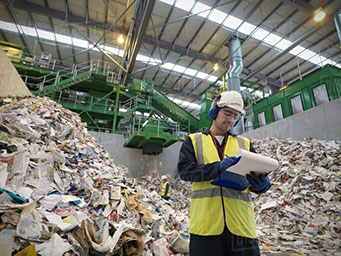
Effective product destruction is no longer a peripheral concern for businesses; it is a critical process essential for mitigating risks, upholding brand integrity, ensuring compliance, and contributing to environmental sustainability. As supply chains grow more complex and consumer expectations for corporate responsibility rise, the methods by which companies manage obsolete, defective, or recalled goods must evolve beyond rudimentary disposal. Technology offers revolutionary avenues to enhance the security, efficiency, and ecological soundness of product destruction, transforming a necessary cost center into a strategic competitive advantage.
| For landfill-free waste, recycling and product destruction services, including sorting, baling, shredding and compaction equipment, or to explore earning money from your recycling, contact Integrity Recycling Waste Solutions at (866) 651-4797. |
The Imperative for Advanced Product Destruction
The landscape of modern commerce presents a myriad of challenges that underscore the non-negotiable need for sophisticated product destruction protocols. From safeguarding intellectual property to preventing counterfeit goods from entering the market, and from adherence to stringent environmental regulations to maintaining consumer trust, the stakes are exceptionally high. Outdated, manual, or poorly managed destruction processes not only fail to address these challenges effectively but can also amplify risks, leading to significant financial penalties, reputational damage, and environmental harm. Recognizing this shift, businesses are compelled to view product destruction not as an endgame but as an integral, highly strategic component of their product lifecycle management.
This shift in perspective mandates a proactive approach, leveraging technological advancements to overcome the inherent limitations of traditional methods. Beyond mere disposal, advanced product destruction focuses on secure, verifiable, and environmentally considerate processes. It involves implementing systems that ensure traceability, proper material segregation, and the prevention of unauthorized diversion, all while optimizing resource consumption and minimizing waste. The integration of technology transforms destruction from a reactive burden into a controlled, auditable, and value-adding process that supports broader organizational goals like circular economy initiatives and corporate social responsibility.
Protecting Brand Integrity and Preventing Diversion
The battle against counterfeiting and unauthorized product diversion is a perennial challenge for brands worldwide. In an age where digital marketplaces facilitate global trade, the ease with which counterfeit or diverted products can infiltrate legitimate channels poses a severe threat to a brand’s reputation, financial stability, and legal standing. Outdated product destruction methods, such as simply sending items to landfills or using general-purpose shredders, often create vulnerabilities that illicit actors can exploit. These methods might leave recognizable components intact or fail to provide sufficient verification of destruction, leading to “grey market” goods or outright counterfeits.
Effective product destruction, powered by advanced technology, plays a frontline role in this defense. Imagine a scenario where returned or overstock luxury goods, pharmaceuticals, or high-tech electronics are not merely discarded but meticulously inventoried, tracked, and then subjected to irreversible destruction processes that render them utterly unusable and unrecognizable. This could involve high-security shredders specifically designed for proprietary components, chemical neutralization processes for sensitive materials, or de-manufacturing lines that break down products to their most basic elements, ensuring no valuable parts or identifiable branding can be salvaged. The personal analysis here leans towards the idea that the “weakest link” in brand protection often lies at the end of the product lifecycle. If products aren’t definitively destroyed, they represent a persistent liability. Technology provides the robust chain link needed, offering audit trails, real-time destruction verification through video feeds or sensor data, and tamper-proof reporting that extends beyond mere certifications by a third party. It’s about creating a digital twin of the destruction process, making it as verifiable and transparent as any other stage of the supply chain. This level of control assures stakeholders that branded items, once deemed non-marketable, are irrevocably removed from circulation, providing peace of mind and preventing the brand equity erosion that often accompanies parallel imports or fake goods.
Ensuring Regulatory Compliance and Environmental Stewardship
Navigating the complex web of global and local regulations regarding waste disposal, hazardous material management, and data privacy is a monumental task for any enterprise. From the WEEE Directive in Europe to various state-level mandates in the US concerning electronic waste, and from pharmaceutical destruction protocols to food waste regulations, non-compliance carries severe financial penalties, legal repercussions, and irreversible damage to public perception. Traditional destruction methods, often lacking the precision and documentation capabilities of modern technology, leave businesses exposed to such risks. Environmental stewardship is no longer an optional add-on; it’s a core expectation. Consumers, investors, and regulatory bodies demand that companies minimize their environmental footprint throughout the entire product lifecycle, including end-of-life management.
Technologically advanced product destruction solutions address these challenges head-on. Consider e-waste: instead of simple shredding that mixes plastics, metals, and rare earth elements, advanced systems utilize sophisticated sorting and de-manufacturing technologies to separate components for recycling, material recovery, and safe disposal of hazardous elements. For pharmaceuticals, controlled incineration or chemical neutralization systems ensure that active pharmaceutical ingredients (APIs) do not contaminate water systems, adhering to strict medical waste regulations. Furthermore, integrated data management systems track every destroyed item, generating auditable reports that demonstrate compliance with environmental standards and legal mandates. My insight here is that compliance needs to be baked into the product destruction process, not an afterthought. For example, sensor-driven systems can monitor emissions from incinerators in real-time, adjusting parameters to ensure pollutants remain below thresholds, and automatically logging data for regulatory reporting. This isn’t just about avoiding fines; it’s about proactively contributing to a cleaner planet and building a reputation as a responsible corporate citizen. By adopting these technologies, companies don’t just meet the letter of the law; they embody its spirit, demonstrating a tangible commitment to planetary health and setting a new standard for responsible industry practices that outdated methods simply cannot match. It shifts the burden of proof from manual verification to automated, data-driven assurance.
Optimizing Cost-Efficiency Through Automation and Analytics
For many businesses, product destruction has historically been viewed as a necessary evil – an unavoidable cost with little to no return on investment. The manual processes involved often translate to high labor costs, inefficient resource utilization, and limited opportunities for scale or optimization. Sorting, handling, transportation to disparate facilities, and manual verification all contribute to a costly and often slow operation. Without precise data and automated controls, identifying bottlenecks, reducing material handling, or optimizing disposal routes becomes incredibly challenging, often leading to wasted efforts and stretched budgets.
This is where technology fundamentally transforms the economics of product destruction. Automation, guided by intelligent software and robotics, can significantly reduce reliance on manual labor, accelerating throughput and improving accuracy. Imagine conveyor systems that automatically sort mixed waste streams based on material composition using optical sensors, or robotic arms that precisely disassemble complex products for component recovery. This not only speeds up the process but also minimizes human error and reduces workplace safety risks. Beyond automation, the integration of analytics and artificial intelligence (AI) can provide unprecedented insights into the destruction process. Data collected from destruction equipment – such as throughput rates, material yields, energy consumption, and compliance metrics – can be analyzed to identify inefficiencies, predict maintenance needs, and optimize operational parameters. For example, AI algorithms could analyze the composition of incoming waste streams to suggest the most energy-efficient destruction method, or identify patterns in product returns that could inform better manufacturing practices, reducing future waste. From a personal analysis perspective, the real cost saving isn’t just in fewer person-hours at the destruction site; it’s in the data-driven decisions that technology enables across the entire product lifecycle. By understanding why products are being destroyed, companies can make upstream adjustments in design, manufacturing, or distribution, thereby reducing the volume of products needing destruction in the first place. This holistic view, only possible with robust data acquired from advanced destruction technologies, transforms destruction from a pure cost into a strategic data collection point that informs waste reduction and process improvement across the entire value chain.
Technological Solutions for Secure Product Destruction
The leap from rudimentary disposal to sophisticated product destruction is powered by a diverse array of technological innovations, each designed to address specific challenges related to material type, security requirements, and environmental considerations. These solutions go far beyond simple shredding or incineration, incorporating intelligence, precision, and verifiability into every step of the process. The complexity of modern products, from integrated circuits in electronics to multi-layered packaging in consumer goods, demands highly specialized approaches to ensure complete destruction and optimal material recovery. The aim is to achieve total obliteration for sensitive items while maximizing the salvage of valuable, non-sensitive components, all under a meticulously controlled and documented framework.
The portfolio of available technologies ranges from the mechanical to the chemical, thermal, and digital, often employed in synergistic combinations to achieve the desired outcome. For high-security destruction, mechanical methods like industrial shredders are augmented by advanced granulators or pulverizers to reduce materials to unidentifiable particles. Thermal solutions, like precisely controlled incineration, ensure complete molecular breakdown, particularly for hazardous or infectious materials. Chemical processes offer neutralization for specific substances, while digital technologies manage data wiping and provide comprehensive auditing capabilities. Each technology choice reflects a careful balance of security needs, environmental impact, and cost-effectiveness, moving the industry toward a future where “waste” is increasingly seen as a resource.
Advanced Mechanical Shredding and Pulverization
At the core of many modern product destruction operations lies advanced mechanical shredding and pulverization, a far cry from the rudimentary shredders of the past. These aren’t just bigger machines; they’re intelligent systems designed for specific material types, security levels, and throughput requirements. Traditional single-shaft shredders, while effective for bulk reduction, often leave larger, recognizable fragments that might compromise security or recycling efforts. The evolution of this technology incorporates multi-shaft designs, specialized blade geometries, and downstream sorting capabilities that ensure a higher degree of destruction and material separation.
Consider the destruction of sensitive documents, hard drives, or proprietary product prototypes. Advanced shredders for these applications utilize cross-cut or even particle-cut blade configurations, reducing materials to minute, unidentifiable fragments. For electronics, specialized shredders are designed to break down components without causing explosions from batteries or releasing harmful vapors, often incorporating integrated dust collection and fire suppression systems. Robotic arms can feed items precisely, while sensors monitor the shredding process, ensuring complete material breakdown. My personal analysis suggests that the true innovation here isn’t just in the brute force of mechanical destruction, but in the precision and intelligence integrated into the process. Systems can now determine optimal shredding parameters based on material density or type, ensuring maximum efficiency and security. For instance, a smart shredder could detect a hard drive, then automatically re-route it to a higher-security shredding stage or trigger a degaussing unit before mechanical destruction, ensuring data is irrecoverable. This level of granular control protects intellectual property and sensitive data with an efficiency and verification level unattainable through manual methods. Furthermore, the downstream integration with separation technologies, such as magnetic separators, eddy current separators, and optical sorters, transforms the shredded output into valuable, segregated material streams ready for recycling, thereby embedding circular economy principles directly into the destruction process and maximizing resource recovery while minimizing landfill waste.
Secure Thermal and Chemical Destruction Processes
For materials that cannot be safely or effectively destroyed mechanically—such as hazardous chemicals, pharmaceuticals, infectious biomedical waste, or sensitive propellants—secure thermal and chemical destruction processes become indispensable. These methods ensure complete molecular breakdown or neutralization, preventing environmental contamination and eliminating any possibility of recovery or misuse. Each process is highly specialized, demanding precise control, sophisticated containment, and continuous monitoring to meet stringent regulatory standards while ensuring absolute security.
Thermal destruction, primarily through advanced incineration, has evolved significantly. Modern incinerators are not merely “burners”; they are highly engineered systems with multiple combustion chambers, sophisticated air pollution control systems (scrubbers, baghouses, catalytic converters), and continuous emission monitoring. They operate at high temperatures (often exceeding 1000°C) to ensure complete destruction, breaking down complex organic molecules into simpler, non-toxic components, while minimizing the generation of harmful byproducts. For pharmaceuticals, this ensures active ingredients are fully denatured. Chemical destruction, on the other hand, involves controlled reactions to neutralize hazardous substances. This can range from hydrolysis for certain compounds to oxidation or reduction processes, carefully managed in contained environments to prevent fugitive emissions. My creative insight here is that the evolution of these processes is driven by a fundamental shift from “disposal” to “deactivation.” The goal isn’t just to make something disappear, but to render it chemically inert or biologically safe through engineered reactions. Imagine an AI-driven chemical destruction system that, upon identifying a specific hazardous compound via spectroscopic analysis, automatically calibrates the precise amount of reagent and reaction conditions required for optimal neutralization, minimizing reagent usage, and ensuring complete deactivation. This level of precision, unattainable in the past, ensures not just compliance but also a proactive approach to environmental safety, turning highly dangerous substances into benign outputs. Furthermore, for both thermal and chemical processes, real-time data logging and remote monitoring systems provide indisputable evidence of destruction, creating an audit trail crucial for regulatory compliance and alleviating brand owners’ concerns about misuse or environmental liabilities.
Data Destruction and Digital Forensics Integration
In an increasingly digitized world, the destruction of physical products often pales in comparison to the criticality of destroying the data they contain. Hard drives, solid-state drives (SSDs), mobile devices, and any hardware with onboard memory represent significant vulnerabilities if not thoroughly sanitized. Simply deleting files or reformatting a drive is insufficient; forensic data recovery techniques can often retrieve sensitive information from seemingly erased drives. Therefore, secure data destruction is a cornerstone of modern product destruction, requiring specialized technological solutions that guarantee irretrievable data obliteration, often accompanied by digital forensics capabilities to verify success or investigate breaches.
Technological solutions for data destruction go beyond software-based wiping. While certified software wipes (e.g., following NIST SP 800-88 guidelines or DoD methods) are a first line of defense, physical destruction is often the ultimate guarantee. This includes industrial degaussers that render magnetic media unreadable by powerful electromagnetic fields, and sophisticated shredders designed specifically for hard drives and SSDs, pulverizing platters and chips into micro-fragments. For highly sensitive data, cryptographic erasure or physical destruction combined with degaussing is often employed. My personal analysis highlights that the crucial element here is ‘verifiability’. It isn’t enough to perform a wipe; one must prove it occurred effectively. This is where digital forensics integration comes into play. Post-destruction verification protocols can involve random sampling and forensic analysis of destroyed media fragments to ensure no data remnants are recoverable. Furthermore, the process is heavily reliant on robust chain-of-custody tracking, using RFID tags, barcode scanning, and video surveillance systems to monitor every physical and logical step a data-bearing device takes from receipt to verified destruction. The creative insight here is to view each data-bearing device not just as a product but as a potential “data bomb” that must be defused. The technology applied is akin to a high-security procedure for disarming explosives, requiring meticulous sequencing, redundancy, and undeniable proof of success, providing unparalleled peace of mind for organizations handling sensitive customer, employee, or proprietary data.
Implementing and Managing Tech-Driven Destruction Programs
The mere acquisition of advanced product destruction technologies is not sufficient; their true value is realized through strategic implementation and robust ongoing management. This involves integrating these technologies seamlessly into existing supply chain operations, developing comprehensive data tracking and reporting systems, aligning destruction efforts with broader sustainability goals, and establishing detailed compliance frameworks. Shifting from a reactive, ad-hoc approach to a planned, tech-driven program requires significant upfront investment in infrastructure, training, and process re-engineering, but the long-term benefits in terms of security, efficiency, and brand reputation far outweigh these initial costs.
Effective management of a tech-driven destruction program demands a holistic perspective that considers the entire product lifecycle, from manufacturing defects to end-of-life returns. It necessitates clear protocols for segregation, transportation, and destruction, all underpinned by digital tools that provide real-time visibility and auditable records. Beyond the operational aspects, there’s a strong strategic component: analyzing the “why” behind product destruction to identify upstream improvements in design, production, or distribution that can reduce waste in the first place. This continuous feedback loop, enabled by data from destruction processes, transforms waste management into a source of actionable insights, driving not just compliance but also innovation and significant economic benefits.
Integrating Destruction into the Circular Economy and Supply Chain
Moving beyond linear “take-make-dispose” models, the circular economy focuses on minimizing waste and maximizing resource utilization by designing products for durability, reuse, and recycling. Product destruction, when technologically advanced, becomes a critical enabler of this circularity rather than its antithesis. Instead of merely annihilating items, smart destruction processes are designed to recover valuable materials, components, and embedded energy. Integrating these processes into the broader supply chain means viewing returned, obsolete, or defective products not as waste to be eliminated, but as potential feedstock for new production.
This integration requires sophisticated logistics and material handling. For instance, advanced sorting technologies identify recyclable components before destruction, diverting them to specialized recycling streams. Robotics can disassemble products to harvest functional parts for refurbishment or remanufacturing. The data collected during product destruction—such as common failure modes or material composition of returns—can provide invaluable insights back to product design and manufacturing teams, enabling them to design more durable, repairable, and recyclable products in the future. My personal analysis suggests this is where product destruction transcends its traditional role. It transforms from being merely environmentally compliant waste disposal to becoming an active participant in material closed-loop systems. A creative insight is to imagine a “digital twin” of every product, which, upon reaching its end-of-life, provides an optimized de-manufacturing instruction set to automated destruction systems. This digital instruction could guide the robotics on how to best dismantle for component recovery, what materials can be recycled, and what must be securely destroyed, ensuring the highest possible environmental and economic value extraction. This level of integrated intelligence transforms destruction facilities into advanced material recovery hubs, directly contributing to resource conservation and reducing reliance on virgin materials, thereby strengthening the circular economy model and making corporate sustainability initiatives more tangible and measurable.
Data Management, Auditing, and Compliance Reporting
The integrity of any product destruction effort hinges on meticulous data management, robust auditing capabilities, and transparent compliance reporting. In an era of intense scrutiny from regulators, consumers, and shareholders, companies must provide verifiable proof that products have been securely and responsibly destroyed, and that all relevant environmental and data privacy regulations have been met. Manual record-keeping is prone to error, lacks real-time visibility, and can easily be disputed, leaving businesses vulnerable to fines, legal action, and reputational damage.
Technological solutions provide the necessary framework for secure, auditable, and transparent operations. This includes sophisticated inventory management systems that track products from receipt to destruction, often employing RFID tags and barcode scanning for automated check-ins and check-outs. Integrated software captures all destruction parameters—such as destruction date, method, unique product identifiers, and video evidence—linking them to a specific destruction event. Blockchain technology, while still nascent in this application, holds significant promise for creating immutable, distributed ledgers that permanently record every step of the destruction process, offering unparalleled transparency and trustworthiness. Real-time dashboards provide immediate insights into ongoing destruction operations, while automated reporting tools generate comprehensive compliance reports for regulatory bodies, customers, and internal audits. My insight here is that data is the ultimate “proof of destruction.” Without it, even the most advanced physical destruction lacks credibility. For instance, imagine a system where every item undergoing destruction is photographed before and after, with AI verifying the complete obliteration of identifying marks or components, and this visual proof is automatically linked to the item’s digital record. This creates an unassailable audit trail. Furthermore, the ability to generate customized reports allows companies to respond quickly to regulatory inquiries, demonstrating due diligence and proactive adherence to mandates. This level of data integrity not only ensures compliance but also builds significant trust with all stakeholders, solidifying the company’s reputation as a responsible and transparent entity.
Future Trends and Innovations in Destruction Technology
The field of product destruction is not static; it is continually evolving with new technological advancements, shifting regulatory landscapes, and increasing demands for sustainability. Looking ahead, several emerging trends promise to further revolutionize how companies approach end-of-life product management, moving towards even greater efficiency, security, and environmental responsibility. These innovations will leverage advancements in artificial intelligence, robotics, advanced materials science, and decentralized ledger technologies to create fully autonomous, highly optimized, and transparent destruction ecosystems.
One significant trend is the rise of highly intelligent, interconnected destruction facilities. Imagine ‘smart’ destruction centers where incoming products are automatically identified, sorted, and routed to the most appropriate destruction or de-manufacturing process based on their material composition, hazardous content, and potential for resource recovery, all guided by AI algorithms. Robotics will play an even larger role in precise dismantling and hazardous material handling, minimizing human exposure and increasing throughput. Advances in material science may lead to new “smart materials” that can be easily de-manufactured or neutralized at end-of-life, simplifying the destruction process significantly. Furthermore, the integration of 5G and IoT will enable real-time tracking of individual destroyed items and continuous monitoring of environmental parameters, ensuring immediate alerts for any anomalies. My personal analysis suggests that the ultimate future vision is a “destruction as a service” model, where highly specialized, regional facilities leverage these advanced technologies to offer secure, compliant, and highly efficient destruction and material recovery services to multiple businesses, optimizing resource utilization on an industrial scale. The creative insight here is the development of fully closed-loop systems, where the data collected from destruction processes feeds directly back into product design software, creating a virtuous cycle where products are designed for destruction and material recovery from their inception. This predictive approach, fueled by AI and big data analytics, will shift the paradigm from reactive waste management to proactive, preventative lifecycle design, embedding destruction as a critical part of a truly circular and sustainable manufacturing future. This vision will make waste an anomaly rather than an inevitability, marking a profound shift in industrial philosophy.
Conclusion
The evolution of product destruction from a basic disposal function to a sophisticated, technologically driven process is a testament to its growing strategic importance in modern business. By embracing advanced mechanical, thermal, chemical, and digital technologies, companies can not only enhance brand protection and ensure regulatory compliance but also unlock significant opportunities for cost efficiency and environmental stewardship. The seamless integration of these technologies into supply chain management, reinforced by robust data management and auditing capabilities, transforms product destruction into a critical component of a sustainable and secure product lifecycle, driving both corporate responsibility and long-term economic value.
| For landfill-free waste, recycling and product destruction services, including sorting, baling, shredding and compaction equipment, or to explore earning money from your recycling, contact Integrity Recycling Waste Solutions at (866) 651-4797. |