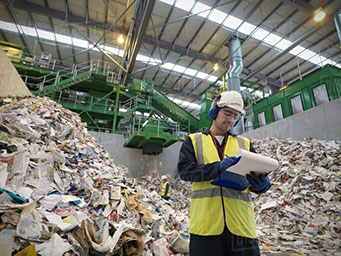
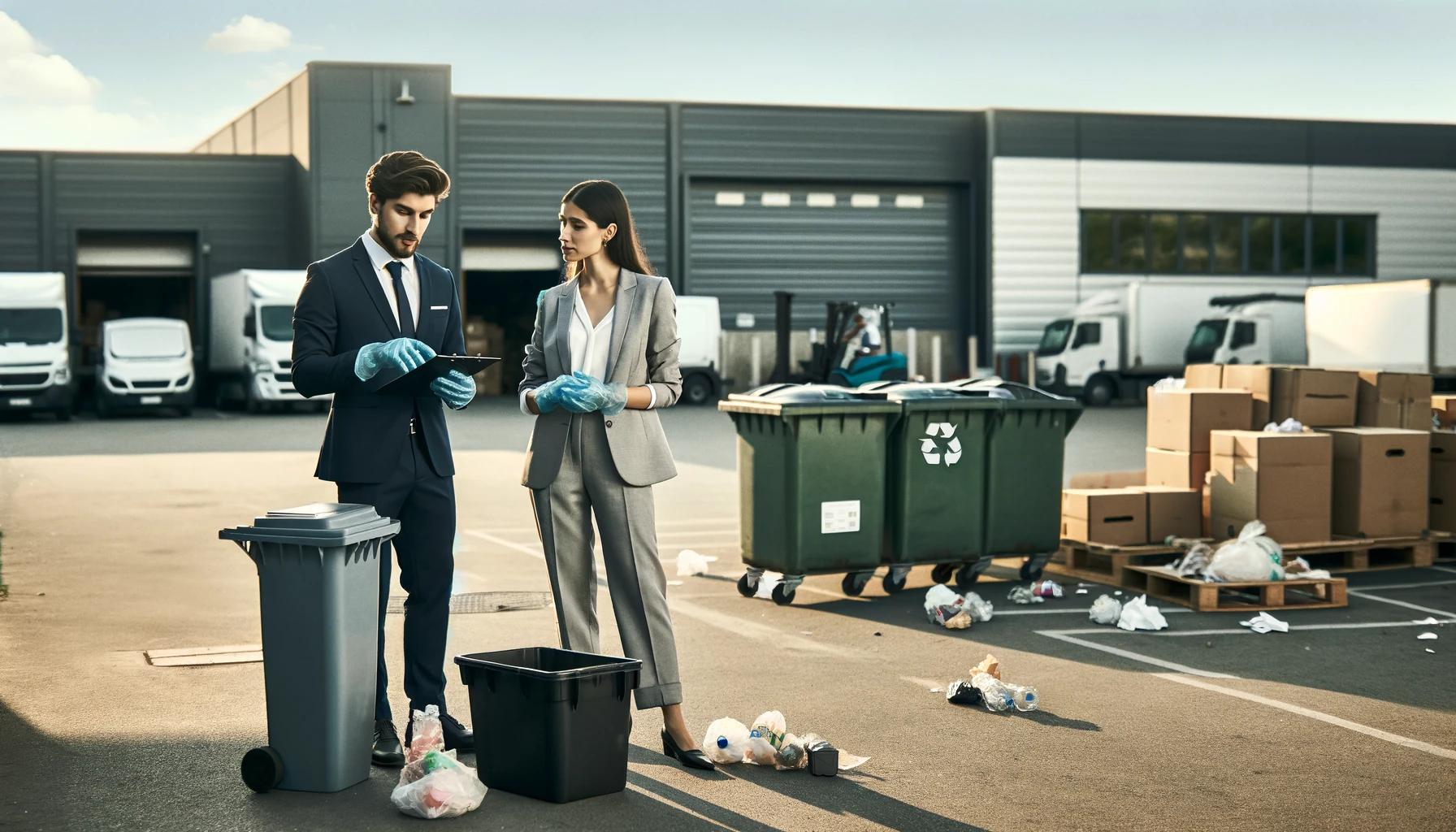
Product destruction is a critical, often underestimated, aspect of modern business operations, involving the deliberate and irreversible disposal of goods to protect brand value, ensure public safety, and comply with regulatory mandates.
| For landfill-free waste, recycling and product destruction services, including sorting, baling, shredding and compaction equipment, or to explore earning money from your recycling, contact Integrity Recycling Waste Solutions at (866) 651-4797. |
The Imperative of Secure Product Destruction: Why It Matters
In today’s complex global economy, the necessity for secure product destruction extends far beyond simply getting rid of unwanted items. It’s a strategic imperative that underpins brand integrity, regulatory compliance, and overall risk mitigation for businesses across virtually every sector. The decision to destroy products, rather than repurpose or resell them, often stems from critical concerns that, if left unaddressed, could lead to catastrophic consequences for a company’s reputation, financial stability, and legal standing. This section delves into the core reasons why product destruction is not merely a logistical task but a fundamental component of responsible business practice, exploring its pivotal role in protecting intellectual property, adhering to environmental regulations, and safeguarding sensitive information. Understanding these foundational drivers is the first step towards developing robust and effective disposal strategies that serve broader organizational goals.
Brand Protection and Reputation Safeguarding
Protecting a brand’s image and market standing is inherently linked to the quality and consistency of its offerings. When products are recalled, expired, defective, or simply obsolete, their continued presence in the market, whether authorized or not, poses a significant threat. Secure product destruction prevents these compromised goods from re-entering the supply chain, thereby eliminating the risk of consumer harm, maintaining brand perception, and upholding the integrity of the company’s promise to its customers. The perceived value of a brand is meticulously built over years through consistent quality and trust, and a single instance of a faulty or dangerous product reaching consumers can unravel that trust almost instantaneously. This makes the controlled destruction of such items an act of proactive brand defense.
Intellectual Property and Counterfeiting
The battle against counterfeiting is relentless, and legitimate product destruction plays a crucial role in it. Counterfeit goods not only siphon potential revenue from legitimate businesses but, more critically, they often fail to meet quality and safety standards, posing severe risks to unwitting consumers. When authentic, but compromised or recalled, products are not properly destroyed, they can inadvertently become source material or templates for counterfeiters, or even be re-packaged and sold as genuine, creating a direct pathway for inferior products to flood the market. The secure destruction of intellectual property (IP)-laden products, or components thereof, ensures that patented designs, proprietary technologies, and brand identifiers do not fall into the wrong hands. It acts as a final barrier to prevent the proliferation of fake goods that not only dilute brand equity but can also lead to legal liabilities and public health crises. For instance, the destruction of off-spec genuine items—like limited-edition sneakers with a minor stitching error—prevents them from being reverse-engineered or used to validate illegitimate copies, safeguarding the craftsmanship and exclusivity that define the original. My personal analysis suggests that many companies underestimate the sheer ingenuity of counterfeiters; what might seem like minor flaws to a legitimate manufacturer could be prime opportunities for illicit replication if not thoroughly eradicated.
Market Value and Consumer Trust
The market value of a product is largely tied to its perceived quality, exclusivity, and the reliability of the brand behind it. Allowing substandard, expired, or recalled products to remain in circulation, even through clearance channels, can erode this perception. Consumers who encounter a faulty product, regardless of its original intent for disposal, associate that negative experience directly with the brand. This can lead to a loss of trust, a decrease in repeat purchases, and ultimately, a decline in market share and profitability. Beyond individual transactions, widespread issues can trigger public scrutiny, media backlash, and even boycotts, causing significant and long-lasting damage to a brand’s reputation that far outweighs the cost of proper product destruction. Consider a luxury watch brand; even a single instance of a “damaged” but still functional watch making its way to an unapproved market segment could tarnish its image of exclusivity and precision, undermining the very essence of its high market value. From a creative insight perspective, the analogy here is like a carefully curated art exhibition; you wouldn’t allow a damaged or incomplete piece to be displayed, as it diminishes the entire collection’s perceived value. The same strict curation applies to products.
Regulatory Compliance and Environmental Stewardship
Operating in a globalized world means navigating a complex web of national and international regulations governing every stage of a product’s lifecycle, including its end-of-life. Non-compliance with these regulations carries severe penalties, including hefty fines, legal sanctions, and significant reputational damage. Beyond legal mandates, there’s a growing societal expectation for businesses to operate sustainably and responsibly, minimizing their environmental footprint. Secure product destruction methodologies must therefore align not only with legal requirements but also with contemporary environmental best practices, supporting the transition towards a more sustainable and circular economy.
Legal Mandates and Industry Standards
Diverse industries operate under specific legal mandates concerning the disposal of certain product types. For instance, pharmaceutical companies must adhere to strict regulations for the destruction of expired or contaminated drugs to prevent public health crises and drug diversion. Food and beverage industries face stringent requirements for safe disposal of recalled or expired perishables to avoid foodborne illnesses. Similarly, electronics manufacturers are bound by WEEE (Waste Electrical and Electronic Equipment) directives in Europe and similar regulations elsewhere that dictate responsible recycling and disposal of electronic waste, often specifying the extraction of hazardous materials. Adherence to these legal frameworks is non-negotiable and requires a deep understanding of the specific requirements, including proper documentation, chain of custody, and certified destruction processes. Failure to comply can lead to severe fines, operational shutdowns, and even criminal charges for individuals responsible. My analysis indicates that while many companies are aware of general regulations, the specific nuances of industry-specific mandates, especially across different jurisdictions, are often overlooked, leading to potential blind spots in their product destruction policies.
Eco-conscious Disposal and Circular Economy Principles
Beyond mere compliance, there is a growing ethical imperative and business opportunity in adopting eco-conscious disposal methods. Traditional landfilling of products, especially those containing plastics, heavy metals, or chemicals, contributes to environmental pollution, resource depletion, and greenhouse gas emissions. Modern product destruction now increasingly incorporates principles of the circular economy, aiming to recover and reuse materials wherever possible, transforming waste into valuable resources. This might involve disassembling products to reclaim metals, plastics, and electronic components for recycling, or treating hazardous waste to render it harmless before disposal. Companies that demonstrate a commitment to environmentally sound product destruction not only comply with current regulations but also enhance their corporate social responsibility (CSR) profile, appeal to environmentally conscious consumers, and potentially realize cost savings through reduced waste disposal fees or material recovery. Creative insights here suggest that the future of product disposal isn’t just about ‘destruction’ but ‘deconstruction’—breaking down products to their fundamental components for their next life cycle, moving towards a truly closed-loop system where destruction is merely a step in resource recovery.
Risk Mitigation and Supply Chain Integrity
The integrity of a company’s supply chain is paramount. Any breach, whether accidental or malicious, can lead to significant financial losses, legal repercussions, and long-term damage to stakeholder confidence. Secure product destruction is a vital tool in mitigating various risks associated with compromised or surplus inventory, ensuring that products are removed from circulation completely and legitimately. It acts as a preventative measure against a myriad of potential problems, from unauthorized sales to data breaches, reinforcing the robustness of the entire supply chain.
Preventing Diversion and Unauthorized Sales
Unsold, returned, or recalled products, if not properly destroyed, present a significant risk of diversion. This means they could be illicitly sold through unauthorized channels, such as gray markets, discount retailers without proper authorization, or even counterfeiting rings. Such diversion not only leads to direct revenue loss for the brand but also undermines pricing strategies, confuses consumers about authorized distribution channels, and can create a parallel economy that competes directly with legitimate sales. For example, excess inventory of designer apparel, if not shredded or otherwise rendered unusable, might find its way into unauthorized discount bins, eroding the brand’s luxury image. Comprehensive product destruction protocols ensure that all such products, including packaging and promotional materials, are completely and verifiably destroyed, eliminating any possibility of them resurfacing in the market and ensuring that every product reaching a consumer has passed through legitimate, controlled channels. This active prevention of diversion solidifies market control and protects the brand’s authorized sales network.
Advanced Methodologies for Effective Product Destruction
The effective product destruction of goods requires more than just discarding them; it necessitates sophisticated methodologies designed to ensure complete obliteration, environmental responsibility, and data security. The choice of method largely depends on the product’s type, materials, embedded technology, and the specific security or environmental concerns associated with it. This section explores a range of advanced disposition techniques, from physical annihilation to chemical disintegration and the specialized requirements for data-carrying devices. Each method offers unique advantages and considerations, reflecting the diversity of products requiring secure disposal and the evolving standards for environmental and data protection. Understanding these technical nuances is crucial for organizations aiming to implement robust and compliant product destruction programs that align with their operational and ethical objectives.
Physical Annihilation Techniques
Physical annihilation involves mechanically or thermally destroying products to render them unusable, unidentifiable, and irrecoverable. These methods are often considered the most foolproof for ensuring complete destruction and are widely applied across various industries due to their effectiveness and directness. The goal is to reduce the product to its basic components or to an unrecognizable form, thus preventing any possibility of resale, reuse, or reverse engineering. The choice of a specific physical method depends on the material composition, volume, and the desired end-state (e.g., whether material recovery is a goal or complete incineration is required).
Shredding and Crushing
Shredding involves the use of powerful industrial shredders that tear products into small, irregular fragments, making them impossible to reassemble or identify. This method is highly effective for a wide range of materials, including paper documents, textiles (clothing, uniforms), plastics (bottles, packaging), electronic components (circuit boards, hard drives), and even metal parts. The output can often be recycled if sorted and processed further. Crushing, on the other hand, typically uses hydraulic presses to compact and deform products, rendering them unusable. This is particularly effective for items like metal containers, electronic devices, or products with rigid structures that need to be permanently disabled. Both shredding and crushing offer a high degree of security and are verifiable processes, often performed on-site or at secure facilities with video surveillance and strict chain-of-custody protocols. For highly sensitive items, the resulting shredded or crushed material can be further processed, for instance, by mixing it with other waste streams before final disposal, ensuring an even higher level of security. My personal analysis suggests that while visually dramatic, the effectiveness of shredding and crushing lies not just in rendering items unusable, but in making their constituent parts non-identifiable, especially crucial for brand-sensitive components.
Incineration and Thermal Treatment
Incineration is the process of burning products at high temperatures to completely destroy them, reducing them to ash and gases. This method is particularly suitable for products that are sensitive, hazardous, or those where complete disintegration is paramount, and material recovery is not feasible or desired. Examples include expired pharmaceuticals, biological waste, hazardous chemicals, or highly flammable materials. Modern incineration facilities are equipped with advanced emission control systems to minimize environmental impact, capturing pollutants and heat for energy recovery. Thermal treatment, a broader category, also includes pyrolysis and gasification, which involve heating materials in the absence or limited presence of oxygen to break them down into simpler compounds, often yielding useful byproducts like synthetic gases or bio-oils. These methods offer absolute destruction, ensuring that no recognizable traces of the original product remain, thereby eliminating risks of diversion, counterfeiting, or data recovery. The creative insight here is that incineration, while seemingly destructive, can be viewed as a transformative process—converting problematic waste into benign ash and energy, thereby preventing its re-emergence in any form. It’s the ultimate ‘clean slate’ for a product’s end-of-life.
Chemical Disintegration Processes
Chemical disintegration involves using chemical reactions to break down products into their fundamental chemical components, often rendering them harmless or inert. This method is particularly relevant for products containing complex chemical compounds, hazardous waste, or materials that are difficult to destroy through physical means alone. These processes require specialized facilities and trained personnel due to the nature of the chemicals involved and the need for controlled reactions to ensure safety and environmental compliance. Chemical methods are powerful in their capacity to fundamentally alter the composition of a product, ensuring irreversible destruction.
Solvent-based Dissolution
Solvent-based dissolution involves using specific chemical solvents to dissolve and break down the structure of products. This technique is often employed for materials that are soluble in certain chemicals, such as plastics, certain types of coatings, or glues. It can also be used to separate components for recycling, where individual materials can be dissolved and then precipitated back out in a purer form. For secure product destruction, this method ensures that the original form and functionality of the product are completely lost as its components are chemically altered. For instance, some complex electronic assemblies or sensitive documents might be dissolved in strong acids or bases, leaving behind only an unidentifiable sludge or liquid. The effectiveness lies in its ability to destroy not just the form but the chemical integrity of the product, making reconstruction virtually impossible which is particularly useful for highly sensitive prototypes or proprietary materials. Personal analysis suggests that the precision required for solvent selection and waste neutralization makes this method highly specialized, often reserved for high-value or exceptionally sensitive product categories.
Neutralization and Detoxification
This method focuses on rendering hazardous or toxic products harmless through chemical reactions. It is crucial for the safe disposal of chemicals, laboratory waste, certain pharmaceuticals, and contaminated materials. Neutralization involves adjusting the pH of acidic or alkaline substances to a neutral state, while detoxification involves converting harmful components into less toxic or inert substances through oxidation, reduction, or other chemical transformations. For example, certain industrial dyes or chemical reagents might be treated with specific compounds to break down their harmful structures before disposal. This ensures that the toxic properties of the product are eliminated, preventing environmental contamination or harm to human health. These processes are highly regulated and require careful monitoring to ensure the complete breakdown of hazardous components and safe disposal of the resulting treated waste. The creative insight here is that neutralization and detoxification are akin to chemical alchemy, transmuting harmful substances into benign ones, directly addressing the environmental burden of complex industrial products.
Digital and Data Destruction for Smart Products
With the proliferation of smart devices and products embedded with digital components, the importance of secure data destruction has become paramount. Simply physically destroying the outer shell of a product is insufficient if its internal storage media or connectivity modules retain sensitive information. Data breaches from improperly disposed products pose significant financial, legal, and reputational risks. This category focuses on techniques specifically designed to render digital data irrecoverable, even if the physical destruction of the product itself is not complete.
Data Wiping and Degaussing
Data wiping, also known as secure erasure, involves overwriting existing data on storage media multiple times with meaningless patterns (e.g., zeros, ones, or random characters) to render the original data unrecoverable by conventional means. This method is suitable for hard drives, solid-state drives (SSDs), and other digital storage devices that may be reused or recycled after data sanitization. It adheres to various international standards (e.g., NIST 800-88, DoD 5220.22-M). Degaussing, on the other hand, is a process that uses powerful magnetic fields to scramble data on magnetic storage media (like traditional hard drives and magnetic tapes), making it unreadable. Degaussing effectively renders the drive unusable afterwards and is generally considered to achieve a higher level of data sanitization than mere wiping for magnetic media. Both methods are critical for product destruction scenarios involving IT assets, smart electronics, or any device that has stored sensitive information, and their effectiveness is often certified by third-party auditors to ensure compliance and security. My personal analysis suggests that companies often underestimate the “sticky” nature of data; even after factory resets, remnants can often be recovered without professional data wiping or degaussing.
Physical Destruction of Storage Media
While data wiping and degaussing address the data itself, physical destruction ensures that the storage media itself is rendered completely unusable and unreadable. This typically involves shredding, crushing, disintegrating, or melting hard drives, SSDs, USB drives, CDs/DVDs, and other data-bearing components. For SSDs and flash memory, which are not affected by degaussing, physical shredding into particles smaller than the data cell size is often the only way to guarantee data destruction. This is the most secure method for critical data, as it eliminates any possibility of recovery, even with advanced forensic techniques. Many organizations opt for physical destruction when disposing of highly sensitive or classified data storage devices, often performing this on-site with certified mobile shredding units to maintain maximum control and chain of custody. The visual proof of physical destruction provides an undeniable assurance of data security. Creative insight into this process highlights its definitive nature: it’s not just about removing the data, but annihilating the container, severing the last physical link to potentially sensitive information.
| For landfill-free waste, recycling and product destruction services, including sorting, baling, shredding and compaction equipment, or to explore earning money from your recycling, contact Integrity Recycling Waste Solutions at (866) 651-4797. |
Lifecycle Management: Integrating Product Destruction into Business Strategy
Effective product destruction is not an isolated event but a crucial component of a comprehensive product lifecycle management (PLM) strategy. Integrating destruction processes early into business planning ensures that products are designed with end-of-life considerations, that disposal protocols are robust, and that potential risks are mitigated throughout the product’s existence. This proactive approach transforms product destruction from a reactive problem into a managed, strategic function. It involves foreseeing the necessity for disposal, establishing clear guidelines, vetting reliable partners, and consistently evaluating the financial and reputational implications of destruction activities. By embedding product destruction into the very fabric of business operations, companies can enhance efficiency, reduce costs, bolster compliance, and reinforce their commitment to sustainability and brand integrity. This section explores the strategic elements necessary for seamlessly incorporating destruction processes into the broader business framework, moving beyond mere compliance to strategic advantage.
Proactive Planning and Policy Development
A reactive approach to product destruction is often costly, inefficient, and fraught with compliance risks. Instead, businesses should embed a proactive stance, where the potential need for destruction is considered from the product’s inception. This involves not only anticipating eventual disposal requirements but also developing clear, formalized policies and standard operating procedures (SOPs) that guide every step of the product’s journey to its final disposition. Such forethought ensures that when the time comes to destroy goods—whether due to recalls, obsolescence, damage, or intellectual property concerns—the process is orderly, secure, and compliant. This level of planning is a hallmark of mature organizations that understand that a product’s lifecycle doesn’t end at sale, but only after its secure and responsible retirement.
Designing for Destructibility
The concept of “designing for destructibility” is an insightful extension of the more common “design for disassembly” or “design for recyclability.” It involves considering, during the product development phase, how the product will be securely and efficiently destroyed when it reaches its end-of-life or needs to be recalled. This might involve using easily separable materials, avoiding highly toxic or difficult-to-destroy components where possible, or incorporating features that facilitate secure data destruction. For instance, modular designs can make it easier to separate hazardous components or data-bearing elements for targeted destruction, while common material choices can simplify bulk destruction processes like shredding. By incorporating destructibility into the design brief, companies can streamline future disposal efforts, reduce specialized handling costs, and enhance environmental responsibility. My personal analysis suggests that while designing for recyclability is becoming standard, explicit consideration for secure destruction is still nascent but will become increasingly vital as products become more complex and carry more sensitive data.
Establishing Clear Protocols and SOPs
Once a product is manufactured, clear and unambiguous protocols and standard operating procedures (SOPs) for its potential destruction are essential. These documents should detail everything from the triggers for destruction (e.g., lot expiration, quality control failure, recall notice) to the specific methods to be used (e.g., shredding, incineration), the chain of custody requirements, documentation procedures, and authorized personnel. They should also outline procedures for handling sensitive packaging, labels, or promotional materials that could be used for counterfeiting if not destroyed. Consistent adherence to these SOPs minimizes human error, ensures compliance with legal and environmental regulations, and maintains the integrity of the product destruction process. Regularly reviewing and updating these protocols based on new technologies, regulations, or product types ensures their continued effectiveness. Creative insight: these protocols are the “blueprints” for ensuring zero tolerance for product re-emergence; they transform a chaotic necessity into a predictable, robust process.
Vendor Selection and Third-Party Oversight
While some large corporations may handle product destruction in-house, many rely on specialized third-party vendors due to the complexity, scale, or specialized equipment required. The selection of such a vendor is a critical decision, as the security, compliance, and environmental responsibility of the destruction process will largely rest on their shoulders. Poor vendor selection can negate a company’s diligent internal policies and expose it to significant risks, making a robust vetting process and ongoing oversight paramount. Trusting a third party requires significant due diligence, as the consequences of their failure fall squarely back on the brand.
Due Diligence and Certification
When selecting a product destruction vendor, thorough due diligence is non-negotiable. This involves scrutinizing their operational capabilities, security measures, environmental permits, and adherence to industry standards. Companies should look for certifications such as NAID (National Association for Information Destruction) for data destruction, ISO certifications (e.g., ISO 14001 for environmental management, ISO 27001 for information security management), and relevant state or national environmental protection agency licenses. Requesting proof of insurance, conducting on-site audits of their facilities, checking references, and reviewing their track record are also crucial steps. A reputable vendor will be transparent about their processes, allowing for regular oversight and providing comprehensive documentation of destruction. My personal analysis highlights that the lowest bid is rarely the best choice here; the hidden costs of a data breach or environmental violation far outweigh any immediate savings from a less reputable provider.
Chain of Custody and Audit Trails
Maintaining an unbroken chain of custody is vital for ensuring the security and verifiability of the product destruction process. From the moment products are designated for destruction until their final annihilation, every transfer, handling, and processing step must be meticulously documented. This includes detailed manifests, transportation logs, video surveillance of transfer points and destruction events, and signed certificates of destruction. An unblemished audit trail provides irrefutable proof that products were securely handled and destroyed in accordance with legal and internal requirements. In the event of a dispute or investigation, a clear chain of custody documentation is invaluable. Modern solutions often include GPS tracking for transport vehicles, barcode scanning for individual items, and real-time reporting from destruction facilities, offering unparalleled transparency and accountability. Creative insight: the chain of custody isn’t just about security; it’s about building an unassailable narrative, a story with an ending that definitively states, “this product is gone.”
Cost-Benefit Analysis and ROI of Secure Destruction
While product destruction incurs direct costs—transportation, labor, processing fees—these costs must be weighed against the significant financial and non-financial benefits derived from secure and compliant disposal. A comprehensive cost-benefit analysis will invariably show that the potential losses from insecure disposal (e.g., brand damage, regulatory fines, litigation, loss of IP) far outweigh the investment in professional, strategic product destruction. Understanding the return on investment (ROI) in this context is not merely about saving money, but about protecting existing value and enabling future growth by mitigating risks that could cripple a business.
Mitigating Losses and Enhancing Value
The most immediate benefit of secure product destruction is the mitigation of direct and indirect financial losses. This includes preventing revenue loss from diverted products, avoiding costly product recalls and associated logistical nightmares, and sidestepping hefty fines for non-compliance with environmental or data security regulations. Beyond avoiding penalties, secure destruction enhances existing product value by maintaining market scarcity, preventing brand dilution, and upholding premium pricing points. It safeguards intellectual property and trade secrets, which are often a company’s most valuable assets. By ensuring that only authorized, high-quality products reach the market, brands reinforce their value proposition and nurture consumer loyalty, which translates into long-term market stability and growth. For instance, choosing to destroy a batch of slightly off-color luxury goods, rather than selling them through discount channels, preserves the brand’s image as an exclusive high-end provider.
Long-term Strategic Advantages
Beyond immediate loss mitigation, an integrated approach to product destruction offers significant long-term strategic advantages. It fosters a culture of responsibility and compliance within the organization, enhancing corporate governance and investor confidence. A strong record of environmental stewardship through responsible disposal can boost a company’s ESG (Environmental, Social, and Governance) scores, making it more attractive to ethical investors and partners. Furthermore, by actively managing the end-of-life of products, companies can gain valuable insights into material lifecycles, manufacturing efficiencies, and potential for sustainable innovation, fostering a genuine circular economy approach. My personal analysis suggests that viewing product destruction as a strategic investment rather than a necessary evil unlocks innovative thinking, potentially leading to new revenue streams from recovered materials or enhanced brand equity from demonstrable responsible practices. It’s about future-proofing the business against evolving consumer expectations and regulatory landscapes.
Emerging Trends and The Future of Product Destruction
The landscape of product destruction is continually evolving, driven by technological advancements, heightened environmental awareness, and increasingly intricate global supply chains. As businesses navigate a future marked by increased product complexity, digital integration, and stringent regulatory demands, the methodologies and strategic considerations around secure disposal will become even more sophisticated. This section explores the cutting edge of product destruction, examining how sustainability breakthroughs, digital innovations like blockchain and AI, and the push for global regulatory harmonization are shaping the next generation of disposal practices. These emerging trends underscore a shift from mere disposal to a holistic, intelligent, and environmentally responsible end-of-life management system, positioning product destruction as a dynamic and integral part of future business models.
Sustainable and Eco-Friendly Innovations
The drive for sustainability is profoundly reshaping product destruction practices. As the world moves towards a circular economy, the emphasis shifts from simply destroying products to recovering their inherent value and minimizing environmental impact. This involves leveraging advanced technologies to reclaim materials, reduce waste, and discover novel, greener disposal methods. The goal is to move away from landfilling and incineration as primary solutions toward processes that extract maximum utility from discarded goods, thereby reducing reliance on virgin resources and mitigating pollution.
Material Recovery and Upcycling
The future of product destruction increasingly leans towards sophisticated material recovery. Instead of complete obliteration, the focus is on breaking down products into their constituent materials (plastics, metals, rare earth elements, textiles) so they can be reintroduced into the manufacturing stream. Advanced sorting technologies, robotics, and chemical separation processes are making it feasible to extract diverse materials with high purity, maximizing their recycling potential. Upcycling takes this a step further, transforming discarded products or their components into new items of higher value or quality. For example, plastic waste might be converted into durable construction materials, or textile scraps re-spun into new fibers. This approach significantly reduces landfill waste, conserves natural resources, and can create new economic opportunities. Personal analysis suggests that the true paradigm shift in product destruction will occur when companies consistently design products with their decomposition and material recovery in mind, closing the loop completely.
Bio-Degradation and Enzymatic Processes
For certain organic or composite materials, innovative solutions are emerging in the form of bio-degradation and enzymatic processes. These methods leverage biological agents—microorganisms or specific enzymes—to break down complex materials into simpler, non-toxic substances, often over a shorter timeframe than natural decomposition. Examples include specialized fungal strains that can break down plastics, or enzymes that depolymerize textiles or certain types of chemicals. These approaches offer significantly lower environmental footprints compared to traditional thermal or chemical destruction, as they operate at lower temperatures, consume less energy, and produce fewer harmful byproducts. While still under development for many applications, these biological solutions represent a promising future for eco-friendly product destruction, especially for biodiverse and organic waste streams that could otherwise pose long-term environmental challenges. Creative insight: this is nature’s own recycling mechanism, scaled and optimized for industrial waste, essentially allowing products to return to their elemental state harmlessly.
Blockchain and AI in Supply Chain Security
The integration of cutting-edge digital technologies like blockchain and artificial intelligence (AI) is set to revolutionize supply chain management, and by extension, the security and traceability of product destruction. These technologies offer unprecedented levels of transparency, immutability, and predictive capabilities, transforming how companies monitor and verify the entire lifecycle of their products, from manufacturing to their ultimate disposal. By leveraging these advancements, businesses can enhance accountability, prevent diversion, and build truly resilient disposal frameworks.
Enhanced Traceability and Verification
Blockchain technology, with its decentralized and immutable ledger, offers a powerful tool for enhancing the traceability of products marked for destruction. Each step, from the decision to destroy to the actual destruction event and final disposal, can be recorded as a transaction on a blockchain. This creates an unalterable, transparent, and verifiable audit trail that is accessible to all authorized parties. This prevents tampering, provides real-time visibility into the status of products awaiting destruction, and offers irrefutable proof of proper disposal, which is invaluable for compliance, legal defense, and mitigating risks of diversion or unauthorized sales. For instance, high-value goods or pharmaceuticals can have their unique identifiers (e.g., serial numbers) logged on a blockchain at every stage, including their final destruction, ensuring that they can never resurface legitimately. My personal analysis suggests that blockchain’s greatest contribution here is in building untrustable trust, where the system itself guarantees transparency, rather than relying solely on human integrity.
Predictive Analytics for Risk Assessment
Artificial intelligence (AI), particularly through machine learning algorithms, can significantly enhance risk assessment related to product destruction. By analyzing vast datasets—including product return rates, defect rates, recall history, market demand fluctuations, and counterfeit activity—AI can identify patterns and predict which product lines or batches are at higher risk of requiring destruction. This allows companies to proactively plan for disposal, optimize logistics, and even adjust manufacturing processes to reduce future waste. AI can also monitor sensor data from destruction facilities, detecting anomalies that might indicate improper disposal or diversion attempts in real-time, triggering immediate alerts. This predictive capability transforms reactive disposal into a proactive risk management strategy, ultimately saving costs and minimizing potential harm. Creative insight: AI turns the chaos of potential waste into a predictable, manageable challenge, acting as an intelligent guard dog for the entire disposal process.
Global Standards and Harmonization
As global supply chains become increasingly intertwined, the need for standardized approached to product destruction becomes paramount. Disparate regulations and varying environmental standards across different countries can create complexities, inefficiencies, and compliance risks for multinational corporations. The future will likely see a greater push towards cross-border collaboration and the harmonization of best practices, ensuring a consistent and high level of security and environmental responsibility in product end-of-life management worldwide.
International Collaboration and Best Practices
International bodies, industry consortia, and national governments are increasingly working together to develop harmonized standards and best practices for product destruction. This collaboration aims to streamline regulatory compliance for companies operating across multiple jurisdictions and to elevate the overall quality and security of disposal processes globally. For example, standards for the secure destruction of sensitive data on electronicdevices or pharmaceutical products are being established to mitigate risks related to data breaches and environmental harm. The establishment of these standards often involves public-private partnerships and stakeholder consultations, ensuring that varying interests and perspectives are considered.
The benefits of international collaboration extend beyond regulatory compliance; they foster a culture of shared knowledge and innovation. Companies can learn from one another’s successes and failures, which can lead to the development of more effective destruction technologies and practices. Moreover, standardized protocols make it easier for businesses to certify their destruction processes, enhancing trust among consumers and stakeholders. My personal analysis points to the fact that as the world becomes more interconnected, the necessity for cohesive approaches to product destruction will not only benefit businesses but also contribute positively to global sustainability efforts.
Uniform Regulatory Frameworks
Harmonization of product destruction standards necessitates the creation of uniform regulatory frameworks across nations. These frameworks should encompass definitions of what constitutes responsible destruction practices, guidelines on acceptable methods, and compliance verification systems. For instance, if countries agreed on specific techniques that minimize ecological impact—such as preferred chemical treatments for electronic waste—it would reduce ambiguity and facilitate smoother transactions in trade and disposal.
These uniform regulations would also help combat illicit activities related to product diversion, where goods marked for destruction find their way back into markets illegally. By establishing a clear framework that outlines penalties for non-compliance, governments can deter such actions and enhance overall supply chain integrity. However, implementing these frameworks requires significant coordination, investment in technology, and trust between international partners. My creative insight suggests that this is an area ripe for innovation, with technology capable of bridging gaps in communication and compliance monitoring.
Future Trends in Product Destruction
As we look to the future, several key trends are set to shape the landscape of product destruction. These developments are driven by technological advancements, evolving consumer expectations, and growing regulatory pressures aimed at promoting sustainability. Understanding these trends can provide valuable insights for companies seeking to stay ahead in an increasingly eco-conscious marketplace.
Circular Economy Principles
The shift towards a circular economy is perhaps the most influential trend impacting product destruction today. Unlike traditional linear models that emphasize ‘take-make-dispose,’ circular economies focus on sustainability through maximizing resource efficiency and minimizing waste. Companies are re-evaluating their end-of-life strategies to align with circular principles, ensuring that products are designed for longevity, repairability, and ultimately, recyclability.
This approach transforms product destruction from a finality into an opportunity. Instead of viewing disposal as merely getting rid of unwanted materials, businesses can see it as a chance to reclaim valuable resources that can be reintegrated into production cycles. For example, automotive manufacturers are exploring ways to deconstruct old vehicles and harvest metals and plastics for new models. This mindset shift not only reduces landfill overflow but also boosts profitability by tapping into secondary material markets. My personal analysis suggests that embracing circular economy principles will position companies as leaders in sustainability, appealing to increasingly environmentally aware consumers.
Technological Innovations in Destruction Methods
Technological advancements are significantly revolutionizing how products are destroyed. Innovations like plasma arc technology, advanced shredding machines, and automated robotic systems make destruction processes safer, faster, and more efficient than ever before. Additionally, the integration of IoT devices enables real-time monitoring of destruction facilities, enhancing operational transparency and enabling better compliance with environmental regulations.
Another noteworthy innovation is the rise of mobile destruction units that can operate on-site, reducing transportation emissions and associated risks of product diversion. These units allow for secure destruction of sensitive materials, such as pharmaceuticals or electronic waste, right at the source, offering peace of mind for businesses while adhering to best practices for safety and security. As these technologies continue to develop, they will likely lead to even more refined processes that prioritize both effectiveness and environmental responsibility. My creative insight posits that as destruction technology matures, its adoption will become essential for maintaining competitive advantage in an increasingly green-conscious market.
Consumer Demand for Sustainability
Consumer preferences are evolving rapidly, with many seeking products and brands that demonstrate a commitment to sustainability. This shift is creating pressure on companies to implement responsible end-of-life strategies, including ethical product destruction methods. Brands that invest in transparent destruction processes, showcase their commitment to environmental stewardship, and communicate these efforts effectively will be able to appeal more strongly to this demographic.
Moreover, as consumers become increasingly aware of the environmental implications of waste, there’s a greater demand for take-back programs and recycling initiatives. Companies that proactively engage with customers about product lifecycle and destruction options can build loyalty and trust, leading to long-term relationships. Personal analysis suggests that those who ignore these consumer trends may find themselves at a competitive disadvantage, as informed consumers increasingly choose to support environmentally responsible brands over those that do not prioritize sustainability.
Conclusion
The landscape of product destruction is undergoing a profound transformation driven by advances in technology, evolving consumer expectations, and a shift toward sustainable business practices. The future of product destruction no longer centers solely on elimination or incineration; instead, it encompasses recovery, recycling, and upcycling, all while leveraging innovations like blockchain and AI for enhanced transparency and efficiency.
The emerging focus on bio-degradation and enzymatic processes presents promising alternatives for managing complex materials, while global harmonization of standards reflects a collective move toward a more responsible and accountable approach to disposal. As businesses navigate these evolving paradigms, they must remain vigilant to adapt and thrive in this dynamic environment, positioning themselves strategically within a circular economy that prioritizes sustainability and resource efficiency. In doing so, they will not only safeguard their reputation and operational integrity but also play a pivotal role in shaping a more sustainable future for all.
| For landfill-free waste, recycling and product destruction services, including sorting, baling, shredding and compaction equipment, or to explore earning money from your recycling, contact Integrity Recycling Waste Solutions at (866) 651-4797. |