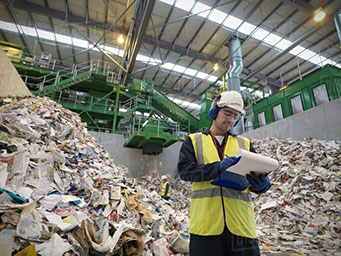
Improper product destruction poses multifaceted risks that extend far beyond initial obvious concerns, impacting environmental health, corporate finances, brand reputation, and data security. The comprehensive management of a product’s entire lifecycle, including its secure and environmentally sound disposal, is an overlooked but critical element of modern corporate responsibility and risk management.
| For landfill-free waste, recycling and product destruction services, including sorting, baling, shredding and compaction equipment, or to explore earning money from your recycling, contact Integrity Recycling Waste Solutions at (866) 651-4797. |
Environmental and Health Hazards
This section will delve into the profound ecological and public health consequences stemming from product destruction processes that fail to adhere to proper protocols. It is a critical area often overlooked in short-term cost-benefit analyses, yet its long-term ramifications can be catastrophic and irreversible. The true cost of negligence in product destruction is often borne by future generations and vulnerable ecosystems.
Pollution and Contamination
Improper product destruction frequently involves methods such as landfilling, uncontrolled incineration, or dumping, all of which are significant contributors to environmental pollution. When electronic waste, chemicals, pharmaceuticals, or even textiles are simply discarded without proper prior processing, they release hazardous substances into the environment. Heavy metals like lead, mercury, and cadmium from electronics, persistent organic pollutants (POPs) from plastics and chemicals, and active pharmaceutical ingredients all leach into soil and groundwater, contaminating essential resources. This contamination can persist for decades, rendering land unusable for agriculture and poisoning water sources vital for both human consumption and wildlife. Furthermore, the practice of open burning, though often illegal, is a common informal method of disposal in many regions, directly emitting a cocktail of toxicfumes into the air and contributing to climate change.
The consequences of such pollution are far-reaching, affecting not only local ecosystems but also human health. Individuals living in contaminated areas may suffer from skin diseases, respiratory issues, and long-term chronic conditions due to exposure to these toxins. Vulnerable populations, such as children and the elderly, are particularly at risk, given their developing or compromised immune systems.
Biodiversity Loss
Another critical aspect of environmental hazards linked to improper product destruction is its impact on biodiversity. Many discarded products, especially those containing plastics and electronics, end up in oceans, rivers, and other natural habitats. Marine life, birds, and terrestrial animals fall victim to pollution through ingestion or entanglement, leading to injury or death. Furthermore, chemicals released can disrupt hormonal systems in wildlife, leading to reproductive failures and population declines.
Habitat degradation occurs when waste materials accumulate in sensitive ecosystems, reducing available space for flora and fauna and altering the natural landscape. As species struggle to adapt to changing environments created by pollution, we witness a cascading effect where entire ecosystems destabilize, leading to increased extinction rates.
Long-term Health Effects
The health repercussions of improperly destroyed products extend beyond immediate concerns; they can manifest as long-term developmental and chronic diseases. For instance, communities exposed to hazardous waste sites often report higher incidences of cancers, neurological disorders, and birth defects. The cost to public health systems grows exponentially as healthcare providers attempt to address these preventable conditions.
Governmental costs associated with remediation and health care for affected populations can strain budgets at local, state, and national levels. Moreover, the loss of productivity due to illness impacts economic stability, creating a cycle of poverty and poor health outcomes that persist across generations.
Financial Implications for Businesses
The financial ramifications of improper product destruction resonate deeply within corporate structures. Beyond potential legal penalties and remediation costs, businesses face reputational risks that can affect consumer trust and market performance. This section will explore the various financial implications that arise from neglecting proper disposal protocols.
Legal Liabilities and Fines
Corporations that fail to adhere to regulations regarding product disposal expose themselves to significant legal liabilities. Environmental laws vary by country and region, but many jurisdictions impose strict guidelines for product destruction, particularly concerning hazardous materials. Violations can lead to hefty fines, sanctions, and even criminal charges against responsible individuals within the company.
Legal battles can drain essential financial resources, diverting funds away from innovation and growth initiatives. Additionally, prolonged litigation processes can harm internal morale and distract from core business functions.
Reputational Damage
In an era where corporate transparency and social responsibility hold substantial sway over consumer choice, reputational damage resulting from improper product destruction can have lingering effects. Consumers increasingly prefer brands committed to sustainable practices, and negative media coverage can quickly tarnish a company’s image.
Social media amplifies this risk, as consumers share their dissatisfaction widely and instantaneously. A single incident can lead to widespread boycotts, impacting sales and brand loyalty. Rehabilitation of a damaged reputation often takes years and requires significant investment in marketing and community engagement programs.
Increased Operational Costs
Improper product destruction can lead to inflated operational costs over time. Businesses may find themselves needing to invest in crisis management efforts or enhanced compliance measures following incidents of negligence.
Additionally, companies might incur unexpected expenses related to cleanup operations, regulatory fines, and lost revenue from diminished customer trust. Investing in efficient and environmentally friendly disposal methods ultimately presents a more sustainable economic model, conserving resources and often resulting in lower costs over time.
Brand Reputation and Consumer Trust
The relationship between improper product destruction and brand reputation is intricately entwined with consumer perceptions and behaviors. A brand’s character is built on trust, reliability, and ethical standards; thus, neglecting product destruction responsibilities can lead to detrimental consequences in this realm.
Ethical Considerations
Consumers today are increasingly discerning about the ethical implications of their purchasing decisions. Brands perceived as environmentally irresponsible or careless regarding their production and disposal processes often find themselves scrutinized harshly in the marketplace.
Failing to prioritize proper product destruction practices can signal to consumers that a brand lacks concern for societal wellbeing and environmental stewardship. In contrast, brands that proactively incorporate sustainable practices tend to foster stronger connections with their customers, leading to heightened loyalty and repeat business.
Consumer Activism
The rise of consumer activism has transformed how companies approach their strategies surrounding product lifecycle management. Social media platforms serve as powerful tools for mobilizing public opinion, allowing consumers to vocalize their concerns and demand accountability from corporations.
When instances of improper product destruction emerge, activists can quickly rally support and call for change. Companies facing backlash may find themselves compelled to enact swift reforms or lose substantial market share.
Long-term Loyalty and Engagement
A commitment to responsible disposal and sustainable practices cultivates long-term loyalty among consumers who identify with a brand’s mission and values. By demonstrating transparency, accountability, and a genuine commitment to positive impact, brands can develop strong relationships rooted in trust.
Investments in eco-friendly practices often pay dividends, as loyal customers are more likely to advocate for the brand, providing organic marketing benefits. Engaging with consumers around these issues can also catalyze innovation, inspiring brands to seek out new solutions that align with sustainability goals while simultaneously appealing to their target audience.
Conclusion
The stakes of improper product destruction are alarmingly high and encompass diverse realms including environmental health, financial viability, and brand integrity. As organizations navigate these complex challenges, it becomes imperative to prioritize environmentally sound and socially responsible disposal practices. Doing so not only mitigates risks but also promotes sustainability, fosters consumer trust, and ultimately drives long-term success. The future hinges on our ability to responsibly manage product lifecycles, ensuring that we contribute positively to our planet rather than leaving behind a legacy of toxicity and negligence.
| For landfill-free waste, recycling and product destruction services, including sorting, baling, shredding and compaction equipment, or to explore earning money from your recycling, contact Integrity Recycling Waste Solutions at (866) 651-4797. |