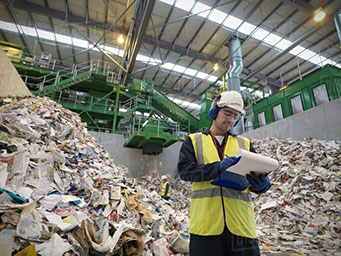
Effective and secure product destruction is an indispensable component of modern business operations, moving beyond mere waste disposal to become a strategic imperative for brand protection, environmental stewardship, and compliance. This critical process, often overlooked, directly impacts a company’s reputation, financial integrity, and its commitment to public safety. Strengthening safety measures in product destruction is not just about adhering to regulations; it is about embedding a culture of foresight, responsibility, and continuous improvement into every stage of the product lifecycle, especially its end-of-life.
| For landfill-free waste, recycling and product destruction services, including sorting, baling, shredding and compaction equipment, or to explore earning money from your recycling, contact Integrity Recycling Waste Solutions at (866) 651-4797. |
The Imperative of Secure Product Destruction: Risk Mitigation
The act of product destruction, while seemingly straightforward, carries a portfolio of complex risks that demand rigorous safety protocols. Beyond the immediate physical hazards associated with heavy machinery and industrial processes, there are profound environmental, data security, and brand integrity risks that necessitate a comprehensive approach to safety. Organizations must recognize that a failure in the destruction process can lead to far-reaching consequences, from regulatory penalties and environmental disasters to severe reputational damage and the proliferation of illicit goods. Thus, viewing product destruction through the lens of risk mitigation transforms it from a logistical chore into a strategic operation that safeguards the enterprise on multiple fronts.
Environmental Stewardship and Compliance
The environmental implications of product destruction are monumental, reflecting directly on a company’s commitment to sustainability and corporate social responsibility. Improper disposal or inefficient destruction processes can release hazardous materials into the environment, contaminating soil, water, and air, leading to ecosystem damage and public health crises. Consequently, adhering to strict environmental safety measures during destruction is not merely a regulatory obligation but an ethical imperative. This involves meticulous sorting of materials for recycling, neutralizing harmful chemicals, and ensuring that residues are disposed of in an ecologically sound manner, often far exceeding baseline legal stipulations.
Beyond mere compliance, proactive environmental stewardship in product destruction positions a company as a leader in sustainable practices. It’s about transforming the end-of-life product into a resource, closing the loop on the linear economy, and minimizing the ecological footprint. Imagine a scenario where complex electronics, instead of languishing in landfills, are meticulously dismantled, their precious metals and rare earth elements recovered through advanced, clean processes. This not only prevents pollution but also reduces the demand for virgin resources, contributing to a circular economy model. The creative insight here lies in seeing destruction not as an end, but as a critical gateway to resource regeneration, where safety ensures the integrity of this rebirth, ensuring no toxic legacy is left behind for future generations. This deep commitment ensures that while a product ceases to exist in its original form, its environmental impact is minimized, and its components are given a new, safe purpose.
This holistic approach mandates rigorous safety checks at every stage: from the initial collection and transport of products, through the sorting lines, to the actual destructive action and subsequent disposition of by-products. Companies are increasingly investing in technologies that minimize emissions, prevent groundwater contamination, and reduce energy consumption during destruction. It’s about designing a destruction process that is as “green” as the product itself, ensuring that even in its demise, a product contributes positively to the planet. The environmental safety measures required for effective product destruction extend to protecting the natural world from the potentially damaging aftermath of consumer goods, ensuring the well-being of ecosystems and human health for years to come.
Data Security and Intellectual Property Protection
In an increasingly digital world, products often contain sensitive data, ranging from customer information and proprietary designs to financial records. The destruction of such products, especially electronics or documents, carries an immense risk of data breaches if not executed with paramount security. A lapse in data destruction can expose companies to severe financial penalties, lawsuits, and irreversible reputational damage. Therefore, product destruction becomes the absolute final line of defense against data exposure, even more critical than complex cybersecurity protocols, because it physically renders the data inaccessible.
The creative insight here is to view the destructive act itself as the ultimate firewall – a physical, irreversible barrier erected against information compromise. While digital wiping methods can be robust, physical destruction offers an unparalleled level of assurance, particularly for highly sensitive or regulated data. Consider the immense value of a company’s intellectual property, be it a new product blueprint, a unique formula, or advanced manufacturing processes. If prototypes or obsolete versions of products containing this IP are not completely destroyed, they could fall into unauthorized hands, leading to industrial espionage or counterfeiting. The meticulous process of securely destroying these items ensures that competitive advantages remain protected, and innovations are safeguarded from unscrupulous actors.
For instance, consider the various types of information that could be compromised during inadequate product destruction:
- Customer Personal Identifiable Information (PII): Names, addresses, credit card numbers, social security numbers stored on data-bearing devices like computers, phones, or even smart appliances.
- Proprietary Business Data: Trade secrets, patents, RD information, strategic plans, financial reports, employee records.
- Protected Health Information (PHI): Medical records, insurance details, patient histories on retired healthcare devices.
- Governmental/Classified Information: Sensitive data handled by government contractors or agencies, requiring specific protocols for destruction.
Each of these data types necessitates a tailored destruction approach to ensure irreversible sanitization. The process demands a rigorous chain of custody, from the moment a product is identified for destruction to its final obliteration, often involving third-party audits and certifications to verify complete data destruction. It’s not just about shredding; it’s about micro-shredding, degaussing, crushing, or incinerating to levels that render data recovery impossible. The strategic planning involved in safeguarding data and intellectual property through physical product destruction is just as vital as any cybersecurity measure, providing a critical layer of protection that cyber defenses alone cannot offer.
Preventing Brand Contamination and Counterfeiting
One of the most insidious risks arising from inadequate product destruction is the potential for brand contamination and the proliferation of counterfeit goods. Products earmarked for destruction might include expired, defective, recalled, or aesthetically imperfect items. If these products, or their components, are not thoroughly and irreversibly destroyed, they can re-enter the market through illicit channels. This “gray market” can severely erode consumer trust, dilute brand value, and pose significant health and safety risks to unsuspecting end-users who purchase substandard or dangerous products under the guise of legitimacy.
Think of the market as a delicate ecosystem, and un-destroyed, returned products as a kind of contagion. Just as a surgeon removes a diseased organ to prevent it from spreading infection, secure product destruction acts as a surgical intervention to excise potentially harmful or value-eroding items from the supply chain permanently. An expired pharmaceutical product, if not adequately destroyed, could be repackaged and sold, leading to ineffective treatment or adverse health reactions. Similarly, a defective electronic device that re-enters the market might short-circuit or explode, causing injury and permanent damage to the brand’s reputation. The consequences stretch far beyond immediate financial losses, impacting customer loyalty that took years, or even decades, to build.
The insight here is that brand integrity is inextricably linked to the thoroughness of product destruction. Companies invest heavily in quality control, marketing, and customer service to build a reputable brand; it would be counterproductive to jeopardize this investment through a lax destruction process. For example, luxury brands spend immense resources to prevent their overstock or subtly flawed items from reaching unauthorized sellers, as the mere availability of these items at discounted prices can devalue the brand’s exclusivity and prestige. They often employ specific processes, such as defacing logos or dismantling products into unidentifiable components, before complete destruction, to ensure that no part can be repurposed to create a counterfeit.
The implementation of strong safety measures in product destruction specifically aims to prevent any recognizable components or finished goods from escaping the destruction process. This might involve supervised destruction, specialized equipment that renders products entirely unusable, or even embedding unique markers that survive destruction to prove authenticity. By ensuring that every single unit is irrevocably destroyed, companies not only protect consumers from potentially harmful goods but also safeguard their intellectual property, their market position, and the hard-won trust of their customer base. This comprehensive approach ensures that the end-of-life of a product aligns perfectly with the brand’s commitment to quality and safety, leaving no room for unauthorized resurrection.
Operational Best Practices and Technological Integration
The physical act of product destruction is inherently complex, involving a myriad of materials, forms, and volumes, each demanding tailored approaches to ensure safety and efficiency. Implementing operational best practices alongside the strategic integration of advanced technologies is paramount to mitigating risks, optimizing processes, and elevating safety standards in product destruction. This section delves into the practical execution of destruction, highlighting how cutting-edge machinery, intelligent automation, and meticulous oversight coalesce to create a highly secure and verifiable final disposition for products.
Advanced Shredding and Granulation Systems
At the core of many product destruction processes lies the industrial shredder or granulator, powerful machines designed to reduce products into unrecognizable and often recyclable particles. The safety of these systems is multi-faceted, encompassing not only the protection of operators but also the environmental containment of materials during the destructive process. Modern shredding and granulation systems are engineered with sophisticated safety features that go far beyond basic guarding. These include emergency stop buttons strategically placed, automatic shut-offs for overfeeding or foreign object detection, and interlocked access panels that prevent operation when protective covers are open. Dust extraction systems mitigate airborne particulate hazards, while noise reduction technologies protect worker hearing.
The creative insight into these powerful machines isn’t just their destructive capability but their transformative power. They embody an elegance of purposeful destruction, meticulously breaking down complex products into their constituent parts, preparing them for a second life. Imagine a smartphone, a marvel of engineering, transformed within minutes into a collection of plastic pellets, metal fragments, and glass shards. This metamorphosis isn’t chaotic; it’s a precisely controlled act designed to recover valuable materials and render sensitive data irretrievable, all while minimizing risk. The safety features built into these systems ensure that this transformation occurs reliably, without harm to the operators or the environment.
Beyond physical safety, the advanced capabilities of these machines contribute to the security of the destruction process itself. Multi-stage shredding and specialized granulation can achieve particle sizes so small that they prevent any chance of reassembly or data recovery, offering a superior level of security for sensitive items. For example, cross-cut shredders for documents offer higher security than strip-cut by reducing paper to confetti, while high-torque hammermills can obliterate hard drives into impenetrable dust. These systems are often paired with integrated sorting mechanisms that immediately separate different material types during the shredding process, preparing them for specialized recycling streams and further reducing manual handling risks. Investing in the right type and capacity of shredding and granulation technology, with integrated safety measures, is critical for any organization committed to secure and efficient product destruction, turning potential waste into valuable resources.
Automated Sorting and Segregation Protocols
Before and often during their destruction, products must be meticulously sorted and segregated to ensure proper handling, maximize material recovery, and prevent cross-contamination. Manual sorting, while sometimes necessary, introduces significant safety risks, including exposure to hazardous materials, repetitive strain injuries, and the potential for human error leading to incorrect segregation. The integration of automated sorting and segregation protocols mitigates these risks dramatically, enhancing both safety and efficiency in product destruction. This involves the use of robotics, optical sorters, magnetic separators, eddy current separators, and other advanced sensor-based technologies that can identify and separate materials with precision and speed far exceeding human capabilities.
The creative insight here is how AI and robotics are transforming a traditionally messy and hazardous process into a precise, almost clinical operation. Imagine robotic arms deftly picking out specific components from a conveyor belt, or hyperspectral cameras accurately identifying different plastic types for separate processing. This automation isn’t just about speed; it’s about eliminating the human element from the most dangerous or monotonous tasks. For example, a robot can safely handle a potentially contaminated medical device or a sharp piece of metal without risk of injury, while optical sorters can differentiate between different grades of plastic, ensuring that each stream is ready for safe and effective recycling, maximizing resource recovery while minimizing environmental impact.
Automated systems can also identify and flag items that require special handling, such as products containing mercury, lead, or other hazardous substances, ensuring they are diverted to specialized, safe destruction pathways. This reduces the risk of accidental release of toxins into the general waste stream or exposure to workers. Furthermore, these systems can operate continuously, maintaining consistent output and reducing bottlenecks that might lead to accumulation of products awaiting destruction, thereby ensuring prompt and secure disposal. The precision of automated sorting also guarantees that only materials designated for destruction or specific recycling streams proceed, preventing valuable or sensitive items from being misdirected. By embracing these sophisticated automated solutions, organizations can ensure that their product destruction processes are not only safer and more compliant but also highly efficient and environmentally responsible, setting a new standard for operational excellence in the sector.
Real-time Monitoring and Auditable Trails
For product destruction to be truly secure and accountable, it must be fully transparent and verifiable. The integration of real-time monitoring and auditable trails transforms the destruction process from a black box into an open book, providing irrefutable proof of proper disposal. This involves deploying a suite of technologies such as RFID tracking, GPS systems, CCTV surveillance, and integrated software platforms that capture and record every step of the destruction journey. From the moment products are collected for destruction until their ultimate obliteration, a digital record is created, safeguarding against diversion, incomplete destruction, or non-compliance.
The creative insight here lies in conjuring the concept of a “digital twin of destruction”—a virtual, mirrored representation of the entire physical process, offering unparalleled transparency and peace of mind. This digital twin records timestamps, locations, responsible personnel, and visual evidence, thereby creating an unalterable chain of custody. Imagine a secure online portal where a company can log in and see live feeds of their products being destroyed, complete with a digital certificate of destruction generated automatically once the process is complete. This level of granular visibility ensures accountability and serves as powerful evidence in case of audits or legal challenges, allowing organizations to prove due diligence.
Real-time monitoring systems can detect anomalies such as unauthorized access, deviations from established protocols, or equipment malfunctions, triggering immediate alerts to supervisory staff. This proactive approach allows for rapid intervention, preventing potential safety breaches or security lapses before they escalate. Furthermore, these comprehensive audit trails provide invaluable data for continuous improvement. By analyzing historical data, companies can identify inefficiencies, pinpoint areas where safety protocols need strengthening, and optimize resource allocation for future destruction operations. This continuous feedback loop reinforces the safety framework, making each subsequent destruction cycle more secure and efficient. The ability to demonstrate a clear, unbroken, and digitally recorded chain of custody is not just a regulatory requirement; it’s a strategic asset that builds trust with stakeholders, mitigates liability, and solidifies a company’s reputation for responsibility and integrity in all facets of its operations.
Human Element in Product Destruction Safety
While technological advancements have revolutionized product destruction processes, the human element remains at the core of ensuring safety. Operators, supervisors, and support staff are crucial for effective implementation, monitoring, and emergency response. Investing in the human capital involved in product destruction means empowering personnel with the knowledge, tools, and environment they need to perform their duties safely and competently. This encompasses not only formal training programs but also fostering a culture of safety where vigilance, proactive problem-solving, and adherence to protocols are deeply ingrained.
Comprehensive Employee Training and Certification
The complexities of modern product destruction, involving sophisticated machinery, diverse materials, and stringent regulatory requirements, necessitate comprehensive and ongoing employee training. This training extends beyond mere operational instructions, encompassing deep dives into safety protocols, hazard identification, emergency procedures, and the ethical responsibilities associated with secure destruction. Certified training programs ensure that every individual involved understands the specific risks associated with different types of products and materials, from volatile chemicals and fragile electronics to sensitive documents. Regular refreshers and advanced courses keep personnel updated on new technologies, evolving regulations, and emerging best practices.
The creative insight here is viewing the human hands and minds of these operators as the ultimate control system, even amidst highly automated environments. While machines perform the heavy lifting and repetitive tasks, it is human expertise that interprets anomalies, diagnoses issues, and makes critical decisions in unforeseen circumstances. Imagine a scenario where an unexpected material is inadvertently introduced into the shredder—a well-trained operator can identify the potential hazard, initiate an emergency shutdown, and safely rectify the situation, preventing catastrophic equipment failure or injury. This level of reactive and proactive intelligence cannot be fully replicated by even the most advanced AI; it requires nuanced human understanding and quick judgment.
Furthermore, training programs should cultivate a culture of safety where employees are encouraged to report near misses, suggest improvements, and take ownership of their safety and the safety of their colleagues. Certification programs, whether internal or external, validate an employee’s competence and commitment to best practices, fostering confidence and professionalism within the team. This emphasis on continuous learning ensures that the workforce is not just reactive to incidents but proactively identifies and mitigates risks, becoming a vigilant, living safety net for the entire product destruction operation. A well-trained and certified workforce is the most valuable asset in preventing accidents, ensuring compliance, and maintaining the integrity of the destruction process.
Ergonomics and Personal Protective Equipment (PPE)
Ensuring the physical well-being of personnel involved in product destruction requires meticulous attention to ergonomics and the consistent use of appropriate Personal Protective Equipment (PPE). The industrial nature of destruction work often involves heavy lifting, repetitive motions, exposure to noise, dust, and potential chemical hazards. Poor ergonomic design can lead to musculoskeletal injuries, while inadequate or improperly used PPE can result in severe injuries or long-term health issues. Implementing ergonomic assessments for all workstations and ensuring the provision and mandatory use of high-quality, task-appropriate PPE are fundamental safety measures.
The creative insight is to embed empathy into the design of the workspace and the choice of safety gear. Safety should not feel like a burden or an afterthought but a fundamental right seamlessly woven into the daily workflow. Imagine a state-of-the-art destruction facility where conveyor belts are set at optimal heights, lifting aids are readily available, and workstations are designed to minimize strain, reducing fatigue and the risk of injury. This goes beyond just meeting minimum requirements; it’s about anticipating how the human body interacts with machinery and materials, designing out potential hazards. Similarly, PPE should be comfortable, well-fitting, and provide maximum protection without impeding an operator’s ability to perform their tasks efficiently.
Specific PPE requirements in product destruction environments can vary widely depending on the materials being processed and the machinery used, but commonly include:
- Head Protection: Hard hats to protect against falling objects or accidental bumps.
- Eye Protection: Safety glasses or goggles to guard against flying debris, dust, or chemical splashes.
- Hearing Protection: Earplugs or earmuffs to mitigate noise exposure from shredders and heavy machinery.
- Hand Protection: Industrial-grade gloves resistant to cuts, punctures, chemicals, and abrasion.
- Foot Protection: Steel-toed safety boots to protect against impacts and crushing injuries, often with slip-resistant soles.
- Respiratory Protection: Respirators or masks to prevent inhalation of dust, fumes, or chemical vapors.
- High-Visibility Clothing: To ensure workers are easily seen in busy or low-light environments.
Beyond merely providing PPE, comprehensive training on its correct usage, maintenance, and storage is critical. Regular inspections of PPE to ensure its integrity and replacement when necessary are also vital. By integrating thoughtful ergonomics and a robust PPE program, organizations demonstrate a profound commitment to the safety and health of their workforce, fostering an environment where employees feel valued and protected, which in turn enhances overall operational safety and productivity.
Emergency Response and Contingency Planning
Despite robust preventive measures, emergencies can still occur in any industrial setting, including product destruction facilities. Fires, chemical spills, equipment malfunctions, or medical emergencies are all potential scenarios that demand swift, coordinated, and effective responses. Comprehensive emergency response and contingency planning are therefore non-negotiable components of a safe product destruction operation. This involves developing detailed emergency action plans, establishing clear communication protocols, designating roles and responsibilities, and conducting regular drills to ensure preparedness.
The creative insight lies in cultivating “the calm in chaos”—the ability to turn a potential disaster into a manageable incident through foresight, preparation, and practiced execution. Imagine a meticulously planned response where every team member knows their exact role, fire suppression systems activate automatically, and hazardous materials are contained rapidly, minimizing harm to personnel and property. This level of preparedness instills confidence and minimizes panic when an actual emergency strikes. It’s about rehearsing the adverse until it becomes a routine, albeit one hoped never to be performed in earnest.
Emergency response plans should cover a wide range of potential incidents specific to product destruction environments, including:
- Fire suppression and evacuation procedures, given the combustible nature of some products and materials.
- Chemical spill containment and cleanup protocols, especially for hazardous waste or products containing dangerous substances.
- First aid and medical emergency response, with trained personnel readily available.
- Equipment breakdown procedures, including lockout/tagout protocols to ensure safe repair.
- Security breaches or unauthorized access, ensuring the integrity of the destruction process.
- Natural disaster preparedness, adapting plans to local environmental risks.
Regular training and drills are paramount to ensure that all personnel are familiar with emergency procedures and can react effectively under pressure. This includes evacuation routes, assembly points, proper use of emergency equipment (fire extinguishers, spill kits), and communication lines with external emergency services. Clear communication protocols ensure that accurate information is disseminated quickly to all affected parties, both internal and external. By investing in thorough emergency response and contingency planning, organizations not only fulfill their duty of care but also build resilience, demonstrating their capacity to protect lives, assets, and the environment even in the face of unforeseen challenges.
Regulatory Frameworks and Industry Standards
Navigating the complex web of regulatory frameworks and industry standards is critical for any entity involved in product destruction. Compliance is not merely a legal obligation but a foundational element of safety, ensuring that destruction processes meet baseline requirements for environmental protection, worker safety, and data security. Beyond compliance, adhering to industry-specific best practices and engaging with third-party specialists can elevate safety measures, providing enhanced assurance and mitigating risks that might otherwise go unaddressed.
Adherence to Local and International Regulations
The regulatory landscape governing product destruction is multifaceted, spanning local, national, and international jurisdictions. Depending on the product type, its components, and its intended market, a wide array of regulations may apply, dictating everything from acceptable disposal methods and emissions limits to data privacy and material recovery targets. For instance, the destruction of electronic waste (e-waste) is subject to WEEE (Waste Electrical and Electronic Equipment) directives in the European Union, which mandate collection, recycling, and recovery targets. Similarly, the destruction of medical or pharmaceutical waste is governed by strict regulations like those imposed by the FDA in the US or similar health authorities globally, ensuring that hazardous biological and chemical materials are neutralized and disposed of without posing public health risks.
The creative insight here lies in recognizing that this global tapestry of regulations, while seemingly disparate and complex, actually weaves together a universal standard of safety and responsibility. A company operating across borders cannot simply adhere to the lowest common denominator; instead, it must strive to meet the strictest applicable standard, effectively elevating its internal safety benchmarks globally. This proactive mindset transforms regulatory hurdles into opportunities for excellence, cultivating a “global safety consciousness.” Imagine a universal certification for product destruction that signifies adherence to the highest international environmental, data, and worker safety benchmarks, irrespective of the geographic location of the destruction process. This approach not only ensures compliance but also enhances a company’s reputation as a globally responsible entity.
Compliance means understanding the nuances of regulations such as RoHS (Restriction of Hazardous Substances), REACH (Registration, Evaluation, Authorisation and Restriction of Chemicals), and regional waste management directives. It also extends to data protection laws like GDPR (General Data Protection Regulation) for products containing personal data, and internal corporate governance rules like SOX (Sarbanes-Oxley Act) for financial records embedded in hard drives or documents. A robust compliance strategy involves continuous monitoring of evolving regulations, regular internal audits, and collaboration with legal and environmental experts to ensure all destruction processes are legally sound and responsibly executed. Failure to adhere to these myriad regulations can result in crippling fines, legal action, and severe damage to brand equity, making diligent compliance a paramount safety measure in itself.
Industry-Specific Best Practices and Certifications
Beyond minimum regulatory compliance, many industries have developed their own specific best practices and certifications for product destruction, reflecting the unique hazards and requirements of their particular products. These guidelines often go above and beyond legal requirements, representing the cutting edge of safe and secure destruction. For example, the National Association for Information Destruction (NAID) offers certification for secure data destruction, ensuring that companies handling sensitive information adhere to strict protocols for physical media destruction. The pharmaceutical industry has specialized guidelines for the destruction of controlled substances or expired medications to prevent diversion and environmental contamination. Similarly, the automotive industry has specific protocols for vehicle recycling and component destruction, considering both hazardous materials and valuable resources.
The creative insight here is to view the evolution of industry standards as a living, breathing knowledge base—a collective wisdom accumulated from years of experience and shared challenges. These certifications are not merely badges of honor; they are testaments to a commitment to ongoing improvement and excellence in safety. Imagine a “Center of Excellence” for product destruction where inter-industry research and development lead to universal destruction methodologies, optimized for safety, resource recovery, and environmental impact. This collaborative spirit elevates the entire sector, moving it from reactive problem-solving to proactive, shared innovation. A company that voluntarily seeks and maintains such certifications demonstrates a profound dedication to superior safety and security, providing greater assurance to its partners and customers.
These best practices often include detailed methodologies for different material types, specific equipment requirements, strict chain-of-custody protocols, and comprehensive documentation needs. Certifications typically involve rigorous auditing processes performed by independent third parties, verifying that the destruction operations meet the highest standards. This level of external validation provides unparalleled assurance that products are being destroyed safely, securely, and in an environmentally responsible manner. By aligning with these industry-specific benchmarks, companies not only enhance their operational safety but also fortify their brand reputation, establish trust within their supply chain, and gain a competitive edge in a market increasingly sensitive to ethical and sustainable business practices.
Collaboration with Third-Party Destruction Specialists
For many organizations, managing internal product destruction operations can be prohibitively complex, costly, and resource-intensive, especially when dealing with diverse product types, hazardous materials, or high volumes. Engaging with specialized third-party product destruction providers offers a compelling solution, but due diligence is paramount to ensure these partners maintain the highest safety standards. These specialists bring unparalleled expertise, purpose-built equipment, and often hold numerous certifications that would be difficult for individual companies to attain in-house. They are dedicated to the process, ensuring compliance, security, and environmental responsibility on a scale often unattainable by original manufacturers or retailers.
The creative insight here lies in recognizing this outsourcing not as a relinquishment of responsibility, but as a transference of trust built on proven, safe practices. It’s a symbiotic relationship where the originator benefits from advanced capabilities, and the specialist thrives by delivering secure and compliant destruction. Imagine a seamless integration where a company’s end-of-life products are picked up, securely transported, and destroyed by a certified partner, with real-time digital updates and a complete audit trail accessible at every step. This seamless process removes the burden and risk from the originating company, allowing them to focus on their core business while maintaining complete oversight and accountability.
When selecting a third-party destruction specialist, meticulous vetting is a critical safety measure. This vetting should include:
- Checking for relevant industry certifications (e.g., NAID, R2, ISO standards for quality and environmental management).
- Reviewing their safety records, training programs, and emergency response plans.
- Assessing their facility security, including surveillance, access control, and visitor protocols.
- Verifying their environmental permits and disposal methods for various material types.
- Examining their chain-of-custody procedures and the robustness of their audit trails.
- Requesting references and conducting site visits to observe their operations firsthand.
- Establishing comprehensive Service Level Agreements (SLAs) that explicitly define safety, security, and compliance metrics.
Partnering with a reputable and certified third-party destruction specialist significantly enhances safety measures by leveraging their specialized infrastructure, skilled workforce, and adherence to rigorous industry standards. This collaboration provides a layer of professional assurance, mitigating risks associatedof improper handling, accidental breaches, or environmental infractions. Moreover, it allows organizations to pivot their focus back towards their core competencies while remaining confident that their product destruction needs are being managed with the utmost care and diligence.
The Role of Technology in Product Destruction
Advancements in technology have dramatically transformed the landscape of product destruction, offering innovative solutions that enhance safety, efficiency, and compliance. From automated shredding machines to sophisticated tracking systems, the integration of technology serves as an essential pillar in modern destruction processes. By leveraging tech-driven solutions, organizations can achieve higher standards of safety while also streamlining operations.
Automation and Robotics in Destruction Processes
The advent of automation and robotics has revolutionized traditional destruction methods. Automated shredders, for instance, can destroy various material types at a significantly faster pace than manual processes. Equipped with advanced sensors and AI algorithms, these machines ensure consistent performance and minimize human error.
This automation translates into enhanced safety measures. For example, by removing human operators from potentially hazardous environments, companies can reduce the risk of accidents associated with physical labor. Additionally, the precision of robotic systems can optimize the destruction process, ensuring materials are reduced to unusable forms efficiently, thus eliminating any chance of recovery or misuse.
Incorporating automation also leads to improved traceability. With digital logs generated throughout the destruction process, companies can maintain comprehensive records that align with regulatory requirements. This technological integration means companies are not only adhering to compliance but also cultivating transparency that builds trust among stakeholders.
Cloud-Based Tracking and Documentation
Another significant technological advancement is the implementation of cloud-based tracking systems. These platforms enable real-time monitoring of destruction activities, allowing organizations to receive instant updates on progress and status. Such transparency is crucial for maintaining audit trails, particularly for industries subject to stringent regulations, such as pharmaceuticals or data protection.
Cloud systems facilitate detailed documentation, capturing every step of the destruction process. Organizations can access a centralized repository of records, including certificates of destruction, equipment logs, and compliance reports, all at their fingertips. This level of accessibility ensures that, in the event of an audit or inquiry, the necessary documentation is readily available, further enhancing organizational preparedness.
Moreover, the data collected through cloud platforms can also be analyzed to identify trends and inefficiencies in the destruction process. By harnessing analytics, companies can continuously improve their methodologies, minimizing costs and enhancing safety protocols over time.
Environmental Impact Monitoring Technology
Environmental sustainability is another crucial aspect where technology plays a pivotal role. Advanced technologies can monitor emissions and waste generated during the destruction process. Sensors embedded in equipment can measure particulate emission levels, energy consumption, and other critical environmental indicators.
By actively monitoring these metrics, organizations can take proactive measures to mitigate potential environmental impacts. This commitment to sustainability not only demonstrates corporate responsibility but also positions companies favorably in a market increasingly focused on ethical practices.
Furthermore, the evolution of recycling technologies allows for the recovery of materials from destroyed products. Companies can integrate end-of-life product recycling processes into their destruction protocols, thereby contributing to circular economy initiatives. This dual focus on destruction and resource recovery aligns with broader sustainability goals and enhances brand reputation.
Training and Safety Culture within Organizations
A robust safety culture is fundamental to the successful implementation of any destruction protocol. Human factors play a significant role in ensuring compliance and safety, making employee training and engagement paramount. Organizations must invest in ongoing education and cultural shifts to build a workforce committed to best practices.
Comprehensive Training Programs
Implementing comprehensive training programs is a vital safety measure. These programs should encompass not just operational training on destruction equipment but also education on regulatory compliance, environmental considerations, and emergency response procedures.
Regular workshops and simulations can help reinforce knowledge and skills, ensuring employees are prepared for real-world scenarios. Furthermore, cross-training staff across different roles within the destruction process fosters a greater understanding of the safety implications involved, instilling a sense of shared responsibility throughout the organization.
Fostering a Culture of Safety
Beyond formal training, fostering a culture of safety requires ongoing commitment from leadership. Management should lead by example, demonstrating adherence to safety protocols and encouraging open communication about hazards or concerns.
Recognizing and rewarding employees who prioritize safety can motivate others to follow suit. Establishing a safety committee comprised of representatives from various departments can provide a platform for continuous dialogue about safety best practices, further embedding this culture within the organization.
Encouraging feedback and suggestions from frontline employees helps identify potential issues before they escalate. When workers feel valued and empowered to voice their concerns, it cultivates a proactive safety environment where everyone contributes to safeguarding themselves and their colleagues.
Conclusion
The intricacies of product destruction underscore the multifaceted approach required to ensure safety, compliance, and environmental responsibility. Regulatory frameworks, industry best practices, collaborations with specialists, technological advancements, and a strong safety culture all converge to create a robust strategy that not only fulfills legal obligations but also enhances brand integrity and stakeholder trust.
Organizations must remain vigilant, adapting to evolving regulations and embracing innovations that elevate their destruction processes. As the landscape continues to change, companies that prioritize these elements will not only safeguard their operations but also position themselves as leaders in responsible product management. In a world increasingly conscious of safety and sustainability, the commitment to excellence in product destruction is not merely a necessity; it is a competitive advantage that can shape the future of business.
| For landfill-free waste, recycling and product destruction services, including sorting, baling, shredding and compaction equipment, or to explore earning money from your recycling, contact Integrity Recycling Waste Solutions at (866) 651-4797. |