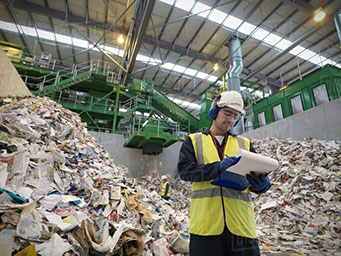
The nuanced process of product destruction has evolved significantly from mere waste disposal, now encompassing sophisticated strategies crucial for brand integrity, intellectual property protection, and regulatory compliance. It is a critical component of modern supply chain management and an increasingly complex field impacting environmental sustainability.
| For landfill-free waste, recycling and product destruction services, including sorting, baling, shredding and compaction equipment, or to explore earning money from your recycling, contact Integrity Recycling Waste Solutions at (866) 651-4797. |
The Strategic Imperative of Product Destruction: Beyond Waste Management
The act of product destruction, once perceived as a simple end-of-life process for goods, has transformed into a sophisticated and strategically vital component of modern business operations. It extends far beyond mere waste management, embodying critical functions such as brand equity protection, intellectual property safeguarding, market control, and compliance with stringent environmental and safety regulations. Businesses today recognize that haphazard disposal can lead to severe repercussions, from reputational damage and legal liabilities to the leakage of proprietary information or the resurgence of unsafe products into secondary markets. The foresight to plan and execute effective product destruction methodologies is now an indicator of a company’s commitment to its values, its consumers, and its long-term viability. This paradigm shift requires a deep understanding of not just how to destroy products, but why, when, and with what ultimate intentions beyond simply making them disappear.
Protecting Brand Integrity and Intellectual Property
The intrinsic value of a brand often lies in its consistency, quality, and consumer trust. When products, for various reasons such as being off-spec, counterfeit, expired, or recalled, enter the market, they pose a direct threat to this carefully cultivated image. Ineffective or incomplete product destruction can lead to these undesirable items resurfacing, often rebranded or sold through unofficial channels, confusing consumers and eroding trust. This undermines the premium associated with a brand and can open the door for class-action lawsuits or regulatory fines. For instance, a luxury goods company finding its flawed handbags being sold on a discount site can suffer irreparable harm to its exclusive image, making immediate and verifiable product destruction paramount.
Beyond tangible products, the intellectual property embedded within them—patents, designs, trade secrets, and unique formulations—is equally vulnerable. Prototypes, misprinted packaging with sensitive information, or electronics containing proprietary software must be destroyed in a manner that renders all such information irrecoverable. The risk of industrial espionage or reverse engineering necessitates destruction methods that go beyond simple physical obliteration, demanding complete dematerialization or secure data sanitization. My personal analysis suggests that many companies still underestimate the sophisticated methods employed by bad actors to reconstruct or extract data from seemingly destroyed items, advocating for multi-layered destruction protocols that target both the physical and informational aspects of a product. The creative insight here lies in viewing product destruction not as an end, but as a proactive defense mechanism for future innovation and market distinction. It’s about securing the competitive edge by preventing valuable knowledge from falling into the wrong hands.
The decision to destroy products due to intellectual property concerns also involves a careful cost-benefit analysis. While the immediate cost of destruction might seem high, the long-term cost of intellectual property infringement or brand dilution can be exponentially greater. Companies must consider the downstream ripple effects: if proprietary technology leaks, competitors can quickly replicate features, eroding market share and investment returns. Therefore, comprehensive destruction strategies for sensitive items, often involving third-party professional shredding or disintegration services with certified destruction protocols, are indispensable. Regular audits and stringent chain-of-custody documentation must accompany these processes to ensure complete accountability and peace of mind.
Preventing Grey Market Leakage and Counterfeit Resurgence
Hospitals, for instance, frequently face the challenge of securely disposing of expired or recalled pharmaceuticals. Simply discarding them can lead to environmental contamination or, worse, their diversion into illicit markets, posing severe public health risks. Robust product destruction protocols ensure these items never re-enter the supply chain. Similarly, for high-value designer goods or advanced electronics, precise destruction prevents components or finished products from being reverse-engineered or reassembled into counterfeit items, preserving brand exclusivity and consumer safety.
Environmental Responsibility and Regulatory Compliance
In an era of heightened environmental awareness, the methods of product destruction are under increasing scrutiny. Governments worldwide are enacting stricter regulations concerning waste disposal, hazardous materials, and carbon emissions. Businesses are no longer permitted to simply landfill or indiscriminately incinerate products without accountability. Compliance with these diverse and often complex regulations—ranging from WEEE (Waste Electrical and Electronic Equipment) directives in Europe to specific chemical disposal acts in North America—is not merely an ethical choice but a legal imperative. Failure to comply can result in hefty fines, legal prosecution, and irrevocable damage to a company’s public image, impacting consumer loyalty and investor confidence.
The environmental footprint of product destruction must also be minimized. Innovative methods now prioritize resource recovery, closed-loop systems, and energy efficiency. For example, instead of merely shredding electronic waste, advanced processes aim to recover precious metals and rare earth elements, effectively turning waste into a resource. Similarly, modern incineration plants are equipped with sophisticated filtration systems to minimize airborne pollutants and often harness the generated heat for energy recovery, providing a dual benefit. My personal analysis highlights that the “destruction” often gives way to “deconstruction” – a paradigm where components are separated for recycling or reuse, embodying circular economy principles even when the original product cannot be salvaged. This represents a significant shift from the linear “make-take-dispose” model.
Furthermore, the concept of “Extended Producer Responsibility” (EPR) holds manufacturers accountable for the entire lifecycle of their products, including their end-of-life destruction or recycling. This forces companies to think proactively about product design, making items easier to disassemble, recycle, or safely destroy. The strategic imperative here is not just about avoiding penalties but embracing sustainability as a core business principle. Companies that publicly demonstrate their commitment to environmentally sound product destruction methods often gain a competitive edge, appealing to environmentally conscious consumers and investors. This commitment necessitates robust documentation, transparent reporting, and often involves partnerships with certified e-waste recyclers or specialist destruction firms that can guarantee compliance and provide auditable trails.
Minimizing Ecological Footprint
The shift from simple disposal to sophisticated end-of-life management for products reflects a greater corporate commitment to sustainability. Consider the automotive industry, where scrapped vehicles are increasingly dismantled for parts and materials rather than simply crushed. Similarly, for perishable goods, composting or anaerobic digestion facilities are preferred over landfills, transforming waste into valuable soil amendments or biogas. These methods drastically reduce the environmental burden associated with product destruction.
Optimizing Supply Chain Efficiency and Cost Control
While product destruction inherently incurs costs, it can paradoxically contribute to supply chain efficiency and cost control when managed strategically. Holding onto obsolete, damaged, or unmarketable inventory ties up valuable warehouse space, incurs carrying costs (insurance, security, climate control), and prevents the efficient rotation of new stock. Proactive and timely product destruction frees up capital and physical space, leading to optimized inventory management. This also reduces the risk of these products expiring, becoming further damaged, or simply losing value while awaiting disposal, thereby minimizing financial write-downs.
Moreover, the logistics of product destruction, if poorly managed, can be a drain on resources. Transporting vast quantities of unsellable goods to remote landfills, or employing inefficient manual destruction processes, adds unnecessary logistical complexity and costs. Innovative methods aim to streamline this process, perhaps through on-site destruction, mobile destruction units, or partnerships with integrated waste management firms that can handle collection, sorting, and destruction efficiently. Automating parts of the destruction process can also lead to significant labor cost savings and increased throughput. This strategic approach turns a necessary evil into a managed process that contributes to the overall lean operation of the supply chain.
Personal creative insight reveals that the true cost of not destroying products properly often remains hidden until a crisis emerges. The cost of a recall, a brand scandal, or a regulatory fine far outweighs the cost of secure destruction. Thus, investing in robust destruction protocols is a form of risk management that ultimately protects the bottom line. Furthermore, understanding the material composition of products targeted for destruction can open avenues for value recovery. Selling scrap materials, or recovering rare components, can offset destruction costs, transforming what was once a pure expense into a partial revenue stream. This demands a detailed understanding of the product lifecycle and an ability to accurately assess the residual value of materials, making the destruction process less of a cost center and more of a strategic pivot point for resource optimization. The holistic view of product destruction as an integral part of the reverse supply chain rather than an isolated event allows companies to identify efficiencies and cost-saving opportunities at various stages.
Reducing Inventory Holding Costs
One of the most immediate benefits of systematic product destruction is the liberation of capital and physical space. Obsolete electronics, out-of-season apparel, or expired food products continuing to occupy warehouse real estate represent a constant financial drain. By implementing timely destruction schedules, companies prevent the accumulation of this “dead stock,” freeing up valuable space for profitable inventory and reducing associated costs like insurance, security, and climate control. This direct impact on the balance sheet underscores the financial prudence behind effective product destruction strategies.
Advanced Methodologies for Secure and Responsible Disposal
The landscape of product destruction has moved far beyond rudimentary crushing or landfilling, embracing sophisticated methodologies designed to ensure maximum security, environmental responsibility, and material recovery. These advanced approaches are often tailored to the specific nature of the product, considering its composition, potential hazards, and the level of security required for its complete and irreversible obliteration. The goal is no longer just to make a product “disappear,” but to ensure it can never resurface, contaminate, or compromise sensitive data or intellectual property. This necessitates a deep understanding of materials science, environmental engineering, and data security protocols, pushing the boundaries of traditional waste management into a realm of specialized industrial processes. These methods often integrate automation and advanced sensor technologies to ensure consistent destruction, verify outcomes, and minimize human error.
Mechanical Dematerialization and Shredding
Mechanical dematerialization, particularly high-security shredding and disintegration, represents a core category of advanced product destruction. Unlike simple crushing, which often leaves recognizable traces or partially intact components, dematerialization aims to reduce a product to its base constituents, rendering it unusable and unidentifiable. This is particularly crucial for sensitive items such as electronic devices, counterfeit goods, recalled products, or prototypes. Specialized shredders can tear materials into incredibly fine particles ( The innovation in this field lies in the development of multi-stage shredding systems that can handle diverse materials (metal, plastic, glass, circuit boards) and separate them for subsequent recycling or further processing. For example, after initial coarse shredding, magnetic separators can extract ferrous metals, eddy current separators can target non-ferrous metals, and air classifiers can separate plastics from lighter materials. My personal analysis suggests that the true genius of these systems lies not just in their destructive capability but in their integrated approach to material segregation, paving the way for maximum resource recovery after destruction. This turns a previously linear “destroy and dispose” process into a more circular model where materials are prepared for re-entry into the manufacturing chain. Creative insights reveal that this shift transforms destruction from an end-of-life liability into a potential input for future production, making it “destruction for resurrection.”
Beyond the physical destruction, the emphasis is often on the chain of custody and verifiable proof of destruction. Reputable destruction service providers offer secure transport, continuous video surveillance of the destruction process, and certificates of destruction, providing an auditable trail. This level of transparency is essential for regulatory compliance and for ensuring brand protection. For high-security applications, clients can even witness the destruction process in real-time, or receive video documentation. The continuous innovation in mechanical destruction focuses on maximizing throughput, ensuring consistent particle size, and integrating sophisticated sorting technologies to optimize the subsequent recycling of segregated components, thereby meeting both security and sustainability objectives.
High-Security Shredding for Data-Bearing Devices
When it comes to electronic media, simple shredding may not suffice. Advanced mechanical dematerialization encompasses sophisticated industrial disintegrators that reduce hard drives, SSDs, mobile phones, and circuit boards to minute particles, often less than 2mm in size. This ensures the complete and irreversible destruction of data, exceeding the capabilities of software wiping alone, which can sometimes leave traces or be susceptible to advanced recovery techniques. Such processes are critical for industries handling sensitive customer data, intellectual property, or classified government information, providing irrefutable proof of data sanitization alongside physical product destruction.
Chemical Neutralization and Advanced Incineration
Chemical neutralization is a specialized method primarily used for hazardous materials, pharmaceuticals, and certain types of chemical waste where land-filling or simple burning is not safe or permissible. This process involves chemically altering the hazardous properties of a substance to render it inert or less harmful. For instance, specific acidic or alkaline wastes can be neutralized, or certain organic compounds can be oxidized into less toxic byproducts. This requires precise control over chemical reactions, often in sealed environments, to prevent unintended releases or the formation of new hazardous substances. The complexity and inherent risks necessitate highly specialized facilities and expert chemical engineers to execute these destruction processes safely and effectively, ensuring environmental integrity and public safety.
Advanced incineration also plays a crucial role, particularly for medical waste, certain types of hazardous industrial waste, and products that cannot be safely recycled or mechanically destroyed. Modern incineration technologies are vastly different from older, polluting “burn everything” models. Today’s facilities operate at extremely high temperatures (often over 1000°C / 1800°F) to ensure complete combustion, minimizing hazardous emissions. They incorporate sophisticated air pollution control systems, including scrubbers, filters, and selective catalytic reduction units, to capture and neutralize pollutants before gases are released into the atmosphere. The most innovative facilities harness the heat generated from combustion to produce steam for electricity generation, effectively turning waste into a renewable energy source.
My creative insight here is to view these processes not as purely destructive but as transformative. Chemical neutralization transforms hazardous molecules into benign ones, and advanced incineration transforms physical waste into energy, potentially diverting millions of tons from landfills and reducing reliance on fossil fuels. The personal analysis indicates that while these methods are resource-intensive, their controlled environment offers unparalleled security and environmental protection for specific types of waste. For example, the precise thermal destruction of confidential documents or sensitive product prototypes ensures absolute annihilation without leaving any recoverable traces. The challenge lies in balancing the energy requirements for these high-temperature processes with the environmental benefits of complete destruction and energy recovery, constantly seeking ways to improve efficiency and reduce the overall carbon footprint.
Energy Recovery from Waste (Waste-to-Energy)
Modern incineration plants equipped for product destruction represent a significant leap forward in waste management, integrating energy recovery. These facilities convert waste products, after their hazardous components have been removed or treated, into thermal energy. This heat is then used to generate steam, which drives turbines to produce electricity. This “waste-to-energy” approach not only provides secure destruction for non-recyclable materials, particularly those with high calorific value, but also reduces reliance on fossil fuels and significantly decreases landfill volumes. It epitomizes a responsible approach to product destruction, transforming a disposal challenge into a sustainable energy solution.
Pyrolysis, Gasification, and Bio-digestion
Pyrolysis and gasification are advanced thermal decomposition processes that offer highly controlled methods for product destruction, particularly for organic materials like plastics, rubber, tires, and biomass. Unlike incineration, which involves combustion with excess oxygen, pyrolysis occurs in the absence of oxygen, breaking down materials into liquid (bio-oil), solid (char), and gas (syngas) components. Gasification involves a controlled amount of oxygen, producing primarily syngas. These processes are inherently more environmentally friendly than traditional incineration as they produce fewer harmful emissions and can yield valuable byproducts. The generated syngas can be used as a fuel source or as a chemical feedstock, creating a circular economy loop where waste is transformed into resources.
Bio-digestion, specifically anaerobic digestion, is another innovative biological method for destroying organic products, especially food waste, agricultural waste, and biodegradable packaging. In an oxygen-free environment, microorganisms break down organic matter into biogas (a mixture of methane and carbon dioxide) and digestate (a nutrient-rich fertilizer). This method offers a sustainable alternative to landfilling biodegradable waste, reducing methane emissions (a potent greenhouse gas) and producing renewable energy and a valuable soil amendment. It’s an ideal solution for large-scale destruction of expired food products, diverting significant tonnage from landfills while capturing energy.
My personal analysis underscores the elegance of these methods: they don’t just destroy; they repurpose the intrinsic energy and material value of the products. Pyrolysis and gasification offer sophisticated control over the outputs, tailoring them for specific industrial applications, while bio-digestion seamlessly integrates with agricultural cycles. The creative insight here lies in seeing product destruction as a form of sophisticated alchemy, transforming unwanted materials into new forms of energy or raw materials. This fundamentally redefines waste management from a disposal challenge to a resource recovery opportunity. The ongoing innovation in these fields focuses on improving process efficiency, expanding the range of treatable materials, and optimizing the quality and purity of the valuable outputs, pushing the boundaries of what is possible in sustainable product destruction.
Transforming Plastic Waste into Energy and Chemicals
Pyrolysis, especially for plastic waste, offers a cutting-edge solution for product destruction that simultaneously addresses a major environmental challenge. Rather than burying or burning plastics, pyrolysis breaks them down at high temperatures in the absence of oxygen, yielding pyrolysis oil (similar to crude oil), syngas, and char. The pyrolysis oil can then be refined into new plastics or fuels, completing a circular economy loop. This method is particularly innovative for breaking down complex plastic products unsuitable for mechanical recycling, offering a high-value recovery path that transforms a waste product into a valuable resource.
Leveraging Technology for Enhanced Product Destruction Processes
The evolution of product destruction from a manual, reactive task to a technologically advanced, proactive strategy is profoundly influenced by the integration of cutting-edge innovations. Automation, artificial intelligence (AI), machine learning (ML), the Internet of Things (IoT), and blockchain technology are revolutionizing how objects are classified, processed, and ultimately destroyed. These technological advancements enhance efficiency, improve traceability, ensure compliance, and provide an unprecedented level of security. They allow for precision in a process that was once broad, enabling businesses to manage their reverse logistics with far greater control and oversight. The impact extends from intelligent sorting at the initial stages to verifiable, auditable trails for every destroyed item, bringing a new era of accountability and optimization to product destruction.
Automation and Robotics in Sorting and Processing
Automation and robotics are transforming the initial stages of product destruction, particularly in sorting and pre-processing. Before destruction can occur, products often need to be separated by material type, size, or hazardous content, especially if material recovery is a goal. Historically, this has been a labor-intensive, error-prone, and sometimes hazardous manual task. Robotic arms equipped with advanced sensors, computer vision, and AI algorithms can now rapidly and accurately identify, pick, and sort diverse product streams. These robots can handle large volumes of items, operate in challenging environments (e.g., extreme temperatures, hazardous materials), and work continuously without fatigue, significantly increasing throughput and safety.
For instance, in the e-waste sector, robotic systems can precisely dismantle electronic components, separating valuable metals from plastics and circuit boards, optimizing the subsequent shredding or recycling processes. This level of precision not only speeds up the destruction process but also enhances the purity of recovered materials, increasing their market value. Automation also extends to the destruction equipment itself, with automated feeders, continuous shredding lines, and robotic baling or packaging of destroyed remnants. My personal analysis reveals that this transition to automation is not just about cost reduction but about achieving an unparalleled level of consistency and security in product destruction. Manual errors in sorting or incomplete destruction can have severe consequences, which automation virtually eliminates.
The creative insight here is that automation elevates product destruction from a brute-force activity to a sophisticated manufacturing process in reverse. It allows for the precise deconstruction of complex products, enabling a more granular approach to material recovery and ensuring that specific components are either completely destroyed or prepped for their next life. Furthermore, integrating AI allows these robotic systems to learn from new material compositions or product variations, improving their sorting accuracy over time. This adaptability is crucial given the rapid pace of product innovation and the diversity of items requiring destruction. The trend is moving towards fully automated destruction facilities where human intervention is minimized, thereby maximizing operational efficiency and security.
AI-Powered Visual Sorting and Material Identification
AI combined with advanced camera systems is revolutionizing the pre-destruction phase, particularly for mixed-material products. Automated lines use AI algorithms to rapidly analyze the visual characteristics, spectral signatures, and even acoustic properties of items. This allows for highly accurate identification of materials (e.g., different types of plastics, metals), brands, or even specific safety components within a mixed waste stream. This precision sorting is crucial for optimizing subsequent destruction processes – diverting certain items for recycling, sending others to high-security shredders, or hazardous waste for specialized chemical treatment – ensuring both efficiency and compliance with material-specific destruction protocols.
IoT and Blockchain for Traceability and Auditability
The Internet of Things (IoT) and blockchain technology are fundamentally redefining traceability and auditability in product destruction, offering levels of transparency and security previously unattainable. IoT devices, such as sensors, RFID tags, and GPS trackers, can be embedded in storage containers, transport vehicles, or even directly on high-value products destined for destruction. These devices continuously collect and transmit data on location, temperature, custody transfers, and even the status of the destruction process itself. This real-time data flow provides an unbroken chain of custody, ensuring products don’t get diverted or tampered with before their designated destruction. For instance, a pharmaceutical company can track a batch of recalled drugs from its collection point to the incinerator, receiving alerts at every transfer point and upon the completion of the destruction process.
Blockchain technology then takes this traceability to an entirely new level. Each data point collected by IoT sensors—from the moment a product enters the destruction pipeline to the issuance of a certificate of destruction—can be recorded as an immutable block on a distributed ledger. This creates a tamper-proof, transparent, and verifiable record that can be accessed by all authorized parties (manufacturer, regulator, destruction service provider). Unlike traditional centralized databases, blockchain’s distributed nature makes it incredibly difficult for any single party to alter records retrospectively, enhancing trust and accountability. My personal analysis suggests that this combination of IoT for data capture and blockchain for secure record-keeping is the gold standard for high-security product destruction, especially for sensitive items where legal and reputational risks are significant.
The creative insight here is that these technologies transform what was once a “black box” process—where companies largely relied on trust when offloading products for destruction—into a fully illuminated, auditable journey. It provides irrefutable proof that products were managed responsibly and destroyed completely, addressing concerns about grey market leakage or environmental non-compliance. Furthermore, the granular data collected can be used for operational analytics, identifying bottlenecks, optimizing logistics, and improving the efficiency of future destruction operations. Large corporations that deal with complex supply chains and high-stakes products recognize that this investment in tech-enabled traceability is not just a regulatory compliance measure but a strategic asset that safeguards their brand and reputation.
Immutable Records via Distributed Ledger Technology
By leveraging blockchain, every step in the product destruction lifecycle – from collection and transportation to the actual shredding or incineration and final material disposal – can be logged as an immutable transaction. This creates a transparent and cryptographically secured audit trail, accessible to all authorized stakeholders. This level of verifiable proof is critical for highly regulated industries (e.g., pharmaceuticals, aerospace, defense) and for businesses needing to demonstrate unassailable compliance for product recalls or intellectual property protection, offering a level of security and trust that traditional paper trails or centralized databases cannot match.
Predictive Analytics and Process Optimization
Beyond tracking and recording, technology is also enabling predictive analytics and continuous process optimization within product destruction. Data collected from IoT sensors, automated processing lines, and supply chain management systems can be fed into advanced analytical models. These models can identify patterns, predict optimal destruction schedules based on inventory levels, material types, and regulatory requirements, and even forecast future destruction needs. For instance, an electronics manufacturer can use historical data on product returns and recalls, combined with market trends, to predict the volume and type of products requiring destruction in the coming quarters. This enables proactive resource allocation – ensuring sufficient destruction capacity, securing necessary permits, and pre-booking specialized services.
Predictive analytics also plays a crucial role in optimizing the destruction processes themselves. By analyzing performance data from shredders, incinerators, or chemical treatment plants, AI algorithms can identify inefficiencies, suggest maintenance schedules, or recommend adjustments to operational parameters to maximize throughput and minimize energy consumption. For example, machine learning models can optimize settings for a shredder to achieve a desired particle size at the lowest energy cost for a given material. This continuous feedback loop leads to significantly improved operational efficiency, reduced costs, and a more environmentally sound destruction process. My personal analysis indicates that this proactive approach shifts product destruction from a reactive burden to a strategically managed operation that contributes to overall supply chain resilience and profitability.
The creative insight stemming from predictive analytics in this domain is the transformation of product destruction from a necessary “clean-up” operation into a data-driven strategic lever. It allows businesses to move beyond simply reacting to unwanted inventory to intelligently forecasting and managing its appropriate disposition. This contributes to a leaner, more agile supply chain, minimizing waste both in terms of physical products and operational resources. Furthermore, by optimizing energy usage in thermal destruction processes or prioritizing material recovery where feasible, businesses can also significantly enhance their sustainability profile. This sophisticated layering of data and intelligent systems ensures that product destruction is not just efficient and secure, but also economically and environmentally optimized.
Real-time Monitoring and Anomaly Detection
Integrating real-time data from sensors and processing equipment allows for continuous monitoring of the product destruction process. AI systems can identify anomalies instantly – a shredder operating outside optimal parameters, an unexpected deviation in material flow, or a security breach at a destruction site. This immediate detection enables rapid intervention, preventing incomplete destruction events, equipment failures, or security compromises. This level of oversight ensures that the rigorous standards for secure and complete product destruction are consistently met, adding an invaluable layer of operational integrity and risk mitigation.
The Circular Economy and Product Destruction: A Paradox or a Partnership?
At first glance, the concept of product destruction seems diametrically opposed to the principles of a circular economy, which champions longevity, reuse, repair, and recycling. The circular economy aims to keep resources in use for as long as possible, extracting maximum value from them, and then recovering and regenerating products and materials at the end of their service life. Destruction, by definition, entails the breaking down or obliteration of a product. However, a deeper examination reveals that product destruction can, in fact, be an indispensable partner within a circular framework, particularly when it is executed strategically and responsibly. Far from being a paradox, it represents a critical, often unavoidable, step in ensuring that harmful, unusable, or compromised materials do not re-enter the economy in damaging ways, while simultaneously facilitating the recovery of valuable constituents that can be reintegrated into new production cycles. It highlights that not everything can or should be endlessly circulated, and that secure, responsible destruction often clears the path for sustainable regeneration elsewhere.
Designing for Deconstruction and Material Recovery
A core tenet of the circular economy is “designing out waste,” and this extends directly to the necessity of product destruction. By designing products with their eventual deconstruction and material recovery in mind, companies can transform the destruction process from an expense into an opportunity for resource preservation. This involves using easily separable materials, minimizing complex composites, standardizing components, and even embedding material identifiers that aid automated sorting. For instance, a modular smartphone designed with snap-together components rather than adhesives and specialized screws can be efficiently disassembled at its end-of-life, allowing for the recovery of valuable rare earth metals and integrated circuits, rather than requiring energy-intensive shredding of the entire device.
When products cannot be reused or repaired, design for destruction ensures that their embedded materials are not lost to landfills. High-quality product destruction, in this context, becomes a sophisticated material harvesting operation. Instead of chaotic crushing, manufacturers consider how their products can be systematically taken apart, how different materials can be separated cleanly for recycling, and how hazardous components can be neutralized or disposed of safely. My personal analysis suggests that this proactive design philosophy is where the strategic partnership between circularity and product destruction truly solidifies. It’s about designing products to fail gracefully, or rather, to be purposefully “unmade” in a way that maximizes resource efficiency.
The creative insight demonstrates that product destruction, when integrated with a circular design philosophy, shifts from being a terminal event to a transitional phase. It’s not about annihilation, but about transformation into new raw materials. This requires collaboration between product designers, material scientists, and destruction service providers. The ultimate goal is to minimize the energy and resources required for both destruction and subsequent material recovery, thereby closing loops and reducing reliance on virgin resources. Companies that excel in this area gain not only environmental benefits but also often achieve cost savings through reduced disposal fees and the potential resale of recovered materials, making product destruction a value-added activity.
Material-Specific Destruction for Optimized Recycling
Implementing material-specific destruction protocols is pivotal for effective recycling within a circular economy. Instead of a one-size-fits-all approach, products are first disassembled or processed to separate different material streams (e.g., plastics, metals, glass, circuit boards). Each stream then undergoes its optimized destruction method – plastics might be pyrolyzed, metals melted, and specialized electronics sent for precious metal recovery. This tailored approach maximizes the purity of the recovered materials, making them highly valuable for re-entry into manufacturing, significantly reducing the demand for new virgin resources, and elevating product destruction to a strategic resource management function.
The Role of Secure Destruction in Preventing Contamination and Waste
Crucially, not all products are suitable for indefinite circulation, reuse, or even recycling without initial secure product destruction. Recalled products (e.g., contaminated food, defective car parts), pharmaceuticals past their expiry date, hazardous chemicals, or products that pose a significant security risk (e.g., counterfeit goods, expired military equipment) must be destroyed completely and irrecoverably. Attempting to reuse, repurpose, or simply landfill such items would introduce severe risks: public health crises from contaminated food, environmental pollution from illicit dumping of chemicals, or economic damage from counterfeit products re-entering the market. In these scenarios, complete product destruction is not a contradiction to the circular economy but a safeguard that protects the integrity of the overall system.
Moreover, irreparable damage or contamination might render a product unfit for any form of reuse or recycling. In such cases, responsible product destruction methods—like advanced incineration with energy recovery or chemical neutralization—become the most environmentally sound way to manage the waste, preventing it from polluting land or water resources. The aim is to contain any potential harm and, where possible, still extract some form of value (e.g., energy from waste) rather than simply burying the problem. My personal analysis highlights that secure destruction acts as a necessary filter in the circular economy, ensuring that only “clean” and recoverable materials or products continue in the loop, while “toxic” or harmful elements are safely neutralized or permanently eliminated.
The creative insight lies in understanding that product destruction is sometimes the most ecological choice. It prevents future waste and contamination by decisively ending the life of a problematic product. This requires a nuanced understanding of product lifecycles and potential risks. It’s about making judicious decisions: is this product truly at its end of use, or can it be safely integrated into another cycle? When the answer is the former, secure, responsible destruction becomes a vital, ethical imperative that protects both human health and the environment, facilitating a truly sustainable and safe circular economy. It’s an essential management tool for preventing problematic inventory from becoming a persistent liability, thus clearing the path for healthier resource flows.
Ethical Disposition of Sensitive or Hazardous Returns
For items like expired medications, biohazardous waste, or defective safety equipment, product destruction is not just preferred but mandatory for public safety and ethical reasons. These items cannot be recycled or reused without posing extreme risks. The innovative aspect lies in the development of specialized, highly secure destruction facilities that can neutralize hazardous components, render pharmaceuticals inert, and permanently destroy sensitive materials, ensuring they never re-enter any chain of custody or pose environmental threats. This ensures that the commitment to a circular economy does not compromise public health or safety, clearly defining responsible limits for material reintegration.
Product Destruction as a Catalyst for Sustainable Innovation
Paradoxically, the necessity of product destruction can also serve as a powerful catalyst for sustainable innovation within the circular economy. The challenges associated with complex product destruction—such as the difficulty of separating mixed materials, the energy required for thermal processes, or the environmental impact of certain disposal methods—drive manufacturers and innovators to develop more sustainable solutions. Facing the costs and complexities of destroying their products, companies are incentivized to design items that are inherently more “destructible,” or rather, more easily deconstructed andrecycled.
This shift in design philosophy is a direct response to the rising costs and logistics of traditional disposal methods. Designers are increasingly prioritizing modularity, where products can be easily taken apart into their constituent parts without specialized tools or excessive energy. Such strategies not only reduce the burden on waste management systems but also encourage a culture of reuse and recycling among consumers. For instance, brands producing electronic devices are opting for screws instead of adhesives, allowing users and recyclers alike to open and disassemble products effortlessly. By enabling this level of accessibility, companies not only foster a more circular economy but also generate consumer trust and loyalty.
Moreover, these innovations in destructive design can lead to the creation of entirely new markets. Companies manufacturing sustainable alternatives to hazardous materials can thrive by showcasing their commitment to safety and environmental stewardship. This innovation extends beyond product development to encompass entire business strategies that revolve around circularity. For example, firms focusing on leasing rather than selling their products can take back used items for refurbishment or recycling, effectively controlling the lifecycle of their goods. The realization that destruction and sustainability are interconnected opens doors for businesses to redefine value propositions and pursue alternative revenue streams.
Integrating Technology for Efficient Product Destruction
The integration of technology in product destruction processes presents an exciting frontier for optimizing resource recovery and minimizing negative environmental impacts. Advanced technologies such as artificial intelligence (AI), Internet of Things (IoT), and machine learning can significantly enhance the efficiency of destruction protocols. AI algorithms can analyze product compositions to identify the most effective destruction methods tailored to different materials, resulting in less waste and higher recovery rates.
For instance, robotic systems equipped with machine vision can sort electronics by type and material composition before they undergo destruction, ensuring that components are processed via the best-fit method. This automation not only speeds up operations but also reduces human error, leading to safer working conditions and improved outcomes for the environment. The rise of smart waste management solutions that track materials through their lifecycle also supports better decision-making regarding when and how products should be destroyed or recycled.
Additionally, integrating blockchain technology into product destruction processes provides transparency and traceability, establishing a secure audit trail for disposed items. This is especially crucial in industries like pharmaceuticals and electronics, where compliance with regulations is paramount. Blockchain can document every stage of a product’s life— from its origin to its final destruction— ensuring accountability and fostering trust among consumers, regulators, and manufacturers alike.
Conclusion
In summary, the nuanced relationship between product destruction and the principles of a circular economy underscores the necessity for innovative strategies that prioritize both public health and environmental resilience. Navigating complex challenges such as hazardous waste management, ethical product disposal, and technological integration allows businesses to reframe destruction as an opportunity rather than a setback. As we advance towards a more sustainable future, the dialogue surrounding product lifecycle management must evolve to recognize destruction not merely as an end point but as a critical component within the regenerative loop of resources. Through careful planning, collaboration, and commitment to innovation, we can cultivate an ecosystem where product destruction becomes a catalyst for positive change, driving us towards a truly circular economy.
| For landfill-free waste, recycling and product destruction services, including sorting, baling, shredding and compaction equipment, or to explore earning money from your recycling, contact Integrity Recycling Waste Solutions at (866) 651-4797. |