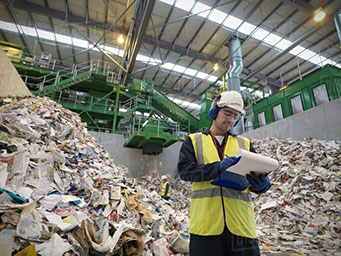
The issue of food product destruction encompasses a wide array of environmental, ethical, economic, and social dimensions that resonate across the globe. At first glance, the task of discarding expired or contaminated food may appear to be a simple matter; however, it is indicative of more profound systemic issues within our global food frameworks. From ineffective waste management strategies to ethical dilemmas emerging in times of hunger crises, delving into the complexities surrounding food product destruction unveils significant insights regarding society’s efforts to achieve a balance between efficiency, accountability, and sustainability.
| For landfill-free waste, recycling and product destruction services, including sorting, baling, shredding and compaction equipment, or to explore earning money from your recycling, contact Integrity Recycling Waste Solutions at (866) 651-4797. |
Understanding the Need and Effects of Food Product Destruction
In a world where countless individuals face hunger, the act of destroying food can seem paradoxical or even irresponsible. Nevertheless, it frequently serves as a crucial measure for businesses aiming to comply with safety regulations, mitigate health risks, and maintain their brand reputation. This section examines the reasons behind food destruction, its prevalence, and what it reveals about our current practices in food management.
Key Motivations Behind Food Product Destruction
Food products undergo destruction for various reasons, primarily rooted in safety, quality assurance, and compliance with established standards. Although these actions are sometimes perceived as wasteful, they play an essential role in safeguarding consumers and ensuring adherence to regulatory requirements.
Regulatory Compliance and Safety Standards
Many countries have food safety laws that require the disposal of items failing to meet specific criteria. For instance, if food becomes contaminated or passes its expiration date, companies are legally obligated to destroy it to avert public health hazards.
Variability in Market Demand and Production Surpluses
Changes in consumer preferences, overproduction, or disruptions in the supply chain can result in surplus stock that no longer aligns with market needs. Businesses may choose to dispose of these items rather than store them or sell at a loss, especially when discounts could tarnish their brand image.
Preserving Brand Integrity Through Product Identification
At times, products are destroyed due to packaging or labeling discrepancies that fail to meet branding standards. To protect their brand reputation and avoid potential legal repercussions, companies may prefer destruction over the risk of misrepresentation.
The Magnitude and Influence of Food Waste from Destruction
Global statistics indicate that a substantial portion of food waste results from intentional destruction. According to data from the Food and Agriculture Organization (FAO), around 931 million tons of food are wasted each year, with a significant fraction attributed to these practices.
Environmental Ramifications
This destruction contributes notably to greenhouse gas emissions, particularly methane released from decomposing food in landfills. Furthermore, the resources utilized in production—such as water, energy, and labor—are wasted when food is unnecessarily eliminated.
Economic Consequences
Companies incur expenses related to storage, transportation, and disposal processes. At a broader economic level, the financial losses tied to food destruction affect pricing structures, supply chains, and international food security.
Social and Ethical Dilemmas
While food is systematically destroyed on a large scale, millions suffer from hunger globally. This glaring contrast prompts us to question societal priorities and the morality of discarding consumable food while others go without.
Finding Balance Between Safety, Regulations, and Ethical Responsibility
The challenge lies in marrying stringent safety protocols with ethical concerns regarding food waste. Advances in technology and policy modifications increasingly aim to minimize unnecessary destruction while upholding public health standards.
Innovative Technological Developments
New processing techniques now allow for the conversion of nearly expired or imperfect produce into animal feed, bioenergy, or compost, thereby decreasing the necessity for outright destruction.
Policy and Regulation Adjustments
Certain advocacy groups are pushing for legislative changes that promote the redistribution of excess food to charitable organizations or reduce restrictions on the utilization of cosmetically imperfect produce.
Corporate Social Responsibility Initiatives
Businesses are embracing sustainability objectives that encompass minimizing waste and exploring innovative reuse pathways, thus aligning their economic motivations with social responsibilities.
| For landfill-free waste, recycling and product destruction services, including sorting, baling, shredding and compaction equipment, or to explore earning money from your recycling, contact Integrity Recycling Waste Solutions at (866) 651-4797. |
The Processes and Technologies Involved in Food Product Destruction
Destruction of food products entails carefully orchestrated procedures designed to ensure safety, protect the environment, and comply with legal standards. This section discusses traditional and cutting-edge methods utilized worldwide, illustrating how technology reshapes food waste management.
Standardized Protocols for Food Destruction
Industry best practices are established to guarantee that discarded food does not pose any health or environmental risks. These protocols involve careful handling and documentation to satisfy regulatory requirements.
Secure Disposal Strategies
Food waste is often incinerated or directed to specialized landfills equipped with methane capture systems. Incineration ensures thorough elimination of pathogens but may have environmental drawbacks if not managed appropriately.
Controlled Landfill Practices
Landfilling involves compacting and covering food waste to deter pests and odor issues. Contemporary landfills incorporate technologies to capture landfill gases for energy recovery.
Recycling and Reuse Initiatives
Recycling transforms food waste into valuable products such as compost, animal feed, or bioenergy, diminishing reliance on landfilling and mitigating environmental impacts.
Innovative Technologies Enhancing Food Destruction and Recycling
Emerging technologies are redefining how companies approach food waste management, focusing on efficiency, sustainability, and resource reclamation.
Anaerobic Digestion
This process captures methane produced from decaying organic waste, converting it into renewable energy and digestate, which can be utilized as fertilizer.
Conversion of Food Waste to Energy
Processes like pyrolysis and gasification transform food waste into syngas, oils, or biochar, presenting alternative energy sources and reducing dependence on landfills.
Artificial Intelligence and Data Analytics
Smart algorithms enhance inventory management, predict spoilage, and identify surplus before destruction is deemed necessary, enabling proactive waste reduction.
Environmental Considerations Surrounding Food Waste Disposal
Although destruction may sometimes be unavoidable, its ecological impact varies significantly based on the chosen method. Sustainable waste management seeks to minimize carbon emissions and conserve resources.
Carbon Footprint Assessment of Disposal Techniques
Incineration and landfilling emit varying levels of greenhouse gases. Technologies that capture and utilize emissions represent preferable options for climate change mitigation.
Life Cycle Analysis
Evaluating the complete life cycle of food—from farm to disposal—helps pinpoint opportunities for waste reduction or effective repurposing.
Circular Economy Models
Integrating reuse, recycling, and resource recovery within the supply chain fosters a circular framework, minimizing the need for destructive disposal practices.
| For landfill-free waste, recycling and product destruction services, including sorting, baling, shredding and compaction equipment, or to explore earning money from your recycling, contact Integrity Recycling Waste Solutions at (866) 651-4797. |
Ethical and Social Aspects of Food Product Destruction
The act of destroying food raises significant ethical considerations, especially in light of ongoing global hunger and resource scarcity. Public attitudes, moral obligations, and social policies profoundly impact how societies tackle this complex issue.
Moral Issues Associated with Food Waste and Destruction
Many contend that obliterating edible food is morally reprehensible, given that millions lack adequate nutrition.
The Paradox of Hunger and Waste
Despite surpluses in food production, waste remains prevalent at every stage—from farms to retail outlets—illuminating inefficiencies and moral failures in resource distribution.
Excessive Consumption vs. Ethical Duty
Consumer habits, including over-purchasing and improper storage, exacerbate waste, underscoring the need for more responsible consumption practices.
Reconciling Safety and Ethics
Companies must navigate the necessity of destruction for safety against the ethical obligation to minimize waste, fostering transparency and accountability throughout their operations.
Social Policies and Efforts Targeting Food Waste
Governments and organizations across the globe are enacting policies aimed at curtailing food destruction and encouraging food redistribution.
Food Redistribution Initiatives
Programs such as surplus food donations and food rescue services connect excess supplies with those in need, lessening waste and supporting vulnerable communities.
Legislative Actions
Policies that incentivize donations, impose restrictions on waste, or standardize date labels seek to diminish unnecessary disposal practices.
Public Awareness Campaigns
Educational initiatives inform consumers about waste reduction, proper food storage, and the importance of valuing food beyond its aesthetic appearance or sell-by dates.
Cultural Attitudes and Consumer Behavior
Cultural perspectives shape how food waste is regarded. Movements advocating for “imperfect” produce serve to shift perceptions, promoting acceptance of food that fails to meet conventional aesthetic standards.
The Influence of Media and Advocacy
Documentaries, campaigns, and social media challenge negative stereotypes surrounding food imperfections, fostering a culture of ethical consumption.
Consumer Choices and Their Implications
Opting to purchase local, seasonal, or imperfect produce can substantially reduce the volume of food destined for destruction.
Transparency and Corporate Accountability
Brands that embrace sustainable practices and transparently communicate their waste reduction efforts cultivate consumer trust and encourage societal transformation.
| For landfill-free waste, recycling and product destruction services, including sorting, baling, shredding and compaction equipment, or to explore earning money from your recycling, contact Integrity Recycling Waste Solutions at (866) 651-4797. |
The Connection Between Food Destruction and Climate Change – An Increasing Concern
Food destruction is not merely an ethical quandary; it also plays a role in exacerbating climate change. The release of greenhouse gases from decomposing food and the energy required for disposal highlight the pressing necessity for sustainable solutions.
How Food Waste Contributes to Greenhouse Gas Emissions
The breakdown of organic materials in landfills generates methane—a powerful greenhouse gas that significantly contributes to global warming. The energy-intensive nature of food production further amplifies the environmental costs associated with waste.
Assessing the Impact
Research indicates that food waste accounts for approximately 8-10% of total global greenhouse gas emissions, underlining the urgency for targeted interventions.
The Life Cycle Perspective
Every phase—from cultivation to consumption—carries associated emissions; reducing waste can lead to lower emissions across the entire supply chain.
Strategies for Alleviating Climate Impact
Efforts to decrease the environmental consequences of food destruction emphasize prevention, improved disposal methodologies, and resource recovery.
Preventative Measures and Enhanced Supply Chain Management
Refining forecasting, inventory management, and logistics can minimize overproduction and spoilage, directly lowering the quantity of food necessitating destruction.
Upgraded Waste Management Systems
Investing in composting, anaerobic digestion, and other eco-friendly disposal strategies can reduce methane emissions and recover energy from food waste.
Regulatory Policies and Incentives
Government incentives designed to promote waste reduction, coupled with penalties for excessive disposal, can motivate industries to adopt greener practices.
The Role of Consumers and Businesses in Climate Mitigation
Consumers wield influence over corporate practices by choosing sustainable brands and minimizing household waste, while companies can innovate in packaging, logistics, and waste utilization strategies.
Embracing Zero-Waste Principles
Encouraging a culture centered on mindful consumption and waste minimization is vital in addressing climate change challenges.
Backing Sustainable Technologies
Investment in new technologies that enhance waste diversion and resource recovery propels progress toward climate objectives.
Collaborative Initiatives
Partnerships involving governments, NGOs, and industries pave the way for scalable solutions that align both economic and environmental goals.
Final Thoughts
The destruction of food products represents a multifaceted challenge intertwined with issues of safety, ethics, environmental sustainability, and social equity. Although regulations and technological advancements have improved waste management practices, the ongoing magnitude of food destruction necessitates a reassessment of systemic priorities. Society must pursue smarter, more compassionate solutions—minimizing unnecessary waste, advocating for redistribution, and adopting sustainable technologies—to harmonize human health, environmental stewardship, and ethical responsibility. Recognizing the complexities involved in food destruction encourages us to re-evaluate how we value, manage, and share the resources that nourish us all.
| For landfill-free waste, recycling and product destruction services, including sorting, baling, shredding and compaction equipment, or to explore earning money from your recycling, contact Integrity Recycling Waste Solutions at (866) 651-4797. |