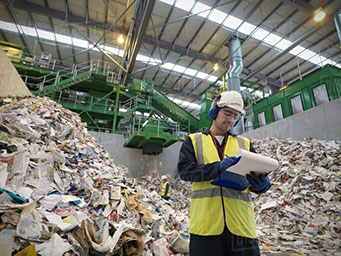
Understanding Tips for Sorting and Collecting Paper and Cardboard for Recycling is essential for both individuals and businesses aiming to contribute to sustainability while reducing waste disposal costs. Proper recycling not only conserves natural resources but also can generate revenue from recyclable commodities. Whether you’re managing a commercial facility or organizing waste at home, mastering these tips can streamline your recycling process and make it more effective.
Effective sorting and collection of paper and cardboard are crucial in achieving high-quality recyclable streams. When done correctly, it minimizes contamination, improves recycling rates, and aligns with environmentally responsible practices. This comprehensive guide explores expert strategies, practical examples, and insights to help you refine your recycling habits and promote greener waste management solutions.
| For commercial landfill-free waste, recycling and product destruction services, including sorting, baling, shredding and compaction equipment, or to explore revenue from your recycling, contact Integrity Recycling Waste Solutions at (866) 651-4797. |
Understanding the Importance of Proper Paper and Cardboard Recycling
Before diving into specific tips, it’s vital to recognize why meticulous sorting matters. Paper and cardboard are among the most recyclable materials, yet they are also among the most easily contaminated. When mixed with other waste or non-recyclables, they can become unusable, leading to increased disposal costs and environmental harm. Properly sorted paper and cardboard can be sold to recycling facilities that efficiently process these materials, contributing to a circular economy.
From a business perspective, implementing robust recycling practices can support LEED (Leadership in Energy and Environmental Design) certification and enhance your company’s sustainability profile. Additionally, by using advanced sorting and baling equipment, organizations can optimize their recycling operations, reduce landfill dependency, and even generate revenue through recyclable commodities.
Practical Tips for Effective Sorting and Collection
Establish Clear Sorting Guidelines
Clarity is key when it comes to sorting paper and cardboard. Businesses should develop comprehensive guidelines that specify what materials are acceptable and how they should be prepared. For example, flattening cardboard boxes reduces volume and makes storage easier, while removing non-recyclable contaminants such as plastic or Styrofoam before recycling helps ensure purity in the recycled stream.
A practical approach includes providing employees or household members with visible signage and training. This minimizes confusion and encourages compliance. Using labeled containers for different waste streams—like separate bins for paper, cardboard, plastics, and general waste—can streamline the collection process.
Use the Right Collection Infrastructure
Investing in appropriate collection containers and waste equipment makes a significant difference. For large-scale operations, dumpsters and compactors designed for recyclables can improve efficiency. Reusable and durable containers that are easy to transport can also facilitate regular collection and prevent overflow.
Furthermore, partnering with waste solutions providers who offer specialized recycling programs helps ensure proper handling. Companies like Integrity Recycling and Waste Solutions offer advanced sorting and baling equipment, transforming a cluttered waste management process into a streamlined operation.
Prepare Materials Properly
One common mistake in recycling is neglecting to prepare paper and cardboard properly. Removing plastic wrap, tape, and food residue from boxes is vital since these contaminants can spoil the entire batch. Flattening boxes reduces storage space and helps recycling facilities process the materials more effectively.
Any shredded or heavily soiled paper should be separated from clean paper to avoid cross-contamination. Implementing simple routines, such as dedicated preparation stations or designated bins for clean and soiled materials, can make this process automatic and less tedious.
Maximize Recycling Revenue and Sustainability
Sorting and collecting waste efficiently can lead to revenue from recyclable commodities. Recyclable paper and cardboard have market value, depending on their quality and cleanliness. Ensuring your materials are free from contaminants captures higher prices and improves recycling relationships.
In addition to financial benefits, developing a zero-waste-to-landfill policy aligns your organization with sustainable practices. Services that support LEED certification or use advanced recycling technologies can help you track your progress and demonstrate your commitment to environmental responsibility.
Incorporate Education and Continual Improvement
Ongoing training is essential to maintain high standards in paper and cardboard recycling. Conduct periodic workshops, update signage, and solicit feedback from employees or community members. This proactive approach ensures that public awareness grows and that your recycling practices evolve with changing technology and regulations.
In practical terms, setting up a dedicated team responsible for overseeing recycling initiatives encourages accountability and innovation. Leveraging data from waste audits can identify areas for improvement, allowing you to adapt and optimize your activities continually.
| For commercial landfill-free waste, recycling and product destruction services, including sorting, baling, shredding and compaction equipment, or to explore revenue from your recycling, contact Integrity Recycling Waste Solutions at (866) 651-4797. |
How to Use These Tips in Real-World Situations
Imagine a manufacturing plant producing numerous cardboard boxes daily. By adopting clear guidelines for flattening and removing non-recyclables, they can significantly reduce their waste volume and enhance the quality of their recyclable materials. Additionally, investing in advanced baling equipment can turn bulky cardboard waste into commercially viable bales, maximizing revenue and minimizing disposal costs.
Similarly, a busy office environment can implement color-coded bins with signage and regular training to ensure employees understand what can and cannot go into recycling containers. These straightforward steps lead to cleaner recyclables, fewer contaminated loads, and smoother processing downstream.
Comparing Different Collection Scenarios
In situations where space is limited, compactors can effectively increase capacity and keep the workspace organized. Conversely, in large-scale industrial settings, multiple dumpsters combined with professional waste audits can optimize collection routes and reduce operational costs.
The key difference between these approaches lies in scale and investment: compactors suit small to medium operations seeking efficiency, while advanced sorting and recycling services are more appropriate for larger enterprises seeking sustainability and revenue generation.
Advice: Keep It Consistent and Monitored
Consistency is crucial; review your sorting practices regularly to identify gaps or errors. Use feedback from waste recycling partners to refine procedures. Regular audits of your waste stream can reveal the percentage of recyclable paper and cardboard that ends up contaminated, allowing targeted improvements.
Implementing these tips requires an upfront investment of time and resources, but the long-term benefits—in cost savings, environmental impact, and corporate social responsibility—are well worth the effort.
| For commercial landfill-free waste, recycling and product destruction services, including sorting, baling, shredding and compaction equipment, or to explore revenue from your recycling, contact Integrity Recycling Waste Solutions at (866) 651-4797. |
FAQs on Tips for Sorting and Collecting Paper and Cardboard for Recycling
Why is sorting paper and cardboard so important for recycling?
Proper sorting ensures high-quality recyclable streams, reduces contamination, and makes processing more efficient, ultimately saving costs and increasing revenue from recycled commodities.
How can small businesses implement effective paper and cardboard recycling?
Small businesses can start with simple steps like labeled bins, employee training, and regular waste audits. Partnering with specialized waste management providers can further optimize collection and sorting.
What are common contaminants that ruin recycled paper and cardboard?
Plastic wraps, Styrofoam, food residues, and non-recyclable adhesives can contaminate the recyclable stream, rendering materials unsuitable or lowering their market value.
How does preparing materials before recycling help?
Removing non-recyclables, flattening boxes, and ensuring cleanliness improve recycling efficiency, reduce contamination, and allow for better revenue generation from recyclable materials.
Can advanced sorting equipment improve recycling outcomes?
Yes, equipment like advanced balers and sorting machinery can increase capacity, improve material purity, and support sustainable waste management initiatives, especially for larger facilities.
| For commercial landfill-free waste, recycling and product destruction services, including sorting, baling, shredding and compaction equipment, or to explore revenue from your recycling, contact Integrity Recycling Waste Solutions at (866) 651-4797. |
Conclusion
Mastering the Tips for Sorting and Collecting Paper and Cardboard for Recycling is vital for achieving efficient, cost-effective, and environmentally responsible waste management. Clear guidelines, appropriate collection infrastructure, proper preparation, and ongoing education form the foundation of successful recycling programs. By adopting these practices, individuals and businesses enhance their sustainability efforts, reduce disposal costs, and contribute positively to the environment. Through dedicated effort and strategic planning, efficient paper and cardboard recycling becomes an achievable reality that benefits everyone involved.