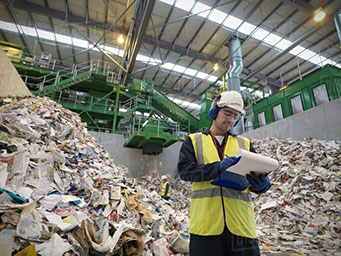
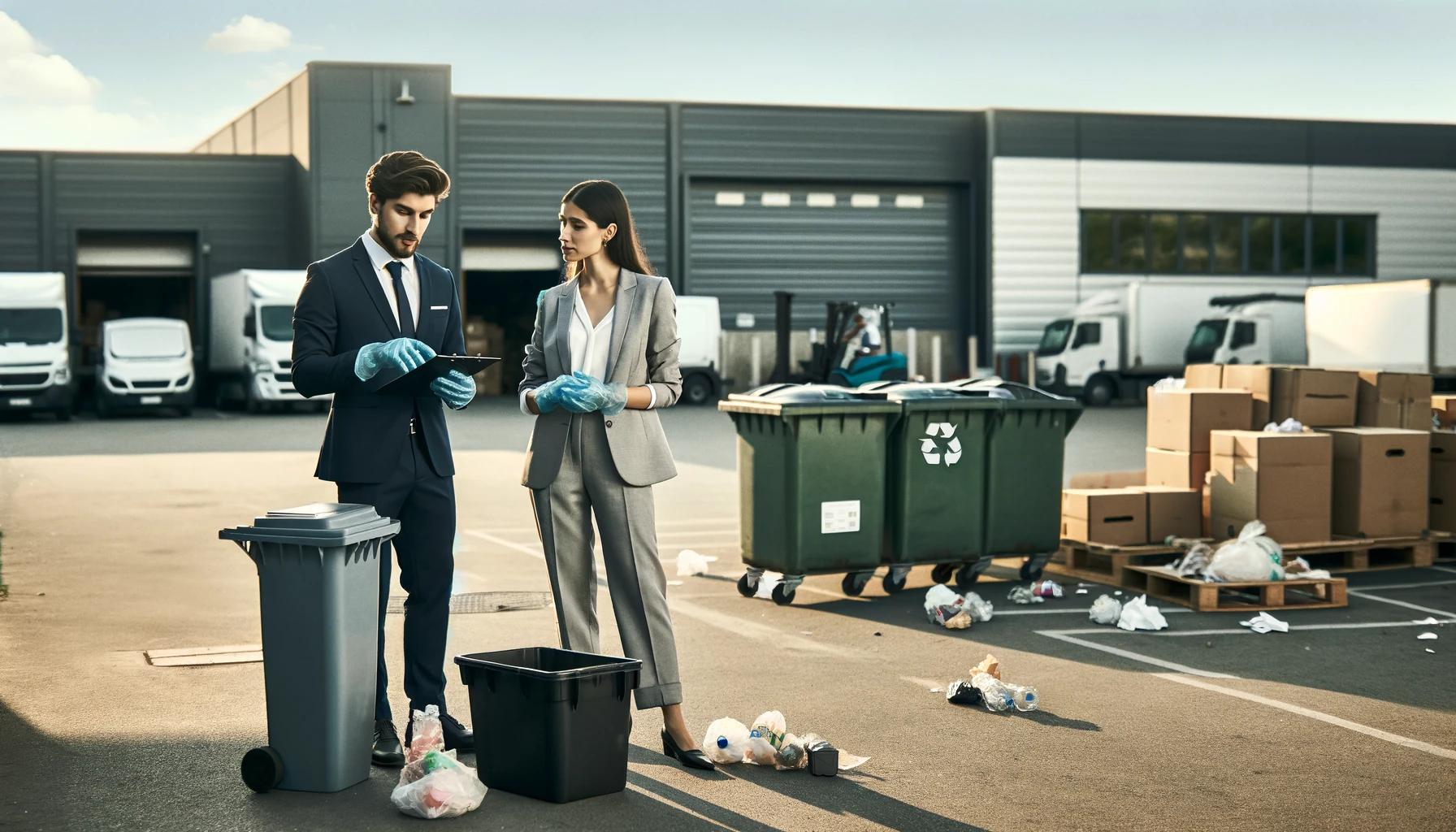
The landscape for businesses is rapidly transforming, driven by increasing environmental concerns and consumer demand for greater accountability. Understanding and proactively preparing for future regulations concerning product destruction is no longer optional but a critical strategic imperative for long-term viability and responsible corporate citizenship.
| For landfill-free waste, recycling and product destruction services, including sorting, baling, shredding and compaction equipment, or to explore earning money from your recycling, contact Integrity Recycling Waste Solutions at (866) 651-4797. |
The Evolving Landscape of Product Destruction Regulations
The regulatory environment surrounding product destruction is undergoing a significant transformation, driven by an accelerating global commitment to sustainability, circular economy principles, and waste reduction. Businesses that fail to anticipate and adapt to these shifts risk not only significant financial penalties but also severe reputational damage. The era of quietly disposing of unsold, returned, or defective goods is drawing to a close, replaced by a demand for transparent, environmentally sound, and resource-efficient practices. This evolving landscape necessitates a deep understanding of current trends, foreseeable policy shifts, and the complexities of international regulatory alignment.
Current Regulatory Precedents and Drivers
Current regulations, while varied, often focus on specific waste streams or hazardous materials, such as e-waste directives, chemical disposal laws, or textile waste legislation. These existing frameworks provide a rudimentary precedent for broader regulations on product destruction. For instance, the EU’s Waste Electrical and Electronic Equipment (WEEE) Directive already mandates specific collection, treatment, recovery, and environmentally sound disposal procedures for electronic devices, preventing simple landfilling. Similarly, certain fashion industry initiatives, though not always legally binding, push for the discontinuation of physically destroying unsold inventory, signaling a shift in industry best practices that often precede formal regulation. The primary drivers behind these precedents are the palpable environmental crisis—landfill overflow, resource depletion, and pollution—coupled with growing public awareness and activist pressure. Consumers are increasingly scrutinizing corporate practices, demanding transparency and responsibility for the entire lifecycle of products. This pressure translates into political will, pushing governments to legislate minimum standards for waste management and resource efficiency. My personal analysis suggests that these scattered regulations are merely the precursors to a more holistic approach, where the “end-of-life” of all products, regardless of their original intent, comes under greater governmental purview, driven by a global narrative of resource scarcity and climate action. The days of simply throwing things away are numbered; the future demands a demonstrated effort towards reuse, repair, recycling, or ethical product destruction as a last resort. Businesses currently navigating a patchwork of waste laws will soon face a consolidated, more stringent set of rules specifically targeting the act of purposefully destroying products.
The economic implications of poor waste management practices are also gaining traction as a regulatory driver. Governments are recognizing that product destruction represents a colossal loss of embedded resources – energy, water, raw materials, and labor – which could otherwise be recaptured and reused. This economic inefficiency is increasingly being framed as a societal cost, justifying regulatory intervention. For example, directives in some regions are beginning to impose extended producer responsibility (EPR) schemes, making manufacturers financially and operationally responsible for the entire lifecycle of their products, including their disposal. This shifts the burden from municipalities to corporations, incentivizing them to design products that are more durable, repairable, and recyclable, thereby reducing the need for outright product destruction. From a strategic standpoint, businesses that proactively embrace these EPR principles, even before they become universally mandated, stand to gain a significant competitive advantage. They can build internal expertise in reverse logistics, material recovery, and sustainable design, which will be invaluable as regulations tighten. My creative insight here is that the future of product destruction will be less about the “how” and more about the “why” – regulators will increasingly question why a product needs to be destroyed in the first place, pushing businesses towards innovation in product design and supply chain management that minimizes waste from inception. This holistic view, encompassing design, production, use, and disposal, is the backbone of the circular economy principles that are driving legislative change.
Finally, the ethical dimension of product destruction has emerged as a significant driver. High-profile cases of luxury brands burning unsold goods to maintain exclusivity, or retailers landfilling perfectly usable apparel, have ignited public outrage. This moral disapproval translates into calls for stricter regulations, pushing for laws that prioritize donation, reuse, or recycling over outright destruction. Beyond a simple public relations crisis, these scandals underscore a fundamental misalignment between corporate practices and societal values regarding waste and resource stewardship. Governments are responding by exploring measures such as mandatory donation requirements for unsold goods, particularly in sectors like food and fashion, or outright bans on certain forms of product destruction for specific categories of products. This shift implies that businesses must not only comply with environmental regulations but also meet a higher ethical standard in their disposal practices. My personal analysis suggests that this ethical pressure will be a powerful catalyst for regulatory change, potentially moving faster than purely environmental or economic drivers, given its direct impact on public sentiment and brand trust. Businesses that demonstrate a genuine commitment to ethical product destruction – or better yet, its avoidance – will build stronger stakeholder relationships and a more resilient brand in the long run. The ethical considerations around product destruction are not just about optics; they are about embedding core values of responsibility and sustainability into business operations.
Anticipated Shifts in Policy and Enforcement
Looking ahead, we can anticipate several significant shifts in policy and enforcement regarding product destruction. First, there will likely be a move from fragmented, sector-specific regulations to more comprehensive, cross-sectoral legislation. This means that a blanket ban on the product destruction of unsold or returned goods, common in certain European countries for specific items like textiles, could expand to a wider range of industries and product categories. For instance, electronics, furniture, or even certain packaged goods that are currently simply discarded could soon fall under similar mandates. This expansion will require businesses to adopt a more holistic view of their entire product portfolio’s end-of-life possibilities rather than managing disposal on a piecemeal basis. My creative insight is that this cross-sectoral approach will incentivize the development of universal standards for material recovery and circularity, pushing companies to think beyond their immediate supply chain and collaborate on regional or national recycling and reuse infrastructure. This broader regulatory scope means that companies can no longer rely on obscurity or the fragmented nature of current laws to justify destructive disposal practices. Instead, a more unified regulatory front will demand cohesive strategies for product destruction management across all product lines.
Secondly, we can expect a significant uptick in enforcement mechanisms and penalties. Currently, non-compliance with waste regulations can result in fines, but future regulations on product destruction are likely to include more severe penalties, potentially even criminal charges for egregious violations, similar to high-stakes environmental crimes. This tightening of enforcement will be accompanied by enhanced transparency requirements, compelling businesses to report not just on their product sales and production, but also on their disposal volumes and methods. Digital tracking technologies, such as blockchain or advanced RFID, could become mandatory tools for demonstrating compliance, providing an immutable record of a product’s journey from manufacturing to disposal. This level of granular visibility will make it far more difficult for companies to obscure or misrepresent their product destruction practices. My personal analysis highlights that this increased scrutiny will necessitate a shift from reactive compliance to proactive risk management. Businesses will need to invest in robust internal audit capabilities and compliance teams specifically dedicated to navigating these complex new regulations, ensuring every discarded item is accounted for and handled appropriately. The days of simply paying a fine and moving on will be replaced by a more accountability-driven system, where reputational and legal risks are far higher for non-compliance regarding product destruction.
Finally, future policies are likely to place a much stronger emphasis on the hierarchy of waste management, effectively pushing product destruction to the absolute bottom of acceptable practices. This hierarchy typically promotes prevention, then reuse, repair, recycling, and only as a last resort, disposal. Regulations will enshrine this hierarchy, incentivizing businesses through tax breaks or subsidies for adopting higher-tier practices, while imposing penalties or outright bans on lower-tier options like destruction. For example, instead of allowing a company to destroy unsellable textiles, the regulation might mandate that they be donated, repurposed, or recycled, with product destruction only permissible if none of these options are feasible and demonstrable. This shift implies a significant redesign of business operations, requiring companies to establish robust systems for reverse logistics, product analysis, and materials reprocessing. My creative insight here is that companies that embrace this hierarchy early will not only comply with future laws but also unlock new revenue streams from material recovery and remanufacturing, turning a regulatory burden into a business opportunity. The core tenet will be that product destruction is an indicator of systemic failure – a failure to design, produce, or manage products efficiently – and regulations will be designed to eliminate this failure point wherever possible, making sustainable disposal the exception, not the rule.
Global Harmonization and Divergence
The global regulatory landscape concerning product destruction presents a complex picture of both harmonization and divergence. On one hand, there’s a clear trend towards greater international alignment, particularly driven by large economic blocs like the European Union. The EU’s ambitious Circular Economy Action Plan, for instance, aims to reduce waste and promote resource efficiency across all member states, influencing product destruction practices through measures like the Eco-design Directive and proposals for mandatory product durability. These initiatives often set a precedent that other nations or trading blocs may eventually adopt, either to facilitate trade or to meet shared environmental goals. International agreements and organizations, such as the United Nations Environment Programme (UNEP), also play a role in fostering common principles and best practices for waste management, which implicitly touch upon product destruction. Businesses operating across multiple jurisdictions will increasingly benefit from anticipating these harmonized principles, rather than managing a myriad of disparate local regulations. My personal analysis suggests that this harmonization is particularly evident in sectors with long and complex supply chains, like electronics or automotive, where consistency across borders simplifies compliance and logistics. The push for a global standard related to product destruction stems from the recognition that waste and pollution do not respect national borders.
However, despite this push for harmonization, significant divergence in specific implementation and enforcement approaches will persist. Different countries have varying legal traditions, economic priorities, and levels of environmental awareness. For example, while European nations might lead with outright bans on product destruction for certain goods, countries in other regions might prioritize different aspects, such as addressing plastic pollution or specific hazardous waste streams. Some emerging economies might focus on establishing basic waste management infrastructure before tackling the finer points of product destruction regulation. This divergence creates a challenging compliance environment for multinational corporations, requiring them to constantly monitor legislative developments in each market they operate within. It’s not simply a matter of adopting the strictest standard globally; a nuanced understanding of local enforcement priorities and cultural contexts is crucial. My creative insight is that this divergence will also present opportunities for innovation in localized solutions. A technology or process developed to responsibly handle product destruction in a resource-scarce region might be adaptable for use in a highly regulated market seeking innovative waste solutions. The key for multinational companies will be to establish a flexible compliance framework that can adapt to both universal principles and specific local requirements, treating product destruction not as a standalone issue, but as an integral part of product lifecycle management tailored to geographical contexts.
Furthermore, economic development levels often influence the scope and strictness of product destruction regulations. Developed economies, with their more established waste management infrastructure and greater public consciousness, are more likely to implement stringent measures, including outright prohibitions on certain disposal methods. Developing economies, while recognizing the importance of sustainable waste management, might face challenges in adopting equally strict regulations due to resource constraints, competing development priorities, or informal waste sectors. This can lead to situations where products that cannot be destroyed in one market are legitimately disposed of in another with weaker regulations, creating a potential for “waste tourism” or ethical dilemmas for companies. The pressure from consumers and investors for transparent and ethical supply chains, however, is increasingly pushing companies to adopt their highest internal sustainability standards across all their global operations, regardless of local regulatory minimums concerning product destruction. This internal commitment to responsible product destruction practices, even in the absence of stringent local laws, is becoming a hallmark of leading companies. My personal analysis is that while global regulatory divergence will remain a reality for the foreseeable future, the accelerating trend towards voluntary corporate responsibility and consumer demand for ethical sourcing will ultimately push global product destruction standards upwards, regardless of the varying pace of governmental legislation. This proactive stance is not just good for reputation; it builds a more resilient and future-proof supply chain, decoupling it from the vulnerabilities of varied regulatory landscapes.
| For landfill-free waste, recycling and product destruction services, including sorting, baling, shredding and compaction equipment, or to explore earning money from your recycling, contact Integrity Recycling Waste Solutions at (866) 651-4797. |
Economic and Operational Impacts of Enhanced Regulations
The impending wave of enhanced regulations on product destruction will reverberate significantly throughout business operations, impacting everything from balance sheets to supply chain designs. Far from being a mere compliance headache, these regulations represent a fundamental shift in how businesses must conceptualize product lifecycle management. The economic and operational implications are substantial, demanding strategic foresight and investment to transform what was once a relatively simple disposal process into a complex web of recovery, reuse, and responsible management. Failure to adapt will not only incur penalties but will also lead to lost opportunities for resource efficiency and cost savings.
Cost Implications of Compliance and Non-Compliance
The financial impact of future product destruction regulations will be multifaceted, encompassing both compliance costs and the potentially crippling costs of non-compliance. Compliance involves significant upfront investments in new processes, technologies, and personnel. For instance, businesses will need to invest in advanced sorting and recycling infrastructure, establish robust reverse logistics networks for product returns and end-of-life collection, and potentially redesign products for easier disassembly and material recovery. This may include expenditures on specialized equipment for product destruction that ensures minimal environmental impact, or even the development of internal capabilities for repair and refurbishment. Training staff in new handling procedures, data reporting, and regulatory understanding will also add to operational expenses. Furthermore, the shift away from simple landfilling or incineration to more complex recovery methods will likely increase per-unit disposal costs in the short term, as specialized recycling processes or donation logistics can be more expensive than traditional waste management. My personal analysis is that while these initial costs can appear daunting, they should be viewed as strategic investments rather than pure expenses, enabling businesses to unlock long-term savings through material recirculation and reduced reliance on virgin resources, ultimately lowering the overall cost of product destruction over time. The careful allocation of capital here will be critical.
Conversely, the costs of non-compliance with these future product destruction regulations could be astronomical. Beyond the obvious financial penalties, which are likely to become far more severe and pervasive, businesses face significant indirect costs. Reputational damage from being identified as a company that engages in irresponsible product destruction can lead to consumer boycotts, loss of brand loyalty, and increased scrutiny from investors and regulatory bodies. This can erode market share and shareholder value. Legal battles, class-action lawsuits, and increased insurance premiums related to environmental liabilities are also real possibilities. Furthermore, the operational disruption caused by regulatory enforcement actions, such as forced shutdowns or embargoes on product sales, can severely impact revenue streams and supply chain continuity. My creative insight is that non-compliance also represents a massive opportunity cost: the failure to innovate in circularity means missing out on the potential to develop new revenue streams from recycled content, refurbished products, or even waste-as-a-resource models. This strategic oversight could leave a business lagging behind competitors who proactively embraced sustainable product destruction practices. The true cost of non-compliance is not just the fine, but the fundamental erosion of a company’s license to operate and compete in the modern economy.
Ultimately, businesses must conduct thorough cost-benefit analyses to understand the full financial implications of these regulatory shifts. This involves not only tallying compliance expenses but also quantifying the potential risks of non-compliance and identifying opportunities for value creation through improved resource management. Strategies could include investing in modular product design to facilitate easier repair and part replacement, thereby reducing the volume of products needing product destruction. Another approach might be to explore partnerships with specialized recycling firms or non-profits for donation and reuse, leveraging external expertise to manage end-of-life products more efficiently. The long-term economic winners will be those who integrate responsible product destruction into their core business strategy, transforming it from a cost center into a potential source of competitive advantage. This requires a shift in mindset: seeing waste, or products previously destined for destruction, not as an inevitable endpoint, but as a valuable resource stream awaiting re-entry into the economy. The total cost of product destruction can be minimized through smart design upfront and robust circular processes downstream.
Supply Chain Resilience and Adaptability
The shift towards stricter product destruction regulations will fundamentally challenge the resilience and adaptability of existing supply chains. Historically, supply chains have been optimized for linear flows: raw materials to production, then to distribution, and finally to sale. The endpoint for unsold, returned, or defective goods was often a landfill or incineration plant, with minimal consideration for onward value. Future regulations demand a circular approach, necessitating the development of robust reverse logistics capabilities. This means designing systems to efficiently collect products back from consumers or retailers, assess their condition, and route them for repair, refurbishment, recycling, or ethical product destruction. This reverse flow is inherently more complex than forward logistics, involving varied product conditions, diverse collection points, and specialized handling requirements. Businesses that lack the infrastructure or expertise to manage this will find their supply chains brittle and unable to cope with the demands of circularity, making ethical product destruction or its avoidance a major challenge. My personal analysis suggests that companies will need to invest in sophisticated IT systems for tracking materials and products throughout their entire lifecycle, enabling efficient retrieval and categorization, a critical step before attempting any form of product destruction or recycling.
The adaptability of a supply chain in this new regulatory environment hinges on several key factors. First, design for circularity becomes paramount. Products must be conceived with their end-of-life in mind, using materials that are easily separable and recyclable, and designing components for repair or reuse. This upstream shift significantly reduces the volume and complexity of product destruction required downstream. Second, establishing strong relationships with third-party logistics (3PL) providers specialized in reverse logistics and waste management will be crucial. These partners can offer expertise and infrastructure that many businesses may not possess internally, aiding in the compliant and efficient handling of products destined for various end-of-life pathways, including specialized product destruction when absolutely necessary. Third, developing agile internal processes for decision-making regarding product disposition will be vital. Instead of a blanket policy for product destruction, companies will need to quickly evaluate each returned or unsold item for its highest value recovery potential, whether that’s resale, repair, component harvesting, or material recycling. This agility fosters resilience against shifting regulations and market demands. My creative insight here is that the most resilient supply chains will be those that view waste, or items previously slated for product destruction, as a strategic resource rather than a liability, integrating its management directly into their core operational planning and leveraging it for potential competitive advantage.
Ultimately, enhanced product destruction regulations will pressure businesses to move away from a purely cost-driven supply chain model to one that prioritizes sustainability and resource efficiency. This transition offers an opportunity to build more robust and future-proof supply chains. By reducing reliance on finite virgin resources, minimizing waste, and demonstrating responsible stewardship, companies can mitigate supply chain risks associated with resource scarcity and regulatory pressures. Furthermore, a highly adaptable supply chain, capable of managing both forward and reverse flows, will be in a better position to respond to unforeseen disruptions, whether they are regulatory shifts, natural disasters, or changes in consumer demand. The ability to reclaim, repair, and reuse components means a business is less dependent on external suppliers for key raw materials, enhancing its self-sufficiency and mitigating the risks associated with global supply chain volatility. The long-term success of businesses will be intrinsically linked to their ability to transform their supply chain from linear to circular, where product destruction is a last resort, never the default.
Leveraging Technology for Sustainable Destruction
Technology will play a pivotal role in enabling compliant and sustainable product destruction, or more accurately, in minimizing the need for it while ensuring that when destruction is unavoidable, it is performed with the utmost environmental responsibility. Advanced material identification technologies, such as hyperspectral imaging or AI-powered sorting robots, can accurately identify the composition of complex products, enabling efficient segregation of materials for recycling or reuse. This is critical because effective recycling hinges on pure material streams. For instance, a returned electronic device could be rapidly scanned to determine if its components can be harvested for refurbishment, or if specific metals can be extracted, making the product destruction that follows more valuable. Data analytics and machine learning will be crucial for predicting product demand fluctuations, optimizing inventory levels to reduce overproduction, and identifying trends in returns and defects, thereby tackling the root causes of excess inventory that often leads to product destruction. My personal analysis is that the real power of technology here lies in its ability to provide actionable intelligence, moving businesses from reactive disposal to proactive prevention, where product destruction becomes a rarity.
Beyond prevention and optimization, technology is also transforming the product destruction process itself. For items that absolutely cannot be reused or recycled due to safety, intellectual property, or functional reasons, specialized destruction technologies are emerging that minimize environmental impact. This could involve secure data destruction methods for electronics to protect privacy before physical destruction, or advanced shredding and material separation techniques that prepare materials for subsequent recycling while ensuring brand integrity. For example, some textile recycling technologies use chemical processes to break down fabrics into their original polymer components, which can then be used to create new fibers – effectively a high-tech form of product destruction that simultaneously enables circularity. Furthermore, blockchain technology can provide an immutable, transparent record of a product’s journey from production to destruction or recycling, offering irrefutable proof of compliance with regulations, ethical sourcing, and responsible disposal. This level of traceability builds trust with regulators and consumers, demonstrating a commitment to responsible product destruction. My creative insight is that wearable tech and IoT sensors embedded in products could provide real-time data on product degradation and usage, informing more precise and timely end-of-life decisions, further optimizing the balance between product lifespan and necessary product destruction.
The strategic deployment of these technologies requires careful planning and investment. Businesses need to assess their current waste streams, identify bottlenecks in their existing product destruction processes, and pinpoint where technological solutions can yield the greatest impact. This might involve pilot programs with new sorting technologies, partnerships with waste-tech startups, or internal development of predictive analytics capabilities. The goal is not merely to comply with new regulations but to leverage technology to gain efficiency, reduce costs associated with waste, and enhance brand reputation. By embracing these advancements, companies can transform the challenge of future product destruction regulations into an opportunity for innovation, operational excellence, and leadership in sustainable business practices. The future of product destruction, or its avoidance, is inextricably linked to the intelligent application of cutting-edge technology, ensuring that every destroyed item, if inevitable, is handled with maximum responsibility and minimum environmental harm.
| For landfill-free waste, recycling and product destruction services, including sorting, baling, shredding and compaction equipment, or to explore earning money from your recycling, contact Integrity Recycling Waste Solutions at (866) 651-4797. |
Strategic Imperatives for Proactive Businesses
In anticipation of more rigorous regulations concerning product destruction, proactive businesses must recognize that merely reacting to new laws will be insufficient. A strategic shift is necessary, embedding responsible product end-of-life management into the core of their business model. This requires a comprehensive rethinking of product design, supply chain operations, and organizational culture. The imperative is to move beyond compliance to embrace leadership in circularity and sustainability, transforming potential liabilities into opportunities for innovation, cost savings, and enhanced brand value.
Redesigning Product Lifecycles for Circularity
The most powerful strategic imperative in preparing for product destruction regulations is to fundamentally redesign product lifecycles with circularity in mind. This means moving away from the traditional linear “take-make-dispose” model and embracing principles that prioritize longevity, reuse, repair, and recycling from the outset. Design choices made at the inception of a product determine up to 80% of its environmental impact, and critically, its potential for reuse or recycling. This includes selecting materials that are durable, non-toxic, and easily separable at end-of-life. For example, using single-material components instead of mixed composites, or designing products with modular parts that can be easily replaced or upgraded, greatly reduces the likelihood of complex product destruction and enhances material recovery. This proactive design approach directly minimizes the volume of products that eventually become waste. My personal analysis suggests that this upstream intervention is far more effective and cost-efficient than trying to manage product destruction after a product has already entered the market; prevention, in this case, is truly better than cure, significantly reducing the burden of future product destruction regulations.
Beyond material selection, circular design also encompasses optimizing product use and lifespan. This involves designing products that are easily repairable, providing access to spare parts, and offering repair services. Companies like Patagonia have built strong brands around this principle, encouraging customers to repair rather than replace. This extends product utility, delaying the point at which product destruction becomes a consideration. Furthermore, businesses can explore product-as-a-service models, where customers lease products instead of owning them. This shifts ownership and responsibility for end-of-life management back to the manufacturer, creating a strong incentive to design for durability and ease of recovery. For example, lighting companies might sell “light” as a service, maintaining and upgrading fixtures, thereby reclaiming materials at the end of their service life and avoiding unnecessary product destruction. My creative insight here is that such models foster a deeper, ongoing relationship with the customer, offering opportunities for continuous improvement based on real-world usage data, which can further refine design for longevity and resource efficiency, making product destruction an increasingly rare outcome.
The following table outlines key design strategies for circularity and their impact on product destruction:
| Circular Design Strategy | Description | Impact on Product Destruction |
|---|---|---|
| Design for Durability | Creating products with robust materials and construction to ensure a long lifespan. | Directly reduces the frequency of replacement and thus the volume of products requiring any form of end-of-life management, including product destruction. Less frequent purchase means less frequent disposal. |
| Design for Repairability | Ensuring products can be easily fixed when broken, by making parts accessible, using standard fasteners, and providing repair guides/services. | Extends product utility, keeping items in use longer. Significantly reduces the need for premature product destruction due to minor malfunctions. |
| Design for Modularity/Upgradability | Using interchangeable components or systems that allow for easy upgrades or replacements of specific parts rather than the entire product. | Allows products to adapt to new technologies or user needs. Reduces the complete replacement cycle and therefore the total instances of product destruction for technological obsolescence. |
| Design for Disassembly | Engineering products so they can be easily taken apart at end-of-life to separate materials for recycling or components for reuse. | Crucial for efficient material recovery. While some product destruction might still occur (e.g., shredding), it’s targeted and maximizes valuable material yield, reducing waste sent to landfill. |
| Material Selection | Choosing materials that are non-toxic, renewable, recycled content, and easily recyclable or compostable. Avoiding complex material mixes. | Simplifies recycling processes and reduces the environmental footprint of any necessary product destruction. Creates a more valuable post-destruction material stream. |
| Product-as-a-Service (PaaS) | Shifting from selling products to providing service. Manufacturer retains ownership and responsibility for product lifecycle. | Incentivizes manufacturers to design highly durable and recyclable products as they bear the end-of-life cost. Minimizes product destruction by maximizing asset utilization and recovery. |
Building Robust Traceability and Reporting Systems
As product destruction becomes a closely scrutinized aspect of business operations, building robust traceability and reporting systems is no longer a luxury but a fundamental necessity. Future regulations will demand greater transparency regarding how companies manage their end-of-life products, particularly those destined for destruction. This requires comprehensive systems that can track every product, or at least every batch, from its point of entry into the supply chain through its entire lifecycle, up to its ultimate disposition – whether it’s sold, returned, repaired, recycled, or destroyed. Implementing unique product identifiers (e.g., serial numbers, RFID tags) and integrating them with sophisticated database management systems is crucial. This level of granular tracking ensures accountability and provides regulators with verifiable data on product destruction volumes and methods. My personal analysis is that relying on manual spreadsheets or fragmented data silos will be insufficient; a unified, digital platform capable of real-time data capture and analysis will be essential.
The scope of these reporting systems will also expand. Beyond simply stating “products destroyed,” companies will likely need to report on the specific reasons for product destruction (e.g., irreparable damage, obsolescence due to non-compliance), the methods used (e.g., shredding, chemical neutralization), the quantities involved, and the subsequent fate of any recovered materials. This detailed reporting will enable regulators to identify patterns, pinpoint areas where product destruction is excessive, and potentially implement targeted interventions or incentives. Furthermore, these systems should be capable of generating audited reports to demonstrate compliance, offering immutable proof of responsible practices. Blockchain technology, for instance, offers a promising solution for creating tamper-proof records of product movements and disposal events, enhancing trust and transparency by verifying the integrity of the data related to product destruction. My creative insight is that such comprehensive data could also feed back into product design and production processes, creating an invaluable feedback loop that highlights product failure rates, longevity issues, or material incompatibility for recycling, thereby proactively reducing volumes that might necessitate future product destruction.
The benefits of building such robust traceability and reporting systems extend beyond mere compliance. Internally, they provide invaluable insights into inventory management, product quality issues, and reverse logistics efficiency. By precisely identifying why products are being returned or are unsellable, businesses can address root causes, optimize production, reduce waste, and ultimately minimize the need for product destruction. Externally, transparent reporting builds trust with consumers, investors, and other stakeholders who increasingly demand corporate responsibility. A company that can verifiably demonstrate its commitment to ethical product destruction practices (or its avoidance) gains a significant reputational advantage. Investing in these systems now will not only prepare businesses for impending regulations but also unlock operational efficiencies and strengthen brand credibility in a world that values transparency and sustainability, transforming the challenge of managing product destruction into an opportunity for strategic leadership.
Cultivating a Culture of Responsible Stewardship
Perhaps the most profound strategic imperative for preparing for future product destruction regulations is cultivating a deeply embedded culture of responsible stewardship throughout the entire organization. Regulations provide the framework, but true change stems from an internal commitment to ethical and sustainable practices. This means moving beyond a compliance-only mindset, where product destruction is treated as a necessary evil to be minimized, to one where every employee understands their role in preventing waste and maximizing resource value. It begins at the top, with leadership unequivocally championing sustainability and circularity as core business values. This commitment must then cascade downwards, influencing decision-making at every level, from product designers to operations managers to sales teams. My personal analysis highlights that without this cultural shift, even the most sophisticated systems and technologies will fall short, as human behavior and ingrained practices often dictate the actual disposal outcomes.
Cultivating this culture involves several key elements. Firstly, education and training are crucial. Employees need to understand the environmental and social impact of product destruction, the new regulatory landscape, and the company’s specific policies and goals regarding waste reduction and circularity. This includes training on proper sorting, handling, and disposition procedures for returns and excess inventory. Secondly, incentivization and accountability are vital. Performance metrics should be linked not just to sales or cost reduction, but also to metrics like waste reduction, material recovery rates, and the minimization of product destruction. Employees should be empowered to identify opportunities for improvement and rewarded for innovative solutions that reduce waste. For example, a warehouse manager who finds a way to repurpose unsellable goods instead of immediately resorting to product destruction should be recognized. My creative insight is that regular “waste audits” or “circularity challenges” could be introduced, turning the management of product destruction into a collaborative, problem-solving, and even competitive endeavor within the company, fostering continuous improvement.
Finally, fostering a culture of responsible stewardship demands open communication and transparency. Internally, this means sharing progress and challenges with employees, celebrating successes, and learning from failures. Externally, it involves transparently communicating the company’s efforts and commitments regarding product destruction to customers, investors, and the public. This builds trust and demonstrates genuine dedication, distinguishing the company from competitors who might still view product destruction as a convenient default. Ultimately, a strong culture of stewardship turns employees into advocates for sustainable practices, ensuring that the company’s response to product destruction regulations is not just about meeting minimum requirements but about leading the industry towards a more sustainable future. This deep-seated commitment becomes a competitive advantage, attracting talent, winning over conscious consumers, and building long-term resilience against evolving regulatory pressures on product destruction.
Navigating the Ethical and Reputational Dimensions
The future of product destruction is not solely a matter of legal compliance or operational efficiency; it is fundamentally intertwined with a company’s ethical standing and public reputation. In an increasingly interconnected and transparent world, how businesses manage their unsold, returned, or defective goods has become a lightning rod for public scrutiny. Navigating this dimension requires proactive engagement withstakeholders and a genuine commitment to ethical practices in product destruction. Companies must recognize that their actions—or inactions—can lead to significant reputational risks or opportunities. As consumers become increasingly aware of the environmental impacts of waste, businesses are under pressure to demonstrate responsible stewardship.
Understanding Stakeholder Expectations
Navigating the ethical landscape of product destruction necessitates a clear understanding of stakeholder expectations. Consumers, investors, regulators, and communities all have differing yet interconnected needs and concerns regarding sustainability and ethical practices.
The Consumer Perspective
Today’s consumers are more informed and conscientious than ever before. They actively seek out brands that align with their values, especially concerning environmental responsibility. This means they are likely to scrutinize how companies handle unsellable goods or returns.
Consumers often make purchasing decisions based not only on product quality but also on a brand’s ethics and sustainability practices. For example, brands that openly communicate their commitment to reducing waste and responsibly managing product destruction can attract environmentally conscious buyers. Engaging with consumers through storytelling—sharing how products are designed for longevity or how waste is minimized—can create strong emotional connections. When consumers feel connected to a brand’s mission, they’re more likely to remain loyal, even in competitive markets.
Investor Scrutiny
Investors are increasingly incorporating Environmental, Social, and Governance (ESG) criteria into their decision-making processes. A company’s approach to product destruction directly reflects its sustainability ethos and risk management strategies. Investors want assurance that businesses are actively mitigating waste and complying with regulations, as these factors can influence long-term profitability and reputational resilience.
As companies face potential regulatory changes around product destruction, investors will be watching closely. A robust strategy that addresses sustainability and ethical disposal of products can signal financial prudence and forward-thinking leadership, potentially attracting more investments. Conversely, a lack of transparency or an outdated approach to waste management can deter potential investors.
Community Relations
Corporate reputation extends into local communities where businesses operate. Communities today expect companies to take active roles in minimizing environmental impacts and contributing positively to social welfare. Effective communication about sustainable practices, including responsible product destruction, can enhance community relations.
By partnering with local organizations or participating in community initiatives focused on waste reduction, businesses can demonstrate their commitment to ethical practices. Openly discussing how returned or defective products are handled fosters goodwill and strengthens a company’s standing in the community. These relationships can serve as both a buffer against negative perceptions and a platform for collaborative solutions to waste-related challenges.
Developing Ethical Guidelines for Product Destruction
To effectively navigate the ethical and reputational dimensions of product destruction, companies need to establish clear guidelines that govern their practices. This involves creating a framework that aligns with their core values while addressing stakeholder concerns.
Creating a Sustainability Policy
A well-defined sustainability policy forms the backbone of ethical product destruction. This policy should outline the company’s commitment to minimizing waste, adhering to environmental standards, and embracing circular economy principles. By establishing concrete goals—such as reducing overall waste by a certain percentage or increasing recycling rates—companies provide a measurable path towards accountability.
This policy should also encompass the methods of product destruction, detailing how and why specific methods are chosen. For instance, opting for recycling over incineration should be justified within the context of resource recovery and environmental impact. Transparency in these practices allows stakeholders to understand not just what is done—but why it matters.
Implementing Training Programs
Beyond creating a policy, effective implementation requires training programs that educate employees about ethical practices concerning product destruction. Employees at all levels should understand the implications of waste and the importance of compliance with established guidelines.
Training can involve workshops, seminars, or e-learning modules covering topics such as sustainability, responsible disposal methods, and the benefits of reducing waste. Encouraging employees to engage in best practices fosters a culture of shared responsibility and ensures that everyone feels empowered to make impactful choices.
Leveraging Technology for Ethical Accountability
The advancements in technology offer innovative solutions to enhance ethical accountability in product destruction. Implementing systems that track, manage, and report on disposal methods can provide the transparency necessary to gain stakeholder trust.
Utilizing Blockchain for Transparency
One powerful tool is blockchain technology, which can create immutable records of every step involved in the product lifecycle, from production to disposal. By logging each instance of product destruction, companies can provide verifiable evidence that demonstrates compliance with regulatory standards and internal policies.
Blockchain not only enhances transparency but also builds consumer trust. When customers see that a company utilizes cutting-edge technology to ensure responsible practices, it reinforces their belief in that brand’s commitment to ethical standards.
Measurement Tools for Impact Assessment
In addition to tracking technologies, measurement tools can be developed to assess the environmental impact of product destruction practices. By quantifying metrics like carbon emissions linked to disposal methods or resource recovery rates, companies can evaluate performance and identify areas for improvement.
These insights can further inform corporate strategy, driving the development of initiatives aimed at reducing waste and enhancing sustainability. Moreover, sharing these findings with stakeholders can reinforce a brand’s dedication to ethical practices, solidifying its position as a leader in responsible product destruction.
Conclusion
As businesses prepare for evolving regulations surrounding product destruction, it is essential to navigate the ethical and reputational dimensions of this complex issue. Understanding stakeholder expectations, developing robust ethical guidelines, and leveraging technology for transparency will not only mitigate risks but also foster trust and loyalty among consumers and investors alike. By embedding a culture of responsible stewardship and aligning company operations with positive environmental practices, businesses can transform the challenge of product destruction into an opportunity for strategic advantage, ultimately positioning themselves as leaders in sustainability and corporate responsibility.
| For landfill-free waste, recycling and product destruction services, including sorting, baling, shredding and compaction equipment, or to explore earning money from your recycling, contact Integrity Recycling Waste Solutions at (866) 651-4797. |