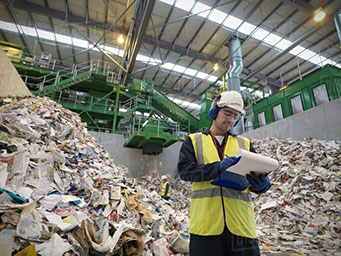
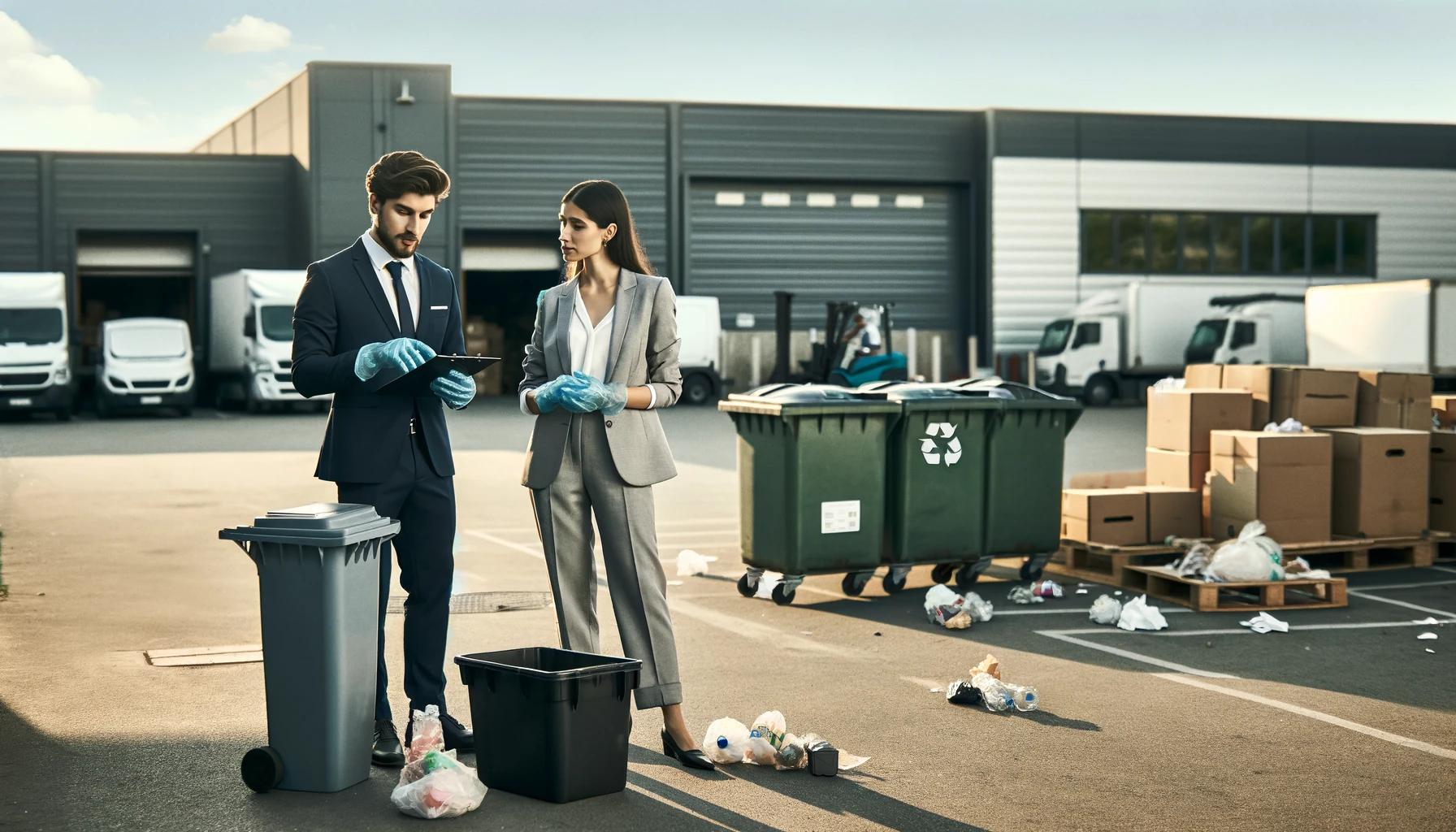
The widespread practice of product destruction, often involving vast quantities of new, unsold, or returned goods, presents a complex and troubling challenge to global sustainability efforts. This process, which can range from incineration to landfill disposal, directly contradicts the principles of resource efficiency, waste reduction, and circular economic models, forcing a critical examination of its motivations, impacts, and potential alternatives in a world striving for environmental and social responsibility.
| For landfill-free waste, recycling and product destruction services, including sorting, baling, shredding and compaction equipment, or to explore earning money from your recycling, contact Integrity Recycling Waste Solutions at (866) 651-4797. |
The Paradox of Product Destruction in a Sustainable World
The concept of product destruction stands in stark contrast to the urgent global imperative for sustainability. In an era where resource scarcity, climate change, and pollution are at the forefront of environmental concerns, the deliberate destruction of perfectly functional goods represents a significant paradox. This act not only squanders finite resources embedded in production but also generates further waste and emissions, undermining efforts towards a more circular and environmentally conscious economy. The motivations behind such practices, often rooted in economic strategies and brand protection, clash sharply with ethical considerations and the fundamental principles of ecological stewardship. Understanding this inherent contradiction is crucial to addressing the systemic issues that perpetuate such unsustainable behaviors.
Economic Drivers and Ethical Dilemmas
The primary drivers behind product destruction are deeply embedded in economic models that prioritize profit, brand value, and market control over environmental responsibility. Companies frequently destroy unsold inventory to prevent market saturation, maintain exclusivity, and protect their brand image, especially in sectors like luxury fashion, electronics, and fast-moving consumer goods. Selling surplus products at discounted prices, donating them, or even recycling them is often deemed less desirable than destruction, due to fears of devaluing the brand or creating grey markets that hurt future sales. This mindset, while rationalized through traditional business metrics, raises profound ethical questions about corporate social responsibility. The visible waste of perfectly good items, especially when contrasting with global needs and poverty, ignites moral outrage and highlights a significant disconnect between corporate practices and societal values. From a personal analysis, it feels counter-intuitive and almost immoral to destroy value when so much need exists, yet the corporate logic is undeniably powerful within current paradigms. The challenge lies in shifting these paradigms to incorporate a broader sense of value that encompasses ecological and social well-being.
Moreover, contractual obligations with retailers or distributors, along with the complexities of international trade laws, can also push companies towards destruction. Importing goods back to the country of origin for proper disposal or redistribution can be prohibitively expensive and logistically challenging, making local destruction the path of least resistance. This economic expediency, however, neglects the long-term environmental and social costs that are externalized onto society. The ethical dilemma is stark: does a company’s right to protect its brand and profit supersede its obligation to conserve resources and minimize waste? Public scrutiny and activist pressure are increasingly forcing a reckoning with these questions, pushing for greater transparency and accountability. The lack of standardized accounting for environmental costs further exacerbates this issue, as companies are not fully penalized for the full lifecycle impact of their products, making destruction seem economically viable in the short term.
The inherent conflict between short-term financial gains and long-term sustainability goals is a central theme in this dilemma. While destroying products might prevent price erosion and maintain brand perception in the immediate future, it erodes public trust and contributes to a broader culture of waste that fundamentally undermines the planet’s capacity to support future economic activity. This highlights a flaw in traditional economic thinking that often fails to quantify the true cost of resource depletion and environmental degradation. My own perspective is that true economic health should be inextricably linked to ecological health, and until this is widely embraced, the ethical quagmire of product destruction will continue to persist, challenging our collective conscience.
Environmental Ramifications and Resource Depletion
The environmental impact of product destruction is severe and multifaceted, extending far beyond the immediate act of disposal. Every product destroyed represents not only lost utility but also the squandering of all the resources, energy, and labor invested throughout its entire lifecycle—from raw material extraction and manufacturing to transportation and packaging. When products are sent to landfills, they contribute to overflowing waste sites, emitting potent greenhouse gases like methane as they decompose. Incineration, another common method, releases carbon dioxide and other harmful pollutants into the atmosphere, contributing to air pollution and climate change, even if some energy recovery occurs. The sheer volume of material involved means that pollution is not localized but has global implications.
Furthermore, the act of destruction necessitates the further extraction of virgin resources to replace the destroyed goods, perpetuating a linear “take-make-dispose” economic model. This exacerbates resource depletion, straining finite reserves of metals, minerals, oil, and water. The cumulative effect of this constant churn, where new products are made only to be destroyed, creates an insatiable demand for primary materials, often sourced from environmentally sensitive regions or through exploitative practices. The embedded energy, known as ’embodied energy,’ within these destroyed products is immense—the electricity used for manufacturing, the fuel for transportation, and the heat for processing materials are all wasted. This is not merely an aesthetic problem of waste; it is a fundamental thermodynamic inefficiency that undermines ecological stability.
The environmental burden is not just about waste generation but also about the ecosystem damage caused at every stage of the product lifecycle. Deforestation for paper products, habitat destruction for mineral extraction, and water pollution from industrial processes are all consequences that are effectively nullified when the end product is deliberately destroyed. This cycle of resource extraction, intensive manufacturing, and then deliberate waste generation profoundly impacts biodiversity, natural carbon sinks, and climate regulation. From an ecological standpoint, product destruction is an egregious example of human inefficiency and disregard for planetary boundaries. It underscores the urgent need for systemic shifts towards truly circular systems where products are kept in use for as long as possible, and their materials are continually cycled rather than being discarded.
Social Perceptions and Consumer Trust
The revelation of widespread product destruction practices has a significant impact on social perceptions and erodes consumer trust. In an increasingly conscious market, consumers are becoming more aware of corporate responsibility and environmental impacts. News reports or investigations detailing the shredding of luxury bags, the burning of designer clothes, or the landfilling of functional electronics often provoke public outrage and a sense of betrayal. This indignation stems from a perception of gross waste, especially in a world grappling with poverty, resource scarcity, and disposable income challenges. The visible destruction of new goods, when millions lack access to basic necessities, creates a stark moral contrast that resonates deeply with the public.
This negative publicity can severely damage a brand’s reputation, leading to boycotts, diminished sales, and a loss of customer loyalty. What was once a discreet business practice has, in the age of social media and rapid information dissemination, become a public relations nightmare. Transparency, once a buzzword, is now a critical expectation, and companies found engaging in such practices are often seen as hypocritical or callous, particularly if they simultaneously promote their sustainability initiatives. The irony of a brand touting its eco-friendly materials or carbon reduction goals while simultaneously destroying viable products is not lost on consumers, creating a significant trust deficit that is difficult to overcome. This highlights how corporate actions, no matter how justified by internal economic models, are increasingly judged by external ethical and environmental benchmarks.
Beyond brand-specific impacts, the normalized practice of product destruction can contribute to a broader societal acceptance of disposability, undermining collective efforts to foster a more sustainable consumer culture. If even new products are deemed disposable by their creators, it reinforces the idea that goods are transient, rather than valuable resources to be preserved and reused. This subtly influences consumer behavior, potentially reducing the perceived value of repair, second-hand markets, or thoughtful consumption. My personal observation is that this practice chips away at the very fabric of sustainable living, making it harder for individuals to adopt eco-conscious habits when systemic waste is so ingrained in the production process. Rebuilding consumer trust will require not only stopping product destruction but actively demonstrating commitment to transparent, responsible, and circular practices throughout the entire value chain.
Regulatory Responses and Policy Gaps
In response to growing public and environmental concerns, governments and international bodies have begun to explore and implement regulatory measures aimed at curbing or outright banning product destruction. Countries like France have been at the forefront, implementing laws that prohibit the destruction of unsold non-food items, requiring companies instead to reuse, donate, or recycle them. Such legislation reflects a growing recognition that market mechanisms alone are insufficient to address the systemic issue of waste and that legal frameworks are necessary to enforce more sustainable practices. These initial policies often target specific sectors, like textiles and electronics, which are known for high volumes of product destruction.
Despite these positive steps, significant policy gaps remain worldwide. Many countries still lack comprehensive legislation specifically addressing the destruction of goods, particularly across various product categories. Where laws do exist, enforcement can be challenging, and loopholes may allow companies to continue destructive practices under different guises or in jurisdictions with less stringent regulations. Furthermore, international trade agreements and varying national standards can complicate efforts to create a globally consistent approach to waste management and circularity. The sheer complexity of global supply chains means that a product might be manufactured in one country, sold in another, and returned in a third, making it difficult to apply a single regulatory framework comprehensively. This fragmented regulatory landscape allows for the continuation of unsustainable practices, as companies can often shift their operations to areas with more lenient rules.
The lack of robust Extended Producer Responsibility (EPR) schemes that genuinely hold producers accountable for the entire lifecycle of their products, including end-of-life management, is another critical gap. While some EPR schemes exist for certain product categories (e.g., electronics, packaging), they often do not explicitly prevent the destruction of new, unsold items. Policies need to move beyond end-of-life recycling and focus on preventing waste upstream, by incentivizing design for durability, repairability, and reuse, and by penalizing the destruction of functional goods. From my analytical perspective, effective regulation requires not just prohibition but also the creation of viable, economically attractive alternatives and strong incentives for circular business models. Without a coherent, robust, and globally coordinated regulatory framework, the problem of product destruction will persist as a significant hurdle on the path to true sustainability.
| For landfill-free waste, recycling and product destruction services, including sorting, baling, shredding and compaction equipment, or to explore earning money from your recycling, contact Integrity Recycling Waste Solutions at (866) 651-4797. |
Unveiling the Mechanisms and Motivations Behind Product Destruction
To effectively combat product destruction, it is essential to delve into the intricate mechanisms and underlying motivations that drive this paradoxical practice. This is not simply a matter of thoughtless waste but often a calculated decision born from complex business dynamics, market pressures, and logistical challenges. Understanding these facets provides crucial insights into why companies, despite increasing public pressure and environmental awareness, continue to engage in the destruction of valuable goods. By analyzing the various circumstances that lead to this outcome, we can better identify the leverage points for intervention and encourage the adoption of more sustainable alternatives.
Inventory Management and Brand Protection
At the heart of much product destruction lies the complex interplay of inventory management and brand protection strategies. Businesses, particularly in fashion and electronics, often operate with precise inventory models designed to maximize sales while minimizing holding costs and avoiding stockouts. However, forecasting consumer demand with perfect accuracy is virtually impossible, leading to overproduction or an accumulation of unsold goods at the end of a season or product cycle. These excess inventories represent significant financial burdens, incurring storage costs, insurance fees, and potential depreciation. For a company, liquidating these items through deep discounts can be perceived as detrimental, as it risks cannibalizing future full-price sales and teaching consumers to wait for markdowns, thereby eroding profit margins and brand value.
Beyond cost considerations, brand protection is a paramount motivator. Luxury brands, in particular, are intensely protective of their exclusivity and image. Selling unsold goods at reduced prices, donating them to charities, or allowing them into outlet stores can be seen as “diluting” the brand’s perception of high value and luxury. The fear is that if a brand’s products are widely available at lower price points, consumers will no longer perceive them as premium, thereby diminishing their aspirational appeal. This risk to brand equity is often deemed greater than the environmental or social cost of destruction. Moreover, companies may destroy items that are deemed defective, counterfeit, or pose a safety risk, although this category is typically a smaller portion of overall destruction. This strategic decision-making, while economically rational within a narrowly defined business model, clashes sharply with broader societal expectations of responsible resource management.
From a practical perspective, effective inventory management should preclude the need for widespread destruction. However, the dynamics of fast fashion and rapid technological cycles mean that products quickly become “old” or out of trend, making their value plummet rapidly. The challenge lies in developing more agile supply chains and demand forecasting tools that can minimize overproduction, and in culturally shifting the perception that discounting or donating goods necessarily devalues a brand. My personal analysis suggests that only by reframing brand value to include ethical and sustainable practices, rather than solely exclusivity, can this particular driver of destruction be truly addressed.
Planned Obsolescence and Consumerism
The phenomenon of planned obsolescence, a strategy where products are designed to have a limited lifespan or become quickly outdated, directly contributes to the volume of goods destined for product destruction. This practice encourages a cycle of continuous consumption, wherein consumers are prompted to replace items that are still functional but have been rendered unfashionable, incompatible, or simply unrepairable. From electronics with sealed components to clothing designed for a single season, the deliberate shortening of a product’s utility life means that more items are produced and, consequently, more become obsolete and disposed of. This drives up the volume of potential waste, increasing the likelihood that unsold or returned items will be destroyed rather than finding a second life.
Consumerism, fueled by marketing that emphasizes newness, trends, and aspirational lifestyles, further exacerbates this issue. The constant desire for the latest model, the newest collection, or the trendiest gadget means that perfectly good previous models or out-of-season items quickly lose their perceived value in the market. This rapid turnover creates a glut of “old” inventory that, for businesses, becomes a liability rather than an asset. The pressure to innovate and release new products frequently, particularly in competitive markets, can incentivize manufacturers to accelerate the obsolescence cycle, leading to an ever-growing stream of products that are quickly deemed irrelevant. This systemic push for newness means that the lifespan of products is often dictated by marketing cycles rather than their inherent durability or utility.
The intertwining of planned obsolescence and rampant consumerism creates a powerful, self-perpetuating loop that normalizes the disposal of goods long before their functional end. This contributes directly to the problem of product destruction by creating a vast surplus of items that, while still usable, are no longer commercially viable under existing market conditions. From a critical standpoint, this system prioritizes economic growth through consumption over environmental sustainability and resource efficiency. Breaking this cycle requires not only legislative actions against planned obsolescence but also a cultural shift towards valuing durability, repairability, and conscious consumption. My insight is that until we challenge the underlying premise that ‘new’ is always ‘better,’ the treadmill of production-to-destruction will continue to accelerate.
Waste Management Challenges and Circular Economy Countermeasures
Even when companies desire to avoid product destruction, they often face significant waste management challenges that make it the path of least resistance. The logistics of sorting, grading, and redistributing vast quantities of diverse products can be immensely complex and expensive. Products may require specialized handling, cleaning, or minor repairs before they can be donated or resold. Finding suitable charities or secondary markets that can absorb large volumes of specific goods is not always straightforward, especially for niche or specialized products. Furthermore, issues like product liability, warranty concerns, and geographical distribution networks can add layers of complexity, making direct disposal or destruction seem more administratively simple and cost-effective in the short term. The existing waste infrastructure is often geared towards disposal rather than re-utilization, lacking robust systems for reuse and repair on an industrial scale. This contributes to the decision to destroy rather than redistribute.
However, the growing momentum behind the circular economy offers powerful countermeasures to these challenges. A circular economy model aims to keep resources in use for as long as possible, extract the maximum value from them whilst in use, then recover and regenerate products and materials at the end of service life. This paradigm shift encourages businesses to design products for durability, repairability, and recyclability from the outset, thereby minimizing waste. Instead of focusing solely on end-of-pipe waste management, circular strategies emphasize upstream interventions, such as rethinking product-as-a-service models, creating robust take-back schemes, and establishing efficient reverse logistics chains. These initiatives aim to recapture value that would otherwise be lost to destruction.
For example, companies are increasingly exploring options like:
- Donation: Partnering with charities or non-profits to distribute unsold goods to those in need.
- Resale and Repurposing: Establishing outlet stores, dedicated resale platforms, or finding channels to repurpose components or materials into new products.
- Repair Programs: Offering services to repair damaged or returned items and resell them as “renewed.”
- Material Recycling: Ensuring that products that cannot be reused or repaired are disassembled and their materials properly recycled back into production streams, rather than ending up in landfills or incinerators.
These strategies, while requiring upfront investment and a shift in business models, offer long-term financial, environmental, and reputational benefits. Embracing circularity not only reduces the need for product destruction but also fosters innovation, creates new economic opportunities, and enhances brand value in the eyes of increasingly conscientious consumers. From my perspective, these countermeasures are not just alternatives; they are the essential future of responsible business operations, moving us away from linear waste and towards sustainable value creation.
The Role of Technology in Inventory Tracking and Disposition
Advanced technology holds immense potential to mitigate the prevalence of product destruction by revolutionizing inventory tracking and disposition processes. Traditional inventory management systems often provide limited visibility into stock levels across the entire supply chain, making it difficult for companies to accurately forecast demand and efficiently reallocate surplus goods. However, the advent of sophisticated data analytics, artificial intelligence (AI), and blockchain technology offers unprecedented opportunities to optimize these processes, reducing the likelihood of overproduction and facilitating more sustainable end-of-life solutions.
Big data analytics and AI can analyze vast datasets of sales trends, consumer behavior, weather patterns, and even social media sentiment to create highly accurate demand forecasts. By leveraging these insights, companies can fine-tune their production quantities, significantly reducing the risk of accumulating excess inventory. AI-powered algorithms can also optimize inventory distribution across various warehouses and retail locations, ensuring that products are where they are needed most, thereby minimizing the chances of goods becoming stranded and eventually destroyed. The precision offered by these tools moves beyond human estimation, allowing for a proactive rather than reactive approach to stock management. This technological leap allows for real-time adjustments and predictive capabilities that were unimaginable a decade ago.
Furthermore, technologies like blockchain can enhance transparency and traceability throughout the supply chain, from raw material sourcing to final disposition. A blockchain-based ledger can record every movement of a product, providing an immutable record that verifies its journey and status. This greater visibility can aid in identifying where bottlenecks or surpluses occur, making it easier to divert products from destruction pathways. For instance, smart contracts on a blockchain could automate agreements for resale, donation, or recycling once certain conditions are met, streamlining the disposition process. This level of transparency also builds greater trust with consumers, as they can potentially verify a product’s ethical journey. My personal conviction is that the strategic deployment of these technologies is not merely an efficiency gain; it is a fundamental enabler of a circular economy, transforming how businesses perceive and manage their products throughout their entire lifecycle, ultimately making product destruction less justifiable and less frequent.
The Environmental and Socio-Economic Impacts of Product Destruction
The act of product destruction carries a heavy toll, extending far beyond the immediate financial loss to businesses. Its impacts ripple through the environment, contribute to socio-economic disparities, and undermine global efforts toward sustainable development. Understanding these wide-ranging consequences is critical for appreciating the true cost of this practice and for building a compelling case for its systemic elimination. From resource depletion to ethical dilemmas regarding labor, the implications are profound and interconnected, revealing a deeply flawed aspect of modern industrial production.
Carbon Footprint and Ecological Damage
The carbon footprint associated with product destruction is substantial and often underestimated. Every product that is deliberately destroyed represents emitted greenhouse gases at multiple stages of its lifecycle, from extraction of raw materials, through energy-intensive manufacturing processes, to transportation across global supply chains. When these products are then incinerated, additional carbon dioxide and other harmful pollutants are released directly into the atmosphere, directly contributing to climate change and air quality degradation. Even if the products are landfilled, their decomposition can release methane, a potent greenhouse gas, further exacerbating global warming. This cycle of “make-use-destroy” is inherently carbon-inefficient, as the embedded energy within each product is completely wasted, necessitating more energy to create replacements.
Beyond carbon emissions, the ecological damage is extensive. The continuous demand for virgin materials to replace destroyed goods drives deforestation, habitat destruction, and biodiversity loss. Mining operations for metals and minerals can lead to soil erosion, water contamination, and land degradation. The chemical processes involved in manufacturing often result in industrial waste and pollution of local ecosystems, impacting both flora and fauna. When waste from destroyed products enters the environment, whether through landfill leachate contaminating groundwater or microplastics fragmenting in oceans, it disrupts natural systems and poses risks to ecosystems and human health. My personal analysis is that product destruction isn’t merely an inefficient use of resources; it’s an active contributor to ecological collapse, accelerating the pace at which we consume and degrade the planet’s finite capacity to sustain life. It represents a systemic failure to respect planetary boundaries, making the earth pay for commercial convenience.
Consider the cumulative effect: millions of tons of textiles, electronics, and other consumer goods are destroyed annually. Each destroyed item, regardless of its size, embodies a portion of ecological harm that has already occurred. This “ghost impact” of wasted production haunts our environmental ledger, necessitating further environmental degradation to produce new items to fill the void. The solution isn’t just about managing consumption, but about fundamentally reimagining production to eliminate this wasteful practice at its source. Until products are designed for infinite loops of reuse and recycling, and until destruction is societally unacceptable, the ecological footprint will continue to expand.
Loss of Value and Economic Inefficiency
The practice of product destruction represents an egregious loss of economic value and embodies profound inefficiency within the global economy. Each destroyed item, whether it’s a luxury handbag, a smartphone, or a pair of jeans, signifies the squandering of all the capital, labor, and innovation invested in its creation. This includes the cost of raw materials, manufacturing expenses, shipping, marketing, and the intellectual property embedded in its design. When a new, functional product is deliberately destroyed, all this embedded value is simply erased from the economic system without providing any utility or return on investment, except perhaps in the abstract notion of brand protection. This is not simply a lost sale; it is a sunk cost that delivers no benefit, representing pure economic waste on a massive scale.
Furthermore, this inefficiency extends beyond individual company ledgers. It impacts broader economic systems by creating artificial scarcity or by not fully utilizing existing capacity. For instance, if products are destroyed rather than discounted, it limits access for consumers who might otherwise benefit from lower prices, potentially dampening overall market activity. The resources and labor that went into creating those destroyed products could have been channeled into more productive ventures, or the products themselves could have addressed real societal needs. This misallocation of resources, driven by short-term market dynamics, represents a drag on overall economic welfare. It also perpetuates a linear economic model that requires constant input of new resources and constant output of waste, rather than fostering a more resilient and circular economy where value is retained and regenerated.
From an entrepreneurial perspective, this destruction signifies a failure of imagination regarding alternative value capture strategies. Why destroy when one could repurpose, repair, or redesign? The reluctance to explore extensive secondary markets, lease models, or comprehensive material recovery schemes reflects a rigidity in traditional business thinking. My personal analysis is that this economic inefficiency is a direct result of a system that prioritizes throughput and rapid consumption over efficient resource utilization and long-term value creation. Companies that continue to engage in widespread product destruction are, in essence, operating below their full economic potential, shedding value that could otherwise contribute to a more robust and sustainable global economy. The true economic future lies in models that retain and circulate value, rather than annihilating it.
Labor Practices and Global Supply Chains
The implications of product destruction extend to labor practices and the complexities of global supply chains, often in ways that are ethically challenging. The decision to destroy finished goods means that the labor hours invested in producing those products—from raw material extraction to assembly line work—are effectively nullified. In industries where labor conditions are already precarious, this can feel particularly exploitative, as workers’ efforts are literally thrown away. While workers are paid for their time regardless of the fate of the product, the moral weight of their labor contributing to waste rather than utility can be disheartening. This creates a disconnect between the human effort embodied in a product and its ultimate worthless end, highlighting systemic inefficiencies that impact human dignity.
Global supply chains further complicate this picture. Products are manufactured in diverse geographical locations, often in developing countries where labor costs are lower. When these products are shipped across continents only to be destroyed in a market that deems them surplus, it underscores a profound disconnect between the labor that produced them and the ultimate fate of the goods. The carbon footprint of transporting these items internationally, only for them to be disposed of, adds an additional layer of ethical concern regarding resource use. This globalized process means that the environmental and social consequences of waste are often externalized onto distant communities and ecosystems, further obscuring the immediate impact from the consumer and the brand.
Moreover, the pressure to produce large volumes quickly, which can lead to overproduction and ultimately destruction, indirectly contributes to unsustainable labor practices. Companies might push for faster production cycles and larger orders to meet aggressive market demands, potentially leading to long working hours, low wages, and unsafe conditions in factories. When these large orders result in surplus inventory that is later destroyed, it makes the human cost of overproduction even more stark. From a critical standpoint, the problem of product destruction is not just about material waste; it is deeply intertwined with systemic labor exploitation and the ethical responsibilities of global corporations. My personal insight is that truly sustainable business practices must consider the entire human chain, ensuring that the labor embodied in goods is respected and utilized, not just discarded as an unfortunate byproduct of market dynamics.
The Impact on Local Communities and Developing Nations
The practice of product destruction has disproportionate impacts on local communities and developing nations, often exacerbating existing vulnerabilities. For communities hosting landfills or incinerators, the direct environmental burden is significant. Landfills can contaminate local water sources and emit foul odors, affecting public health and quality of life. Incinerators may release air pollutants that contribute to respiratory illnesses. These facilities are often sited in low-income or marginalized communities, making environmental justice a critical concern. The waste generated by discarded or destroyed products from wealthy nations or corporations thus becomes a burden on those least equipped to handle it, creating environmental inequalities.
Furthermore, destroying usable products deprives communities in need of potential access to affordable goods. Rather than being donated or made available at lower prices, these items are deliberately withheld from consumption. This is particularly impactful for developing nations or low-income communities where access to quality goods like clothing, electronics, or household items can be limited. While concerns about market distortion and brand reputation are central for companies, the ethical implications of destroying viable resources when there is demonstrable need are profound. This contributes to a broader cycle where value is removed from the economy rather than redistributed to alleviate poverty or support local development. The stark contrast between affluent societies discarding goods and communities struggling for basic necessities underscores a moral failing inherent in the practice.
From a development perspective, the intentional waste of resources reinforces a linear economic model that extracts resources from developing nations, manufactures products, and then disposes of them, often back into the global south in the form of hazardous waste. This perpetuates a form of economic dependency and environmental injustice. My personal analysis suggests that addressing product destruction requires not only a shift in corporate behavior but also a recognition of global interconnectedness and responsibility. The waste generated in one part of the world has tangible, negative consequences for others, highlighting the urgent need for a more equitable and circular global economy that values and circulates resources rather than systematically destroying them.
Pathways to Mitigation and Sustainable Alternatives
Addressing product destruction requires a multifaceted approach that tackles the issue from various angles, from fundamental shifts in production models to targeted policy interventions and innovative technological solutions. The goal is not just to prevent destruction but to embed principles of circularity and responsibility throughout the entire product lifecycle, ultimately building a more resilient, equitable, and sustainable economy. This necessitates collaboration across industries, governments, and consumer groups to redefine value and prioritize longevity over disposability.
Redefining Production and Consumption Models
A fundamental pathway to mitigating product destruction lies in a radical redefinition of production and consumption models. The current linear “take-make-dispose” system inherently leads to waste, including the deliberate destruction of goods. Shifting towards a true circular economy is paramount, where products are designed for durability, repairability, and recyclability from the outset. This means rethinking every stage: selecting sustainable materials, designing for modularity to facilitate upgrades and repairs, and planning for end-of-life recovery of components and materials. Businesses need to transition from selling products to selling services, such as “product-as-a-service” models, where companies retain ownership of goods and are incentivized to design for longevity and easy return, repair, and reuse. For instance, instead of selling carpets, a company might sell “flooring services,” maintaining and replacing carpets as needed, thus ensuring the materials are recovered at the end of their useful life. This paradigm shift aligns economic incentives with sustainable outcomes, making destruction inherently illogical.
Furthermore, consumption patterns need to evolve beyond a relentless pursuit of newness and disposability. Cultural shifts, supported by transparent corporate practices and educational initiatives, can encourage consumers to value quality, longevity, and versatility over transient trends. Promoting second-hand markets, repair culture, and sharing economies can significantly reduce the demand for new products and create viable pathways for goods that might otherwise be destroyed. This re-orientation of consumer values directly impacts demand for fast-moving goods that quickly become obsolete. From a personal perspective, this requires a fundamental cultural recalibration, moving away from hyper-materialism towards a deeper appreciation for resourcefulness and the true value embedded in objects — not just their newness.
Ultimately, preventing product destruction at scale means challenging the very premise of overproduction. Companies must invest in sophisticated demand forecasting, agile supply chains, and build-to-order or made-to-order capabilities where feasible, rather than relying on speculative mass production. This proactive approach ensures that fewer excess goods are produced in the first place, reducing the likelihood of them entering the destruction pipeline. This requires significant upfront investment and a strategic pivot, but the long-term benefits in terms of resource efficiency, brand reputation, and environmental stewardship are undeniably compelling.
Policy Interventions and Extended Producer Responsibility
Robust policy interventions are crucial for confronting product destruction and fostering a more sustainable economic landscape. While voluntary corporate initiatives are valuable, widespread and systemic change often necessitates regulatory frameworks that incentivize sustainable practices and penalize wasteful ones. Governments can play a pivotal role by implementing legislation that outright prohibits the destruction of new, unsold, or returned goods, as seen in countries like France. Such laws must be comprehensive, covering a wide range of product categories, and include strong enforcement mechanisms to prevent circumvention. Critically, these policies must be designed to promote genuine reuse, repair, and recycling, rather than merely shifting the problem to other forms of disposal.
A cornerstone of effective policy is the expansion and strengthening of Extended Producer Responsibility (EPR) schemes. EPR mandates that producers are financially and operationally responsible for the entire lifecycle of their products, including their collection, recycling, and safe disposal at end-of-life. However, current EPR schemes often focus primarily on recycling rather than preventing waste upstream or ensuring the reuse of functional goods. Future EPR policies should explicitly include provisions to prevent the destruction of usable products, compelling manufacturers to establish take-back programs, invest in repair networks, and develop effective channels for donating or reselling surplus inventory. This shift transforms end-of-life waste into a valuable resource, aligning producer incentives with circular economy principles.
Beyond prohibition and EPR, governments can also introduce a range of complementary policy tools:
- Incentives for Circular Business Models: Tax breaks, grants, or subsidies for companies adopting repair, reuse, or product-as-a-service models.
- Eco-design Mandates: Regulations requiring products to be designed for durability, repairability,and recyclability, which would fundamentally alter manufacturing practices.
- Consumer Awareness Campaigns: Initiatives aimed at educating consumers about the impacts of product destruction and the benefits of sustainable consumption choices can drive demand for more responsible products and influence corporate behavior.
These combined policy interventions can create a robust framework that not only mitigates product destruction but also incentivizes and supports businesses to innovate toward sustainability. Governments must collaborate with private sectors to craft these policies in ways that consider economic realities while promoting environmental justice.
From a personal analysis perspective, I believe that effective policy change is pivotal; however, it requires a cultural shift in how we perceive waste and value. For instance, when consumers are educated about the lifecycle of products and their environmental impact, they may become advocates for change, demanding accountability from corporations and supporting those that prioritize sustainability. This creates a feedback loop where informed consumers can drive market trends, pushing companies further along the path towards reducing product destruction.
Technological Innovations as a Solution
The integration of technology within production processes holds immense potential for mitigating product destruction. Innovative solutions can help businesses minimize waste, enhance resource efficiency, and facilitate reparability and recycling. Technology disrupts traditional business models by introducing new methodologies for design, production, and distribution that can fundamentally alter the lifecycle of products.
One area where technology plays a significant role is in product design through computer-aided design (CAD) and simulation tools. These technologies enable designers to create products that are not only appealing but also efficient to manufacture, repair, and recycle. For example, modular designs allow components to be easily replaced rather than discarding an entire product when one part fails. Companies like Fairphone exemplify this approach within the smartphone industry, demonstrating that it is entirely feasible to create devices that prioritize longevity and user repairability.
Moreover, innovations in materials science can lead to the development of sustainable and biodegradable materials that displace conventional plastics and other non-renewable resources. By investing in research on alternative materials—such as bioplastics derived from organic sources or circular textiles made from recycled fibers—businesses can reduce the environmental footprint of their products and decrease reliance on destructive disposal methods. Additionally, advancements in recycling technology, such as automated sorting systems that enhance waste separation, can significantly improve recovery rates of valuable materials, reducing the need for virgin resources.
Data-driven insights also revolutionize supply chain management, enabling businesses to optimize their operations and minimize overproduction. Utilizing AI algorithms and predictive analytics allows companies to forecast demand accurately, ensuring that they produce only what is necessary and avoiding the pitfalls of excess inventory that often ends up destroyed. Personal analysis reveals that the combination of advanced data analytics and a true understanding of consumer trends can make businesses leaner and more responsive, ultimately leading to less waste generation.
However, the adoption of these technological innovations must be paired with ethical considerations. As we move toward a tech-driven economy, issues such as digital equity and accessibility should be prioritized to ensure that all communities can benefit from these advancements. This not only enhances social justice but also involves recognizing the global nature of supply chains—ensuring that developing nations do not bear the brunt of technological waste or exploitation.
In summary, while technology can play a crucial role in preventing product destruction, it must be integrated thoughtfully and inclusively into broader strategies that encompass sustainable practices, ethical production, and equitable access to resources.
Conclusion
The issue of product destruction is multifaceted and deeply intertwined with today’s global economic landscape. To address this challenge effectively, we must embrace a comprehensive approach that encompasses redefining production and consumption models, implementing robust policy interventions, and harnessing technological innovations. Each pathway offers unique opportunities to foster a more sustainable and just economy where goods are valued, reused, and preserved rather than discarded.
Transitioning to a circular economy will require collaboration among industries, governments, and consumers alike, challenging ingrained behaviors and systems that perpetuate waste. It demands a collective recognition of our shared responsibility to safeguard resources and the environment for future generations. The road ahead is complex, but the potential for a more equitable and sustainable world makes it undeniably worthwhile. By prioritizing longevity, repairability, and innovation, we can mitigate product destruction and pave the way toward a brighter, more sustainable future.
| For landfill-free waste, recycling and product destruction services, including sorting, baling, shredding and compaction equipment, or to explore earning money from your recycling, contact Integrity Recycling Waste Solutions at (866) 651-4797. |