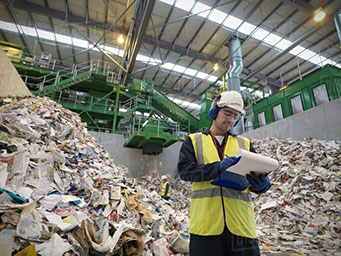
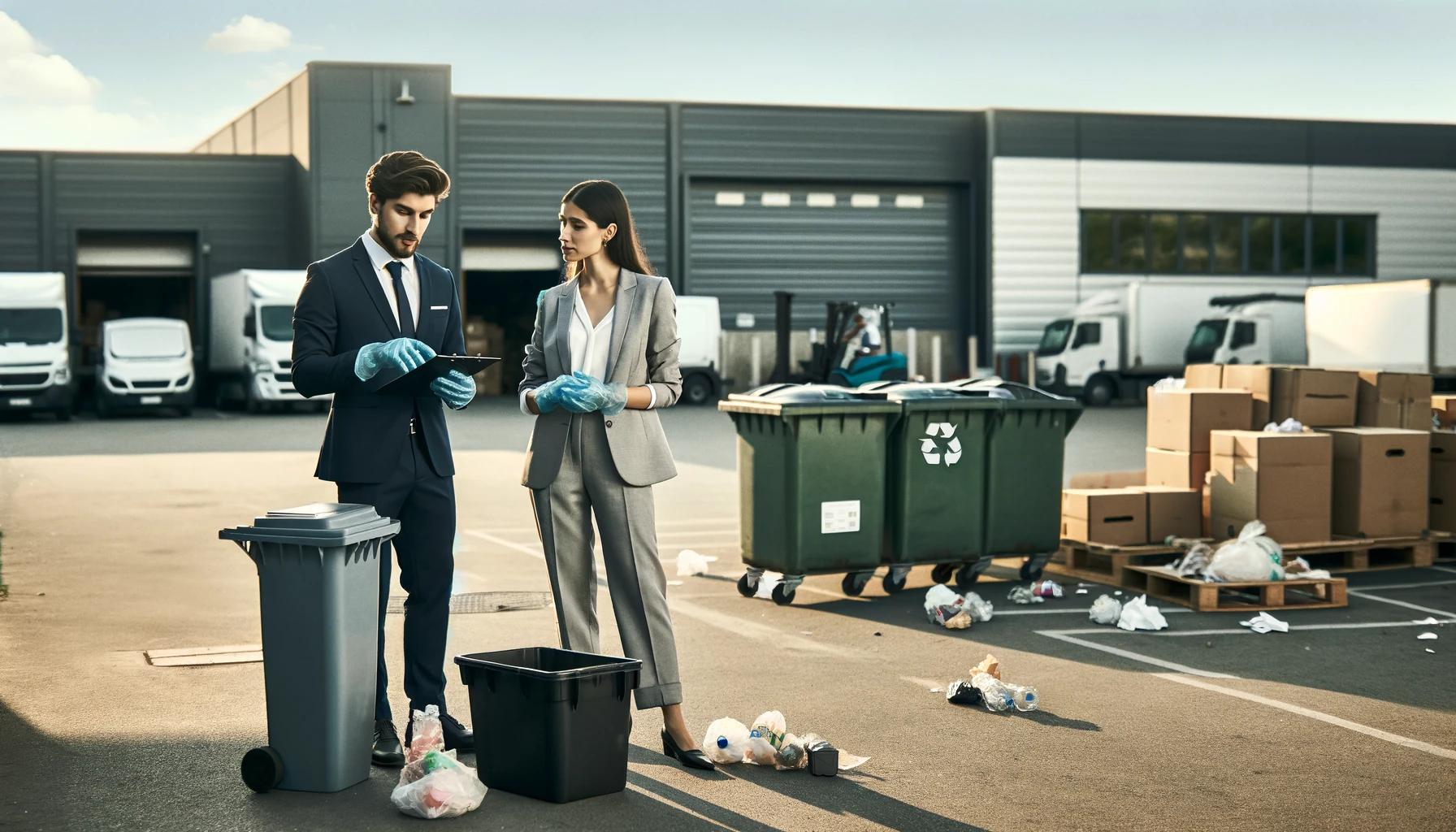
The responsible management of end-of-life goods is a crucial component of modern industrial ecosystems, with environmentally-friendly product destruction becoming an increasingly prioritized concept. This process, far from being a simple disposal method, represents a complex intersection of logistics, technology, environmental science, and ethical responsibility in the pursuit of a circular economy.
| For landfill-free waste, recycling and product destruction services, including sorting, baling, shredding and compaction equipment, or to explore earning money from your recycling, contact Integrity Recycling Waste Solutions at (866) 651-4797. |
The Imperative for Responsible Product Destruction
The world is grappling with an undeniable truth: our consumption patterns are unsustainable. From fast fashion to electronic gadgets, products are designed with planned obsolescence or simply become obsolete quickly, leading to a constant deluge of waste. This reality makes environmentally-friendly product destruction not just an option, but an urgent necessity for businesses and governments alike. The traditional landfill model is bursting at the seams, releasing harmful greenhouse gases and leachate into our planet’s delicate ecosystems. Furthermore, the valuable materials locked within these discarded items represent a squandered resource, driving the need for more virgin material extraction and perpetuating a linear “take-make-dispose” economic model. A deeper look reveals that responsible product destruction is not merely about waste management; it’s about resource optimization, environmental protection, and brand integrity.
The Environmental Toll of Irresponsible Disposal
The consequences of mishandling reverse logistics and failing to implement responsible product destruction practices are far-reaching and devastating. When products are simply dumped or incinerated without proper processing, they contribute significantly to air, water, and soil pollution. Electronic waste, for instance, contains heavy metals like lead, mercury, and cadmium, which can leach into groundwater, contaminating drinking supplies and harming biodiversity. Plastics, notorious for their persistence, break down into microplastics that infiltrate everything from marine life to human organs, posing unknown long-term health risks. My personal reflection on this matter often leads me to visualize the sheer scale of discarded items, a mountain of waste growing exponentially, and the accompanying internal sigh of awareness that much of this could have been avoided or managed better. It’s a sobering thought that our convenience-driven lifestyles have such profound planetary repercussions.
Beyond the visible pollution, there’s the invisible burden of greenhouse gas emissions. Landfills produce methane, a potent greenhouse gas, as organic materials decompose anaerated. Incineration, while reducing volume, can release particulate matter, dioxins, and furans if not equipped with advanced emission controls. The energy expenditure in manufacturing new products also directly links back to the original failure to responsibly destroy and reclaim materials from old ones. This cycle perpetuates a dependence on resource-intensive primary production, further accelerating climate change. From an ecological perspective, this irresponsible approach diminishes the natural capital upon which all life depends, eroding biodiversity and compromising the resilience of ecosystems. It’s a self-defeating spiral that demands a radical shift in our approach to product end-of-life.
Economic and Reputational Risks for Businesses
Businesses often focus on quarterly profits, but the long-term economic and reputational risks associated with inadequate product destruction are becoming impossible to ignore. Improper disposal can lead to hefty fines, legal liabilities, and devastating public relations crises. A company found dumping hazardous waste or allowing counterfeit products to re-enter the market after a recall faces immediate and severe backlash, eroding consumer trust that took years, even decades, to build. In an age of instant information dissemination, news of environmental negligence travels fast, impacting sales, stock prices, and employee morale. My analysis here suggests that the financial incentives are shifting; what was once seen as a cost center (responsible disposal) is increasingly becoming a risk mitigation and value creation opportunity.
Moreover, the rise of conscious consumerism means that purchasing decisions are increasingly influenced by a brand’s environmental and ethical record. Millennials and Gen Z, in particular, are more likely to support companies demonstrating genuine commitment to sustainability. Conversely, they are quick to boycott those perceived as environmentally irresponsible. This creates a powerful market pressure for businesses to adopt robust product destruction protocols. The economic argument extends beyond just fines and boycotts; it encompasses the lost opportunity for resource recovery that could reduce input costs, and the diminished brand value that translates into lower customer loyalty and reduced market share. It’s a paradigm where sustainability equals profitability, not just compliance.
The Strategic Value of Circular Economy Principles
Embracing circular economy principles, with environmentally-friendly product destruction at its core, offers a powerful strategic advantage. Instead of viewing discarded items as “waste,” a circular model sees them as valuable resources awaiting re-entry into the production loop. This involves prioritizing reduction, reuse, repair, and then, as a last resort, high-quality recycling and material recovery. For industries, this means designing products for disassembly, making material traceability a priority, and investing in advanced recycling technologies. This shift transforms product destruction from a linear end-point into a critical juncture in a continuous cycle, optimizing resource utilization and minimizing environmental impact.
My creative insight here is that this isn’t just about “doing less harm,” but about “doing more good.” It’s an opportunity for innovation in materials science, manufacturing processes, and reverse logistics. Companies like Patagonia, which offer repair services and take back old clothing for recycling, exemplify this approach, building customer loyalty and differentiating themselves in competitive markets. By proactively managing the end-of-life of their products, businesses can reduce their reliance on volatile virgin material markets, build more resilient supply chains, and unlock new revenue streams from recovered materials. This proactive stance on product destruction becomes a cornerstone of corporate social responsibility, fostering a positive brand image and attracting environmentally conscious talent. It’s a transition from a wasteful past to a resourceful future, redefining value beyond initial sale.
Innovative Technologies and Processes for Eco-Destruction
The path to truly environmentally-friendly product destruction is paved with technological innovation and refined processes. Moving beyond rudimentary shredding and landfilling, modern methods focus on maximizing material recovery, minimizing energy consumption, and eradicating harmful emissions. This evolution is driven by both environmental necessity and economic opportunity, as businesses recognize the inherent value in reclaiming scarce resources from discarded items. These advanced approaches are not one-size-fits-all but are tailored to specific product types, from delicate electronics to bulky industrial machinery, each demanding a nuanced approach to effective and sustainable disassembly and material separation. The synergy between smart machinery, chemical processes, and diligent human oversight forms the backbone of this greener future.
Advanced Disassembly and Material Separation Techniques
The first step in effective eco-friendly product destruction is often precise disassembly to separate different material streams efficiently. Unlike crude shredding, which mixes materials and complicates recycling, advanced disassembly aims to preserve the integrity of individual components and materials. This includes robotic disassembly, where automated systems use vision recognition and precise manipulation to take apart complex products like smartphones or laptops, recovering valuable metals and rare earth elements that would otherwise be lost. For larger items, specialized machinery uses water jets, laser cutting, or controlled deconstruction to separate steel from plastics, or glass from aluminum. My personal analysis suggests that the level of sophistication in these methods is directly proportional to the potential for high-value material recovery.
Furthermore, material separation isn’t just manual or mechanical; it increasingly involves chemical and physical processes. Hydrometallurgy and pyrometallurgy are employed to extract precious metals from electronic waste, offering significantly higher recovery rates than traditional smelting. Sorting technologies have also advanced remarkably, with infrared sensors, X-ray fluorescence, and magnetic separators capable of identifying and separating different types of plastics, non-ferrous metals, and even various grades of glass at impressive speeds. This granular approach to product destruction ensures that contamination is minimized, leading to higher quality recycled materials that can genuinely substitute virgin resources. The ultimate goal is to create pure streams of material ready for re-entry into high-value manufacturing, thereby closing the loop more effectively.
Chemical Recycling and Upcycling Innovations
Traditional mechanical recycling has limitations, particularly for mixed plastics or contaminated materials, often resulting in “downcycling” where the recycled product is of lower quality. Chemical recycling offers a transformative alternative by breaking down polymers into their original monomers or other basic chemical building blocks. These can then be repolymerized into new plastics of virgin quality, effectively creating an infinite loop for plastic materials. Technologies like pyrolysis, gasification, and solvolysis are gaining traction, targeting different types of plastic waste and enabling the recovery of valuable hydrocarbons. This innovative approach to product destruction promises to unlock the full potential of plastic circularity, addressing one of the most pervasive environmental challenges.
Beyond simply returning materials to their original state, upcycling innovations are also emerging, converting waste into higher-value products. For instance, textile waste can be broken down and reconstituted into new fibers for fashion or even composite materials for construction. Food waste can be anaerobically digested to produce biogas and nutrient-rich digestate for agriculture. Even carbon dioxide, a by-product of many industrial processes, is being captured and converted into useful chemicals or fuels. My creative insight here is that this elevates the concept of product destruction from mere disposal to genuine value creation. It transforms what was once considered worthless trash into desirable resources, fostering a more resource-efficient and less wasteful industrial paradigm. This is where true circularity shines, where the end of one product’s life becomes the beginning of another’s higher purpose.
Energy Recovery and Waste-to-Energy Solutions
While the primary goal of environmentally-friendly product destruction is material recovery, there are instances where materials cannot be economically or technically recycled. In such scenarios, advanced waste-to-energy (WtE) solutions offer a significantly better alternative to landfilling. Modern WtE facilities generate electricity or heat from non-recyclable waste through controlled combustion processes, often with highly efficient energy recovery systems and stringent emission controls. These facilities typically process municipal solid waste (MSW) that remains after recycling efforts, converting potential methane emissions from landfills into useful energy. It’s a pragmatic approach to managing unavoidable waste, demonstrating a commitment to resourcefulness even in terminal stages of product life.
Beyond direct combustion, other WtE technologies include gasification and pyrolysis, which convert waste into syngas or bio-oil that can be further refined into fuels or chemicals. These processes are often cleaner and can handle a wider variety of waste streams, offering a more versatile approach to energy recovery. While WtE should always be a last resort after maximizing possibilities for reuse, repair, and recycling, it plays a vital role in diversified waste management strategies. My analysis points to its importance in diverting significant volumes of waste from landfills, reducing environmental burden, and contributing to energy security. Facilitating environmentally-friendly product destruction means embracing a hierarchy of solutions, and energy recovery, when executed responsibly, is a valuable tool in achieving a truly comprehensive and sustainable approach to managing the lifecycle of goods.
Overcoming Challenges in Sustainable Product Destruction
Implementing genuinely sustainable product destruction programs is fraught with challenges, ranging from technological limitations and economic viability to complex global supply chains and regulatory frameworks. It’s not simply a matter of wanting to do good; it requires significant investment, collaborative effort, and a willingness to rethink established industrial practices. Overcoming these hurdles demands innovative thinking, cross-sector partnerships, and a strong commitment from all stakeholders involved, from product designers and manufacturers to consumers and policymakers. The complexity stems from the sheer diversity of products, materials, and end-of-life scenarios, each presenting unique obstacles to achieving optimal resource recovery and minimal environmental impact.
Economic Barriers and Funding Mechanisms
One of the most persistent challenges in sustainable product destruction is the economic viability of advanced recycling and recovery processes. Setting up high-tech disassembly lines, chemical recycling plants, or sophisticated sorting facilities requires substantial capital investment. Furthermore, the cost of processing materials often exceeds the market value of the recovered output, especially when oil prices are low, making virgin plastics cheaper than recycled ones. This economic disparity often discourages businesses from investing in eco-friendly product destruction methods, pushing them towards cheaper, less sustainable options like landfilling. My personal view is that without a fundamental shift in economic incentives, the uptake of these essential processes will remain limited.
To mitigate these economic barriers, innovative funding mechanisms and policy interventions are crucial. Extended Producer Responsibility (EPR) schemes, where producers are held responsible for the entire lifecycle of their products, incentivize design for recyclability and fund collection and reprocessing infrastructure. Green bonds, carbon credits, and subsidies for circular economy initiatives can also funnel investment into sustainable product destruction. Additionally, developing robust markets for recycled materials is vital to ensure stable demand and higher prices, making recovery more financially attractive. Creative insights here suggest exploring collective financing models, perhaps industry-wide consortia, that share the capital burden and risks associated with pioneering advanced dissolution and material separation techniques, thereby fostering an ecosystem where responsible product destruction becomes economically viable rather than just an environmental imperative. This requires a systemic approach that values resources over immediate disposal costs.
Complexities of Product Design and Material Diversity
Modern products are often a cocktail of diverse materials, making effective product destruction and recycling incredibly challenging. Components are frequently glued, welded, or molded together, rendering mechanical separation difficult or impossible. Furthermore, the use of proprietary blends, different types of plastics, and miniature embedded electronics complicates identification and sorting processes. For example, a single smartphone contains dozens of different elements, some in trace amounts, requiring sophisticated and energy-intensive processes to separate. This inherent complexity in product design, often driven by functionality and cost efficiency, inadvertently creates a nightmare for end-of-life management, leading to significant material losses.
The sheer variety of materials, from virgin to composite to recycled, each with its own properties and recycling requirements, adds another layer of difficulty. Establishing standardized material labeling systems and designing for disassembly (DfD) are critical steps. DfD encourages manufacturers to use fewer material types, avoid permanent fixings, and make components easily separable at end-of-life. My analysis reveals that this requires a fundamental shift in design philosophy, moving from purely functional and aesthetic considerations to prioritizing circularity from the outset. Engaging designers early in the product development cycle is paramount to embedding circularity as a core principle. Without this upstream intervention in product design, downstream product destruction efforts will remain unnecessarily hindered. It’s an ongoing battle against decades of design practices that largely ignored a product’s eventual demise, demanding a concerted push for innovation at the drawing board rather than just at the scrapyard.
Regulatory Ambiguity and Global Trade Issues
The fragmented and often inconsistent regulatory landscape poses a significant challenge to global efforts in sustainable product destruction. Different countries have varying standards for waste classification, disposal, recycling targets, and hazardous material handling. This lack of harmonization complicates international trade of secondary raw materials and e-waste, often leading to a paradoxical situation where environmentally conscious nations struggle to process complex waste streams while less regulated regions become dumping grounds. The Basel Convention, which aims to control transboundary movements of hazardous wastes, is a step in the right direction, but enforcement and evasion remain significant issues.
Compounding this is the complexity of global supply chains, where a product might be designed in one country, manufactured in another, assembled in a third, and sold globally. This diffused responsibility makes it difficult to implement unified product destruction strategies. For example, tracking the origin and composition of materials across borders is a logistical nightmare, yet essential for responsible recycling. My creative insight here suggests the need for multi-lateral agreements and industry-led standards that transcend national boundaries, creating a more cohesive global framework for product destruction. This could involve international product passports that record material composition and disassembly instructions, allowing for seamless, environmentally sound processing regardless of geographical location. Without robust, globally harmonized regulations and effective oversight, the illicit trade of waste will continue to undermine efforts to establish truly circular economies, making responsible product destruction an elusive goal on a global scale. This requires political will and robust international cooperation to ensure waste cannot simply disappear into less regulated jurisdictions.
Policy, Partnership, and the Future of Green Product Destruction
The future of environmentally-friendly product destruction hinges on a robust confluence of progressive policy, collaborative partnerships, and continuous innovation. No single entity, be it a government, a corporation, or a consumer collective, can solve the monumental challenge of waste alone. A systemic transformation requires a concerted, multi-faceted approach that incentivizes sustainable practices, fosters shared responsibility, and leverages collective expertise. This involves moving beyond reactive waste management to proactive resource stewardship, integrating circularity into the very fabric of our economic and legislative frameworks. The ultimate vision is a world where the end of a product’s life is not an environmental burden, but an opportunity for renewal and value creation, underpinned by intelligent and responsible product destruction processes.
Strengthening Extended Producer Responsibility (EPR) Schemes
Extended Producer Responsibility (EPR) schemes are among the most effective policy instruments to drive environmentally-friendly product destruction. Under EPR, manufacturers bear responsibility for the entire lifecycle of their products, including their take-back, recycling, and disposal. This shifts the financial and operational burden from municipalities to producers, fundamentally incentivizing them to design more durable, repairable, and recyclable products. When companies know they will eventually pay for the end-of-life management, they are more likely to invest in design changes that reduce material complexity and improve recyclability from the outset. My personal analysis of EPR schemes suggests that their success is critically dependent on robust enforcement, clear targets, and transparency in reporting.
However, existing EPR schemes often vary widely in their scope and effectiveness. Future policy must aim for greater harmonization, higher recovery targets, and broader inclusion of product categories, especially for increasingly complex items like smart home devices and electric vehicle batteries. Furthermore, EPR should not just focus on tonnage recycled, but on the quality of recovered materials and the energy efficiency of the product destruction process. Creative insights point to the possibility of outcome-based EPR, where producers are rewarded for actual material reuse and upcycling, rather than just collection rates. This would stimulate innovation in secondary markets and create stronger incentives for product longevity and material purity. By making producers truly accountable, EPR transforms product destruction from an after-thought into a core business consideration, driving a virtuous cycle of design for circularity.
Fostering Cross-Sectoral Partnerships and Certification
Alongside collaboration, robust certification mechanisms are essential to provide transparency and build trust in environmentally-friendly product destruction practices. Certifications can verify that products have been ethically sourced, manufactured with circularity in mind, and that their end-of-life processing meets high environmental standards. For example, standards for secure data destruction in electronics recycling ensure compliance and protect privacy, while material recovery certifications can guarantee the quality and origin of secondary raw materials. These certifications act as a credible assurance for consumers and businesses alike, distinguishing genuinely sustainable solutions from superficial greenwashing. By establishing a shared framework of verifiable standards, these partnerships can elevate the perception and practice of product destruction from a mere waste disposal function to a sophisticated and value-adding process within the supply chain.
Leveraging Digitalization and Traceability for Circularity
The future of sustainable product destruction will be profoundly shaped by digitalization and advanced traceability solutions. Technologies like blockchain, AI, and the Internet of Things (IoT) can provide unprecedented transparency and efficiency throughout a product’s lifecycle, from raw material sourcing to end-of-life processing. Imagine a “digital product passport” stored on a blockchain, documenting every material used, every component sourced, and detailed disassembly instructions. Such a system would enable recyclers to precisely identify materials, optimize product destruction processes, and verify the origin and quality of recovered resources, significantly reducing contamination and increasing efficiency. This level of granular data transforms guesswork into precise science, making material recovery truly intelligent.
AI and machine learning can also optimize sorting operations, improve predictive maintenance for machinery, and even forecast material availability from waste streams. IoT sensors embedded in products could provide real-time data on usage patterns, enabling proactive maintenance and extending product lifespans, thereby delaying the need for product destruction. My personal reflection suggests that this digital transformation is the key to unlocking the full potential of circularity. It allows for dynamic management of resources, efficient reverse logistics, and intelligent decision-making at every stage, from design to disposal. By embracing these digital tools, we can move towards a future where product destruction is not a blind, laborious process, but a smart, data-driven operation that maximizes resource recovery and minimizes environmental impact. This is where the vision of a truly circular economy, where all materials retain their value, becomes a tangible reality.
Conclusion
Facilitating environmentally-friendly product destruction is no longer a peripheral concern but a central pillar of global sustainability efforts. It demands a fundamental shift from linear consumption models to circular economic principles, driven by technological innovation in material separation and recycling, robust policy frameworks like EPR, and collaborative cross-sector partnerships. Overcoming economic barriers, addressing complex product designs, and harmonizing global regulations are critical challenges that can be mitigated through strategic investments, design for circularity, and widespread digitalization. Ultimately, the future of our planet hinges on our collective ability to redefine the end of a product’s life not as waste, but as a valuable resource awaiting renewal, ensuring that responsible product destruction becomes an integral, value-adding component of a truly sustainable economy.
| For landfill-free waste, recycling and product destruction services, including sorting, baling, shredding and compaction equipment, or to explore earning money from your recycling, contact Integrity Recycling Waste Solutions at (866) 651-4797. |