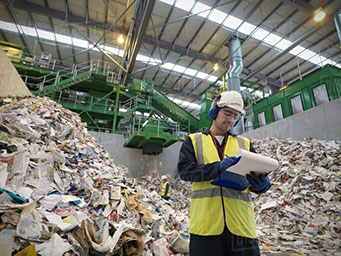
The effective management of end-of-life, recalled, or counterfeit goods is more critical than ever, with secure product destruction emerging as a non-negotiable aspect of modern business operations. This process goes far beyond simple disposal; it is a strategic imperative for safeguarding brand integrity, ensuring regulatory compliance, and upholding environmental responsibility.
| For landfill-free waste, recycling and product destruction services, including sorting, baling, shredding and compaction equipment, or to explore earning money from your recycling, contact Integrity Recycling Waste Solutions at (866) 651-4797. |
The Imperative for Advanced Product Destruction: Beyond Disposal
The concept of product destruction has evolved significantly from a mere waste management task to a critical strategic component of a company’s overall risk mitigation and sustainability profile. In today’s complex global supply chains and hyper-connected consumer environment, what happens to a product after it leaves the initial point of sale, especially if it’s defective, recalled, or counterfeit, bears immense weight on a brand’s reputation, legal standing, and financial health. The move towards advanced product destruction signifies a pivot from reactive disposal to proactive, intelligent asset protection. It acknowledges that every product, even one destined for destruction, carries intrinsic value—be it in the form of raw materials, intellectual property, or the potential for brand damage if not handled correctly. This foundational shift emphasizes that secure product destruction is not an expense but an investment in long-term corporate viability and consumer trust.
Protecting Brand Integrity and Market Value
Brand reputation is one of the most invaluable assets a company possesses, meticulously built over years through product quality, customer service, and market presence. However, this reputation can be irreversibly damaged in moments if substandard, expired, or counterfeit products re-enter the market or are mishandled. The risks are profound: unauthorized resale channels can flood the market with cheap, potentially dangerous versions of a brand’s products, eroding perceived value and undercutting legitimate sales.
Moreover, if recalled items – whether due to safety concerns, defects, or regulatory non-compliance – are not completely and verifiably destroyed, they pose a direct threat to consumer well-being and open the company to massive liability. The absolute certainty in a product’s disposal is paramount, moving beyond mere removal from inventory to guaranteed obliteration, ensuring it can never again represent the brand in an uncontrolled manner. This proactive approach prevents the dilution of a brand’s image and safeguards market share from being eroded by illegitimate competition.
From a personal analysis perspective, the psychological impact on consumer trust due to product mishandling is immense. Trust, once broken, is incredibly difficult to rebuild, demanding monumental effort and resources. A proactive, visible commitment to secure product destruction not only safeguards against immediate threats but can transform a company’s approach into a differentiator. When consumers know a brand takes every step to protect them from compromised goods, it fosters a deeper sense of reliability and ethical conduct, turning a necessary operational function into a powerful brand-building tool.
Mitigating Legal, Financial, and Environmental Risks
The mishandling of products designated for destruction carries a multitude of legal and financial liabilities. Companies face potential lawsuits from consumers harmed by defective or expired products that re-entered the market. Regulatory bodies can impose hefty fines for non-compliance with disposal laws, particularly concerning hazardous materials or data-bearing devices. Furthermore, if products contain sensitive information (e.g., customer data, proprietary designs), inadequate destruction can lead to data breaches, resulting in severe financial penalties under data privacy regulations like GDPR or CCPA, alongside catastrophic reputational damage.
The financial implications extend beyond fines and lawsuits to include the loss of intellectual property if designs or technologies incorporated into products are not thoroughly destroyed and end up in unauthorized hands. The cost of remediation – legal battles, public relations crises, product re-calls, and rebuilding damaged trust – far outweighs the investment in robust prevention through secure destruction. This highlights the critical shift from viewing destruction as a cost center to recognizing it as a crucial line of defense against potentially bankrupting liabilities.
Beyond the legal and financial, there is an undeniable environmental responsibility. Modern product destruction must go beyond simply sending items to a landfill. It involves proper decommissioning, maximizing recycling of materials, and minimizing overall environmental impact. Companies are under increasing scrutiny from consumers, investors, and regulators regarding their environmental footprint. Engaging in “greenwashing” – pretending to be environmentally responsible without genuine commitment – is now more easily exposed and can backfire dramatically. Genuine commitment involves understanding material composition, finding avenues for responsible material recovery, and investing in destruction methods that reduce energy consumption and hazardous emissions. My creative insight here is to view waste streams not merely as liabilities but as untapped resource opportunities. By embracing a circular economy model, end-of-life products can be redesigned or processed in a way that allows their constituent materials to be reintegrated into the production cycle, moving from a disposable mindset to one of resource optimization. This transforms product destruction into a vital link in a sustainable supply chain.
The Evolving Landscape of Product Lifecycle Management
The traditional linear economic model of “make-take-dispose” is increasingly being replaced by more circular approaches that emphasize resource efficiency and sustainability. This shift fundamentally alters the perception and practice of product lifecycle management, demanding that companies consider the entire journey of a product, from raw material sourcing and design to manufacturing, use, and ultimately, its secure end-of-life management. Secure product destruction is no longer an afterthought but a critical, integrated stage within this comprehensive lifecycle. It closes the loop, ensuring that products that cannot be safely reused or recycled are definitively removed from circulation, preventing negative impacts.
The increasing focus on supply chain visibility and traceability tools, often leveraged through technologies like blockchain, means that the meticulous tracking of products now extends far beyond their sale, encompassing their movement through reverse logistics channels to eventual destruction. This enhanced visibility provides an audit trail that proves compliance and demonstrates responsible stewardship, mitigating risks associated with diversion or improper disposal. It further empowers companies to analyze patterns in product failures or end-of-life scenarios, feeding valuable data back into the design and manufacturing processes.
From a personal analysis standpoint, this represents a significant shift from reactive problem-solving to proactive, integrated design thinking. Leading companies are now designing products with their eventual secure destruction or valuable material recovery in mind from the outset. This “design for destruction” or “design for disassembly” approach can significantly reduce the cost and environmental impact of end-of-life management while enhancing overall recyclability. It’s about building in the solution to the end-of-life challenge at the initial ideation stage, rather than grappling with it後知後覺. My creative insight expands on this: imagine the “digital twin” concept, commonly used in manufacturing for real-time monitoring of products, extended to include tracking of products even past their sale, monitoring their journey to destruction. This digital twin would provide invaluable data analytics on product failure points, material recovery potential, and actual destruction outcomes, enabling continuous improvement in both product design and end-of-life processes, transforming a necessary evil into a data-rich opportunity.
Technological Frontiers in Secure Product Destruction
The increasing complexity of modern products, from intricate electronics to sophisticated composite materials, demands equally sophisticated solutions for their secure and compliant destruction. The landscape of product destruction technology is constantly evolving, driven by the need for higher security, greater material recovery, and reduced environmental impact. Generic shredders and basic disposal methods are no longer sufficient to address the multifaceted challenges posed by sensitive data, valuable intellectual property, and diverse material compositions. The frontier of this field is marked by innovations that combine mechanical integrity, chemical precision, and digital verification to ensure that products are not merely removed from sight but are rendered irrevocably inert and, where possible, contribute to a circular economy. This technological advancement is crucial for companies aiming to meet stringent regulatory demands, protect their assets, and demonstrate true environmental stewardship.
Advanced Shredding and Granulation Systems
The evolution of shredding technology from basic, general-purpose machines to highly specialized, multi-stage systems is a testament to the increasing demands for secure and efficient product destruction. Modern advanced shredders utilize powerful, low-speed, high-torque mechanisms to break down bulky items, followed by secondary and even tertiary granulation processes to reduce materials to precise, minute particle sizes. This granular output is crucial for two primary reasons: first, it ensures the absolute eradication of any identifiable product features, including logos, serial numbers, or unique designs, preventing any possibility of reassembly or unauthorized use. Second, the uniform particle size facilitates more efficient and accurate material separation, allowing for higher recovery rates of valuable commodities like metals, plastics, and glass.
Customization is a key feature of these advanced systems. Different product types — from hard drives and mobile phones to textile overruns, automotive parts, medical devices, and packaged consumer goods — require specific blade configurations, screen sizes, and processing speeds to achieve optimal destruction and material separation. The challenge of mixed-material items, such as electronic waste which combines plastics, various metals, glass, and circuit boards, necessitates complex multi-phase systems that can sequentially break down components and separate them into distinct streams for recycling.
From a personal analysis, the interplay of raw mechanical force with precise material science in these systems is fascinating. Engineers are constantly innovating, developing blade alloys that resist wear from abrasive materials, designing cutting chambers that prevent jamming, and integrating sensors that optimize throughput. This continuous improvement in mechanical engineering solutions ensures that businesses can confidently achieve absolute irretrievability of sensitive products while simultaneously maximizing the value derived from their constituent materials. It’s a balance between destruction and deconstruction, aimed at both security and sustainability.
Thermal, Chemical, and Hydro-Disintegration Methods
Beyond mechanical destruction, thermal, chemical, and hydro-disintegration methods offer specialized solutions for particular types of products or materials where physical shredding may be inadequate or less efficient. Incineration, for instance, remains a standard for the complete destruction of highly sensitive documents, biological waste, or certain hazardous materials, ensuring absolute eradication. More environmentally advanced thermal decomposition methods, such as pyrolysis and gasification, break down organic materials in the absence of oxygen to produce syngas or bio-oil, effectively destroying the original product while recovering energy. These processes offer high security, particularly for data destruction, and can significantly reduce landfill reliance.
Chemical dissolution involves using specific chemical agents to break down and neutralize certain industrial wastes, pharmaceuticals, or sensitive components that might react dangerously with mechanical methods. This approach is highly effective for complete molecular disintegration but requires careful handling and specialized facilities to manage chemical waste streams safely. Hydro-disintegration, on the other hand, utilizes high-pressure water jets or slurry processes to break down fibrous materials, paper products, or certain fragile electronics, often serving as a preliminary step for material separation or further processing.
My creative insight here points to the leading edge of thermal destruction: plasma arc gasification. This technology holds immense promise for near zero-landfill product destruction. By subjecting waste to extremely high temperatures in an oxygen-starved environment, it transforms complex waste into valuable syngas (which can be used for energy) and an inert vitrified slag, effectively eliminating hazardous components and preventing emissions. This could become a closed-loop system for high-value and complex products, completely eliminating waste while generating energy. From a personal analysis perspective, each of these methods possesses a unique set of applications, advantages, and distinct environmental footprints. The overarching challenge lies in meticulously matching the destruction method to the product’s precise composition, inherent risks, and regulatory requirements, always balancing the imperative for absolute security with cost-effectiveness and minimal ecological impact. It demands a holistic understanding of both the product and the process.
Data Destruction and Digital Forensics Integration
In the digital age, the concept of product destruction for electronic devices extends far beyond merely crushing them. The paramount concern is ensuring the complete and irreversible erasure of all data residing on storage media. This involves a multi-pronged approach that combines logical and physical methods. Degaussing, which uses a powerful magnetic field to scramble data on hard drives and magnetic tapes, is a highly effective method for rendering data unrecoverable. Data wiping software, conversely, overwrites stored information multiple times according to recognized standards (e.g., DoD 5220.22-M), making it logically inaccessible. However, for maximum security, particularly for highly sensitive data or in regulated industries, physical destruction of the storage media – through shredding, crushing, or disintegration – is mandated to prevent any possibility of forensic recovery.
Crucial to data destruction is the establishment of a robust chain of custody and forensic-level verification for all data-bearing assets. This means meticulous tracking of devices from the moment they are identified for destruction, through secure transportation, to their final processing. Independent third-party auditing and certification of destruction processes provide an essential layer of assurance, often accompanied by tamper-evident seals and high-definition video recording of the entire destruction event. This verifiable transparency is vital for regulatory compliance and demonstrating due diligence.
From a personal analysis viewpoint, the “invisible threat” of residual data is often underestimated. Even physically destroyed devices can sometimes yield fragments of data to advanced forensic techniques if the destruction isn’t absolute or precise enough. This necessitates the implementation of multi-layered data product destruction protocols that combine data wiping with physical destruction to eliminate any conceivable recovery pathway. My creative insight envisions AI-driven pre-destruction analytics: imagine a system that can scan and identify data-bearing components within complex products, automatically assessing the type and sensitivity of data found, and then prescribing the optimal combination of destruction methods (e.g., targeted degaussing followed by specific micro-shredding) to minimize human error and maximize security, ensuring absolute data impermeability while potentially optimizing resource use.
Regulatory Compliance and Ethical Imperatives in Product Destruction
Operating a secure product destruction program in today’s global economy means navigating an intricate web of regulations that vary by jurisdiction, industry, and product type. Compliance is not merely a legal checkboxes; it’s a fundamental aspect of risk management, guarding against severe penalties, reputational damage, and even criminal charges. Beyond legal mandates, there’s a growing ethical imperative driven by corporate social responsibility (CSR) and heightened consumer expectations for sustainability and privacy. Companies are increasingly expected to demonstrate transparent, responsible, and verifiable practices at every stage of their product lifecycle, including critical end-of-life processes. This dual focus on strict regulatory adherence and proactive ethical stewardship defines the most robust and future-proofed approaches to product destruction.
Navigating Global and Local Regulations
The landscape of product destruction is heavily influenced by a complex array of global, national, and local regulations. Environmental laws, such as those from the Environmental Protection Agency (EPA) in the US, RoHS (Restriction of Hazardous Substances) and WEEE (Waste Electrical and Electronic Equipment) directives in the EU, dictate how hazardous materials and electronic waste must be handled, transported, and disposed of. Non-compliance can lead to massive fines and legal action. Simultaneously, data privacy regulations like the General Data Protection Regulation (GDPR) in Europe and the California Consumer Privacy Act (CCPA) in the US impose strict requirements for the secure destruction of data-bearing devices to prevent breaches. Industry-specific mandates also exist; for example, pharmaceutical companies must comply with regulations concerning the disposal of controlled substances or expired medications.
Beyond simply understanding these laws, companies must also manage a myriad of permitting, reporting, and documentation requirements. Each type of waste, each method of destruction, and each cross-border movement of products destined for destruction can trigger specific legal obligations. The cost of non-compliance extends far beyond monetary fines; it encompasses severe reputational damage, loss of market share, and negative consumer perception, all of which can have long-lasting effects on a brand’s viability.
From a personal analysis perspective, the dynamic nature of these regulations is a persistent challenge. What constitutes compliance today may not be sufficient tomorrow as new technologies emerge, and environmental or data privacy concerns evolve. This necessitates constant vigilance, proactive monitoring of legislative changes, and a flexible adaptation strategy for product destruction practices. Companies cannot afford to be static; they must invest in continuous legal consultation and internal training to remain ahead of the curve, transforming regulatory compliance from a burden into a competitive advantage by demonstrating leadership in responsible practices.
Establishing Secure Chain of Custody and Verification
For sensitive products, especially those containing intellectual property, hazardous materials, or consumer data, establishing an unbreakable chain of custody is paramount. This involves meticulous tracking and documentation of a product’s journey from the moment it is identified for destruction, through collection and secure transportation, to its ultimate obliteration. Every transfer of responsibility must be logged, every container secured with tamper-evident seals, and every step verifiable. Secure facilities are non-negotiable, with stringent access controls, surveillance, and trained personnel guarding against theft or diversion.
Independent third-party auditing and certification of destruction processes provide an essential layer of assurance and credibility. These certifications (e.g., NAID AAA for data destruction) often require rigorous security protocols, documented procedures, and regular audits to ensure compliance. High-definition video recording of the actual destruction event, alongside detailed manifests and certificates of destruction, offers irrefutable proof that products have been irrevocably neutralized. This level of transparency is increasingly demanded by regulators, partners, and ethically conscious consumers.
My creative insight suggests leveraging blockchain technology to create an immutable and transparent record of product destruction. Each step in the chain of custody – from pickup, transport, arrival at the destruction facility, and the actual destruction event – could be timestamped and recorded as a block on a distributed ledger. This would provide unparalleled transparency and an auditable trail that is virtually tamper-proof, offering undeniable proof of legitimate disposal and significantly enhancing trust. From a personal analysis viewpoint, in an age where trust is fragile and skepticism is high, simply stating that a product was destroyed is no longer adequate. Proving it definitively, with verifiable and immutable evidence, is an imperative. This commitment to provable security differentiates companies that are genuinely responsible from those merely paying lip service to compliance.
Ethical Considerations: Beyond Legal Minimums
While legal compliance sets the baseline, ethical considerations push companies to go beyond the minimum requirements in their product destruction practices. Corporate Social Responsibility (CSR) demands that businesses consider their broader impact on society and the environment. Stakeholders – including consumers, investors, employees, and local communities – increasingly expect companies to demonstrate genuine commitment to ethical sourcing, production, and disposal. This includes transparently addressing the end-of-life phase of their products.
Key ethical considerations include ensuring the safety of employees involved in destruction processes, implementing robust measures to prevent unauthorized access or diversion of products that could pose risks to public health or safety, and preventing child labor or exploitative practices in any part of the reverse logistics chain. Furthermore, there’s an ethical obligation to minimize environmental harm, even when destruction is necessary. This means prioritizing methods that recover valuable materials, reduce waste volume, and minimize energy consumption or harmful emissions.
From a personal analysis, this involves navigating the waste hierarchy: the ethical imperative always leans towards reducing consumption, then reusing products, followed by recycling materials, and only then considering destruction as a last resort. However, for compromised goods (e.g., recalled medicines, dangerous toys, counterfeit electronics), secure destruction becomes the only ethical choice to protect public safety and intellectual property. The challenge lies in making that choice responsibly, ensuring methods are as environmentally sound as possible. My creative insight proposes developing comprehensive, publicly accessible sustainability reports that specifically detail a company’s product destruction methods, material recovery rates, and environmental impact. By proactively sharing this information, companies can transform a hidden, often cost-intensive operation into a powerful demonstration of their ethical commitment and environmental stewardship, turning what might otherwise be a liability into a brand positive and building deeper consumer loyalty.
Implementing a Future-Proof Product Destruction Strategy: Operational Excellence and Sustainability
Developing a future-proof product destruction strategy is no longer an optional add-on but a core component of operational excellence and an overarching commitment to sustainability. It requires a holistic approach that integrates end-of-life considerations into the very beginning of the product development cycle, moving beyond reactive disposal to proactive, strategic planning. This involves defining clear policies for various types of compromised inventory, leveraging specialized expertise, and committing to continuous improvement through data-driven insights. In an era where resource efficiency and environmental transparency are paramount, optimizing the destruction process not only secures assets and ensures compliance but also contributes significantly to a company’s financial health and its image as a responsible corporate citizen. The ultimate goal is to transform what has traditionally been seen as a necessary cost center into an integral, value-adding part of the business operation.
Strategic Planning for End-of-Life Products
A truly future-proof product destruction strategy begins not at the point of disposal, but at the initial design phase of a product. Integrating “design for disassembly” or “design for destruction” principles means that engineers and product developers consider the material composition, modularity, and ease of material separation right from the outset. This foresight can significantly reduce the complexity, cost, and environmental footprint of end-of-life processing. For instance, designing products with easily removable, distinct material components facilitates more efficient recycling and targeted destruction of sensitive parts.
Beyond design, strategic planning involves developing clear, formalized policies and procedures for managing various categories of end-of-life products. This includes returns (defective, customer remorse), aged inventory (excess, obsolete), quality control failures (recalled, substandard), and items directly related to intellectual property protection (prototypes, tools). Each category may require differentiated handling, security levels, and destruction methods. The strategy must define criteria for diversion through proper channels (resale, donation, recycling) versus guaranteed destruction, ensuring that discretion is consistent and risk-managed across the organization.
From a personal analysis, the shift from ad-hoc, reactive disposal to a formalized, strategic component of supply chain management is profound. Many companies only address product destruction when a problem arises, leading to rushed decisions, increased costs, and higher risks. By proactively embedding product destruction considerations into overall business strategy, companies acknowledge that the true cost of product destruction is not just the immediate service fee, but the potential liabilities and brand damage incurred if it’s not done correctly. This strategic insight transforms a necessary operational task into a lever for competitive advantage, safeguarding assets and reputation on a broad scale.
Collaborating with Specialized Destruction Providers
For many companies, maintaining the in-house expertise, specialized equipment, and secure facilities required for robust product destruction is simply not feasible or cost-effective. This makes collaboration with specialized third-party destruction providers a strategic imperative. The benefits of outsourcing are multi-fold: access to state-of-the-art technologies (like advanced shredders, degaussers, and environmentally compliant processors), deep knowledge of complex regulatory landscapes across different jurisdictions, and the economies of scale that dedicated providers can offer. These experts can handle diverse material streams, from electronic waste to consumer goods, with the precision and security required.
However, selecting the right partner requires rigorous due diligence. Companies must scrutinize potential providers’ certifications (e.g., NAID AAA for data destruction, e-Stewards or R2 for electronics recycling), assess their security protocols (physical security, background checks for personnel, chain of custody procedures), and review their environmental track record and disposal methods. Communication and reporting capabilities are also critical; a reliable partner provides transparent documentation, video evidence, and accurate manifests of destroyed materials, ensuring complete verifiable closure.
My creative insight suggests that this often viewed “vendor” relationship can and should evolve into a true partnership. Forward-thinking companies should actively co-develop bespoke destruction solutions with their chosen providers, leveraging the provider’s RD, engineering capabilities, and industry insights to solve unique destruction challenges, optimize material recovery for specific product lines, or innovate new environmentally sound processes. This collaborative approach moves beyond a mere transactional relationship to one of shared innovation and continuous improvement. From a personal analysis perspective, entrusting a fundamental aspect of brand security and compliance to an external entity demands a high degree of trust. Therefore, vetting goes far beyond competitive pricing; it’s about evaluating a partner’s integrity, security posture, and demonstrated commitment to leading-edge practices, recognizing that their competence directly reflects on your brand’s reputation.
Measuring Impact and Driving Continuous Improvement
To ensure a product destruction strategy remains future-proof and optimized, it must be continuously monitored, measured, and refined. Establishing Key Performance Indicators (KPIs) is essential. These might include security breach rates (ideally zero), material recovery rates (percentage of materials diverted from landfill), cost per unit destroyed, overall compliance scores (audits passed, fines avoided), and efficiency metrics (turnaround time from pickup to certified destruction). Tracking these KPIs provides tangible data to assess the effectiveness and cost-efficiency of the destruction program.
Regular audits, both internal and external (through third-party certifications), are crucial for identifying gaps in security protocols, areas for process optimization, or new compliance requirements. Establishing robust feedback loops allows for insights from the destruction process to inform other areas of the business, such as product design (identifying components that are difficult to recycle or destroy effectively), material choices, and reverse logistics planning. Technology upgrades within destruction facilities, driven by advancements in equipment or changing waste streams, are also vital for continuous improvement.
From a personal analysis standpoint, the journey to optimization in product destruction is never truly complete. It’s an ongoing process of adaptation and refinement. The data collected from meticulous destruction processes can provide invaluable insights that extend far beyond initial compliance. For example, analysis of destruction volumes can inform inventory management, predict future waste streams, and even highlight recurring product defects. This creates a virtuous cycle of improvement: insights from the “end” (destruction) inform the “beginning” (design and manufacturing), leading to more sustainable products and operations. My creative insight takes this a step further: imagine applying predictive analytics to product destruction. By analyzing historical sales data, return rates, product expiry dates, and recall patterns, companies could forecast the volume and type of specific waste streams, allowing for optimal planning of destruction facility capacity, resource allocation, and even negotiation of better rates with destruction partners. This predictive capability transforms destruction from a reactive necessity into a strategically managed, data-rich function.
Conclusion
Revolutionizing industry standards in product destruction signifies a critical shift from mere waste disposal to a strategic, integral component of modern business operations. This transformation is driven by the imperative to protect brand integrity, mitigate pervasive legal and financial risks, and uphold environmental and ethical responsibilities in an increasingly scrutinized global landscape. By leveraging advanced destruction technologies, navigating complex regulatory frameworks with meticulous chain-of-custody protocols, and integrating ethical considerations beyond bare minimums, companies can establish robust, future-proof strategies. This demands strategic planning from product inception, fostering strong collaborations with specialized destruction providers, and dedicating to continuous improvement through data-driven insights, ultimately transforming a historical cost center into a powerful differentiator for operational excellence and corporate sustainability.
| For landfill-free waste, recycling and product destruction services, including sorting, baling, shredding and compaction equipment, or to explore earning money from your recycling, contact Integrity Recycling Waste Solutions at (866) 651-4797. |