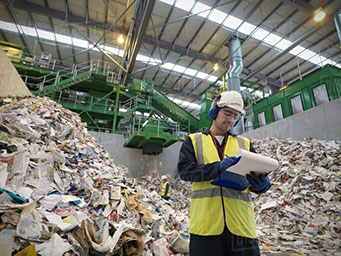
In an increasingly complex global marketplace, the secure and compliant disposition of goods has become a critical operational concern for businesses across all sectors. The process of product destruction is far more than mere waste disposal; it is a strategic imperative that directly impacts brand integrity, intellectual property protection, regulatory compliance, and environmental responsibility. Companies must approach product destruction with the same rigor and foresight applied to product development and sales, recognizing that improper or unsecured disposal can lead to catastrophic consequences, from reputational damage and legal penalties to financial losses and environmental harm.
| For landfill-free waste, recycling and product destruction services, including sorting, baling, shredding and compaction equipment, or to explore earning money from your recycling, contact Integrity Recycling Waste Solutions at (866) 651-4797. |
The Strategic Imperative of Compliant Product Destruction
In an era defined by heightened consumer awareness, stringent regulatory frameworks, and rapid information dissemination, the strategic importance of compliant product destruction cannot be overstated. It is a critical safeguard, an often-overlooked yet vital component of a comprehensive risk management strategy. This process extends beyond simply discarding obsolete or defective items; it encompasses the secure, verifiable, and environmentally sound elimination of products throughout their lifecycle, from manufacturing flaws to end-of-life returns. Failure to adhere to best practices in this domain can expose companies to a myriad of perils, including potential lawsuits, environmental fines, brand erosion, and even intellectual property theft. The proactive adoption of robust destruction protocols is not merely a cost of doing business; it is an investment in long-term stability and reputation. Companies must recognize that every product, even after it leaves their direct control, remains a potential liability or asset depending on its ultimate fate.
Safeguarding Brand Reputation and Market Integrity
The immediate and most palpable risk associated with non-compliant product destruction is the potential for devastating brand damage. In today’s interconnected world, an unauthorized product leak, counterfeiting, or unsanctioned diversion to gray markets can spread globally within hours, eroding consumer trust earned over decades. Imagine a scenario where a company’s “destroyed” distressed inventory, such as out-of-season apparel or discontinued electronics, resurfaces on discount sites or, worse, in the hands of counterfeiters who then flood the market with inferior goods bearing the legitimate brand’s logo. This not only cannibalizes sales but also dilutes the brand’s perceived value and quality, leading consumers to question the authenticity and integrity of all products under that label.
My personal analysis suggests that many companies mistakenly view product destruction as a purely operational expense rather than a crucial brand protection measure. They might opt for the cheapest disposal method, unaware of the lurking dangers posed by lax security protocols at third-party facilities or the potential for goods to be intercepted before complete destruction. A brand is built on promises – of quality, exclusivity, and authenticity. When unapproved products enter the market, those promises are broken, leading to a profound sense of betrayal among loyal customers. It signifies a loss of control, suggesting that the brand is either indifferent to its product’s after-market journey or incapable of managing it effectively. Therefore, investing in secure, verifiable destruction methods is not just about waste management; it’s a strategic decision to protect the very essence of the brand, ensuring that every product journey, even to its end, upholds the brand’s values and exclusivity. This dedication reinforces consumer confidence and preserves market integrity.
Mitigating Legal, Financial, and Ethical Risks
Beyond brand reputation, inadequate product destruction procedures open a Pandora’s Box of legal, financial, and ethical liabilities. Legally, companies can face severe penalties for violating environmental regulations, data protection laws (e.g., GDPR, CCPA if products contain personal data), or industry-specific compliance mandates. For instance, pharmaceutical companies must adhere to strict state and federal guidelines for the disposal of controlled substances, and non-compliance can result in exorbitant fines, loss of licenses, and even criminal charges. Electronically, obsolete IT assets often contain sensitive corporate data or customer information; inadequate data sanitization prior to destruction can lead to massive data breaches, triggering costly lawsuits, punitive fines, and mandatory public disclosures that further compound reputational damage.
Financially, the implications are equally daunting. The costs can extend far beyond regulatory fines to include remediation efforts, litigation expenses, diminished stock value, and the significant allocation of internal resources to manage a crisis. Ethically, the failure to responsibly manage end-of-life products can draw public condemnation. Consumers and activist groups are increasingly scrutinizing corporate environmental and social responsibility. Disposing of products in a manner that harms the environment or poses a public health risk, even if technically legal, can lead to severe boycotts and widespread negative publicity. From my perspective, a robust product destruction policy is deeply intertwined with a company’s commitment to corporate social responsibility (CSR). It reflects a proactive stance on environmental stewardship, data privacy, and ethical business practices. Companies that prioritize secure destruction demonstrate foresight and a genuine commitment to their stakeholders, distinguishing themselves from competitors who view disposal as an afterthought. It’s about building trust, not just minimizing immediate costs. The inherent risk in simply discarding items without proper due diligence often far outweighs the initial savings, inevitably leading to a much larger financial drain and ethical quagmire down the line.
Environmental Stewardship and Regulatory Adherence
Modern commerce operates under a rapidly evolving landscape of environmental regulations, making robust product destruction procedures synonymous with environmental stewardship. Governments worldwide are enacting stricter laws concerning waste management, hazardous materials disposal, and e-waste recycling, driven by the urgent need to address climate change and resource depletion. Non-compliance with these regulations can lead to substantial fines, mandatory clean-up operations, and negative publicity that damages a company’s green credentials. For example, the improper disposal of electronics (e-waste), which often contain heavy metals and toxic chemicals, poses serious environmental and health risks. Regulations like the European Union’s Waste Electrical and Electronic Equipment (WEEE) Directive mandate specific collection, treatment, recycling, and recovery targets for e-waste.
Companies must understand that environmental compliance is not merely about avoiding fines; it is about embracing sustainable practices that resonate with environmentally conscious consumers and investors. My creative insight here is to view product destruction not as an act of discarding, but as the final, critical step in a product’s lifecycle that enables a circular economy. When products are destroyed responsibly, their components can often be recycled, reclaimed, or repurposed, reducing the demand for new raw materials and minimizing landfill waste. This approach aligns perfectly with global sustainability goals and enhances a company’s corporate image. It demonstrates a commitment to reducing their environmental footprint across their entire operational spectrum, from sourcing to end-of-life management. Proactive engagement with recycling initiatives and adopting environmentally friendly destruction methods, even if initially more expensive, ultimately contributes to long-term brand equity and resilience in a market that increasingly values sustainable business practices. It’s an opportunity to turn a potential liability into a statement of environmental responsibility.
The Cost-Benefit Calculus of Secure Product Disposal
At first glance, the rigorous requirements and associated costs of secure product destruction might appear daunting to businesses already operating on tight margins. Engaging certified destruction vendors, implementing robust chain-of-custody protocols, and ensuring comprehensive documentation all involve an explicit financial outlay. However, a superficial cost comparison fails to account for the indirect and potentially catastrophic costs of non-compliance. The true cost-benefit calculus reveals that investing in secure disposal is almost invariably more economical in the long run than risking unauthorized leakage or environmental violations. Consider the cost of a single major data breach resulting from improperly destroyed hardware, which can run into millions of dollars in damages, legal fees, credit monitoring services, and reputational repair. Compare that to the relatively modest cost of professional data sanitization and physical destruction services.
From a pragmatic and analytical perspective, the decision to invest in secure product destruction should be framed as a risk mitigation strategy, akin to insurance. You pay a premium upfront to avoid much larger, unforeseen expenses and existential threats down the line. Moreover, there are often hidden benefits. For instance, the professional destruction of counterfeit goods not only prevents their circulation but also sends a strong message to infringers about the brand’s commitment to protecting its intellectual property. This can act as a deterrent, reducing future incidents of counterfeiting. Similarly, responsibly disposing of obsolete inventory can free up valuable warehouse space, reduce carrying costs, and prevent the devaluing of current product lines. My personal analysis suggests that companies should conduct a thorough risk assessment, quantifying the potential liabilities—legal, reputational, and financial—of insecure disposal versus the cost of a fully compliant program. When this holistic view is taken, the benefits of secure product destruction frequently far outweigh the upfront investment, positioning it not as an expense, but as a crucial component of sound financial management and sustainable business growth that safeguards assets, both tangible and intangible.
Designing and Implementing a Secure Product Destruction Framework
Establishing a secure product destruction framework within an organization requires more than just making a phone call to a shredding company. It demands a systematic, multi-faceted approach that integrates policy, process, technology, and partnerships. This intricate framework ensures that every item slated for destruction follows a documented, verifiable path, leaving no room for diversion or error. The goal is to create an impermeable system that safeguards sensitive information, proprietary designs, obsolete inventory, and defective goods from the moment they are identified for destruction until their verifiable obliteration. This includes meticulous planning, stringent vendor selection, comprehensive documentation, and leveraging technological solutions to enhance transparency and control. Without such a framework, even the most well-intentioned efforts can fall short, leaving an organization exposed to compliance breaches, financial losses, and reputational damage.
Developing Comprehensive Product Destruction Policies and Protocols
The foundation of any robust product destruction framework is a set of clear, concise, and comprehensive policies and protocols. These documents serve as the internal commandments, outlining precisely what needs to be destroyed, who is responsible for initiating and overseeing the destruction process, the approved methods of destruction for various product types (e.g., paper documents, electronic devices, textiles, hazardous materials), and adherence to relevant industry and government regulations. A detailed policy should differentiate between types of products and their inherent risks. For instance, a policy for destroying sensitive documents containing customer data will differ significantly from one for disposing of unsaleable apparel. Each type requires specific handling, secure transit, and destruction techniques to mitigate unique risks.
Personal analysis reveals that many companies have fragmented or outdated policies, if any, concerning product destruction. They might address IT asset disposition but neglect physical products or vice versa. This piecemeal approach creates dangerous blind spots. A truly comprehensive policy must be holistic, covering all aspects from initial identification of items for destruction to final proof of destruction. It should define roles and responsibilities clearly, ensuring accountability at every stage. Furthermore, these policies must be living documents, subject to regular review and updates to reflect changes in technology, regulations, and business needs. An engaging policy is one that is not only legally sound but also practically implementable, understood by employees, and serves as a guiding principle for all destruction activities, ensuring both efficiency and rigorous compliance. It acts as an organizational blueprint for making controlled, informed decisions about product end-of-life.
Selecting and Managing Third-Party Destruction Vendors
Given the specialized nature of secure product destruction, most organizations rely on third-party vendors. The selection of these partners is arguably the most critical decision in setting up a secure framework. It’s not enough to choose the cheapest option; trustworthiness, proven security protocols, certifications, and a verifiable track record are paramount. Due diligence must be extensive, including comprehensive background checks on the vendor’s employees, site visits to their facilities, and verification of their destruction methods and capacity. Key considerations include the vendor’s ability to handle specific materials (e.g., hazardous waste, sensitive electronics), their compliance with environmental regulations, their insurance coverage, and their ability to provide secure logistics and robust documentation.
My creative insight suggests approaching vendor selection not as a transactional agreement, but as forming a strategic alliance. Your destruction vendor effectively becomes an extension of your internal security and compliance teams. Therefore, they must share your commitment to data protection, intellectual property safeguarding, and environmental responsibility. It’s wise to request proof of industry certifications (e.g., NAID AAA for data destruction, e-Stewards or R2 for electronics recycling), evidence of employee training, and examples of their chain-of-custody procedures. Even after selection, ongoing vendor management is crucial. This includes regular performance reviews, unannounced audits of their facilities, and periodic re-evaluation of their security measures. The relationship with a destruction vendor should be dynamic and continuously assessed, ensuring they consistently meet, or exceed, the stringent security and compliance standards set by your organization, thereby building a resilient external perimeter against potential breaches or diversions.
The Critical Role of Chain of Custody and Documentation
The concept of “chain of custody” is the backbone of verifiable product destruction. It refers to the chronological documentation or paper trail, showing the custody, control, transfer, analysis, and disposition of items. For product destruction, this means meticulously tracking every item from the moment it is earmarked for destruction until its final, verifiable obliteration. This includes detailed inventories of items, signed transfer documents when products move from one party to another (e.g., from your facility to the destruction vendor), security seals on containers, and GPS tracking of transport vehicles. Each step needs to be recorded, dated, and signed by authorized personnel, creating an unbroken narrative of accountability.
Without a robust chain of custody, a company cannot definitively prove that products were securely handled and destroyed, leaving them vulnerable to accusations of negligence or non-compliance. My personal analysis highlights that this documentation is not just a bureaucratic formality; it is the ultimate proof of due diligence. In the event of an audit, a legal challenge, or a public inquiry, this paper trail (or digital trail) becomes essential evidence. It demonstrates that the company followed established procedures and exercised reasonable care. The final piece of this puzzle is the Certificate of Destruction (CoD) issued by the destruction vendor. This certificate should detail what items were destroyed, how they were destroyed, the date of destruction, and often includes photographic or video evidence. It’s advisable to maintain these CoDs indefinitely, as they serve as your primary defense against future claims. The integrity of the entire destruction process hinges on the unimpeachable accuracy and completeness of this documentation, making it an indispensable component of any credible product destruction framework.
Integrating Technology for Enhanced Oversight and Tracking
In the modern landscape, manual processes alone are insufficient to manage the complexities and scale of secure product destruction. Integrating technology offers significant advantages by enhancing oversight, improving accuracy, and streamlining the tracking process. This includes using inventory management systems to tag and track products earmarked for destruction, employing RFID or barcode scanning at various transfer points, and leveraging secure online portals provided by destruction vendors for real-time updates and documentation access. GPS tracking on transport vehicles adds another layer of security, allowing companies to monitor the journey of sensitive items from their facility to the destruction site.
Furthermore, predictive analytics and AI could potentially be integrated to identify patterns of unauthorized activity or potential vulnerabilities in the destruction process before they escalate into major incidents. For instance, an AI system might flag an unusual number of product discards from a specific line that deviates from historical norms, prompting an investigation. From a creative perspective, imagine a future where every product destined for destruction could carry a digital twin, a blockchain-recordable identifier that permanently logs its journey to verified obliteration, making it virtually impossible for it to reappear. While perhaps aspirational for some companies, the core idea is leveraging digital tools to create an immutable audit trail and provide unprecedented visibility into the destruction process. This technological integration transforms product destruction from a reactive, often manual, task into a proactive, transparent, and highly secure operation, significantly reducing human error and enhancing overall compliance and accountability in a way that traditional methods simply cannot achieve.
Executing, Verifying, and Continuously Improving Product Destruction Processes
The meticulous planning and framework development discussed previously culminate in the execution phase of product destruction. This stage is where policies are put into practice, and the effectiveness of vendor relationships and technological integrations is truly tested. However, execution is not the final step; it is merely one part of a continuous cycle that includes rigorous verification, regular auditing, and a commitment to ongoing improvement. The ultimate goal is to ensure that products are not only destroyed securely but that the entire process is transparent, accountable, and resilient against potential failures. Compliance is not a static state but a dynamic objective, requiring vigilant oversight and a proactive approach to identifying and addressing weaknesses.
Operationalizing On-Site and Off-Site Product Destruction
The decision to conduct product destruction on-site versus off-site hinges on various factors, including the type and volume of products, security requirements, and available resources. On-site destruction offers maximum control and real-time verification. For sensitive data, mobile shredding units can shred documents or destroy hard drives directly at your facility, allowing your personnel to witness the destruction. This eliminates the risk of transit and provides immediate peace of mind. However, on-site destruction requires space, compliance with local noise ordinances, and may not be feasible for very large volumes or specialized destruction methods (e.g., chemical neutralization).
Off-site destruction, typically performed at a certified vendor’s facility, is often preferred for large volumes, complex materials requiring specialized machinery (e.g., industrial shredders, incinerators), or when a company lacks the internal infrastructure. While it introduces transit risk, this is mitigated through secure, GPS-tracked transportation, sealed containers, and robust chain-of-custody protocols. Regardless of the method, adherence to the pre-established policies and procedures is critical. This includes correct item segregation, secure packaging, proper labeling, and accurate inventory counts at the point of transfer. The operational efficiency and security of these processes are paramount to preventing diversions and ensuring complete compliance. The chosen method must align with the specific security and compliance needs of the products being destroyed.
Here’s a comparison of common product destruction methods:
| Method | Description | Ideal For | Key Benefits | Considerations |
|---|---|---|---|---|
| Shredding (Physical) | Mechanical obliteration into small fragments. | Documents, hard drives, optical media, textiles, small electronics. | High security (renders unreadable), verifiable, relatively quick. | Volume limitations, noise, dust, disposal of shredded material (recycling rules). |
| Incineration | Burning products at high temperatures. | Contraband, pharmaceuticals, highly sensitive materials, hazardous waste. | Complete destruction, volume reduction, eliminates physical presence. | Air emissions (regulatory compliance), cost, public perception, ash disposal. |
| Degaussing | Uses strong magnetic field to erase data from magnetic media. | Hard drives, magnetic tapes (before physical destruction). | Fast, renders data irretrievable from magnetic media. | Does not physically destroy media, not effective for SSDs, requires subsequent physical destruction. |
| Grinding/Crushing | Disintegrates products into fine particles or powder. | Electronics, counterfeit goods, sensitive prototypes, specific plastic items. | High security, renders product unusable and unidentifiable. | Noise, dust, energy consumption, material handling for output. |
| Dissolving/Chemical | Uses chemical processes to render products inert or unusable. | Pharmaceuticals, some hazardous materials, specific chemical agents. | Can be very thorough, renders material biologically or chemically inert. | Environmental impact of chemicals, specialized facilities, safety protocols. |
| Compacting/Baling | Crushes and compresses items, often for space efficiency. | Packaging materials, some general waste, non-sensitive items for volume. | Volume reduction for transport, can precede other destruction methods. | Not a destruction method on its own, security risks if items are not secure. |
Post-Destruction Verification and Certification
The journey of product destruction does not end with the physical demolition of the items. The verification and certification phase is equally, if not more, critical. This is where organizations obtain definitive proof that the destruction occurred as planned, meeting all specified security and compliance requirements. Post-destruction verification involves reviewing photographic or video evidence, conducting spot checks at the destruction facility (if permitted), and verifying the weight and type of materials destroyed against initial manifests. The cornerstone of this phase is the Certificate of Destruction (CoD), issued by the destruction vendor.
The CoD is more than just a receipt; it is a legally binding document that attests to the complete and compliant destruction of the specified items. It should include crucial details such as the date and location of destruction, method used, a list or quantity of destroyed items, and signatures of authorized personnel from both your organization and the vendor. My personal analysis suggests that many companies overlook the granular detail required in a CoD. It should ideally be specific enough to match your internal tracking numbers or batch IDs, creating an undeniable link between the products sent for destruction and their verified obliteration. This detailed verification is not a mere formality but an essential safeguard. It provides an auditable trail for internal compliance checks, external regulatory reviews, and, critically, serves as your defense in any legal dispute arising from product leakage or alleged improper disposal. Without this final piece of verification, the entire product destruction process, no matter how securely executed, remains incomplete and vulnerable to question.
The Imperative of Regular Audits and Remediation
Even with the most robust framework and vigilant execution, the product destruction process is not immune to evolving threats, internal errors, or external pressures. This necessitates a continuous cycle of regular audits and, critically, prompt remediation of any identified discrepancies or weaknesses. Audits should be multi-faceted, encompassing internal audits of your own procedures (e.g., inventory tracking, segregation, transfer protocols) and external audits of your destruction vendors. Vendor audits should include reviewing their facility security, destruction processes, employee screening policies, and adherence to environmental regulations. Unannounced audits can be particularly effective in ensuring consistent compliance rather than just preparing for scheduled visits.
My creative insight here shifts the perception of an audit from a dreaded inspection to a crucial operational refinement tool. It’s not about finding fault, but about finding opportunities for improvement that strengthen your overall security posture. An audit is an invaluable feedback mechanism. When non-conformances are discovered, the focus must immediately shift to remediation. This involves not just fixing the immediate issue but conducting a root cause analysis to understand why the problem occurred and implementing systemic changes to prevent recurrence. This could involve retraining staff, updating policies, revising vendor contracts, or investing in new technology. A failure to address audit findings promptly and effectively undermines the entire compliance framework. Regular, rigorous audits coupled with decisive remediation efforts ensure that the product destruction process remains resilient, adaptable, and consistently aligned with the highest standards of security and compliance, evolving as quickly as the risks themselves.
Fostering a Culture of Compliance and Continuous Improvement
Ultimately, the success of any product destruction framework, regardless of its technological sophistication or procedural rigor, hinges on the human element – the organizational culture. Fostering a culture of compliance means instilling a shared understanding among all employees, from the warehouse floor to senior management, that secure product destruction is a critical responsibility impacting brand, environment, and legality. This goes beyond mere training; it requires continuous communication, reinforcement of best practices, and active encouragement for employees to report potential vulnerabilities or non-compliance without fear of reprisal. When employees understand the “why” behind the strict rules (e.g., protecting customer data, preventing counterfeits), they become more engaged and vigilant.
Continuous improvement is not just a buzzword; it’s an operational philosophy for product destruction. This involves regularly reviewing key performance indicators (KPIs) related to destruction efficiency, security incidents, and audit findings. It means actively seeking feedback from internal stakeholders and external partners, staying abreast of new technologies, and monitoring changes in regulatory landscapes. My personal analysis suggests that the most effective continuous improvement programs are those that view product destruction as an evolving challenge. They proactively anticipate future risks—like new types of sensitive data or increasingly sophisticated counterfeiters—and adapt their strategies accordingly. By actively investing in training, encouraging feedback, staying current with industry best practices, and embracing technological advancements, organizations can build a product destruction capability that is not just compliant today but remains robust, secure, and adaptable for the challenges of tomorrow, ensuring enduring brand protection and operational integrity.
Conclusion
Ensuring compliance in product destruction procedures is an indispensable element of modern business operations, extending far beyond simple waste management to encompass critical aspects of brand integrity, legal adherence, financial stability, and environmental stewardship. A robust framework necessitates comprehensive policies adaptable to various product types, meticulous selection and ongoing management of third-party destruction vendors, and the unwavering commitment to a transparent chain of custody backed by thorough documentation and leveraging technological advancements for enhanced oversight. The process culminates in rigorous post-destruction verification and continuous improvement, driven by regular internal and external audits and a deeply embedded culture of compliance. By prioritizing secure and auditable product destruction, organizations not only mitigate significant financial and reputational risks but also actively contribute to sustainable practices and solidify their standing as responsible corporate citizens in a challenging global marketplace.
| For landfill-free waste, recycling and product destruction services, including sorting, baling, shredding and compaction equipment, or to explore earning money from your recycling, contact Integrity Recycling Waste Solutions at (866) 651-4797. |