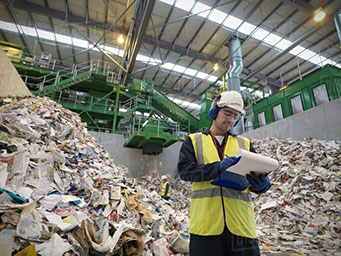
In the dynamic world of business, product destruction plays a pivotal role in maintaining operational efficiency, regulatory compliance, and environmental responsibility. This process involves the systematic disposal of unsellable, defective, or obsolete products, ensuring that companies can manage their inventory without incurring unnecessary costs or risks. By streamlining product destruction processes, businesses can reduce waste, minimize liabilities, and even uncover opportunities for recycling or repurposing. This article explores strategies to optimize these procedures, drawing on industry insights to help organizations achieve greater effectiveness and sustainability.
| For landfill-free waste, recycling and product destruction services, including sorting, baling, shredding and compaction equipment, or to explore earning money from your recycling, contact Integrity Recycling Waste Solutions at (866) 651-4797. |
Understanding the Fundamentals of Product Destruction
Before delving into optimization strategies, it’s crucial to establish a solid foundation in what product destruction entails. This involves recognizing it not just as a disposal method, but as an integral part of supply chain management that can influence a company’s reputation, financial health, and environmental footprint. By grasping the basics, businesses can identify areas for improvement and avoid common pitfalls that lead to inefficiencies.
Defining Product Destruction
Product destruction is the controlled process of rendering items unusable, often through methods like shredding, incineration, or chemical neutralization, to prevent them from re-entering the market or causing harm. This practice is essential in industries such as pharmaceuticals, electronics, and fashion, where product integrity must be maintained to protect consumer safety and brand value. For instance, a recalled pharmaceutical might need destruction to avoid health risks, while outdated electronics could contain hazardous materials that require specialized handling. Beyond mere disposal, product destruction encompasses ethical and legal considerations, ensuring that materials are managed in a way that minimizes environmental impact. Companies must balance cost-effectiveness with sustainability, often integrating recycling where possible to recover valuable components. This holistic approach not only complies with regulations but also aligns with corporate social responsibility goals.
Reasons for Implementing Product Destruction
There are multiple drivers behind product destruction, ranging from regulatory mandates to market demands. One primary reason is to mitigate risks associated with product liability; for example, destroying defective goods prevents potential lawsuits or damage to a company’s image. In the retail sector, seasonal overstock might necessitate destruction to free up warehouse space and maintain cash flow. Additionally, product destruction supports environmental stewardship by ensuring that hazardous substances are disposed of properly, reducing pollution and conserving resources. Businesses that proactively manage this process can gain a competitive edge, as consumers increasingly favor brands that demonstrate eco-friendly practices. This proactive stance not only safeguards against legal penalties but also fosters innovation in waste reduction technologies.
Regulatory and Ethical Considerations
Navigating the legal landscape is a critical aspect of product destruction, with various regulations dictating how and when products must be destroyed. For instance, in the EU, the Waste Electrical and Electronic Equipment (WEEE) directive requires specific handling of electronic waste, emphasizing recycling over destruction. Ethically, companies must consider the broader implications, such as the carbon footprint of destruction methods and the potential for community impact. By adhering to these standards, organizations can avoid fines and build trust with stakeholders. Moreover, integrating ethical considerations into product destruction processes can lead to innovative solutions, like partnering with recycling firms to repurpose materials, thereby turning a cost center into a value-creating activity.
Identifying Inefficiencies in Current Product Destruction Processes
Recognizing flaws in existing systems is the first step toward streamlining product destruction. Many businesses operate with outdated or fragmented processes that result in wasted resources, increased costs, and compliance risks. This section highlights common inefficiencies and provides insights into auditing and diagnosing problems, paving the way for targeted improvements.
Common Inefficiencies and Their Impacts
Inefficiencies in product destruction often stem from poor planning, such as manual tracking systems that lead to errors or delays. For example, a company might use paper-based records for inventory, resulting in misidentified items that are either destroyed prematurely or overlooked, leading to storage costs and potential liabilities. These issues can escalate expenses and erode profitability, as each mishandled product represents a lost opportunity for cost recovery through resale or recycling. Moreover, inefficiencies can harm the environment; improper destruction methods might release toxins, contravening sustainability goals. By addressing these pain points, businesses can enhance operational flow and reduce the carbon footprint associated with product destruction.
Conducting an Audit of Existing Processes
A thorough audit is essential to uncover hidden inefficiencies in product destruction workflows. This involves mapping out the entire process from identification of unsellable items to final disposal, using tools like process flow diagrams to pinpoint bottlenecks. For instance, auditing might reveal that transportation logistics are a major time sink, with products being shuttled between multiple facilities unnecessarily. Through data analysis, companies can quantify impacts, such as calculating the cost per unit destroyed and comparing it to industry benchmarks. This diagnostic approach not only highlights areas for improvement but also engages employees in identifying practical solutions, fostering a culture of continuous enhancement.
Stakeholder Analysis and Involvement
Involving key stakeholders is vital when assessing product destruction inefficiencies, as their insights can reveal overlooked issues. Stakeholders might include warehouse managers, compliance officers, and even external partners like destruction service providers. For example, a logistics team could point out that current scheduling practices cause rush orders, increasing labor costs and error rates. By conducting interviews and workshops, businesses can build a collaborative environment that encourages transparency. This inclusive strategy not only improves process accuracy but also ensures that changes are sustainable and supported across the organization.
Implementing Streamlined Strategies for Product Destruction
With inefficiencies identified, the focus shifts to actionable strategies for streamlining product destruction. This involves leveraging technology, adopting best practices, and fostering a culture of efficiency to transform the process into a streamlined operation that saves time and resources.
Leveraging Technology and Automation
Technology plays a transformative role in streamlining product destruction, automating repetitive tasks to reduce human error and speed up operations. For instance, implementing RFID tagging allows for real-time tracking of products destined for destruction, ensuring that only eligible items are processed and minimizing waste. Automated systems can also integrate with inventory management software, triggering destruction workflows based on predefined criteria like expiration dates or defect reports. Beyond efficiency, these tools provide data analytics that inform decision-making, such as optimizing destruction schedules to coincide with bulk transport, thereby cutting logistics costs. By embracing automation, businesses not only enhance accuracy but also free up staff for higher-value activities.
Developing Efficient Workflows and Partnerships
Creating efficient workflows requires a holistic redesign of product destruction processes, often involving strategic partnerships. Businesses can collaborate with specialized destruction firms that offer services like on-site shredding or certified recycling, reducing the need for internal resources. For example, partnering with a company that handles hazardous materials can ensure compliance while streamlining the disposal chain. Workflow optimization might include standardizing procedures, such as using a centralized database for approval processes, which cuts down on administrative delays. This approach not only improves speed and cost-effectiveness but also enhances scalability, allowing businesses to adapt to fluctuating demand without proportional increases in effort.
Training and Change Management
- Effective implementation of streamlined product destruction hinges on proper training and managing change within the organization. Staff must be equipped with the knowledge to handle new processes, such as operating automated systems or adhering to updated protocols. Training sessions can include hands-on simulations, helping employees understand the benefits and reducing resistance to change. Moreover, change management involves communicating the rationale behind improvements, perhaps through workshops that highlight cost savings and environmental benefits. By fostering buy-in, companies can ensure that streamlined processes are adopted smoothly, leading to sustained efficiency gains.
Measuring Success and Continuous Improvement in Product Destruction
After implementing changes, it’s essential to measure the impact of streamlined product destruction processes and commit to ongoing refinement. This ensures that efficiencies are maintained and that the organization continues to evolve in response to new challenges and opportunities.
Key Performance Indicators (KPIs) for Evaluation
Establishing KPIs is critical for assessing the success of product destruction streamlining efforts. Metrics such as cost per unit destroyed, time from identification to disposal,
Measuring Success and Continuous Improvement in Product Destruction
Establishing a robust framework for evaluating the efficiency of product destruction operations is critical. It centers around identifying and monitoring key performance indicators (KPIs) that reflect the effectiveness of newly implemented processes. This section outlines vital KPIs, techniques for data collection, and the importance of adaptability in driving continuous improvement.
Key Performance Indicators (KPIs) for Evaluation
Establishing KPIs is critical for assessing the success of product destruction streamlining efforts.
Metrics such as cost per unit destroyed, time from identification to disposal, and compliance rates provide valuable insights into the operational efficiency of destruction processes. For example, tracking cost per unit destroyed can reveal trends over time, identifying whether recent measures have been economically beneficial. An organization may find that the introduction of automated systems has successfully reduced costs due to minimized labor hours required for manual tracking, thereby allowing management to allocate funds to other crucial areas.
Additionally, time metrics, such as the average time taken from identifying a product for destruction to its final disposal, can highlight areas where the processing time can be further optimized. If time frames remain unacceptably long, it may signal bottlenecks or delays within the process that must be addressed. By utilizing both cost and time analytics, companies can foster a deeper understanding of how operational changes directly affect profit margins and customer satisfaction.
Compliance rates are equally important in the context of product destruction. Optimizing disposal processes not only enhances efficiency but also reduces the risk of non-compliance with relevant regulations. By tracking incidents of regulatory breaches or customer complaints following disposal activities, organizations can ensure that they remain within legal and ethical standards, minimizing potential litigations or reputational damage.
Techniques for Data Collection and Analysis
Having established KPIs, the next challenge lies in sourcing quality data to quantify performance outcomes.
Utilizing technology for real-time data collection can significantly enhance evaluation accuracy. For instance, incorporating RFID chips during the product destruction phase equips companies with immediate insights into inventory levels and disposal status. Combined with cloud-based systems, businesses can access data from multiple locations and derive meaningful analytics across the entire operation.
Moreover, conducting regular surveys or feedback sessions with employees involved in the product destruction process can yield qualitative data that provides context to the numbers. Employees on the ground often have the most intimate knowledge of inefficiencies and can offer suggestions that statistical analysis might overlook. Thus, integrating quantitative findings with qualitative insights leads to a comprehensive view of performance.
Once data is collected, businesses should employ effective analysis techniques to translate numbers into actionable insights. Employing methods such as Six Sigma or Lean processes can streamline analysis results, helping management pinpoint wasteful practices and prioritize improvement initiatives. In this way, the organization can benefit from a data-driven approach that maintains speed and efficiency while refining processes.
Importance of Adaptability in Continuous Improvement
Ultimately, the goal of measuring success in product destruction extends beyond immediate results. It is about establishing an adaptive framework that fosters a culture of continuous improvement.
In fast-evolving markets, organizations must remain vigilant and responsive to shifting demands and sustainable practices. For instance, growing stakeholder awareness around environmental issues necessitates improving destruction methods that adhere to corporate social responsibility goals. By routinely assessing their impact, businesses can pivot and invest in more sustainable destruction technologies or practices.
Furthermore, fostering a culture of innovation will encourage employees to propose new ideas for improving destruction processes continually. Organizations should establish open channels for communication, so employees feel empowered to discuss their experiences and propose enhancements to existing methods. By cultivating an internal ecosystem that supports experimentation and learning, companies can sustain momentum in achieving operational efficiencies.
In summary, the measurement of success in product destruction does not conclude with the achievement of KPIs. Establishing an adaptable approach ensures that the organization progresses with industry standards and regulations, enhancing both sustainability and profitability in operation. The commitment to continuous improvement is integral in creating a resilient and efficient operational landscape.
Conclusion
In conclusion, enhancing the efficiency of product destruction processes is paramount in today’s fast-paced business environment. Identifying inefficiencies, implementing streamlined strategies, and measuring success through well-defined KPIs sets the stage for significant improvements. By leveraging technology, fostering strategic partnerships, and ensuring stakeholder involvement, companies can boost operational efficiency and reduce costs. Ultimately, embracing a culture of continuous improvement and adaptability will position organizations to not only meet but exceed industry standards, which is essential for achieving long-term success in product lifecycle management. In doing so, businesses can protect their bottom line while upholding their commitment to sustainability and regulatory compliance.
| For landfill-free waste, recycling and product destruction services, including sorting, baling, shredding and compaction equipment, or to explore earning money from your recycling, contact Integrity Recycling Waste Solutions at (866) 651-4797. |