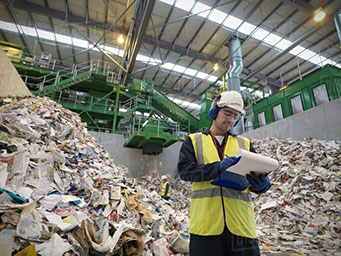
In today’s fast-paced and highly competitive market, product destruction is an essential practice that goes beyond mere disposal. It involves the systematic and ethical elimination of unsold, recalled, or obsolete products to prevent unauthorized resale, counterfeiting, and environmental harm. By adopting responsible product destruction strategies, brands can protect their reputation, ensure compliance with regulations, and contribute to sustainability efforts, ultimately strengthening their market position and consumer trust.
| For landfill-free waste, recycling and product destruction services, including sorting, baling, shredding and compaction equipment, or to explore earning money from your recycling, contact Integrity Recycling Waste Solutions at (866) 651-4797. |
Understanding Product Destruction
Product destruction is often overlooked in business strategies, yet it plays a pivotal role in maintaining brand integrity and operational efficiency. This section delves into the foundational aspects of product destruction, exploring its definitions, purposes, and the critical need for responsible approaches. By examining these elements, businesses can better appreciate how product destruction is not just a reactive measure but a proactive step toward fortifying their brand against various risks.
Defining Product Destruction
Product destruction refers to the intentional and controlled process of rendering products unusable, often to prevent them from entering unauthorized markets or causing harm. This practice encompasses a range of methods, from shredding electronics to incinerating hazardous materials, and is guided by legal, ethical, and environmental standards.
At its core, product destruction is about risk management. For instance, companies might destroy excess inventory to avoid dilution of brand value or to comply with safety regulations. Unlike simple disposal, responsible product destruction involves documenting the process, ensuring data security (especially for electronics), and minimizing environmental impact through recycling or energy recovery.
Moreover, product destruction can be a strategic tool for brands. It helps in controlling the supply chain by preventing counterfeit goods or gray market sales, which could undermine pricing strategies and consumer trust. In essence, when executed responsibly, product destruction transforms a potential liability into an opportunity for brand enhancement.
By integrating product destruction into broader business operations, companies can demonstrate commitment to corporate social responsibility. This not only aids in legal compliance but also fosters a positive public image, as consumers increasingly favor brands that prioritize sustainability and ethical practices.
Reasons for Product Destruction
There are multiple drivers behind the need for product destruction, stemming from regulatory requirements, business strategies, and market dynamics. One primary reason is regulatory compliance; many industries, such as pharmaceuticals and automotive, face strict laws mandating the destruction of defective or expired products to protect public health and safety.
Another key factor is inventory management. Businesses often deal with overstock or seasonal items that, if not destroyed, could be diverted to unauthorized channels. This diversion can lead to price erosion and brand devaluation, making product destruction a necessary step to maintain control over product lifecycle.
Additionally, product destruction addresses security concerns, particularly with high-value or sensitive items. For example, destroying outdated electronics ensures that personal data isn’t compromised, aligning with data protection laws like GDPR. This proactive approach not only mitigates risks but also reinforces brand reliability in an era where data breaches can cause irreparable damage.
Ultimately, the reasons for product destruction are interconnected with broader business goals. By addressing these factors responsibly, brands can avoid costly recalls, legal penalties, and reputational harm, positioning product destruction as a strategic investment rather than a mere expense.
Common Scenarios Requiring Destruction
Product destruction becomes imperative in various scenarios, each presenting unique challenges and opportunities for brands. One common situation is product recalls, where safety issues or defects necessitate immediate action to remove items from circulation. This not only protects consumers but also preserves brand trust by demonstrating accountability.
Another scenario involves end-of-life products, such as electronics or fashion items, that are no longer sellable. Destroying these prevents them from flooding secondary markets, which could compete with new offerings and dilute brand exclusivity. Responsible methods, like recycling components, can even turn this into a sustainability win.
Counterfeiting threats also trigger product destruction. Brands might destroy seized counterfeit goods to eliminate competition and protect intellectual property. This act not only safeguards market share but also sends a strong message about the brand’s commitment to authenticity.
In summary, these scenarios highlight the versatility of product destruction in brand management. By handling each case with responsibility, companies can turn potential crises into demonstrations of ethical leadership, enhancing their overall market resilience.
The Importance of Responsible Practices in Product Destruction
Responsible product destruction is not just a compliance checkbox; it’s a cornerstone of sustainable and ethical business operations. This section emphasizes why adopting such practices is crucial for brands aiming to fortify their image and long-term viability. By focusing on environmental, legal, and reputational aspects, we explore how product destruction can be leveraged to build stronger consumer relationships and operational integrity.
Environmental Implications of Product Destruction
The environmental impact of product destruction cannot be overstated, as improper methods can contribute significantly to pollution and resource depletion. Responsible practices, however, prioritize sustainability by incorporating recycling, energy recovery, and waste minimization strategies.
For instance, when brands opt for certified destruction facilities that adhere to ISO standards, they ensure that materials are handled in an eco-friendly manner. This might involve breaking down products to salvage reusable components, reducing the need for virgin resources and lowering carbon footprints.
Engaging in responsible product destruction also aligns with global initiatives like the circular economy, where waste is minimized through innovative reuse. Brands that publicly commit to these practices can differentiate themselves in a market where consumers are increasingly environmentally conscious.
By addressing environmental concerns proactively, companies not only reduce their ecological footprint but also enhance brand loyalty. Consumers are more likely to support brands that demonstrate genuine care for the planet, making responsible product destruction a key differentiator in competitive landscapes.
Legal and Regulatory Compliance
Navigating the legal landscape of product destruction is essential to avoid penalties and maintain operational smoothness. Regulations vary by region, but they often mandate specific protocols for handling hazardous materials, data security, and waste disposal.
Compliance involves more than following rules; it’s about integrating product destruction into a robust risk management framework. For example, industries like pharmaceuticals must adhere to FDA guidelines for destroying expired drugs to prevent misuse, while tech companies face scrutiny under data protection laws.
Failing to comply can result in hefty fines, legal actions, and reputational damage. Conversely, brands that exceed regulatory requirements by adopting best practices can gain certifications that bolster their market position.
In essence, responsible product destruction ensures that brands operate within legal boundaries while fostering trust. This commitment to compliance not only protects the company but also reinforces its role as a responsible corporate citizen.
Reputational Benefits for Brands
The reputational advantages of responsible product destruction are profound,
The Importance of Responsible Practices in Product Destruction
Responsible product destruction is not just a compliance checkbox; it’s a cornerstone of sustainable and ethical business operations. This section emphasizes why adopting such practices is crucial for brands aiming to fortify their image and long-term viability. By focusing on environmental, legal, and reputational aspects, we explore how product destruction can be leveraged to build stronger consumer relationships and operational integrity.
Environmental Implications of Product Destruction
The environmental impact of product destruction cannot be overstated, as improper methods can contribute significantly to pollution and resource depletion. Responsible practices, however, prioritize sustainability by incorporating recycling, energy recovery, and waste minimization strategies.
Brands opting for certified destruction facilities that adhere to ISO standards can significantly mitigate their environmental footprint. One prevalent method in responsible product destruction is recycling. For instance, electronics manufacturers that dismantle outdated devices not only salvage valuable metals and plastics but also minimize the need for virgin resources. This process plays a vital role in conservation efforts, lowering overall carbon footprints associated with the manufacturing of new products.
Moreover, energy recovery techniques allow brands to convert unusable products into energy. By utilizing incineration with energy capture, waste that cannot be recycled is repurposed, thus providing an alternative energy source while reducing reliance on fossil fuels. This forward-thinking approach not only supports environmental sustainability but also positions a company as a leader in responsible waste management.
Engaging in responsible product destruction also aligns with global initiatives like the circular economy, where waste is minimized through innovative reuse. By emphasizing a cycle of resource recovery rather than disposal, companies such as fashion brands and electronics manufacturers can actively contribute to environmental stewardship. When brands publicly commit to these practices, they can differentiate themselves in a market where consumers are increasingly environmentally conscious, thereby enhancing customer loyalty and brand perception.
By addressing environmental concerns proactively, companies not only reduce their ecological footprint but also enhance brand loyalty. Consumers are increasingly likely to support brands that demonstrate genuine care for the planet. Responsible product destruction is essential for long-term sustainability and a key differentiator in competitive landscapes.
Legal and Regulatory Compliance
Navigating the legal landscape of product destruction is essential to avoid penalties and maintain operational smoothness. Regulations vary by region, but they often mandate specific protocols for handling hazardous materials, data security, and waste disposal.
Compliance involves more than just adhering to rules; it requires integrating product destruction into a robust risk management framework. For instance, companies in the pharmaceutical industry must strictly follow FDA guidelines for destroying expired drugs. These regulations are enforced to prevent misuse and protect public health, underscoring the importance of responsible destruction practices.
Tech companies are particularly burdened by data protection laws like the General Data Protection Regulation (GDPR), which obligates them to ensure all data is irretrievably erased before destruction. This involves employing rigorous processes and verifiable methods that demonstrate compliance during audits. Failure to comply with these laws can lead to significant fines and damage to corporate reputation, highlighting the necessity of precision and accountability in these practices.
Conversely, brands that exceed regulatory requirements not only avoid penalties but may gain certifications that enhance their market position. For example, ISO 14001 certification for environmental management can be a strong selling point, showcasing a company’s commitment to sustainability.
In essence, responsible product destruction ensures that brands operate within legal boundaries while fostering trust among stakeholders and consumers alike. This commitment to compliance not only protects the company but also reinforces its role as a responsible corporate citizen, portraying an image of reliability and integrity to both consumers and business partners.
Reputational Benefits for Brands
The reputational advantages of responsible product destruction are profound and multifaceted. In an age where consumers are increasingly concerned about sustainability and corporate ethics, how brands handle their end-of-life products can significantly impact their standing in the market.
A commitment to ethical disposal practices signals to consumers that a brand values integrity. By transparently communicating their destruction methods—whether through eco-friendly recycling or energy recovery—companies can foster deeper connections with their audiences. For instance, a brand receiving positive media coverage for its responsible destruction efforts can build trust and goodwill among environmentally-conscious consumers, enhancing brand advocacy.
Furthermore, brands that act decisively during recall situations demonstrate accountability. For example, high-profile cases in the food industry have shown that quick and responsible product destruction can restore customer trust after recalls. Companies that openly articulate their commitment to safety and compliance often operate from a position of strength, laying the groundwork for consumer loyalty even after a crisis.
Additionally, participation in community and environmental initiatives can further bolster a brand’s reputation. Companies that engage in or sponsor recycling events, educational programs on responsible disposal, or clean-up drives present themselves as proactive members of the community. Such efforts not only promote environmental consciousness but also create positive associations with the brand.
In summary, the reputational benefits derived from responsible product destruction extend beyond just consumer trust—they encompass a broad spectrum of stakeholder relationships. By prioritizing ethical practices, companies position themselves as leaders in sustainability and corporate responsibility, making responsible product destruction an essential element of their brand strategy.
Conclusion
In conclusion, the intricate world of product destruction presents both challenges and opportunities for brands willing to embrace responsibility. From the environmental implications to legal compliance and reputational benefits, each aspect plays a pivotal role in how companies engage with their products and consumers.
As more brands look toward sustainable practices, the emphasis on responsible product destruction will become a cornerstone of ethical business operations. Companies that navigate this landscape thoughtfully not only safeguard their brand image and build consumer trust but also contribute positively to the planet. Ultimately, embracing responsible product destruction is not a burden, but rather an investment in a brand’s future relevance and credibility in an ever-evolving marketplace.
| For landfill-free waste, recycling and product destruction services, including sorting, baling, shredding and compaction equipment, or to explore earning money from your recycling, contact Integrity Recycling Waste Solutions at (866) 651-4797. |