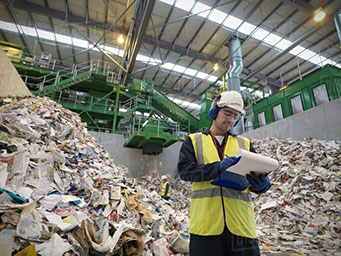
The destruction of pharmaceutical products is a critical aspect of healthcare management that involves more than just the simple act of discarding expired or unused medications. It embodies a complex process that requires careful planning, adherence to safety standards, and environmental considerations. Proper disposal methods are essential not only to prevent misuse and accidental poisoning but also to mitigate risks to public health and ecological balance. This article explores the multifaceted challenges, best practices, and innovative approaches involved in the destruction of pharmaceutical products, emphasizing the importance of responsible handling to protect communities and our planet.
| For landfill-free waste, recycling and product destruction services, including sorting, baling, shredding and compaction equipment, or to explore earning money from your recycling, contact Integrity Recycling Waste Solutions at (866) 651-4797. |
Understanding the Complexity of Disposing of Pharmaceutical Products
Disposal of pharmaceuticals is far more complicated than tossing bottles into the trash or flushing them down the toilet. The process involves a thorough understanding of the various types of medicines, their chemical properties, potential hazards, and the environmental impact of improper disposal methods. Each step in the destruction process must be carefully calibrated to ensure efficacy while minimizing risks.
Pharmaceuticals encompass a broad spectrum of substances, including controlled substances like narcotics, chemotherapeutic agents, and chemicals with high toxicity. These substances require specialized handling procedures due to their hazardous nature. Moreover, the increasing prevalence of counterfeit and expired drugs further complicates disposal protocols, demanding stringent regulations and oversight. The challenge lies in balancing effective removal from circulation with environmentally sustainable practices, ensuring that no residual harm remains.
In addition, legal frameworks governing drug disposal differ across regions, adding another layer of complexity. Some countries mandate specific incineration methods, while others promote collection programs like take-back schemes or designated drop-off points. Understanding these regulatory landscapes is essential for healthcare providers, pharmacies, and pharmaceutical manufacturers committed to responsible stewardship.
The Chemical and Toxicological Diversity of Pharmaceuticals
The vast diversity of pharmaceutical compounds calls for tailored disposal strategies. For instance, biologics, such as vaccines, require different handling compared to small-molecule drugs. Chemotherapy agents pose significant risks due to their mutagenic and carcinogenic potential, necessitating containment and special incineration techniques. Conversely, some over-the-counter medications are less hazardous but still demand proper disposal to prevent environmental contamination.
Understanding the chemical makeup of pharmaceuticals helps determine the appropriate destruction method. Hazardous chemicals may require advanced incineration at high temperatures or chemical neutralization processes to break down toxic components safely. Non-toxic drugs might be suitable for landfill disposal if local regulations permit, though this is increasingly discouraged due to potential leaching into groundwater.
The Regulatory Environment and Its Influence on Disposal Methods
Regulatory agencies like the FDA in the United States, EMA in Europe, and other national bodies set strict guidelines for pharmaceutical waste management. These regulations often specify acceptable disposal methods, documentation procedures, and security measures for controlled substances to prevent diversion or misuse.
Adherence to these regulations is essential for compliance and public safety. For example, many jurisdictions mandate incineration at certified facilities that can handle hazardous waste safely. Some countries have implemented pharmaceutical take-back programs, where consumers and healthcare providers return unused medicines for safe disposal, reducing the likelihood of improper disposal.
The Environmental Impact of Inappropriate Disposal
Illicit or improper disposal of medicines, such as flushing drugs down toilets or throwing them into regular trash, has severe environmental consequences. Many pharmaceuticals are persistent in nature and can contaminate water sources, affecting aquatic life and potentially entering human drinking water supplies.
Studies have documented traces of antidepressants, hormones, antibiotics, and other active compounds in rivers and lakes, raising concerns about ecological disruption and antibiotic resistance. These environmental hazards underscore the need for effective destruction strategies that eliminate active compounds without harming ecosystems.
The Role of Education and Public Awareness
A significant barrier to proper pharmaceutical disposal is lack of awareness among consumers and healthcare providers. Many people are unaware of the environmental risks associated with improper disposal methods or the availability of convenient collection programs.
Educational campaigns, clear labeling, and accessible information can improve compliance with safe disposal practices. Community engagement initiatives can foster a culture of responsibility, encouraging individuals to participate actively in medication take-back schemes and adhere to disposal guidelines.
| For landfill-free waste, recycling and product destruction services, including sorting, baling, shredding and compaction equipment, or to explore earning money from your recycling, contact Integrity Recycling Waste Solutions at (866) 651-4797. |
Best Practices in the Destruction of Pharmaceutical Products
Ensuring safe and environmentally friendly disposal of pharmaceuticals requires implementing best practices rooted in scientific evidence and regulatory compliance. These practices should aim to neutralize hazardous substances effectively, prevent diversion, and reduce ecological impact.
This section discusses proven methods and innovative approaches to pharmaceutical destruction, emphasizing their advantages and limitations.
Physical and Chemical Neutralization Techniques
Physical methods involve rendering pharmaceuticals unusable through processes such as crushing, heating, or mixing with inert materials. Chemical neutralization uses reagents to decompose active compounds into harmless substances.
For example, chemical digestion with strong acids or alkalis can break down complex molecules, rendering them inactive. This approach is often used in controlled environments like hospital laboratories or authorized disposal facilities. However, it requires expertise and safety precautions to prevent chemical spills or reactions.
Incineration – The Gold Standard
High-temperature incineration remains the most widely accepted method for destroying hazardous pharmaceuticals, especially controlled substances and cytotoxic agents. Modern incinerators operate at temperatures exceeding 900°C, ensuring complete combustion of toxic compounds.
Choosing the right incineration facility is crucial; it must meet environmental emission standards to prevent air pollution. Advanced units incorporate filtration systems like scrubbers and electrostatic precipitators, capturing harmful emissions before they escape into the atmosphere. Incineration minimizes residual risks and is suitable for large volumes of waste.
Innovative Technologies and Emerging Solutions
Research into novel disposal technologies aims to improve efficiency, reduce costs, and minimize environmental footprints. Examples include:
- Supercritical water oxidation: Uses high-temperature, high-pressure water to oxidize pharmaceuticals into carbon dioxide and water, offering a clean alternative to incineration.
- Plasma arc technology: Employs high-energy plasma to decompose waste at molecular levels, producing inert gases and slag.
- Enzymatic degradation: Exploring biological enzymes capable of breaking down certain pharmaceuticals, potentially enabling eco-friendly on-site disposal.
These emerging solutions hold promise but require extensive validation, infrastructure investment, and regulatory approval before wide adoption.
Implementing Take-Back Programs and Community Collection Points
One of the most effective community-based methods to manage pharmaceutical waste is establishing take-back programs. Pharmacies, hospitals, and local authorities collaborate to provide secure collection bins where consumers can drop off unused or expired medications.
Such programs reduce the risk of misuse, accidental poisoning, and environmental contamination. They also foster public awareness regarding responsible disposal. Effective implementation depends on clear communication, convenient locations, and proper logistical arrangements for transportation and incineration.
| For landfill-free waste, recycling and product destruction services, including sorting, baling, shredding and compaction equipment, or to explore earning money from your recycling, contact Integrity Recycling Waste Solutions at (866) 651-4797. |
Challenges and Opportunities in Managing the Destruction of Pharmaceutical Products
Despite advancements, several barriers hinder optimal pharmaceutical waste management, including logistical, financial, regulatory, and societal factors. Recognizing these challenges enables stakeholders to develop targeted solutions and seize opportunities for improvement.
Logistical and Infrastructure Barriers
Many regions lack the infrastructure necessary for safe pharmaceutical destruction, especially in low-resource settings. Limited access to certified incinerators, transportation networks, and trained personnel hampers effective disposal.
Overcoming these barriers involves investing in modern disposal facilities, mobile incineration units, and capacity building. International collaborations and funding can facilitate the development of centralized destruction centers, ensuring consistent practices across regions.
Financial Considerations
Cost remains a significant obstacle, particularly for small healthcare providers or community organizations. Incineration and specialized neutralization processes entail expenses related to equipment, operation, and waste transport.
Innovative financing models and government subsidies can alleviate financial burdens. Additionally, integrating pharmaceutical disposal costs into healthcare budgets encourages accountability and sustainability.
Regulatory Harmonization and Enforcement
Discrepancies in regulations across countries create confusion and loopholes. Strong enforcement mechanisms are vital to ensure compliance and prevent illegal dumping or unregulated disposal methods.
Harmonizing regulations internationally, guided by organizations like WHO, can streamline practices and facilitate cross-border cooperation. Ongoing monitoring and enforcement are equally important to uphold standards.
Societal Engagement and Behavioral Change
Public attitudes and behaviors significantly influence disposal outcomes. Resistance to participating in take-back programs or lack of awareness about disposal procedures impede progress.
Educational initiatives, social marketing campaigns, and community involvement can foster responsible behaviors. Engaging local leaders and healthcare professionals enhances credibility and outreach effectiveness.
Conclusion
The destruction of pharmaceutical products is an intricate process that demands a comprehensive understanding of chemical hazards, regulatory requirements, environmental impacts, and societal behavior. Effective disposal methods, including high-temperature incineration, chemical neutralization, and emerging technologies, are vital to safeguarding public health and ecosystems. Overcoming logistical, financial, and regulatory challenges requires coordinated efforts among governments, healthcare providers, communities, and industry stakeholders. Promoting awareness and responsible participation through robust education and accessible collection programs will pave the way toward safer, sustainable pharmaceutical waste management. Ultimately, meticulous and innovative approaches to pharmaceutical destruction serve as a cornerstone for a healthier society and a cleaner environment.
Remember: Proper disposal isn’t just about compliance—it’s a shared responsibility that protects future generations from preventable harms.
| For landfill-free waste, recycling and product destruction services, including sorting, baling, shredding and compaction equipment, or to explore earning money from your recycling, contact Integrity Recycling Waste Solutions at (866) 651-4797. |