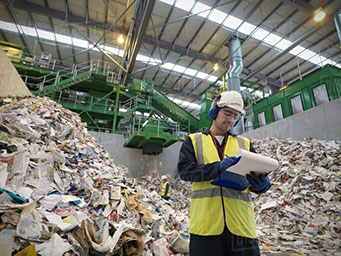
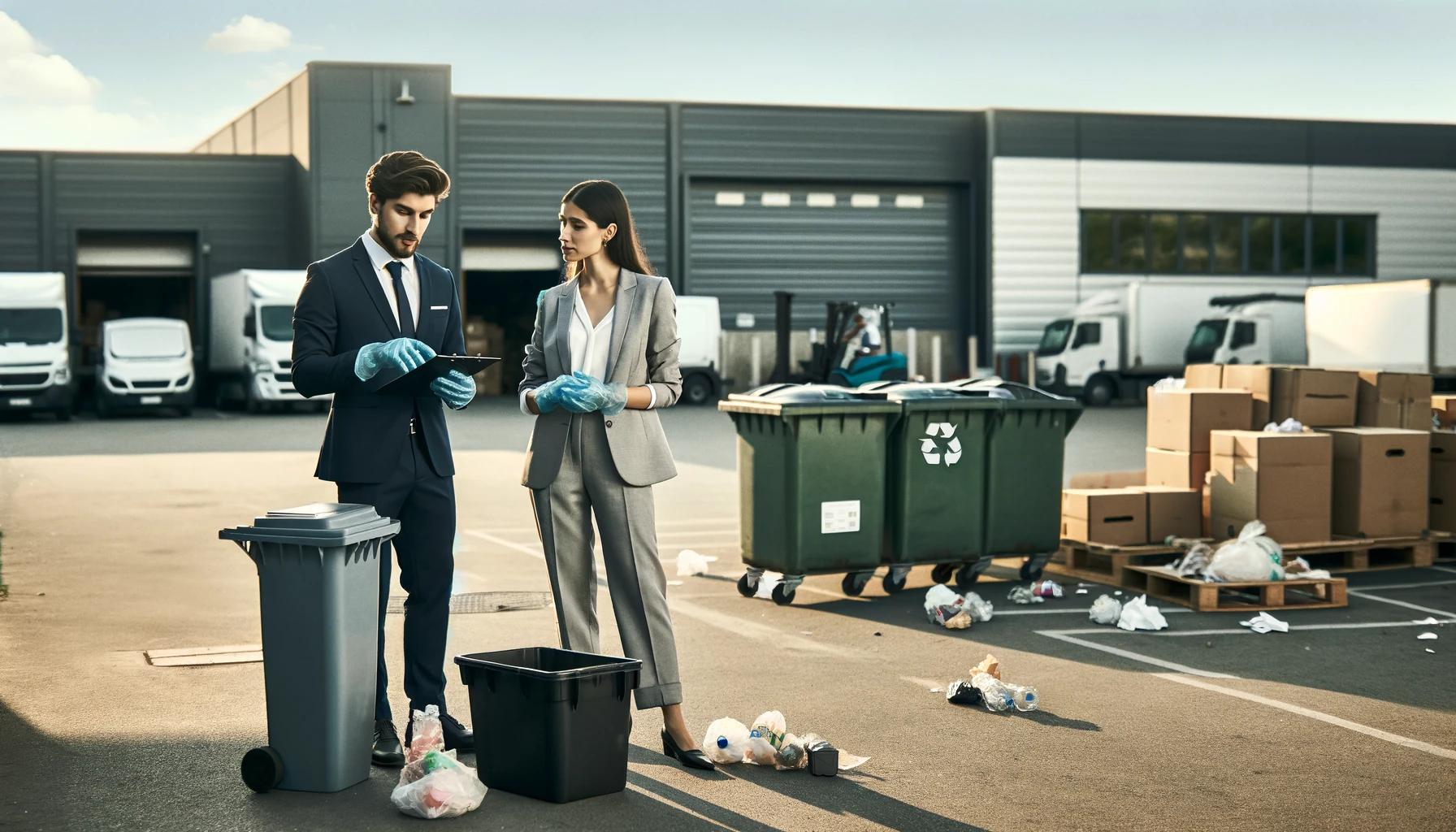
In the modern landscape of global commerce and environmental responsibility, the destruction of products emerges as a vital yet often overlooked process. It encompasses much more than discarding unused or expired items; it is a complex operation that intertwines safety, legal compliance, environmental impact, corporate reputation, and innovation. As industries grow increasingly conscious of their ecological footprint, understanding the nuanced facets of product destruction becomes essential not only for compliance but also for fostering sustainable development. This article explores the multifaceted nature of product destruction, examining its importance, methodologies, regulations, environmental considerations, future prospects, and innovative approaches transforming how businesses manage obsolete or unsellable inventory.
| For landfill-free waste, recycling and product destruction services, including sorting, baling, shredding and compaction equipment, or to explore earning money from your recycling, contact Integrity Recycling Waste Solutions at (866) 651-4797. |
Understanding the Concept and Significance of Product Destruction
The destruction of products is far from a simple act of disposal; it is a strategic component of supply chain management and corporate responsibility. This process involves carefully planned procedures designed to eliminate products that are no longer viable, either due to expiration, defects, or obsolescence. These activities serve multiple purposes, including protecting consumer safety, maintaining brand integrity, and complying with legal standards. Moreover, they are integral to environmental stewardship, ensuring that waste is managed responsibly, reducing pollution and resource wastage.
In today’s competitive market, companies often grapple with what to do with excess or defective goods. Mishandling this aspect can lead to significant risks—legal repercussions, damage to reputation, or environmental harm. Therefore, the destruction of products must be executed thoughtfully, balancing efficacy with sustainability. It emphasizes that destruction is not merely an end-of-life procedure but a strategic decision aligned with business ethics and societal expectations. For instance, pharmaceutical companies must destroy expired drugs securely to prevent misuse, while fashion brands might destroy unsold inventory to maintain exclusivity and brand image.
The significance of proper product destruction is magnified amidst increasing regulatory scrutiny worldwide. Governments impose strict guidelines—requiring documented proof of destruction, certification, and adherence to safety standards. Non-compliance can result in hefty fines or legal action, emphasizing the need for systematic protocols. Furthermore, consumer awareness about environmental issues has grown, meaning companies also face pressure to demonstrate responsible waste management. Proper destruction thus becomes a safeguard for reputation, customer trust, and social accountability.
By integrating effective destruction methods into their operational frameworks, businesses can mitigate risks, uphold compliance, and even turn waste into opportunities. Garbage or waste products might be repurposed, recycled, or used as raw materials for energy via advanced technologies, reflecting a circular economy model. In this context, destruction of products is a crucial link connecting safety, legislation, environmental health, and innovation—making it an indispensable aspect of sustainable enterprise practices.
Various Methods of Product Destruction – Choosing the Best Approach for Different Industries
The landscape of product destruction is diverse, requiring tailored approaches depending on the industry, type of product, and environmental considerations. Each method carries distinct advantages, challenges, and implications for safety and sustainability. Selecting the appropriate technique is critical to ensure thorough decommissioning while minimizing adverse effects on the environment and society.
Before delving into specific methods, it’s essential to understand that the goal extends beyond mere disposal. Companies aim to destroy products securely, comply with legal standards, prevent misuse or resale, and limit ecological impact. A comprehensive assessment of the product’s nature—whether hazardous, perishable, or high-value—is necessary to determine the most suitable destruction method.
Incineration and Thermal Treatment
One of the most traditional and widely used methods involves incineration, where products are burned at high temperatures to convert them into ash, gases, and heat. This approach effectively destroys biological hazards like pharmaceuticals or contaminated medical devices, preventing any risk of reuse or contamination.
However, incineration’s environmental footprint is significant, as it often releases greenhouse gases and toxic emissions unless equipped with advanced filtration systems. Modern facilities adopt cleaner technologies, utilizing energy recovery systems to convert waste heat into electricity, aligning with sustainability goals.
While incineration is efficient for hazardous waste, it may not be suitable for all product types, especially those containing recyclable materials or substances that could release harmful pollutants. Its adoption depends heavily on regulatory approval and infrastructure investment, making it more prevalent in sectors like healthcare and chemical manufacturing.
Mechanical Destruction – Shredding and Crushing
Mechanical methods such as shredding, crushing, or milling are common across industries like apparel, electronics, and automotive parts. These techniques physically break down products into smaller fragments, rendering them unusable or unrecognizable.
Shredding is particularly effective for large quantities of unsellable merchandise or counterfeit goods, helping to prevent secondary markets or illegal resale. In electronics, crushing facilitates the separation of metals and plastics for recycling, promoting circular economy practices.
Despite being relatively straightforward, mechanical destruction requires careful handling to control dust, noise, and potential hazardous material exposure. Additionally, shredded waste can sometimes be recycled further, offering an opportunity for resource recovery rather than outright disposal.
Chemical and Biological Methods
Chemical treatments involve using specific agents to neutralize or dissolve products, especially useful for sensitive items like pharmaceuticals or organic waste. Biodegradation, on the other hand, employs natural microorganisms to breakdown biodegradable materials, providing an eco-friendly alternative.
These methods are gaining traction as sustainable options. For example, certain chemicals can safely decompose drug residues, ensuring safety during destruction without releasing harmful emissions. Biological degradation is ideal for compostable packaging or organic waste, aligning with green initiatives.
However, chemical and biological processes require precise control, specialized equipment, and adherence to strict safety protocols. They are often more time-consuming and costly but offer significant environmental advantages when properly implemented.
Reuse and Recycling as Alternatives to Destruction
In contrast to outright destruction, many companies explore reuse and recycling strategies to extend the life of products or recover valuable materials. Recycling involves processing discarded items into raw materials for new products, reducing resource consumption and waste.
For example, fashion brands are increasingly adopting “upcycling” to transform unsellable garments into designer pieces. Electronics manufacturers disassemble devices to recover precious metals, decreasing reliance on mining.
Recycling and reuse exemplify responsible waste management, capable of turning potential waste into economic value. While not classified under destruction per se, these practices often complement destruction methods, especially when products are beyond repair or pose safety risks.
Comparing the Methods – A Data-Driven Perspective
| Method | Industry Suitability | Environmental Impact | Cost Effectiveness | Safety Considerations |
|---|---|---|---|---|
| Incineration | Medical, chemical sectors | High (if uncontrolled) | Moderate to high | Requires strict safety measures |
| Mechanical (Shredding) | Retail, electronics | Moderate | Low to moderate | Dust and hazard control needed |
| Chemical/Biological | Pharmaceuticals, organics | Low (eco-friendly options) | Variable | Skilled handling required |
| Reuse/Recycling | Fashion, tech, general waste | Low (sustainable) | Often cost-saving | Equipment and process safety |
Choosing the right method demands balancing environmental impact, cost, safety, and regulatory compliance. In practice, many organizations employ a combination of techniques tailored to specific product categories, optimizing both security and sustainability.
| For landfill-free waste, recycling and product destruction services, including sorting, baling, shredding and compaction equipment, or to explore earning money from your recycling, contact Integrity Recycling Waste Solutions at (866) 651-4797. |
Navigating Legal Regulations and Environmental Responsibilities in Product Destruction
Product destruction intersects significantly with legal frameworks that vary geographically but share core principles centered around safety, hygiene, and environmental protection. Entities involved in destruction activities must navigate these complex regulations to avoid penalties and uphold public trust.
Global Regulatory Landscape
Different countries have established stringent laws governing how products, especially hazardous or consumable goods, must be destroyed. For instance, pharmaceutical and medical waste regulations mandate secure and documented destruction procedures, often requiring third-party certification.
Environmental directives, such as the European Union’s Waste Framework Directive or the United States’ EPA regulations, emphasize waste minimization, recycling, and pollution prevention. These laws encourage companies to adopt environmentally friendly destruction methods, reduce landfill dependence, and consider resource recovery.
Cross-border commerce adds complexity, as multinational corporations need to ensure compliance with diverse legal regimes. This often necessitates a centralized compliance strategy, incorporating local laws into operational policies.
Certification and Documentation
Legal requirements typically include meticulous documentation of destruction activities. Certificates of destruction serve as proof for auditors, regulators, and stakeholders, demonstrating responsible management of waste. These documents detail the method used, date, location, and personnel involved, forming part of compliance audits.
Third-party monitoring and certification bodies play a crucial role, providing independent verification of destruction procedures. Such certifications enhance transparency, build consumer confidence, and mitigate liability risks.
Environmental Responsibility and Corporate Social Responsibility
Beyond legal compliance, companies bear ethical responsibilities toward environmental stewardship and community health. Responsible destruction minimizes pollution, reduces landfill burden, and conserves resources by promoting recycling and reuse.
Many organizations now incorporate sustainability metrics into their corporate social responsibility (CSR) reports, highlighting efforts in eco-friendly destruction. This transparency attracts environmentally conscious consumers, enhances brand loyalty, and aligns with global sustainability goals.
Strategies for Effective Compliance and Sustainability
- Developing comprehensive destruction protocols aligned with legal standards.
- Partnering with certified disposal vendors and waste management firms.
- Implementing tracking systems to document destruction activities.
- Investing in environmentally friendly technologies like energy recovery incinerators or biological decomposition units.
- Regular staff training to ensure safety and compliance awareness.
Adhering to regulations not only avoids legal penalties but also positions companies as responsible actors committed to environmental health. The integration of legal compliance with sustainability practices ultimately benefits long-term business viability and societal well-being.
| For landfill-free waste, recycling and product destruction services, including sorting, baling, shredding and compaction equipment, or to explore earning money from your recycling, contact Integrity Recycling Waste Solutions at (866) 651-4797. |
The Future of Product Destruction – Innovations and Sustainable Solutions
Looking ahead, the destruction of products is poised for transformative change driven by technological innovations, shifting regulatory landscapes, and escalating environmental concerns. The future will likely see a move away from destructive practices that damage the environment toward smarter, greener, and resource-efficient strategies.
Technological Advancements in Product Destruction
Emerging technologies promise safer, faster, and more sustainable destruction methods. For example, plasma arc technology uses high-temperature ionized gas to neutralize hazardous waste without emissions, presenting an eco-friendly alternative to conventional incineration.
Similarly, advances in biotechnology enable the development of enzymes and microorganisms specifically designed to break down complex materials efficiently. These bio-based solutions could revolutionize waste management, especially for organic and biodegradable products.
Automation and artificial intelligence also play roles in optimizing destruction processes. AI-driven systems can monitor safety parameters, optimize energy use, and ensure regulatory compliance, reducing human error and improving overall efficiency.
Circular Economy and Resource Recovery
A paradigm shift toward circular economy models emphasizes refurbishing, remanufacturing, and recycling over destruction. Companies are investing in product designs that facilitate easy disassembly and material recovery, enabling less destructive end-of-life treatments.
Furthermore, innovative processes like chemical recycling allow plastics and other polymers to be broken down into their basic monomers for reuse, significantly reducing environmental impact. This approach transforms destruction into resource regeneration, aligning profitability with sustainability.
Policy Trends and Consumer Expectations
Global policymakers are increasingly promoting extended producer responsibility (EPR), compelling manufacturers to take responsibility for their products throughout their lifecycle—including final disposal. This encourages investment in eco-friendly destruction and recycling infrastructure.
Consumers are also demanding transparency and sustainability in product management. Businesses that demonstrate responsible destruction practices gain competitive advantage and foster consumer trust, encouraging a market shift toward sustainable waste management.
Transformation Through Collaboration and Innovation
Public-private partnerships and interdisciplinary research will accelerate the development of innovative destruction solutions. Collaborations between academia, industry, and government agencies foster knowledge exchange, funding, and deployment of cutting-edge technologies.
Additionally, startups specializing in sustainable waste treatment are emerging, bringing novel ideas to address longstanding challenges associated with product destruction.
Addressing Challenges and Creating Opportunities
While innovations hold immense promise, they also present challenges such as high initial costs, technical complexities, and regulatory hurdles. Strategic investments, policy support, and stakeholder engagement are vital to overcoming these barriers.
Ultimately, the future of destruction of products lies in transforming a traditionally wasteful activity into an integral component of sustainable resource management—leveraging science and technology to protect our planet while supporting economic growth.
Conclusion
The destruction of products is an essential yet complex process pivotal to maintaining safety, regulatory compliance, environmental sustainability, and corporate integrity. From traditional methods like incineration and shredding to innovative bio-based solutions and recycling, the landscape continually evolves to meet the demands of a greener, more responsible world. Legal frameworks and certifications ensure accountability, while technological advancements promise a future where destruction contributes to resource recovery rather than waste. Embracing these developments, businesses can turn end-of-life product management into opportunities for innovation, sustainability, and enhanced brand reputation—underscoring the importance of responsible destruction in shaping a sustainable future.
| For landfill-free waste, recycling and product destruction services, including sorting, baling, shredding and compaction equipment, or to explore earning money from your recycling, contact Integrity Recycling Waste Solutions at (866) 651-4797. |