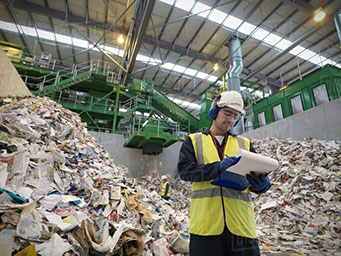
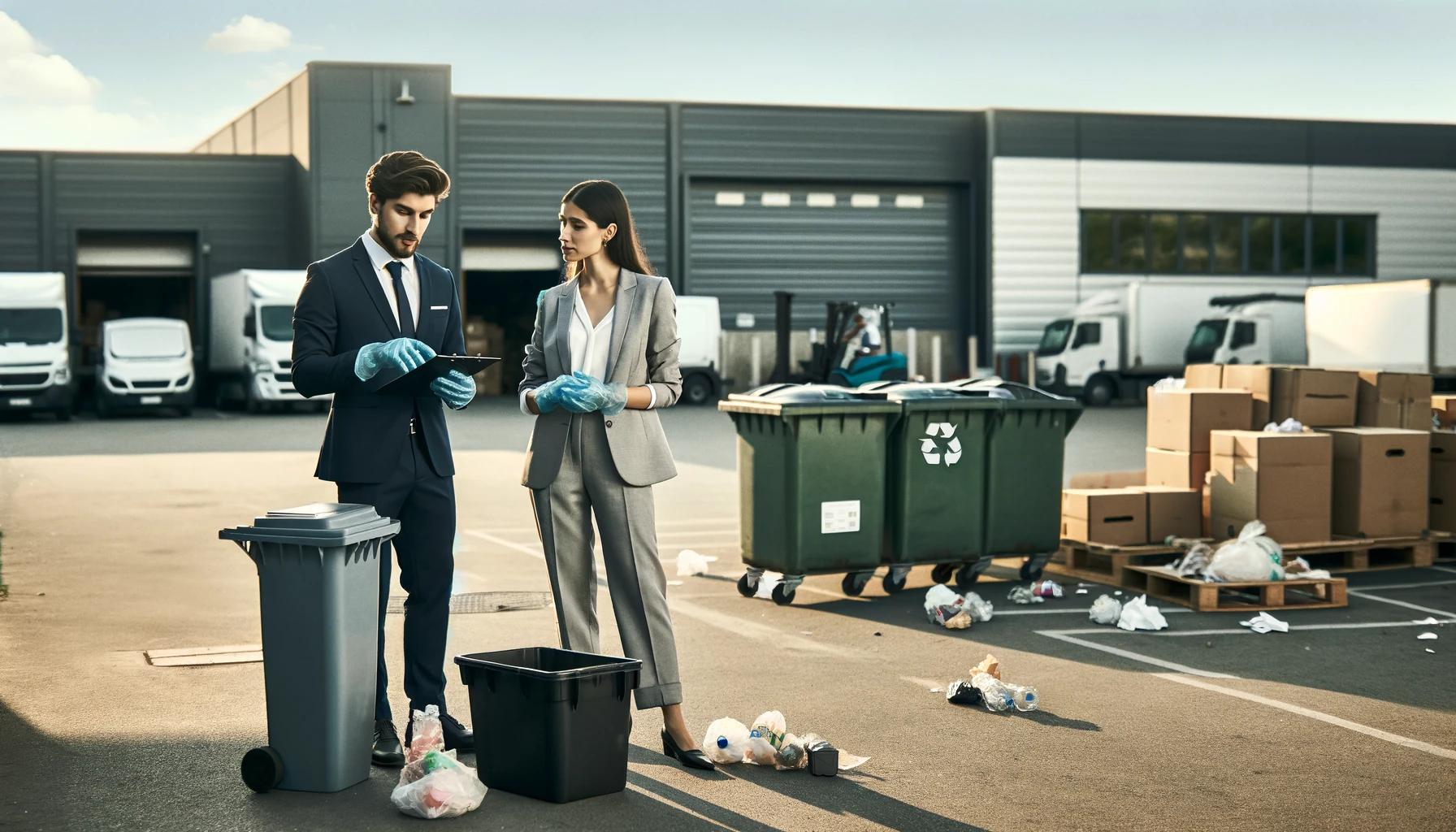
A food waste recycling service plays a pivotal role in modern waste management, diverting organic materials from landfills and transforming them into valuable resources. These services are crucial for environmental sustainability, helping communities and businesses manage their organic waste responsibly while mitigating the negative impacts associated with traditional disposal methods. Understanding the scope, benefits, and mechanics of such services is key to embracing a more circular economy.
| For landfill-free waste and recycling services, including sorting, baling, shredding and compaction equipment, or to explore earning money from your recycling, contact Integrity Recycling Waste Solutions at (866) 651-4797. |
What is Food Waste Recycling Service?
Food waste is a significant global issue, contributing substantially to landfill volume and greenhouse gas emissions when left to rot. Every year, millions of tons of edible and inedible food scraps are discarded, presenting both an environmental challenge and a lost resource opportunity. Food waste recycling services are designed to intercept these organic materials before they reach landfills, rerouting them to facilities where they can be processed and repurposed.
Defining the Service
At its core, a food waste recycling service involves the collection, transportation, and processing of uneaten food, food scraps, and other organic materials like vegetable peels, fruit rinds, coffee grounds, and expired food products. Instead of being incinerated or buried in landfills, this waste is directed towards methods like composting or anaerobic digestion. The goal is to close the loop on organic waste, transforming what was once considered refuse into beneficial products such as nutrient-rich compost, renewable energy (biogas), or even animal feed. These services can be offered by municipal governments, private waste management companies, or even non-profit community organizations, catering to residential, commercial, and industrial clients.
Why is it Crucial?
The importance of diverting food waste stems from several critical environmental and economic factors. When food waste breaks down in anaerobic (oxygen-starved) conditions typical of landfills, it produces methane, a potent greenhouse gas over 25 times more effective at trapping heat than carbon dioxide over a 100-year period. By diverting food waste through recycling, these methane emissions are significantly reduced. Furthermore, it conserves valuable landfill space, which is finite and often nearing capacity in many regions. Beyond emission reduction, food waste recycling offers a pathway to resource recovery. For example, composting creates a natural soil amendment that improves soil structure, water retention, and nutrient availability, reducing the need for chemical fertilizers. Anaerobic digestion produces biogas, a renewable energy source that can be used for electricity, heating, or vehicle fuel, and a nutrient-rich digestate that can also be used as a fertilizer.
How Does a Food Waste Recycling Service Work?
The operational mechanics of a food waste recycling service involve several key stages, from initial segregation to final processing. Each step requires careful planning and execution to ensure efficiency and minimize contamination. Understanding this process helps both service providers and participants ensure the system runs smoothly and effectively.
Collection Methods
The way food waste is collected varies significantly depending on the provider and the type of client. These methods are designed to be convenient and accessible to encourage participation.
Residential Door-to-Door
Many municipalities offer curbside collection of food waste for residents. This typically involves households receiving a special green bin or caddy, distinct from their regular trash and recycling bins. Residents place their food scraps directly into these containers, which are then collected on a scheduled basis, often weekly, by specialized trucks. This method maximizes convenience for homeowners and encourages widespread participation.
Community Drop-off Points
For areas without curbside programs or for residents who generate less food waste, community drop-off sites are a popular alternative. These can be located at farmers’ markets, recycling centers, or designated public spaces. Participants bring their accumulated food waste to these locations, depositing it into larger collection containers. This method offers flexibility but requires individuals to transport their waste.
Commercial Pick-up
Restaurants, grocery stores, hotels, universities, and other large-scale food generators typically require dedicated commercial food waste collection services. These often involve larger bins or dumpsters specifically for organic waste, with pick-up schedules tailored to the volume of waste generated by the business. Private waste management companies often specialize in these commercial contracts.
Processing Methods
Once collected, the food waste is transported to processing facilities, where it undergoes transformation into valuable products. The chosen processing method largely depends on the facility’s infrastructure and the desired end products.
Composting
Composting is a natural biological process where organic materials decompose under controlled aerobic (oxygen-rich) conditions to produce stable, nutrient-rich soil amendment called compost.
# Aerobic Composting
This method involves the decomposition of organic matter in the presence of oxygen. Food waste is mixed with bulking agents like wood chips or yard waste to ensure proper airflow and carbon-to-nitrogen ratio. The mixture is then regularly turned or aerated to maintain optimal conditions for microbial activity, which generates heat and speeds up the decomposition process. This method produces a valuable soil amendment.
# In-Vessel Composting
A more controlled form of composting, in-vessel systems process food waste within enclosed containers or buildings. This allows for precise control over temperature, moisture, and airflow, speeding up the composting process and minimizing odors.
Anaerobic Digestion (AD)
Anaerobic digestion is a biological process that breaks down organic matter in the absence of oxygen. Food waste is loaded into sealed tanks (digesters), where microorganisms break it down, producing biogas (a mixture of methane and carbon dioxide) and a nutrient-rich liquid or solid byproduct called digestate.
# Biogas Production
The biogas produced by AD can be captured and used as a renewable energy source for electricity generation, heating, or refined into renewable natural gas (RNG) for vehicle fuel. This makes AD a dual-purpose process, generating both energy and fertilizer.
Other Methods
While less common for large-scale municipal food waste recycling service, some other methods include rendering (for certain types of waste, often for animal feed or industrial products) and insect farming (using black soldier fly larvae to convert food waste into animal feed and fertilizer).
What Can and Cannot Be Recycled?
Effective food waste recycling relies heavily on proper segregation at the source. Contamination with non-organic materials can disrupt processing and degrade the quality of the end product.
Commonly Accepted Items
Typically, food waste recycling service programs accept most food scraps, including:
- Fruits and vegetables (raw or cooked)
- Meat, poultry, and fish (bones included)
- Dairy products (cheese, yogurt)
- Bread, pasta, grains, and baked goods
- Eggshells
- Coffee grounds and filters, tea bags
- Plate scrapings
- Small amounts of cooking oils and fats (liquid or solid) – check local guidelines as this varies.
Commonly Rejected Items
Items that are generally NOT accepted because they can contaminate the compost or digester, or are difficult to process, include:
- Plastic bags, cling wrap, and plastic packaging
- Styrofoam
- Glass, metal, and aluminum foil
- Pet waste (feces, litter)
- Diapers
- Yard waste (unless specifically noted for combined collection)
- Chemicals or cleaning agents
- Fats, oils, and greases (FOG) in large quantities, which can cause significant issues in processing equipment.
| For landfill-free waste and recycling services, including sorting, baling, shredding and compaction equipment, or to explore earning money from your recycling, contact Integrity Recycling Waste Solutions at (866) 651-4797. |
Finding and Engaging a Food Waste Recycling Service
Accessing a food waste recycling service often depends on your location and whether you are a residential household or a commercial entity. Availability varies widely, but there are common avenues to explore.
Residential Services
For homeowners and tenants, the primary resource for food waste recycling service is usually local government.
Municipal Programs
Many cities and counties are implementing or expanding curbside food waste collection as part of their residential waste management. Check your municipal waste department’s website or contact them directly to see if such a program exists in your area, and if so, how to sign up, what bins are provided, and what the collection schedule is.
Private Companies
In areas where municipal services are not yet available, private companies may offer subscription-based food waste collection. These companies often operate on a smaller scale, providing pick-up services for a fee. A quick online search for “food waste collection + [your city/county]” can help identify such providers.
Community Initiatives
Some communities have grassroots efforts, such as local drop-off points managed by non-profits or community gardens that accept food scraps for composting. While less formal, these initiatives offer a valuable alternative.
Commercial Services
Businesses that generate significant quantities of food waste have dedicated options for recycling.
Dedicated Waste Haulers
Most major waste management companies (e.g., Waste Management, Republic Services) offer commercial organic waste collection as part of their comprehensive services. They provide specialized bins and tailored collection schedules to businesses.
Partnerships
Larger food-service establishments might partner directly with composting facilities or anaerobic digesters, sometimes even negotiating direct transportation of their waste streams for processing, especially if they generate very high volumes.
Steps to Get Started
If you’re interested in participating in a food waste recycling service, follow these steps:
- Check Local Municipality: Start by visiting your city or county’s waste management or public works website. Look for information on organic waste collection or composting programs.
- Research Private Providers: If no municipal service is available, search online for “food waste recycling [your city]” or “compost collection service [your area]” to find private companies.
- Understand Sorting Guidelines: Once you find a service, carefully review their list of accepted and rejected materials. Adhering to these guidelines is crucial to prevent contamination.
- Obtain Necessary Bins/Containers: Whether provided by the municipality or purchased from a private provider, ensure you have the appropriate collection bins or caddies for your kitchen and outdoor storage.
| For landfill-free waste and recycling services, including sorting, baling, shredding and compaction equipment, or to explore earning money from your recycling, contact Integrity Recycling Waste Solutions at (866) 651-4797. |
Benefits and Challenges of Food Waste Recycling Service
The widespread adoption of food waste recycling service brings a multitude of benefits, but also faces several hurdles that need to be addressed for scalable success.
Environmental Benefits
The environmental advantages of diverting food waste are substantial and far-reaching.
Reduced Landfill Burden
Every ton of food waste diverted means less material going into landfills, thus extending the lifespan of existing sites and reducing the need for new ones.
Lower Greenhouse Gas Emissions
By preventing food waste from decomposing anaerobically in landfills, huge quantities of methane emissions are avoided. Instead, processing methods like anaerobic digestion can even capture methane for beneficial use as renewable energy.
Creation of Valuable Resources
Instead of just being “waste,” food scraps are transformed into nutrient-rich compost that enhances soil health, or biogas that serves as a clean energy source. This circular approach reduces reliance on virgin resources and chemical inputs.
Economic and Social Benefits
Beyond the environmental impact, food waste recycling offers tangible economic and social advantages.
Job Creation
The development and expansion of food waste recycling service infrastructure creates jobs in collection, processing, and related industries.
Reduced Waste Disposal Costs
For municipalities and businesses that pay per ton for landfill disposal, diverting food waste can lead to significant savings on tipping fees.
Community Engagement
Food waste programs often foster a sense of community responsibility and engagement in sustainable practices, educating residents and businesses on their environmental footprint.
Common Challenges
Despite the clear benefits, implementing and sustaining effective food waste recycling service initiatives comes with challenges.
Contamination
One of the biggest hurdles is ensuring that non-compostable materials do not end up in the food waste stream. Plastics, metals, and glass can degrade the quality of the final product and damage processing equipment. Public education is key to minimizing contamination.
Odor Control
Food waste can be odorous, especially in warmer climates or if not collected frequently. Managing odors at collection points and processing facilities is crucial for public acceptance and operational efficiency.
Cost and Infrastructure
Establishing and maintaining a comprehensive food waste recycling service requires significant upfront investment in collection vehicles, bins, and processing facilities (compost sites, AD plants). The operational costs can also be higher than traditional landfilling if economies of scale are not achieved.
Public Awareness and Participation
Engaging a critical mass of residents and businesses is vital. Lack of awareness about the service, confusion over sorting guidelines, or perceived inconvenience can hinder participation rates.
| For landfill-free waste and recycling services, including sorting, baling, shredding and compaction equipment, or to explore earning money from your recycling, contact Integrity Recycling Waste Solutions at (866) 651-4797. |
Conclusion
A food waste recycling service is an indispensable component of a sustainable future, systematically diverting organic waste from landfills to create valuable resources like compost and renewable energy. These services curb greenhouse gas emissions, preserve landfill space, and foster a circular economy by transforming discards into assets. While challenges such as contamination and infrastructure costs exist, the environmental, economic, and social benefits underscore the critical importance of expanding and supporting these essential programs.